


Marathoners with their sights on Los Angeles now know what the road to the 2028 Olympic Games looks like, and the first day they can start down it is Nov. 1. World Athletics laid out the qualifying system for the LA28 marathons in a note sent to agents, which CITIUS Mag first reported on Wednesday, and the window stays open for 18 months, until April 30, 2028.
The entry standards will only arrive in December, once the World Athletics Council signs them off, so anyone racing a big marathon in November will be chasing a number nobody has written down yet.
There are three ways in:
- The entry standard, run on an eligible course during the window.
- Placing in the top five at a Platinum Label marathon in the window, which counts the same as hitting the standard.
- The world rankings, through World Athletics’ Road to LA list, which counts no more than three athletes per country.

World Athletics wants roughly 40 percent of each field to get in through the first two routes and the other 60 percent through the rankings. That leans harder on rankings than Paris did, when the plan was an even split, and it matches what the federation already uses for next year’s World Championships in Beijing. The Beijing standards are 2:06:00 for men and 2:23:20 for women. For Paris it was 2:08:10 and 2:26:50, and for Tokyo only 2:11:30 and 2:29:30, which gives a sense of how far the bar has moved in two Olympic cycles.
A fast time still comes with a catch: places go to the quickest qualifiers first, and if enough runners hit the standard to fill a field by themselves, nobody gets in through the rankings at all. With just 70 places per race in Los Angeles, 10 fewer than in Paris, that scenario is easier to picture than it was four years ago.
For a time to count at all, the course needs to have been measured by a grade A or B World Athletics/AIMS official, with a certificate less than five years old on race day. For the standard, the finish also can’t sit more than 1 meter per kilometer below the start, which works out to roughly 138 feet (42 meters) over a marathon. Downhill courses aren’t worthless for ranking purposes, though World Athletics docks points on a sliding scale tied to how far the course drops.
The key dates:
- Nov. 1, 2026: the window opens
- December 2026: the World Athletics Council approves the entry standards
- March 19, 2028: the first 55 names on Road to LA are locked in
- March 25, 2028: U.S. Olympic Marathon Trials, St. Louis
- April 30, 2028: the window closes
- July 30, 2028: the men’s Olympic marathon, on the final day of the Games
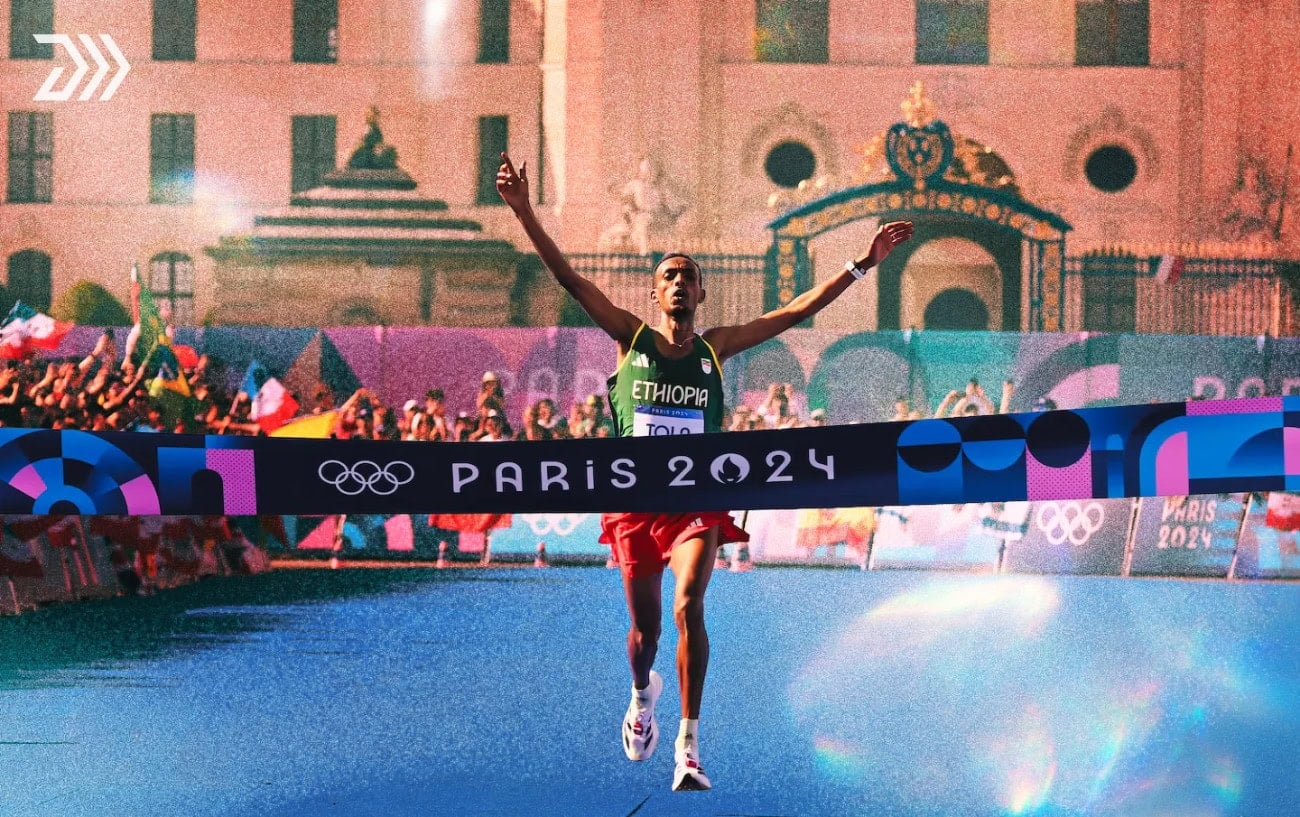
The March 19 list locks in 55 runners per race, while the final 15 spots in each field stay up for grabs until the window shuts on April 30. In the Paris cycle that cut came on Jan. 30, 2024, and it protected 65 athletes. That lock-in lands just six days before the U.S. Olympic Trials in St. Louis.
Countries can still send a runner who hasn’t qualified any of those ways, as long as that athlete has run 2:11:00 (men) or 2:29:00 (women) inside the window and their Olympic committee hands them one of the places it already holds. Those marks are 30 seconds quicker than the ones Paris asked for.
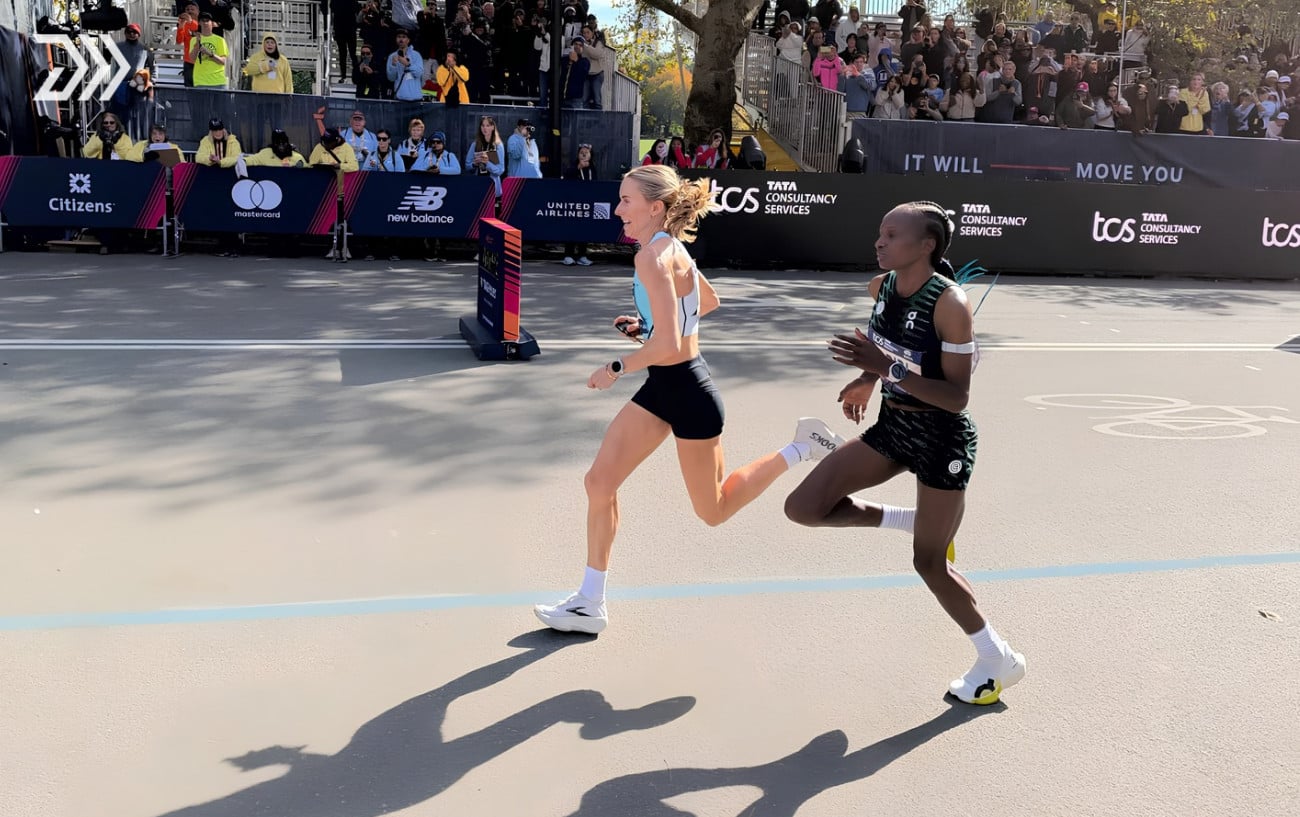
The window opens on the same Sunday as the New York City Marathon, a Platinum Label race, which means, as CITIUS Mag pointed out, that a top-five finish in Central Park on Nov. 1 would already count as meeting the Olympic standard.
RunClub
Get more running stories — join RunClub
Daily running news, a community of 300,000+ runners, free training plans for every distance, and a daily running game. Free to join — no card.
Already a member? Log in →








Start the conversation