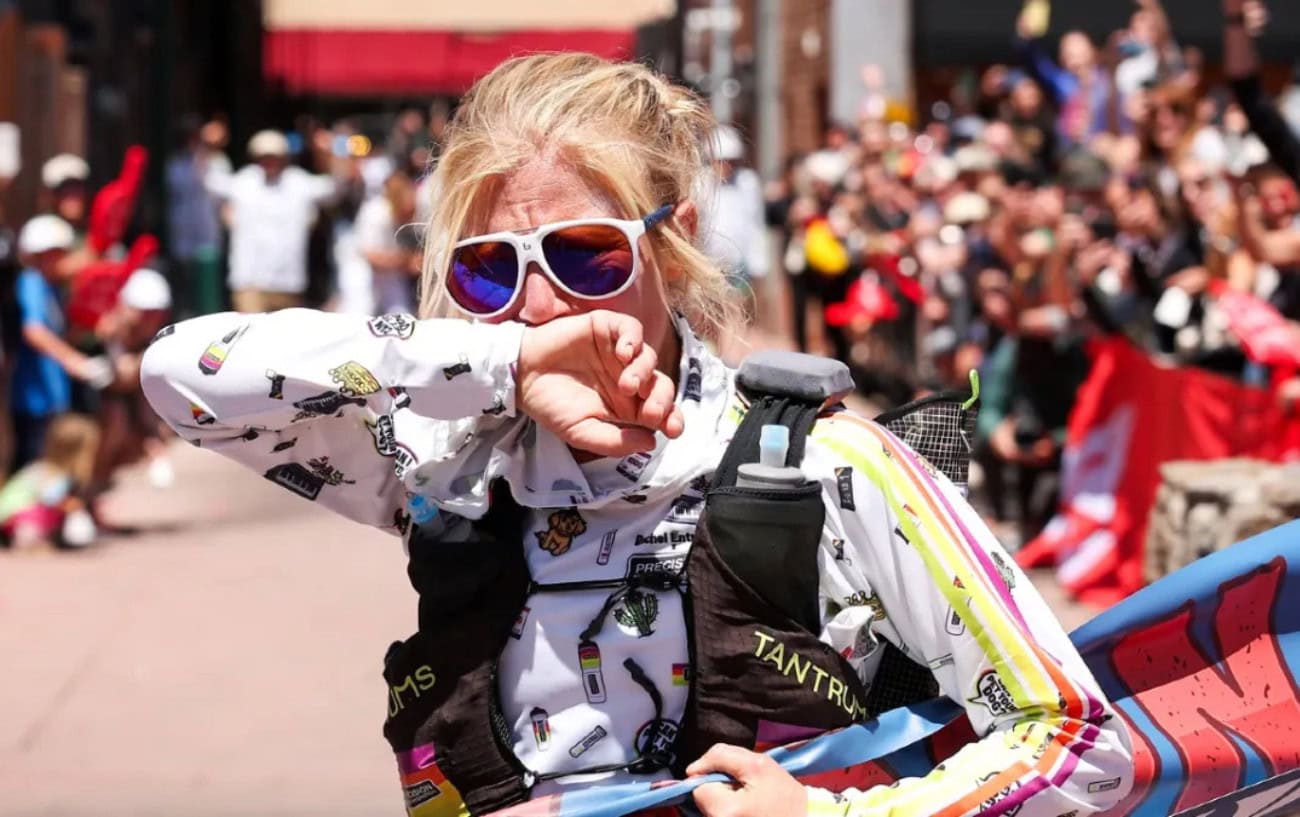
John Kelly has reached the halfway mark in his attempt to reclaim the supported Fastest Known Time (FKT) on the Appalachian Trail, and, true to form, the ultrarunning icon is taking a moment to celebrate the small things. Like a real bathroom.
In a video posted Friday morning from somewhere near mile 1,106 of the 2,198-mile trail, Kelly announced he had just crossed the halfway point on day 19 of his push. His tone, as always, was dry and quietly determined.
“What I’m doing now is no longer the longest thing I’ve ever done,” he said in an Instagram update. “It is slightly shorter than that other thing I’ve just finished doing.”
That “other thing” refers to the 1,100 miles he’s just put behind him on America’s most iconic long trail—a footpath that stretches from Georgia to Maine, with more than 460,000 feet of elevation gain, rugged backcountry terrain, and a weather spectrum ranging from sweltering heat to sudden downpours.
Kelly’s target: the FKT of 40 days, 18 hours, and 5 minutes set in 2024 by Tara Dower. To beat it, he needs to average over 54 miles per day.
And so far, he’s on pace.
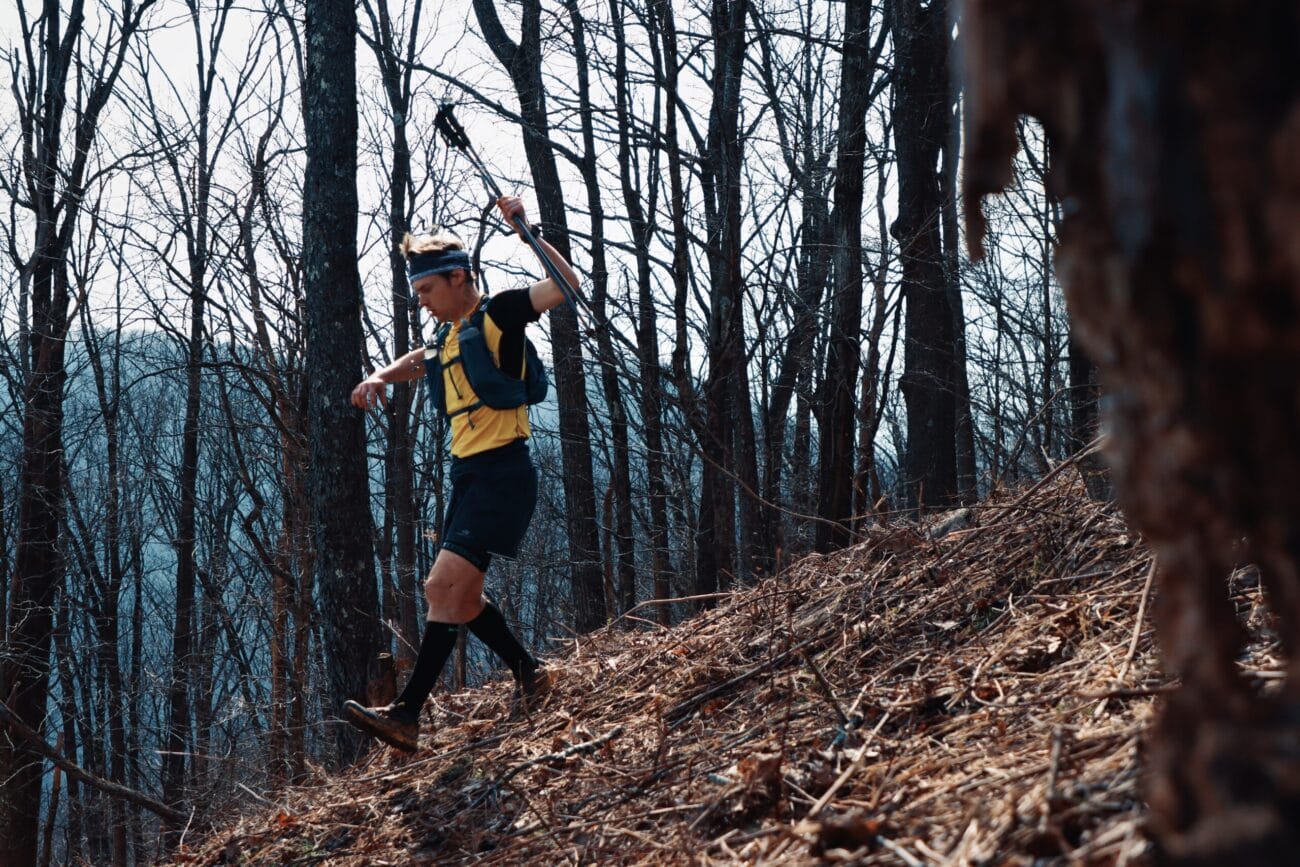
A Barkley Veteran’s Biggest Test
Kelly is no stranger to mind-bending endurance feats.
The 40-year-old father of four and data scientist is best known as a two-time finisher of the Barkley Marathons, a race so brutal that some years, no one finishes.
He’s also previously held the Appalachian Trail FKT once before, in 2020, when he completed it in 48 days before others brought the time down even further.
But in the world of long trail FKTs, Tara Dower’s 2024 supported effort has become the gold standard.
“Possibly the most impressive FKT ever,” Kelly said earlier this year, praising the mental and physical effort it takes to sustain such a pace for that long.
In his latest Instagram update, Kelly paid similar respect to Joe “Stringbean” McConaughy’s self-supported record of 45 days.
Unlike a supported effort, where crew can meet runners to provide food, shelter, and gear, self-supported runners must carry everything themselves and resupply only via public options like stores or mail drops.
“I don’t think there’s any way I could do that,” Kelly admitted. “Just bearing the mental load yourself for that length of time, it’s tough.”

Blisters, Sleep, and Bathroom Joy
The daily grind of Kelly’s attempt is not just about mileage; it’s about management. His crew has been contending with lingering foot issues from the first week, likely caused by constant wet conditions. He described the pain from those blisters and hotspots as his biggest ongoing concern.
But it’s not all grim. In typical deadpan fashion, Kelly also highlighted another major milestone from the last 24 hours: a functioning bathroom.
“I just had a full bathroom with a toilet and a sink to wash my hands in,” he said on Instagram, pausing with a half-smile. “That was the first time in quite a while there.”
As funny as it sounds, moments like that underscore how raw and stripped down this kind of effort becomes. Sleep comes in short windows. Food is constant, but hard to keep down. And washrooms, if they exist at all, are often holes in the ground.

What’s Ahead
The second half of the Appalachian Trail is no easier than the first.
The climbs grow steeper through New England. The terrain sharpens, particularly in New Hampshire’s Presidential Range and Maine’s infamous Mahoosuc Notch. And the mental toll of being nearly three weeks into an all-day-every-day effort begins to stack.
Kelly, though, seems grounded. He continues to share regular updates through his Instagram and via GPS tracking on his site, randomforestrunner.com. Fans across the ultrarunning world have been following his posts closely—not just for progress reports, but for the intimate, unpolished look at what it takes to chase one of the sport’s most punishing records.
The FKT community thrives on transparency, and Kelly continues to deliver that in spades. As he put it: once you so much as accept a bottle of water or a Kleenex from another person, “there’s no such thing as kind of supported.”
With more than 1,000 miles left and some of the trail’s toughest terrain still ahead, anything can happen. But for now, the Appalachian Trail veteran is halfway home—and still smiling, blisters and all.