


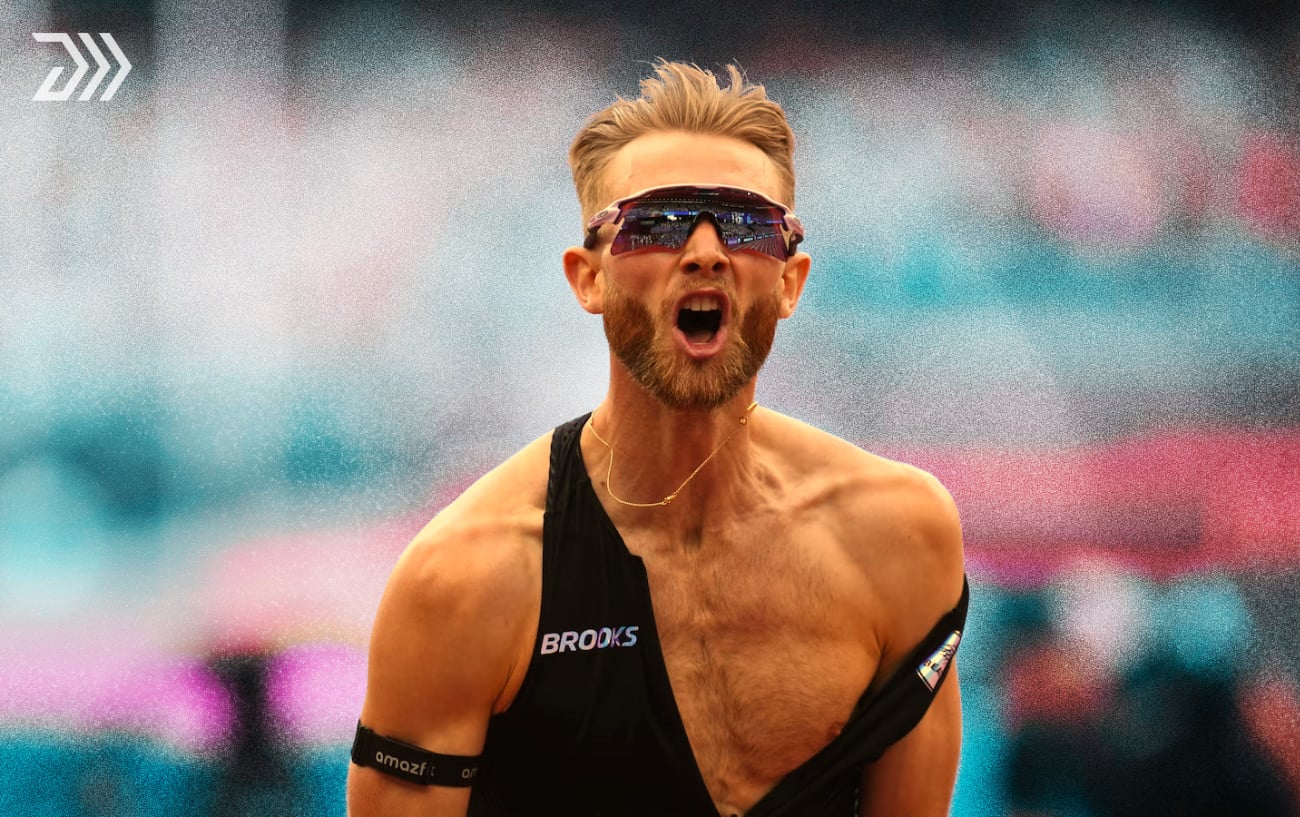
Josh Kerr has a new target, and it sits 25 miles beyond the one he just took. Days after breaking the mile world record with a 3:42.66 in London, the 28-year-old Scot told the Times he is “obsessed with the marathon” and means to run one before his career ends, with a win at the London Marathon as the goal. His ambition raises a real question: can a runner built for four laps of a track be rebuilt for 26.2 miles, and what do the athletes who have tried say about his odds?
Kerr has been careful with the framing. He is not chasing a marathon record, he said, but a win at a major, and he calls the plan a “pipe dream” with “a fair few years left on the track” ahead of it. The caution is warranted. The move up from the mile is one of the longest in the sport, and its history is a study in patience.

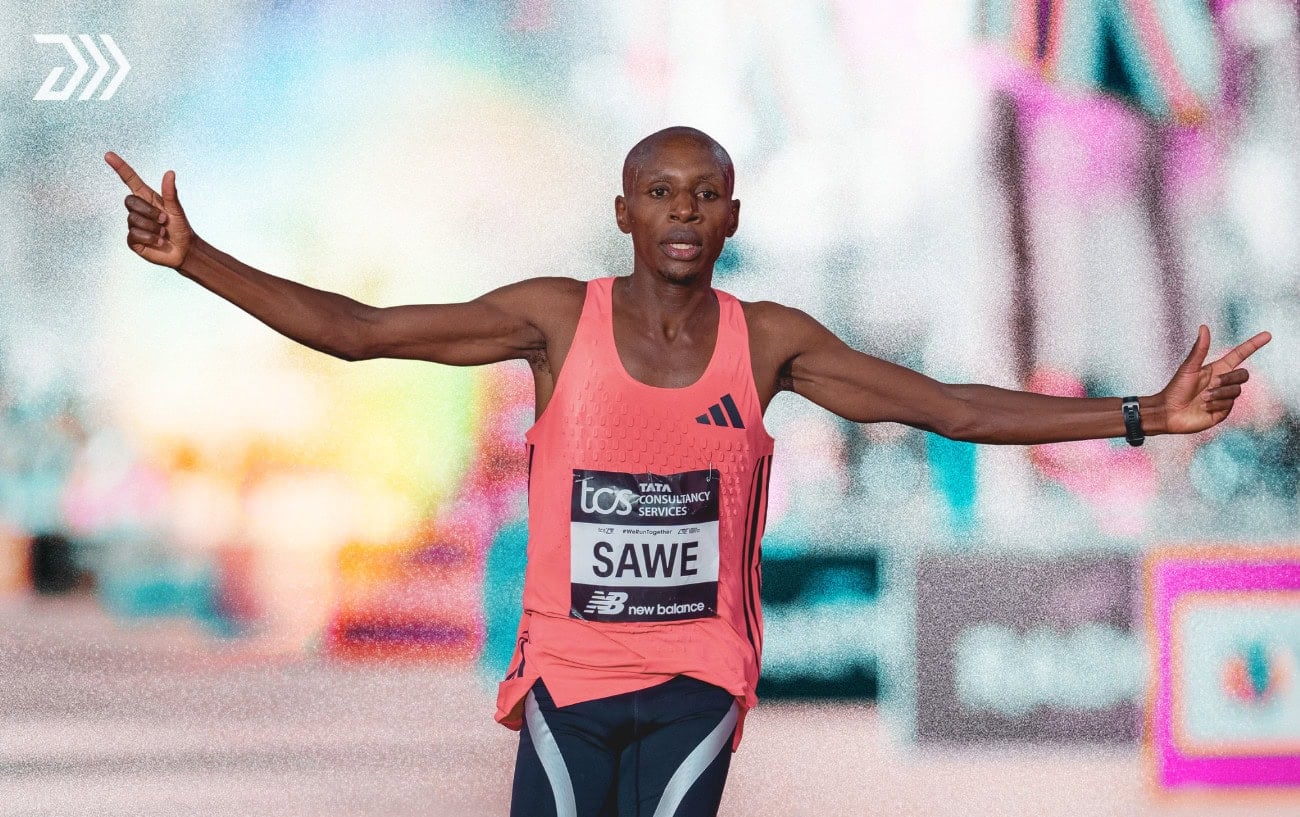
That target is steeper than it sounds. In April, Sabastian Sawe won London in 1:59:30, the first official sub-two-hour marathon, with runner-up Yomif Kejelcha also under two hours. To win the race Kerr has named, he would have to beat men running at a pace no miler who has moved up has come close to holding.
The encouraging precedent is recent. Sifan Hassan, whose track range ran from 1,500m to 10,000m, made her marathon debut at London in 2023 and won it in 2:18:33, outsprinting two of the best marathoners in the world over the final meters, then took Olympic marathon gold in Paris the next year. What carried her was the weapon Kerr is best known for, a finishing kick most marathoners cannot answer. A miler who reaches 26.2 miles still fresh enough to sprint holds a card the specialists rarely do.
The cautionary precedent is Mo Farah, and it points the other way. Farah dominated the track over 5,000m and 10,000m, distances far closer to the marathon than anything Kerr races, and he still needed time. He finished eighth on his London debut in 2014 in 2:08:21, a strong time but a long way from the win he wanted, and it took until 2018 for him to run 2:06:21 and take the British record. He said afterward that learning the distance took him about two years. If a runner with Farah’s endurance base needed a full cycle to get it right, a miler moving up two events further has more to learn, not less.
The reason is physiological, and it is exactly where Kerr’s own interest lies. He describes himself as meticulous about nutrition and power-to-weight, and those are the right things to care about. But the engine a mile rewards is not the engine a marathon rewards. Performance over 1,500m is best predicted by velocity at VO2 max, the speed at the very ceiling of the aerobic system. A marathon is run well below that ceiling, and there the decisive quality is lactate threshold, the pace an athlete can hold before fatigue runs away from them. By some estimates it accounts for 92 to 96 percent of the difference between marathon runners. Running economy, how little oxygen a runner burns at a given pace, keeps improving for years after VO2 max has plateaued. Those are the adaptations a career on the track does not fully build, and they cannot be hurried.
Body composition matters too, though less than the folklore claims. Research puts elite marathoners at roughly 6 to 9 percent body fat and estimates that every couple of kilograms of excess mass costs a few seconds per kilometer at marathon pace. Kerr’s frame is already light. The harder gap is fueling a two-hour effort and holding form when muscles tuned to fire a 3:42 mile are asked to repeat a pace far longer than they have been trained to.
None of this makes the ambition unrealistic. It makes it slow. The plausible route is the one Kerr lays out: the track first, with Olympic 1,500m gold in Los Angeles in 2028 the stated priority, and the marathon as the project that follows, built with the team of specialists he says he wants around him. Milers have made this move and won majors. They have simply needed years to do it, and Kerr, who just spent a season engineering a single mile down to the hundredth of a second, understands better than most how long fine margins take.
For all the caution, he did not leave it as a maybe. “This is a pipe dream,” he told the Times, “but I promise I will try it.”
RunClub
Get more running stories — join RunClub
Daily running news, a community of 300,000+ runners, free training plans for every distance, and a daily running game. Free to join — no card.
Already a member? Log in →









Join the conversation
Nice list of sub-4 miles, and sub-2:10 marathons here: https://bringbackthemile.com/news/detail/select_group_only_20_men_have_gone_sub_4_and_sub_210
Note Kejelcha 3:47 mile and 1:59:41 marathon.
Also lots of fast 1500 runners who didn\'t run many mile races, but did hit fast marathons: Mo Farah, 3:28.81 (2013)-2:05:11 (2018); Kenenisa Bekele, 3:32.35 (2007)-2:01:41 (2019); Haile Grebrselasie, 3:33.73 (1999)-2:03:59 (2008); and others.