


Every seasoned runner knows the feeling: you’re not sure if your shoes are past their prime, so you keep logging miles on foam that’s quietly failing you. Kiprun thinks it has a fix for that.
The French running brand, in partnership with sensor company MOVMENTA, has repotedly announced the KIPNEXT CONNECT, as per Meta Endurance, and is billed as the first running shoe to monitor its own wear and alert you when it’s time to buy a new pair.
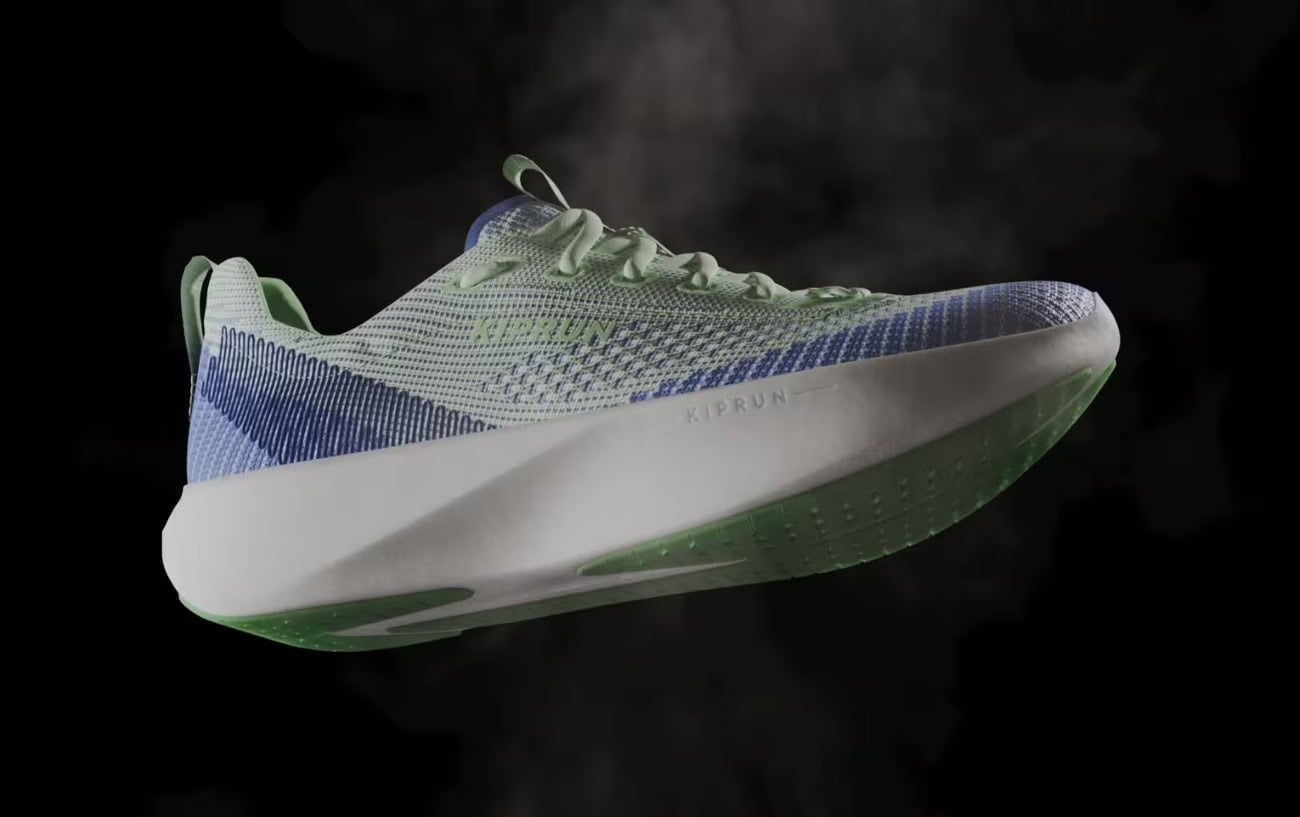
The shoe houses the SOLLO sensor, a 3-gram chip embedded directly into the upper and midsole that requires no battery or external power source. As you run, it continuously measures how much the foam compresses underfoot, sending that data live to the PACER app. When cushioning degrades past a certain threshold, the app flags it.
The idea targets a problem that’s as old as running shoes themselves. Nearly one in two runners gets injured each year, and worn-out cushioning is consistently flagged as a contributing factor. The trouble is that foam compression is invisible — you can’t see it, and you can’t always feel it until your knees are complaining.
On paper, the KIPNEXT CONNECT is also a performance shoe in its own right, not just a tech experiment. It stacks 53mm of heel cushioning using next-generation supercritical A-TPU foam — 20% more cushioning than Kiprun’s Kipride Max. That positions it squarely in the long-distance training category, where daily mileage puts serious demands on underfoot protection. Research on whether more cushioning actually reduces injury risk is still mixed, but for many runners, comfort over long miles remains the priority.
Kiprun is targeting a late 2026 launch at $219.99.
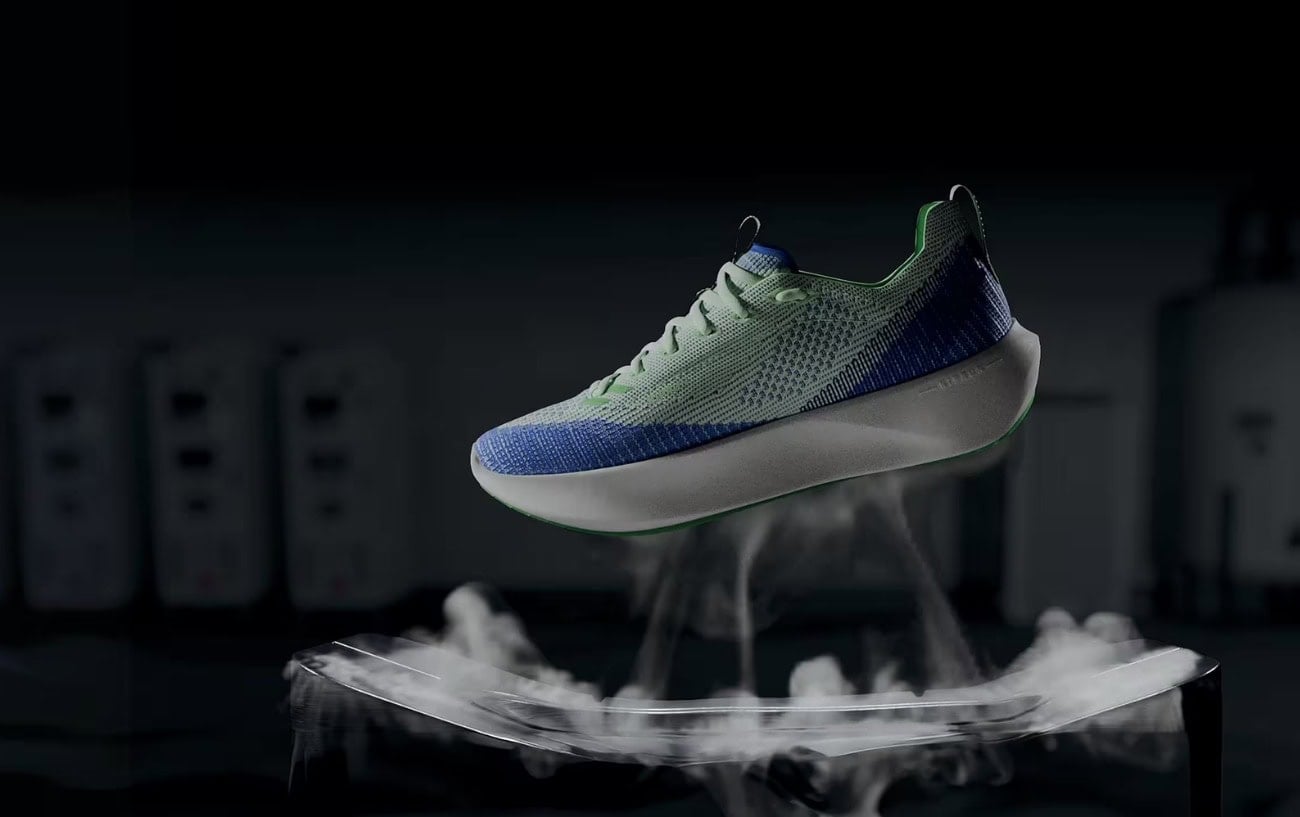
The question runners will be asking is whether real-world performance matches the pitch. Sensor accuracy at pace, app reliability, and whether the embedded hardware affects the shoe’s ride are all unknowns until the shoe reaches consumers. But if the technology works as described, it could shift how runners think about shoe rotation entirely — from a rough mileage guess to an actual data-driven decision.
For marathon runners especially, who often put down 50 or more miles a week in training, knowing exactly when your cushioning has degraded — rather than estimating based on a 300-to-500-mile rule of thumb — could genuinely reduce injury risk. If you’ve ever wondered whether your shoes might be causing problems, this kind of real-time data would take the guesswork out entirely.
Kiprun hasn’t announced retail availability outside of France yet, though the brand has expanded distribution steadily in recent years.
RunClub
Get more running stories — join RunClub
Daily running news, a community of 300,000+ runners, free training plans for every distance, and a daily running game. Free to join — no card.
Already a member? Log in →



Start the conversation