Michael Johnson’s dream of reinventing track and field is running straight into financial reality.
The Olympic legend’s startup league, Grand Slam Track, is reeling from a multimillion-dollar shortfall after an investor reportedly backed out of a major funding commitment.
The result? Athletes haven’t been paid, vendors are still waiting, and the league that promised to flip the script on how the sport operates is now scrambling just to stay afloat.
Speaking with Front Office Sports, Johnson confirmed that a key backer pulled out of their deal shortly after the league’s April debut in Kingston, Jamaica.
“That was a huge blow to us,” he said. “It caused a major, major cash flow issue, put us in a difficult position, put our athletes in a difficult position. But we’re very confident that we’ll pull ourselves out of it.”

According to a source cited in the FOS report, the investor in question had signed an eight-figure term sheet before reversing course, allegedly blaming economic instability following a surprise tariff announcement from President Donald Trump during his July 4th address.
Johnson didn’t name the investor but pointed directly to broader economic uncertainty as the cause, calling it “a very, very difficult economic situation.”
The fallout has been significant. Grand Slam Track currently owes at least $13 million to athletes, plus unknown amounts to vendors, including a $77,000 bill for the city of Miramar, Florida, which hosted the league’s second event. A payment plan deadline for that bill was missed as recently as last week.
Meanwhile, athletes still haven’t been paid for their performances in Kingston, Philadelphia, or Miami. “Pls pay me,” Olympic medalist Gabby Thomas commented on a league TikTok post earlier this summer, a simple statement that captured the frustration many athletes have voiced privately.
This revelation directly contradicts what the league told reporters last month when it abruptly canceled its final event in Los Angeles. At the time, GST officials cited scheduling and venue issues. But Johnson now admits the truth, the meet was canceled because there wasn’t enough money.
“We had an investor that wasn’t able to honor their complete commitment to the league,” he said. “We’ve had a very difficult situation this year financially.”
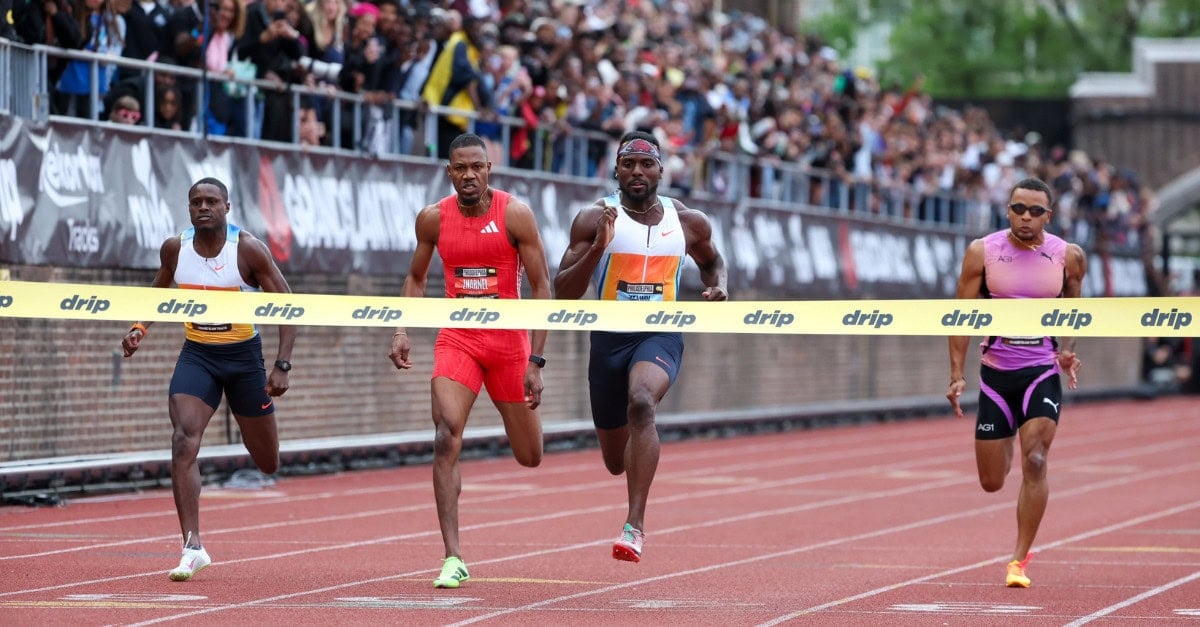
It wasn’t supposed to go this way. When Johnson launched Grand Slam Track in 2024, the league was backed by a $30 million war chest and a lofty mission, to treat athletes like stars and inject real money into a sport that often asks Olympians to compete for scraps.
The crown jewel was a $100,000 top prize for each event group winner, far more than most top-tier sprinters or distance runners earn on the traditional Diamond League circuit.
The funding was led by Winners Alliance, a sports investment firm chaired by billionaire hedge fund manager Bill Ackman. According to PitchBook, other backers included APL Ventures, a Silicon Valley outfit led by Albert Lee.
Winners Alliance says it remains supportive of the project, and a spokesperson told FOS that it’s working with Johnson to stabilize the league and return stronger in 2026.
Still, the road ahead looks daunting. In May, FOS reported that Vista Equity’s Robert Smith stepped in with a last-minute investment to keep the league afloat long enough to stage its third event in Philadelphia. But that wasn’t enough to carry the league to Los Angeles, and in recent weeks Grand Slam has laid off staff and cut salaries by 15%.
Johnson insists the project isn’t dead, just damaged.

He says new investors are circling, attracted by the league’s modest but promising broadcast ratings on The CW and its growing social media footprint. The league’s events didn’t go viral, but they were watchable, and Johnson believes there’s an appetite for a more athlete-first version of professional track.
“We probably went too fast,” he admitted. “We probably need to be more cautious, and certainly will going forward.”
Whether Grand Slam Track can dig itself out of this hole and pay the people it owes is still an open question. Johnson says that’s his top priority before any second season can be announced, athletes and vendors have to be made whole.
“It’s what I wake up in the middle of the night working on and thinking about,” he said. “It’s what I wake up every morning trying to fix.”
But patience may be running out. World Athletics president Seb Coe has publicly signaled concern, and some within the sport wonder if the track startup boom has gone too far, too fast. Johnson disagrees. The problem isn’t too many meets, he argues, it’s not enough of the kind fans actually care about.
“People love this sport,” he said. “They just don’t have enough of it to enjoy.”
That belief powered Grand Slam’s launch. Whether it can power its survival is another matter entirely.