


If you’ve been watching On’s LightSpray shoes from a distance — intrigued, slightly envious, and unable to actually buy one — your wait is almost over.
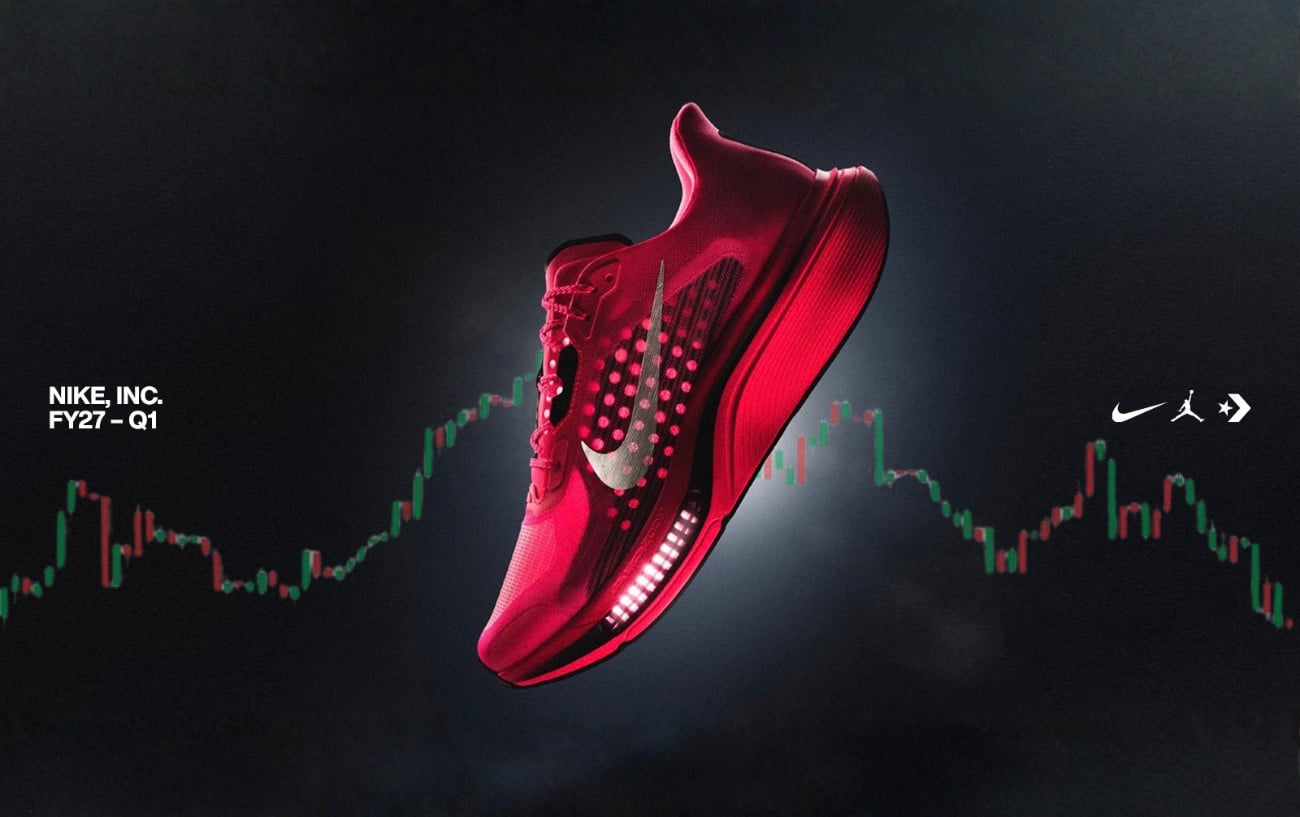
Originally reported by Footwear News, On has confirmed the LightSpray Cloudmonster 3 Hyper for a March 5 release, making it the first time the Swiss brand’s 3D-printed upper technology will be available in real quantities to regular runners. A limited drop hits On’s website and North American retail stores on March 5, with a full global launch following on April 16 with a price tag of $280.
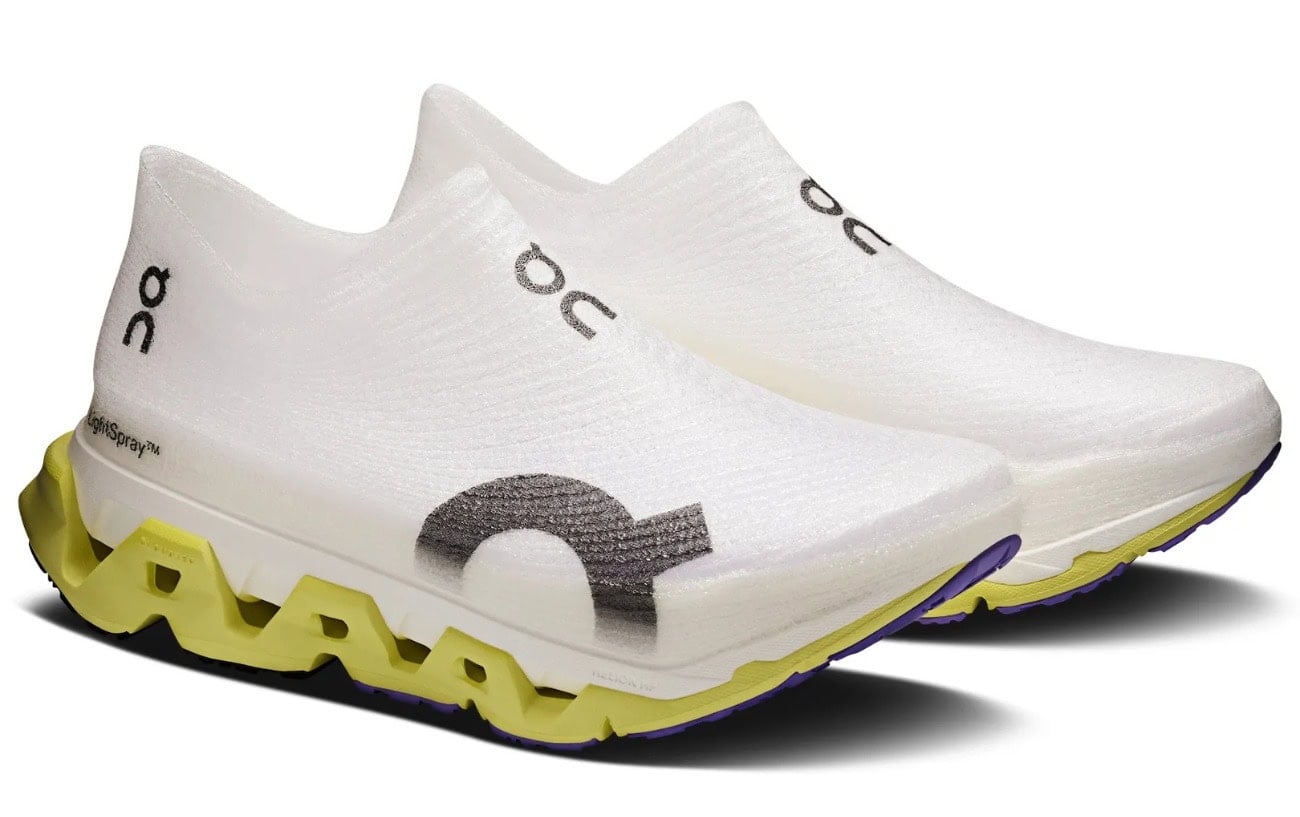
Eight Parts. That’s It.
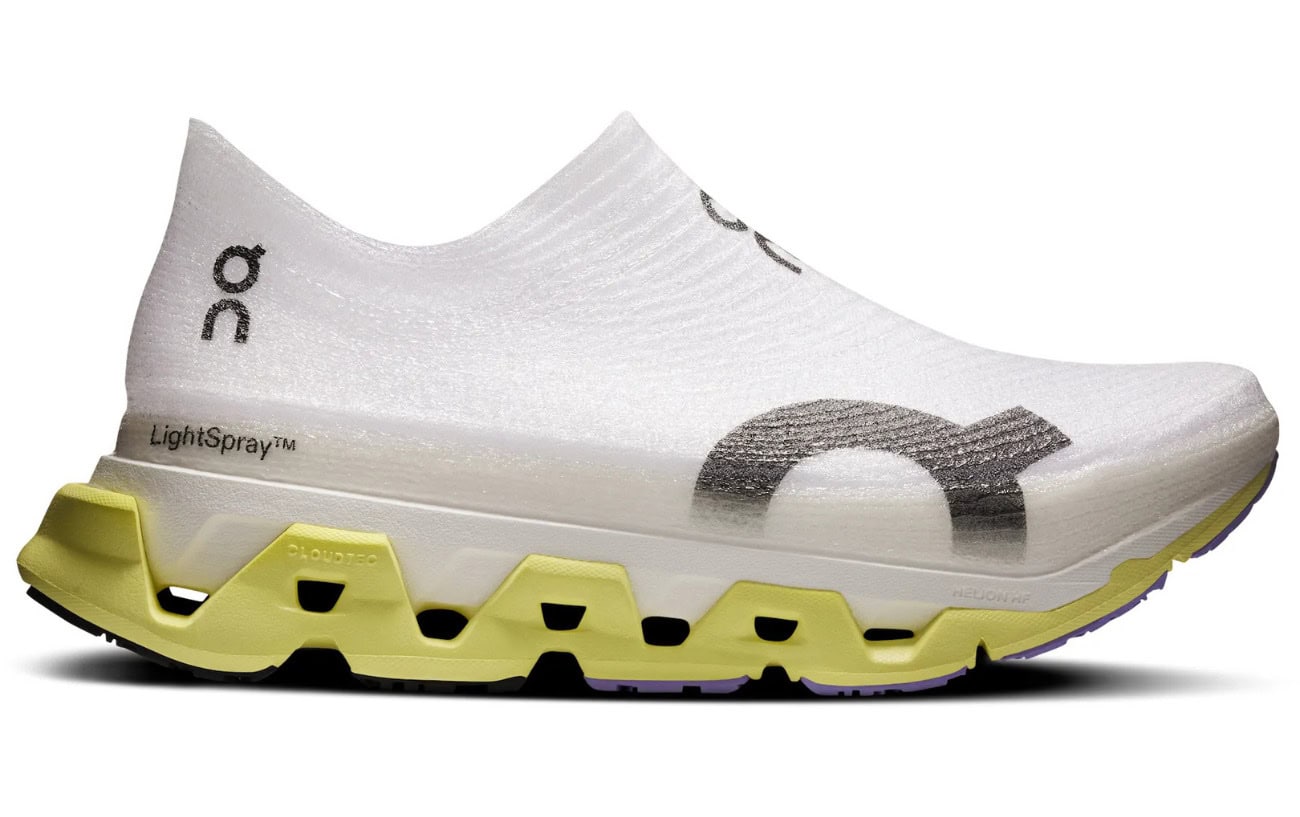
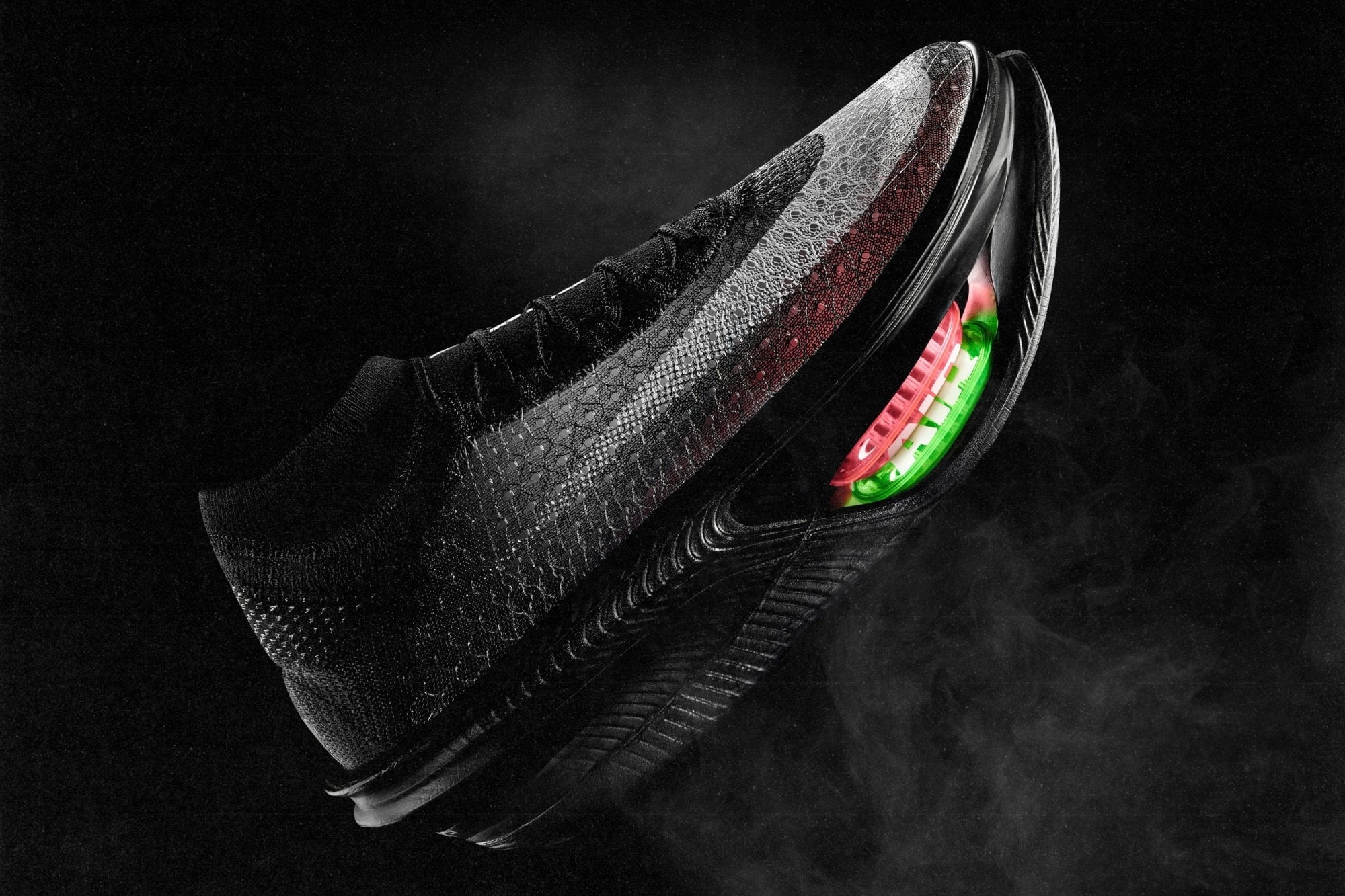
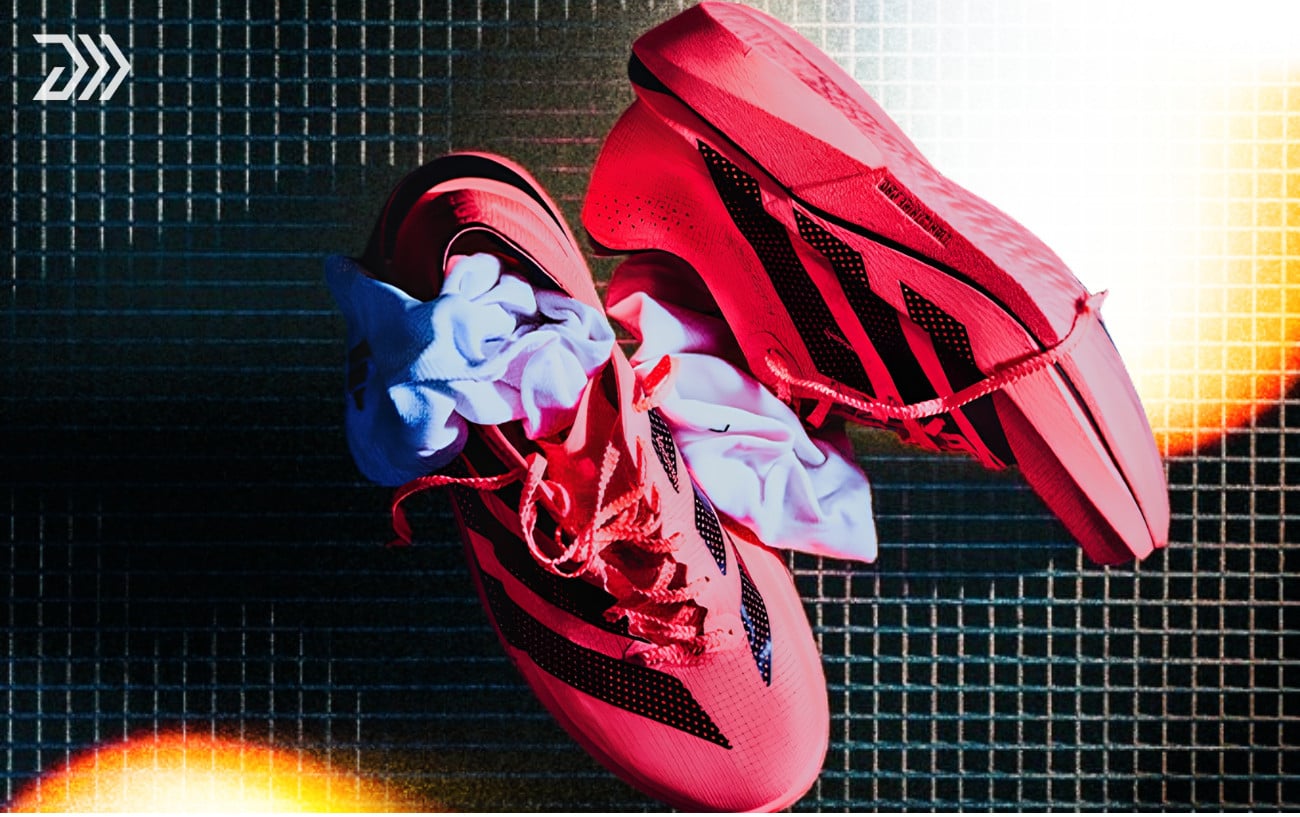
The shoe is built from just eight components — an almost absurdly low number when you consider most running shoes resemble a small engineering project. The star of the show is LightSpray, a fully 3D-printed upper that wraps the foot in a single continuous layer of material with no stitching, no overlays, and no fuss. The fit is close without being constricting, and the porous construction means heat actually escapes rather than building up during hard miles. Each pair ships with a dedicated sock designed to complement the ventilation and add a layer of targeted cushioning.
Under the foot sits a two-piece Helion HF supercritical foam midsole — the same high-energy-return foam that powers On’s top racing options.
The weight? A men’s size 8.5 comes in at 205 grams. The standard Cloudmonster 3, releasing at the same time, tips the scales at 295 grams. That 90-gram difference might not sound like much — until you remember you’re lifting each foot thousands of times over a marathon.
From One Robot to Thirty-Six
LightSpray didn’t start its life as something you could just add to a cart. On first unveiled the technology on the Cloudboom Strike LS, a shoe built specifically for Kenyan distance runner Hellen Obiri. She wore a prototype when she won the 2024 Boston Marathon, and the original plan was to debut it publicly at the Paris Olympics. Obiri, sensibly, didn’t want to race in an untested shoe at the biggest stage in athletics — so On moved the timeline up by several months instead.
At that point, the entire production operation consisted of one robot, building shoes for one athlete.
Since then, On has moved fast. The brand now runs 32 LightSpray robots at a newly opened factory in South Korea, plus four more at a Zurich facility that opened last summer — a 30-fold jump in capacity.1
“We’ve managed to master technology so that we can do many more things than just one shoe, but we’ve also mastered the scale so that we can do hundreds of thousands of pairs,” On cofounder and executive co-chairman Caspar Coppetti told Footwear News. “It was a bit frustrating because we had so much demand for the race-day product but couldn’t fulfill it.”
A Training Shoe That Doesn’t Train Like One
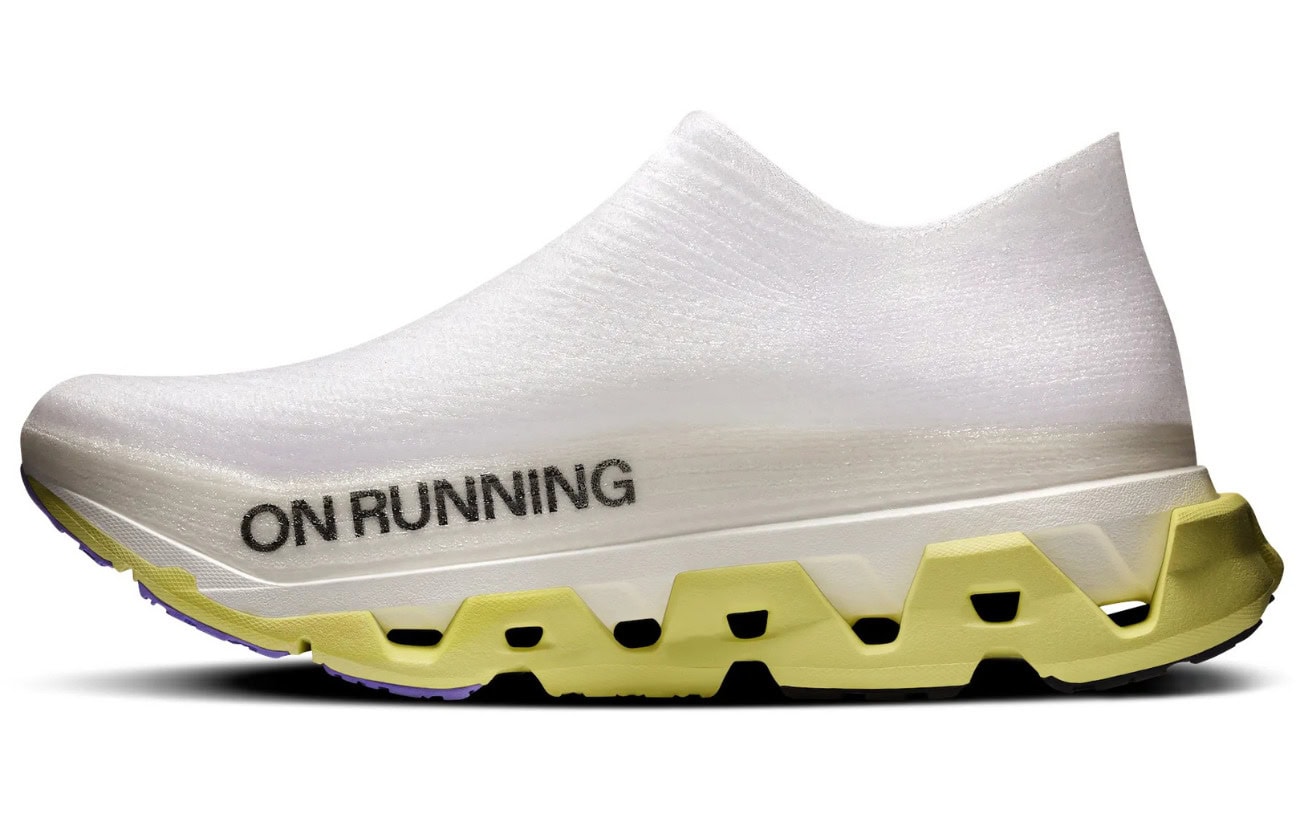
The Cloudmonster line has always been On’s answer to high-mileage training — built for the long haul rather than race day heroics. The Hyper version keeps that identity while stripping away everything that isn’t absolutely necessary. The result is a shoe that looks like it belongs in a design museum but is apparently meant to get sweaty on a Tuesday morning long run.
Coppetti mentioned that at a Paris Fashion Week preview last year, someone told him the LightSpray Cloudmonster looked like what a shoe from Apple would design. Given the clean lines and stripped-back construction, it’s not hard to see why. It also aligns with a broader trend we’ve been tracking — On pushing boundaries at the intersection of performance and innovation.
What You Need to Know Before March 5
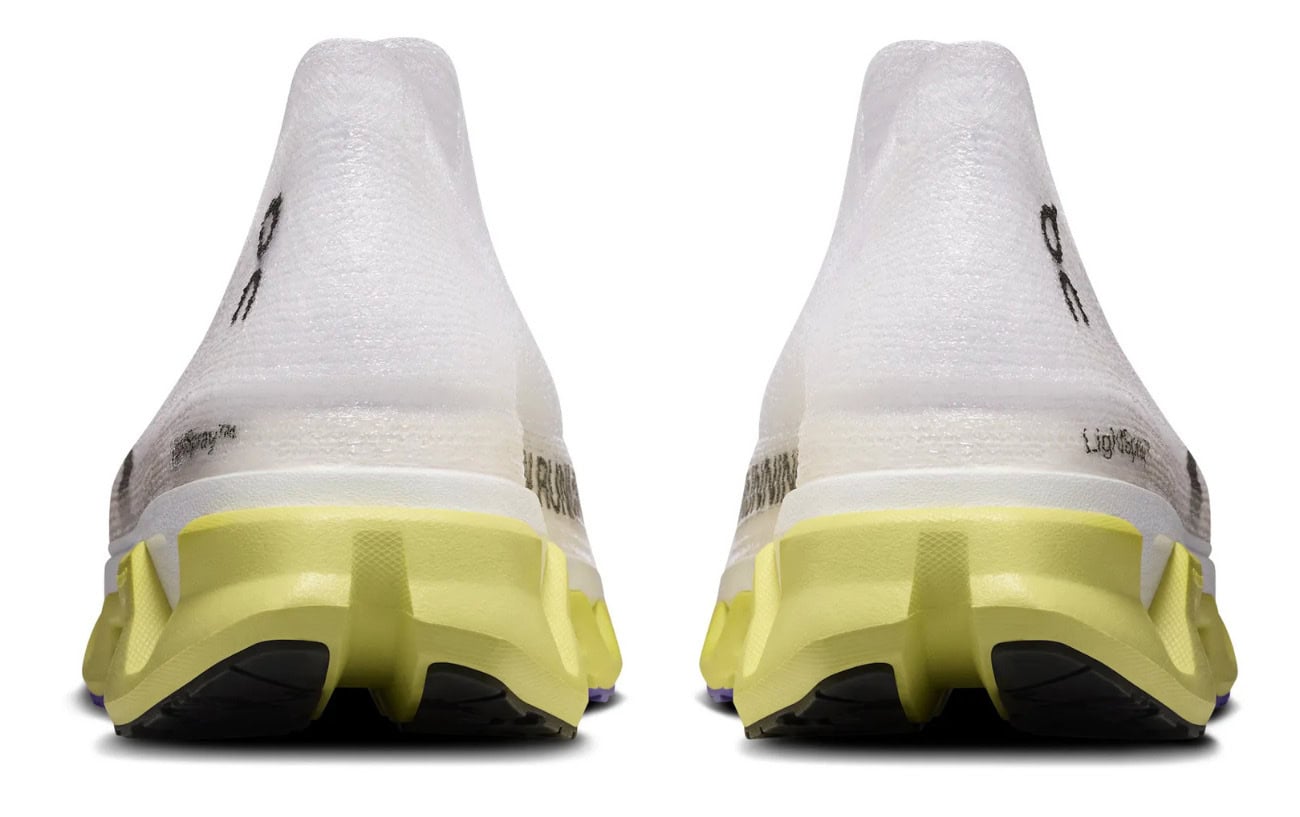
The initial drop will be limited, so if you’re serious about getting a pair, don’t sleep on launch day. The full global release on April 16 should ease supply pressure for anyone who misses the first wave.
At $280, this sits firmly in premium super trainer territory — though it’s worth noting that $280 for a super trainer is no longer shocking in a market where Nike, Adidas, and New Balance have all pushed their top daily trainers past $250 in recent years. If you want a broader look at how it stacks up against the competition, our best marathon running shoes guide is a good place to start, as is our full running shoe reviews hub.
For marathon runners putting in serious weekly mileage, a sub-210 gram training shoe with race-level foam is the kind of thing that’s hard to ignore. Whether it’s worth $280 is a question only your legs — and your bank account — can answer.
RunClub
Get more running stories — join RunClub
Daily running news, a community of 300,000+ runners, free training plans for every distance, and a daily running game. Free to join — no card.
Already a member? Log in →


Start the conversation