


American road running is having its best year since before the pandemic, and the growth is not landing evenly. Registrations tracked by RunSignup, which handles roughly 60 percent of the United States endurance market, rose 5.9 percent per race in the first half of 2026. Break that figure apart by the size of the race and a shape appears: the largest events grew fastest, the smallest grew nearly as fast, and the races in the middle grew slowest. The boom is a barbell, and the mid-size regional race, long the backbone of the sport, is caught in the thin part.
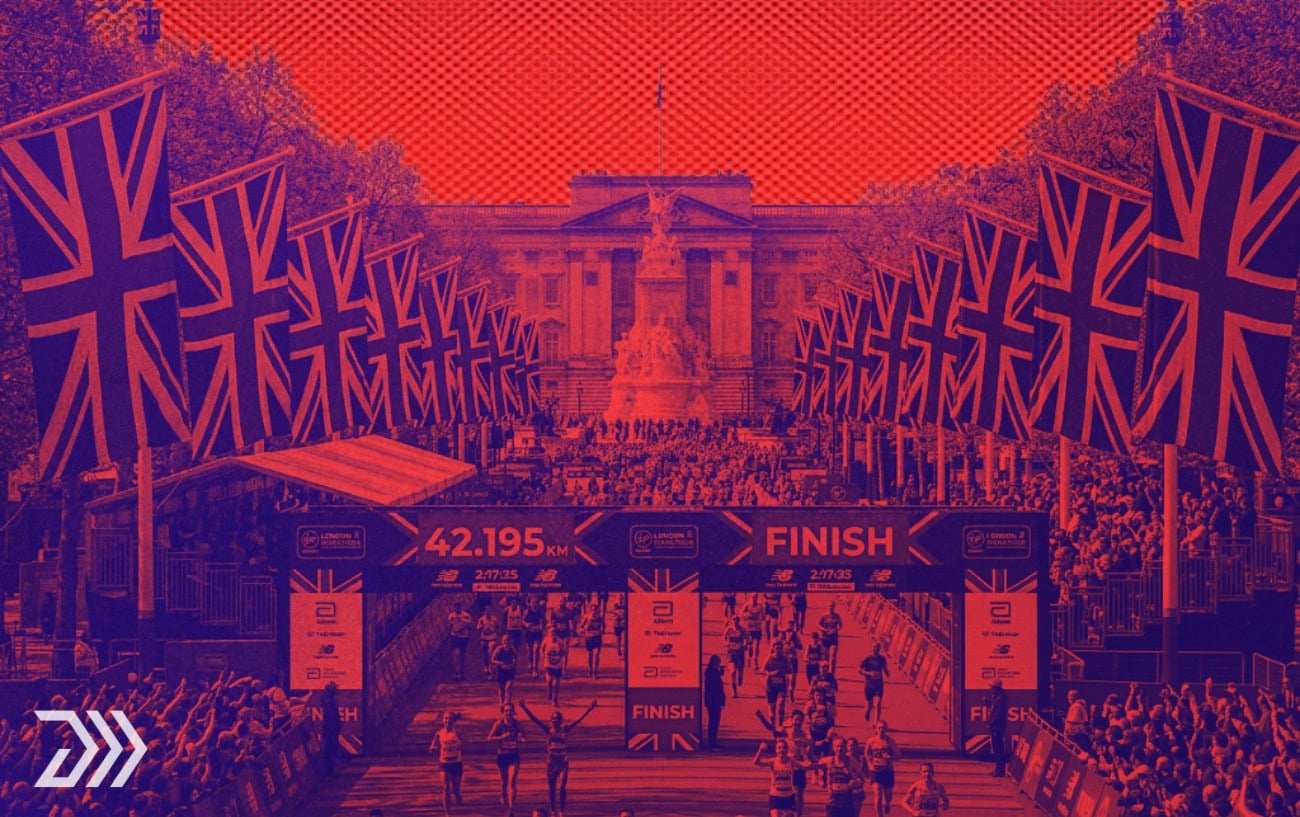
Start at the top. Races with 5,000 or more runners grew 8.2 percent, faster than any other group, a sharp turn for a cohort that lost almost 16 percent of its runners between 2019 and 2023. The biggest events have not only recovered; they have become scarce goods. Marathon fields sell out months ahead, with 55.4 percent of entries placed more than 120 days before race day, and prices have climbed to match. The average marathon now costs $104.74 to enter, up 5.3 percent in a year and the steepest rise of any distance. When a start line cannot stretch to meet interest, organizers ration it. Some events, like Tokyo, have expanded their fields and still turn applicants away. Most simply hold a draw. The 2027 London Marathon drew 1,338,544 ballot applicants for a race it will spread across two days to reach 100,000 places, and Boston, which already requires a qualifying time, added a lottery for 2027 to handle the qualifiers it can no longer fit. The marquee race has run out of room, and its scarcity is now part of the appeal.
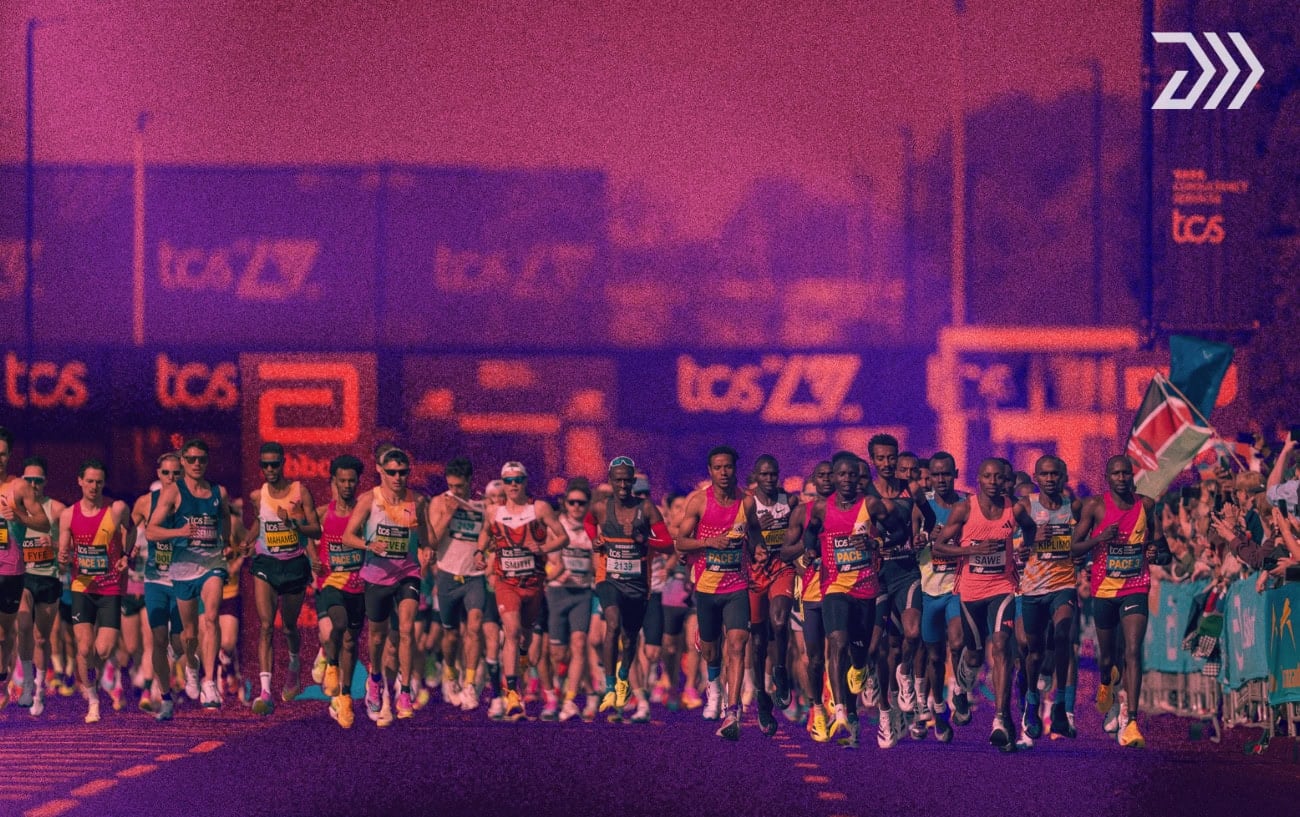
Now the bottom. The smallest races, those under 500 runners, grew 6.6 percent, and their real story is proliferation. Fourth of July races on RunSignup jumped 55 percent this year, to 769 events, while the average field shrank to 399 runners from 444. The growth at the bottom is not bigger races but more of them, cheap and local, easy to start and easy to enter, with no qualifying time and no ballot. A single holiday shows the whole barbell in miniature: one giant like Atlanta’s Peachtree Road Race, with its 50,000 runners, surrounded by hundreds of small new events that ask almost nothing of a runner beyond showing up.
The middle has neither advantage. Races between 500 and 5,000 runners grew slowest of all, the 501-to-1,000 band by just 4.0 percent and the 1,001-to-5,000 band by 5.3 percent. This is not a single bad year. The 501-to-1,000 group has been the sport’s laggard for a decade, shrinking 5.1 percent between 2019 and 2023 while the smallest races grew 13.6 percent. The mid-size regional race is too big to run on volunteers and goodwill alone, and too small to sell out on name recognition or command a marquee price. It competes for the same runners as the marquee events without their pull, and against the neighborhood races without their convenience.
The honest objection is that the middle is still growing, not dying, and that is true. Every size of race added runners this year, and race churn, the share of events that simply disappear, was only 3.7 percent, below the 5 to 7 percent that was normal before the pandemic. Very few races are folding. The claim here is narrower and more durable than collapse: the mid-size race is the least dynamic part of a dynamic market, gaining runners slowest while the costs of timing, permits, and staffing rise underneath it. In a boom, standing relatively still is its own kind of pressure.
What the barbell suggests is that the boom is changing the sport’s shape, not only its size. Runners are being pulled toward the two things the middle cannot offer: the event big enough to feel like a trip worth planning a year out, or the one small enough to be a Saturday morning down the street. The regional race that was once the natural step between them is still there, still full, and still falling behind the events on either side of it.
RunClub
Get more running stories — join RunClub
Daily running news, a community of 300,000+ runners, free training plans for every distance, and a daily running game. Free to join — no card.
Already a member? Log in →










Start the conversation