Why it matters
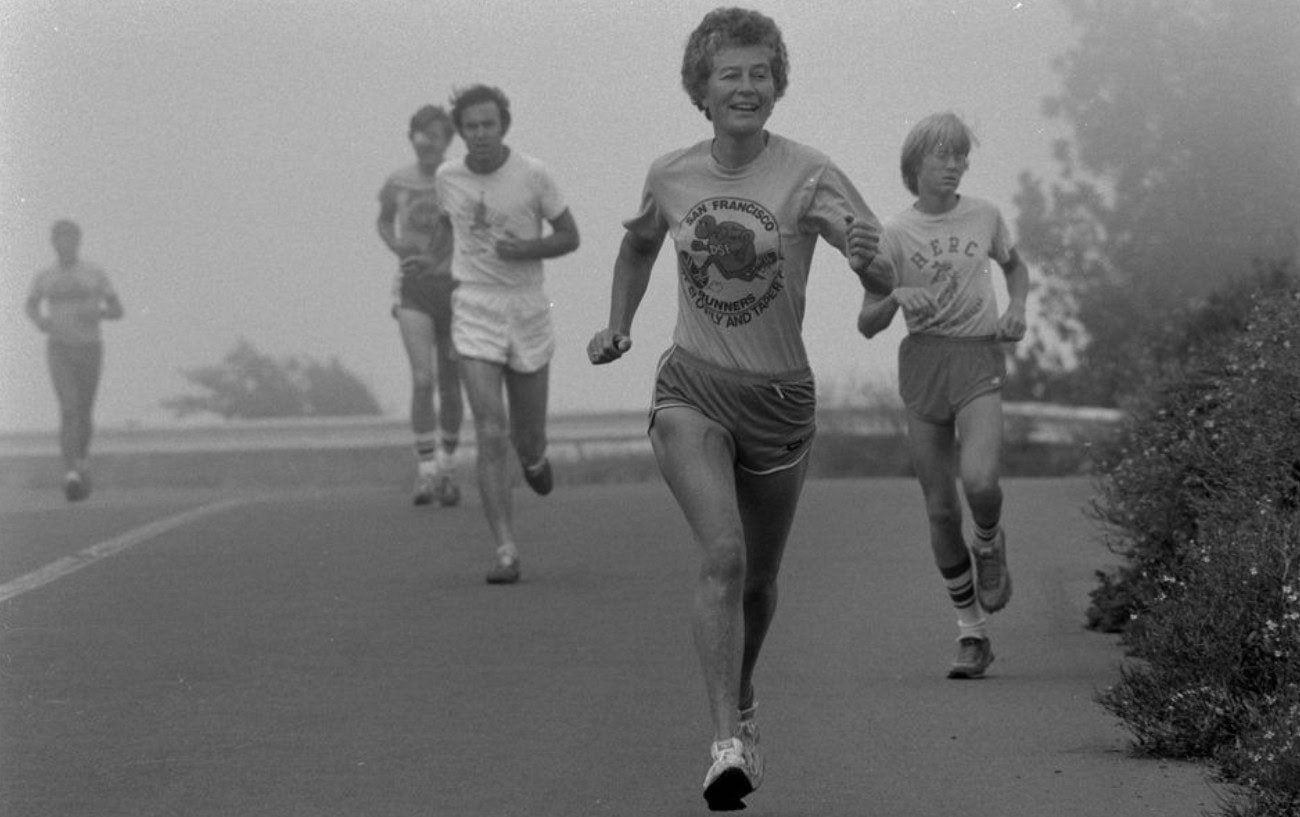
Sister Marion Irvine defied expectations in every way. She began running at 48, qualified for the 1984 U.S. Olympic Marathon Trials at 54, and became a symbol of both athletic potential in later life and the power of purpose-driven discipline.
Her story remains one of the most remarkable intersections of faith and endurance sport.
What’s happening
Irvine died Aug. 30 at the Dominican Convent in San Rafael, Calif. She was 95.
Nicknamed “The Flying Nun,” she became the oldest person, male or female, to ever compete at the U.S. Olympic Marathon Trials, running a 2:51:01 marathon at age 54.
That performance came just six years after she took up running, following decades of sedentary living, chain smoking, and yo-yo dieting.
The big picture
Irvine’s life upended cultural expectations about age, ability, and identity. As a nun in a cloistered religious order, she was an unlikely national sports figure in the 1980s, gracing magazine covers, starring in the documentary Silver into Gold, and receiving a Nike sponsorship.
Despite the attention, she stayed rooted in her religious calling. Her training was structured around convent life, with early-morning miles after prayer and evening runs following long days of teaching and school administration.
“I thank God for that gift,” she often said of her running ability. But more than talent, it was discipline that shaped her success.
By the numbers
- 2:51:01 — her marathon personal best, set at age 54
- 85 miles/week — peak training volume, while working full-time
- 5 gold medals — won at the 1989 World Masters Championships
- 19:32 — her 5,000m time at age 60
- 3:02 — her debut marathon in 1980, after hitting the wall at mile 23
Early life
Born in San Francisco in 1929, Irvine entered the Dominican Order at age 17 and took the name Sister Bonaventura.
She worked as a teacher, principal, and Catholic school administrator for decades. Physical activity was largely discouraged in her community, especially for women, until a niece convinced her to try jogging.
Within months, she was clocking 7-minute miles.
Breaking barriers
Her success reshaped perceptions about aging athletes, especially women. At a time when female distance running was still fighting for legitimacy, she became a role model and proof that it’s never too late to start.
At the 1989 World Masters Championships in Eugene, Ore., she dominated age-group competition with performances that remain competitive today:
- 5:25 in the 1,500m
- Sub-40 in the 10K
- 19:32 in the 5,000m
Beyond running
After breaking her leg in a fall in 1989, she stepped away from elite racing but remained a visible, joyful presence at running events.
She also turned to activism, protesting the Iraq War, opposing the death penalty, and even risking arrest outside prisons.
In her later years, she took up indoor rowing to stay fit and continued attending Olympic Trials and races as a fan.
“God expects us to be the best person we can be,” she said in a 2010 interview, an ethos she lived out fully.
Legacy
Sister Marion Irvine wasn’t just fast, she was fearless. She proved that athletic excellence and religious devotion weren’t mutually exclusive, and that growing older can mean growing bolder.
She is survived by her Dominican community, countless former students, and generations of runners, especially older women, who saw in her a reason to begin again.