


Strava has confidentially filed for an initial public offering (IPO) and hired Goldman Sachs to lead the process, according to reporting published this week by The Information and confirmed by Reuters.
The San Francisco–based fitness platform has reportedly begun meeting with potential investors and could go public as soon as this spring.
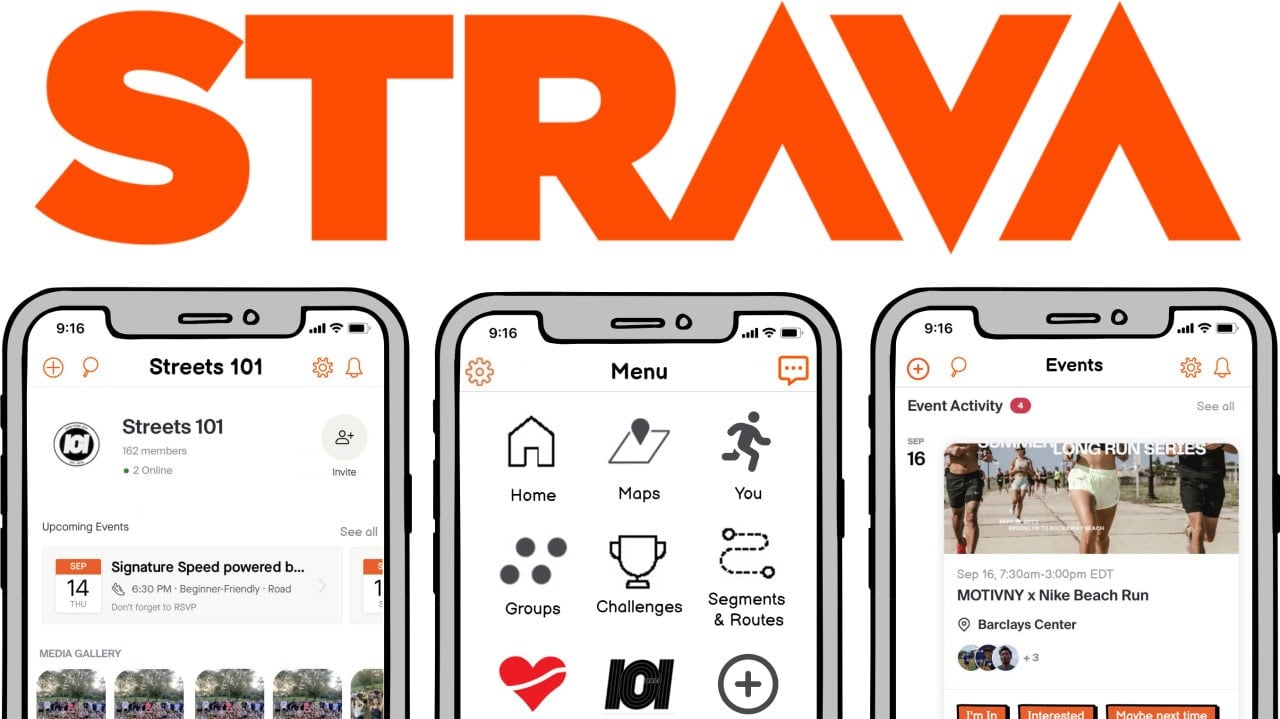
Founded in 2009, Strava has spent more than a decade operating as a private company while becoming the social media platform for runners. The app combines GPS-based activity tracking with social features, allowing runners to log workouts, share performances, and compare results with friends and rivals.
According to The Information, Strava’s revenue grew by more than 50 percent last year and reached profitability.
Now, even with that growth, it actually remains relatively small by public-market standards, with less than $500 million in annual revenue. The company was valued at $2.2 billion, including debt, in a funding round completed last spring, a round that included longtime backers Sequoia Capital and TCV.

Looking back, Strava’s moves over the last year suggest it has been laying the groundwork for this moment. Last year, the company acquired Runna, a UK-based running coaching app, as well as the core assets of cycling training platform The Breakaway, signaling a push beyond activity tracking and deeper into training and coaching.
The company has also bolstered its leadership team.
Matt Anderson, hired as chief financial officer last summer, previously helped guide Nextdoor through its IPO and worked on corporate finance at Block during its 2015 listing. Earlier this month, Strava added former Peloton CEO Barry McCarthy to its board. McCarthy also served as CFO at Spotify and Netflix.
CEO Michael Martin has previously said that going public would give Strava easier access to capital, particularly if it wants to pursue larger acquisitions, but he has not shared a specific timeline for any of that.

For users, an IPO introduces familiar questions. Public companies face different growth pressures, which can result in changes to subscription pricing, feature development, and long-term priorities.
Strava has so far avoided heavy advertising and aggressive data monetization, choices that have helped it maintain trust within the running and cycling communities.
Strava says it now has more than 150 million users across 185 countries. Now, only time will tell whether it can balance that global community with the demands of public investors when it officially enters the market.
RunClub
Get more running stories — join RunClub
Daily running news, a community of 300,000+ runners, free training plans for every distance, and a daily running game. Free to join — no card.
Already a member? Log in →












Start the conversation