


The Marathon Project returns this weekend in Chandler, Arizona, marking the event’s first edition since 2020. The original race was built for a specific moment, empty roads, controlled conditions, and a small group of elites chasing times during the height of the pandemic. This version arrives under very different circumstances.
In 2025, the marathon is no longer fighting for relevance. Participation is up, major races are securing long-term title sponsors, and younger runners are committing to the distance in growing numbers. Against that backdrop, The Marathon Project’s performance-first model feels less like an experiment and more like a reflection of where the sport has landed.
This weekend’s race pairs a professional elite field with a tightly capped amateur “Gold Wave,” both designed around the same idea: fewer runners, fewer variables, and a better chance to run fast.
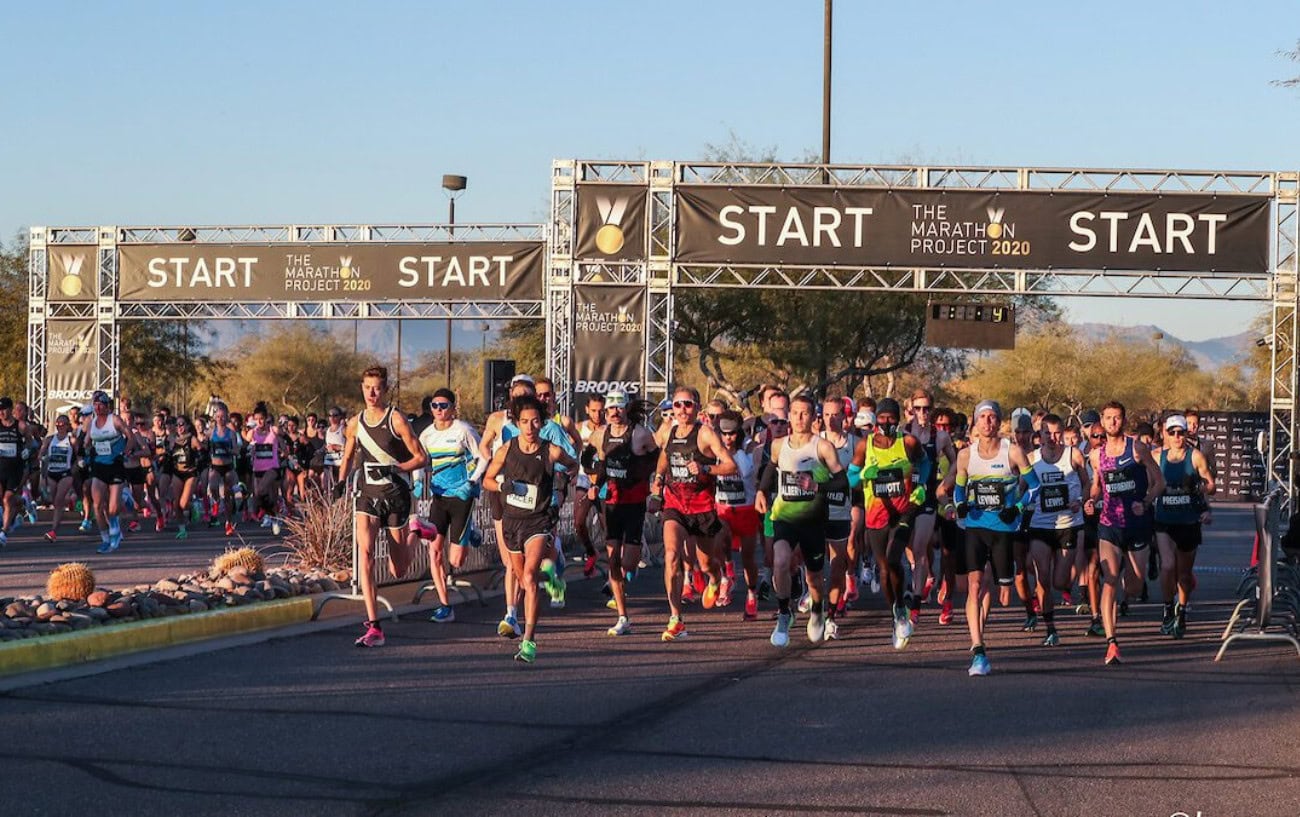
What Is The Marathon Project?
The Marathon Project is a performance-focused marathon built around a simple premise: remove as many variables as possible and give athletes a clean shot at running fast.
The race takes place on a six-loop, criterium-style course at Wild Horse Pass in Chandler, Arizona. Start and finish are in the same location. The course is flat, wide, and designed to minimize sharp turns and elevation change. December conditions in the Phoenix area are typically stable, with cool morning temperatures and low humidity, making it one of the more predictable weather windows on the U.S. marathon calendar.
That predictability is the point.
Unlike large city marathons, where logistics, congestion, and environmental factors often shape outcomes as much as fitness, The Marathon Project is built to reduce friction. Smaller fields mean less crowding. The looped format allows for consistent pacing and easier access to personal bottles.
The event first debuted in 2020, when those features were necessities rather than luxuries. Roads were empty, crowds were absent, and elite racing needed a controlled environment to exist at all. In 2025, the same design remains, but its purpose has shifted.
The Marathon Project is no longer a workaround. It is a deliberate, almost luxurious, alternative.
The race features a professional elite field and a limited-entry amateur field known as the Gold Wave. Both races are run on the same course and organized around the same philosophy. Fewer runners and tighter standards.
For elite athletes, The Marathon Project offers a rare U.S.-based opportunity to chase fast times without the unpredictability that often comes with mass-participation events (think, Olympic Trials standard).
For sub-elites and serious amateurs, the Gold Wave provides access to a race environment that closely mirrors what professionals receive, from personal fluid stations to pacing support.
This structure is not designed to appeal to everyone, and it does not try to.
The Marathon Project is not an experience marathon. It is not a tourism event. It is not built around charity fundraising or mass spectacle. Its appeal is narrow by design, aimed at athletes who care less about the size of the crowd and more about the quality of the conditions.
That clarity is what separates it from most marathons on the U.S. calendar. The Marathon Project does not ask runners what the marathon should mean to them. It tells them exactly what it is offering, and leaves the decision there.
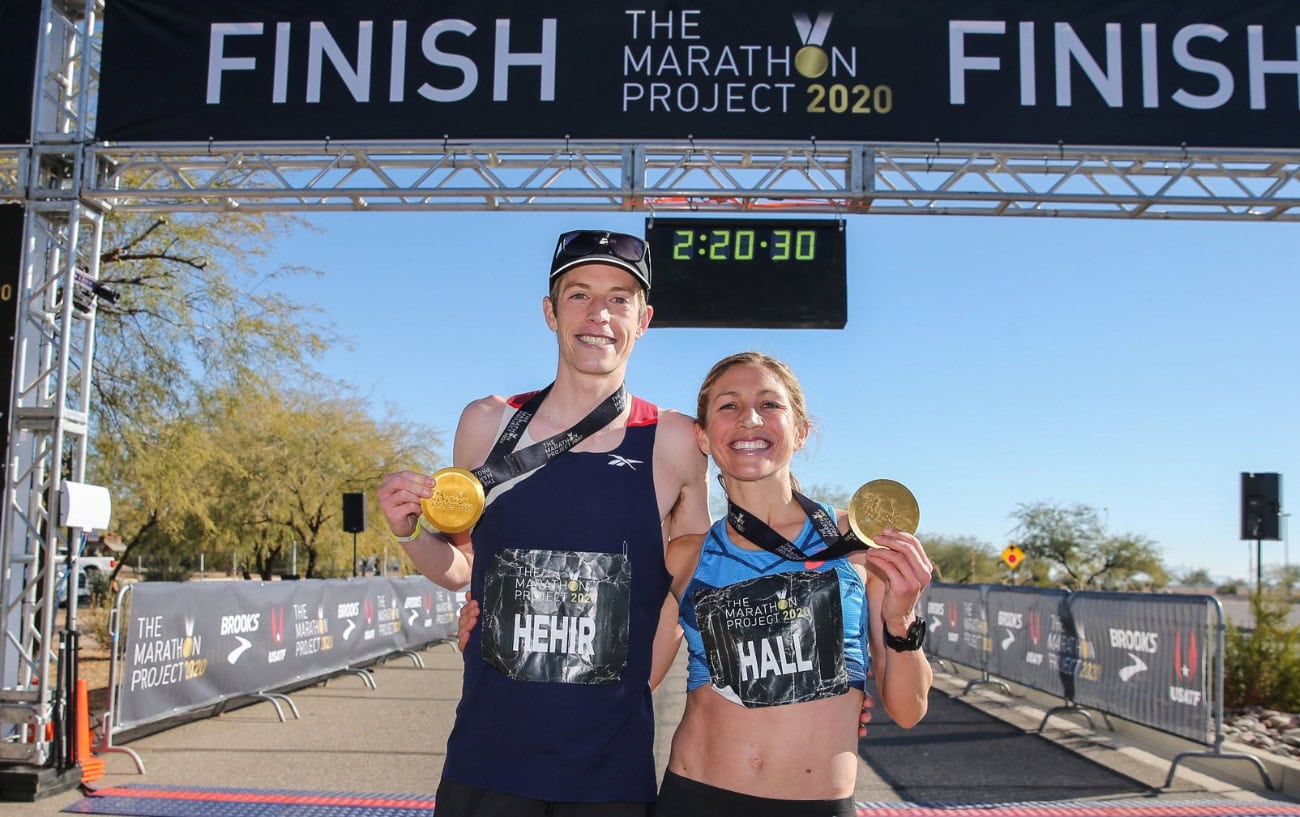
Men’s Elite Preview
The men’s field is deep rather than flashy, which is often where the most honest marathon racing happens. Brian Shrader enters with the fastest personal best, having run 2:09:46 at the 2023 Chicago Marathon and backed it up with consistent performances since. He is the standard-bearer on paper, but not a runaway favorite.
Paul Chelimo is the most recognizable name. A two-time Olympic medalist on the track, Chelimo is still early in his marathon career, with unfinished business after an Olympic Trials DNF and a marathon debut in Málaga last year. The Marathon Project offers a cleaner setting to see whether his range translates fully to the roads.
Canada’s Thomas Broatch, Germany’s Johannes Motschmann, and a cluster of sub-elite American and international runners capable of running close to 2:10 round out a field where density matters more than star power. This is a race where patience and pacing will decide the outcome.
Women’s Elite Preview
Kellyn Taylor headlines the women’s field with a personal best of 2:24:29. Known for her consistency, Taylor enters with the experience to manage a controlled race environment and the fitness to capitalize on it. With favorable conditions, she sits firmly on personal-best watch.
Paige Wood brings valuable course familiarity after racing here in 2020, when the event unfolded in near silence. This time, the atmosphere will be different, and that familiarity could matter late in the race.
One of the most intriguing entrants is Blanka Dörfel, the 23-year-old German making her marathon debut. With strong credentials over 10K and the half marathon, she represents the new generation stepping confidently into the distance, not as an experiment, but as a progression.

The Gold Wave and the Serious Amateur Shift
The Gold Wave may be the most revealing part of the weekend. Limited to 1,000 runners and selected by time, it offers what race organizers describe as a professional athlete experience. Indoor warmups. Personal bottles. Pace groups. A $500 entry fee. No age-group awards.
This is not accidental exclusivity. It reflects a growing segment of marathoners who care less about spectacle and more about conditions. They want space to run. Predictable logistics. A course that gives them a fair shot at a personal best. Many are willing to pay for it.
The model will not appeal to everyone, nor should it. But its popularity says something important about where marathon culture sits right now. For many runners, the race has become a craft, not just a checkbox.
Prize Money and Schedule
The professional race offers $10,000 to the winner and $5,000 for second place, modest by global standards but consistent with the event’s performance-first identity.
The professional race begins Sunday, December 21, at 9:15 a.m. ET, with the awards ceremony scheduled for 12:30 p.m. ET.
How to Watch
The Marathon Project 2025 will stream live on FloTrack. There is no national television broadcast, but subscribers will have access to live coverage and archived footage following the event.
RunClub
Get more running stories — join RunClub
Daily running news, a community of 300,000+ runners, free training plans for every distance, and a daily running game. Free to join — no card.
Already a member? Log in →







Start the conversation