


The California International Marathon, the point-to-point race from Folsom to the State Capitol, will double in size starting in 2027.
Visit Sacramento announced the expansion Wednesday at its annual State of Tourism event, as first reported by KCRA. The change depends on a deal with Union Pacific, whose freight trains run along the race route. According to the Sacramento Bee, Union Pacific has agreed to delay its schedule long enough for organizers to add a second wave and stretch the time limit on the course.
The December 2026 race will run as it has for the past 42 years. The bigger field arrives the year after.
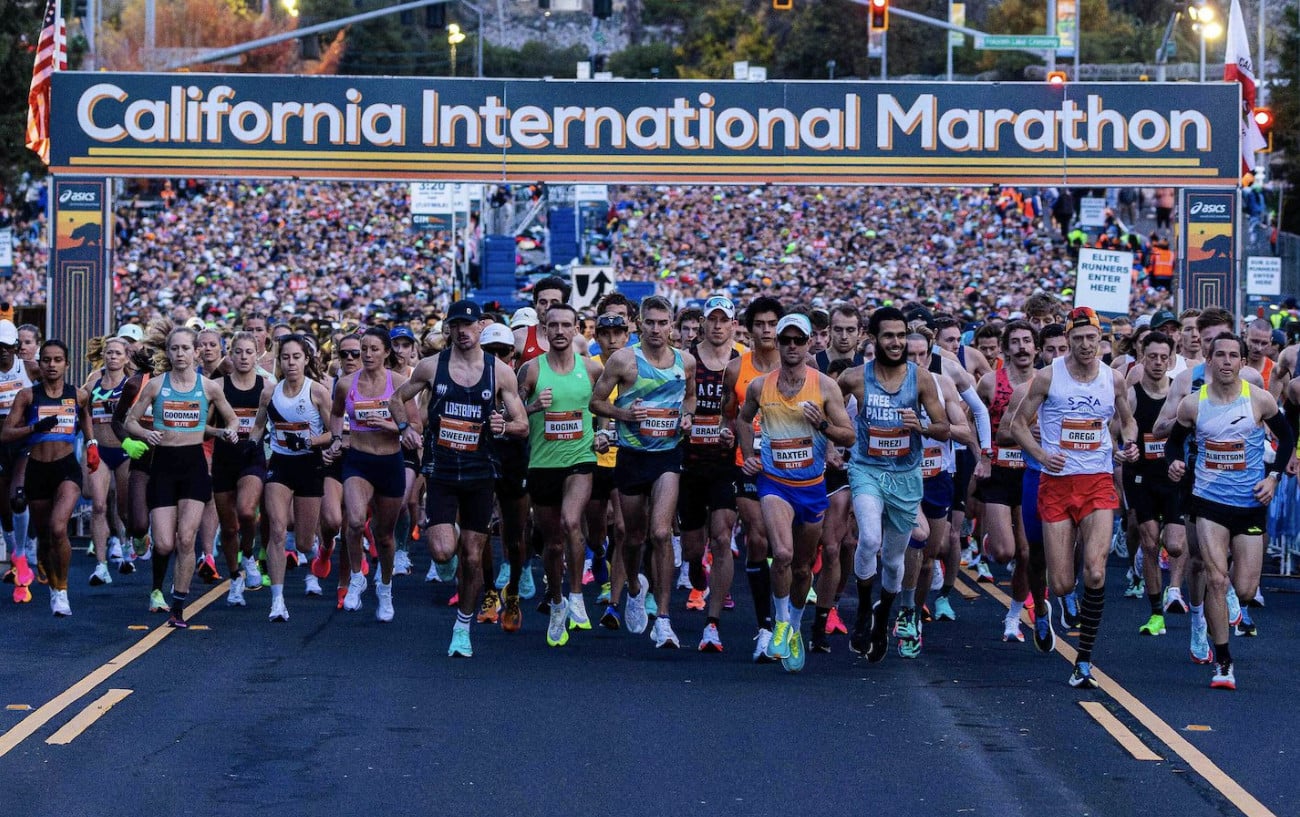
A race that keeps selling out earlier
CIM started more than 40 years ago with fewer than 2,000 runners. It now registers 10,000 athletes annually, and demand keeps climbing.
“It’s grown so much in popularity. It used to sell out in July. This year, it sold out in February with 6,000 runners on the list before they cut that off,” Mike Testa, president and CEO of Visit Sacramento, told KCRA.
Scott Abbott, CIM’s executive director, said the expansion could move the race into the top five marathons in the country by size.
“Maybe only behind, you know, the major marathons — Boston, New York, Chicago, Los Angeles, and then Sacramento,” Abbott said.
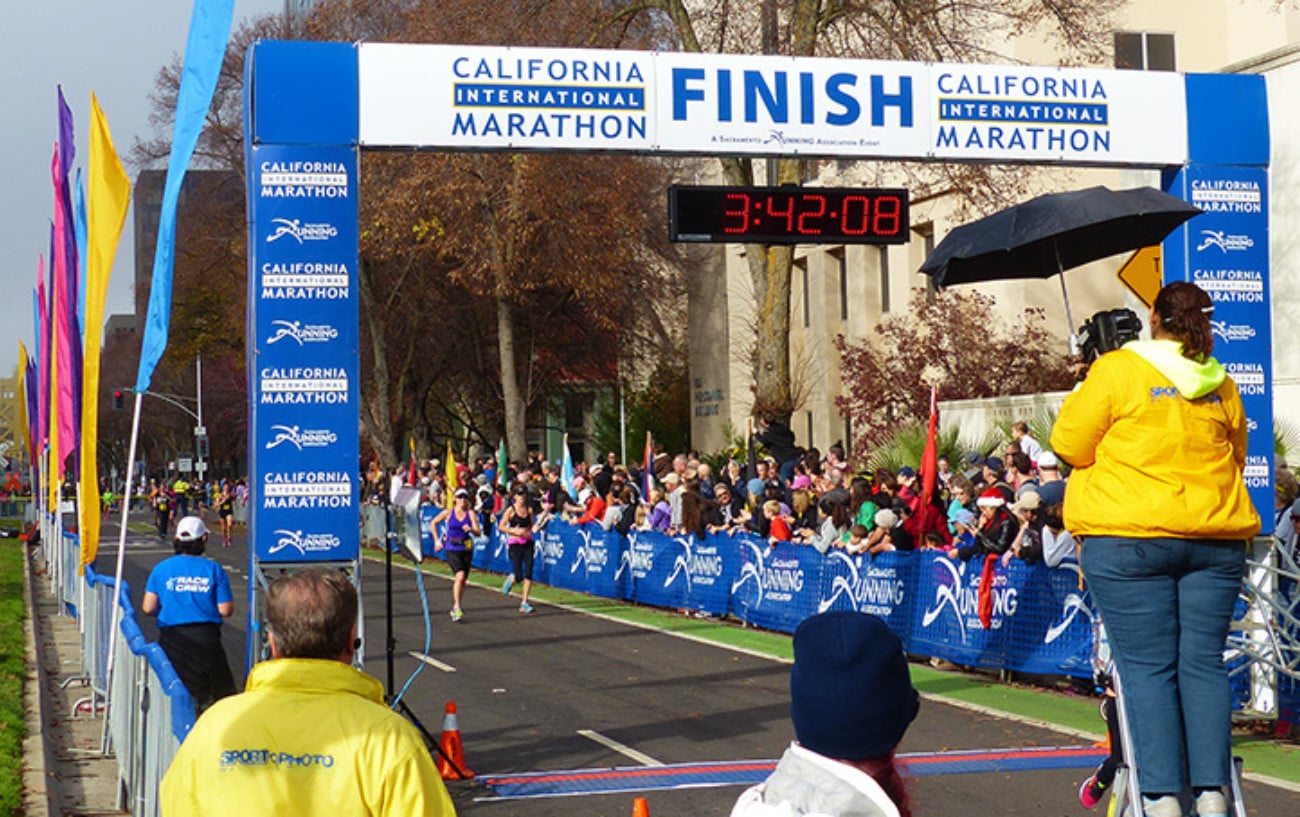
Why runners pick CIM
CIM has built its reputation on a fast course and a forgiving December climate in the Sacramento valley, qualities that also land it on most best fall marathon lists. Per FindMyMarathon’s course data, the route has a net elevation drop of 366 feet, which keeps it within the Boston Marathon’s downhill course standards and means qualifying times are not subject to any adjustment. The first half rolls; the second half flattens out.
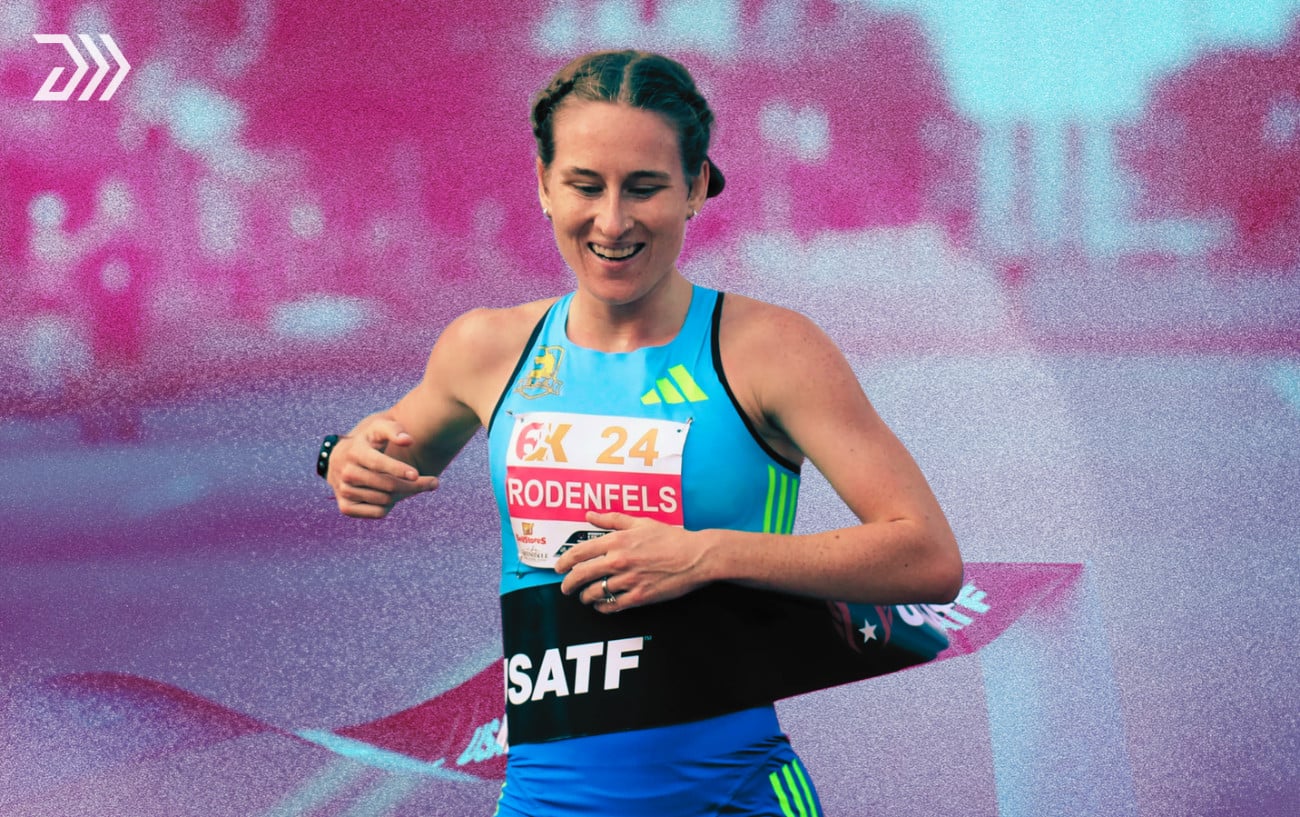
That profile shows up in the qualifying numbers. FindMyMarathon’s 2026 BQ rankings show that 30.2% of CIM finishers ran a Boston-qualifying time in 2025, up from 24.8% the year before. That matters more than it used to: the 2026 Boston standards tightened by five minutes for most age groups, and recent races have seen cutoffs well under the published times. CIM also serves as a USATF marathon championship.
“You got a really fast course. People come and are trying to get Boston qualifiers, personal bests. We have the number one Olympic Trials qualifying marathon in the world,” Abbott told KCRA.
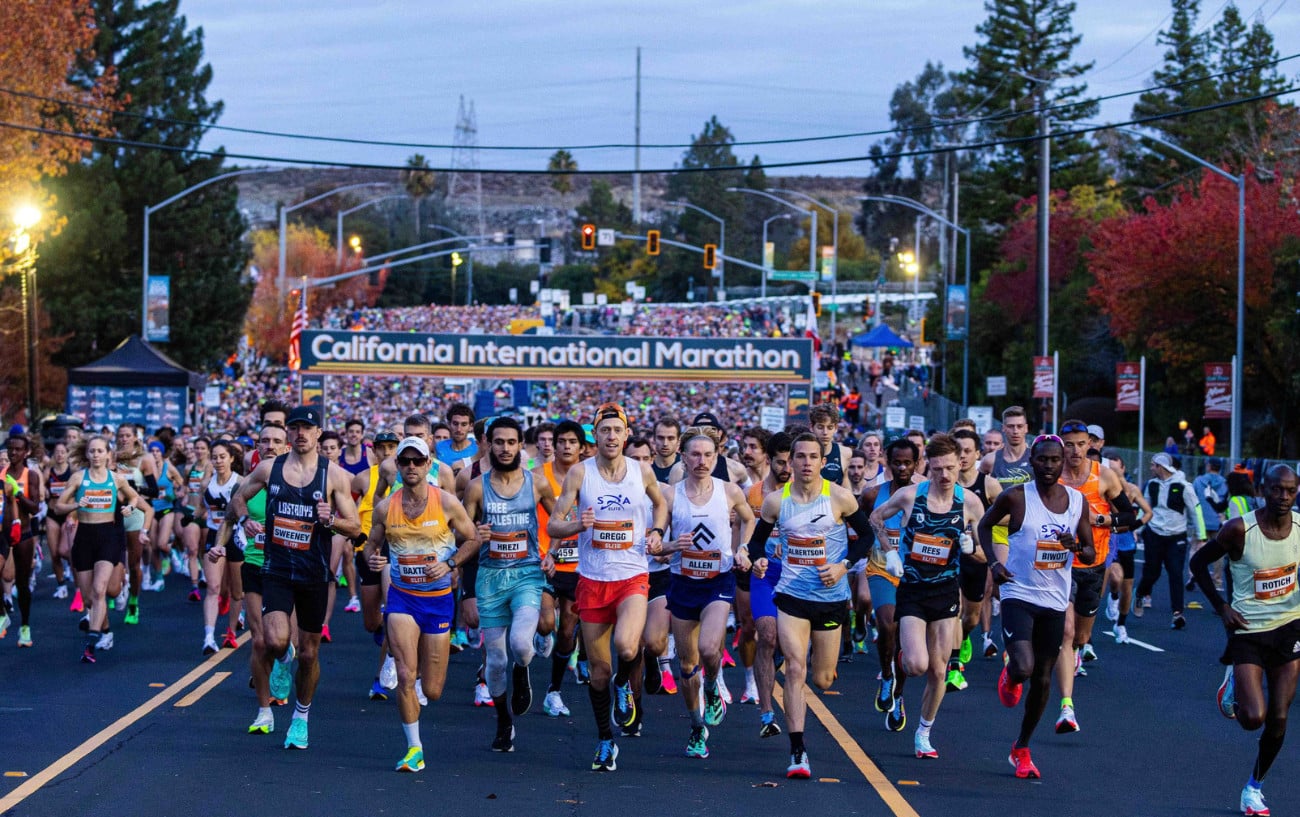
The new cutoff matters
Two things change in 2027. The first is the wave start, which is what makes the larger field possible. The second is the cutoff. CIM has long held a strict six-hour time limit, partly because runners had to clear the course before scheduled trains. With Union Pacific holding trains longer, the cutoff moves to at least six hours and 45 minutes. Road closures stretch 45 minutes to an hour later than before.
For back-of-the-pack runners, that is the headline. CIM’s six-hour cap has pulled trained marathoners off the course before they could finish.
“You certainly have the pros and the die-hards who are going to be at the front of the pack. But then you have a lot of people who just want to say they’ve done a marathon, but they train really hard for that. To be pulled off the course because of a time limit, it has to be heart-wrenching,” Testa said.
A 6:45 cutoff still sits below the seven- and eight-hour limits at New York or Honolulu, but it opens the start line to a much wider range of paces and pulls CIM closer to the field of races regulars put on their bucket list.
RunClub
Get more running stories — join RunClub
Daily running news, a community of 300,000+ runners, free training plans for every distance, and a daily running game. Free to join — no card.
Already a member? Log in →








Start the conversation