


Update — 27 April 2026: Since this article was published, Sabastian Sawe became the first man to officially run a marathon under two hours, clocking 1:59:30 at the 2026 London Marathon to break Kelvin Kiptum’s previous men’s world record (2:00:35) by 65 seconds.
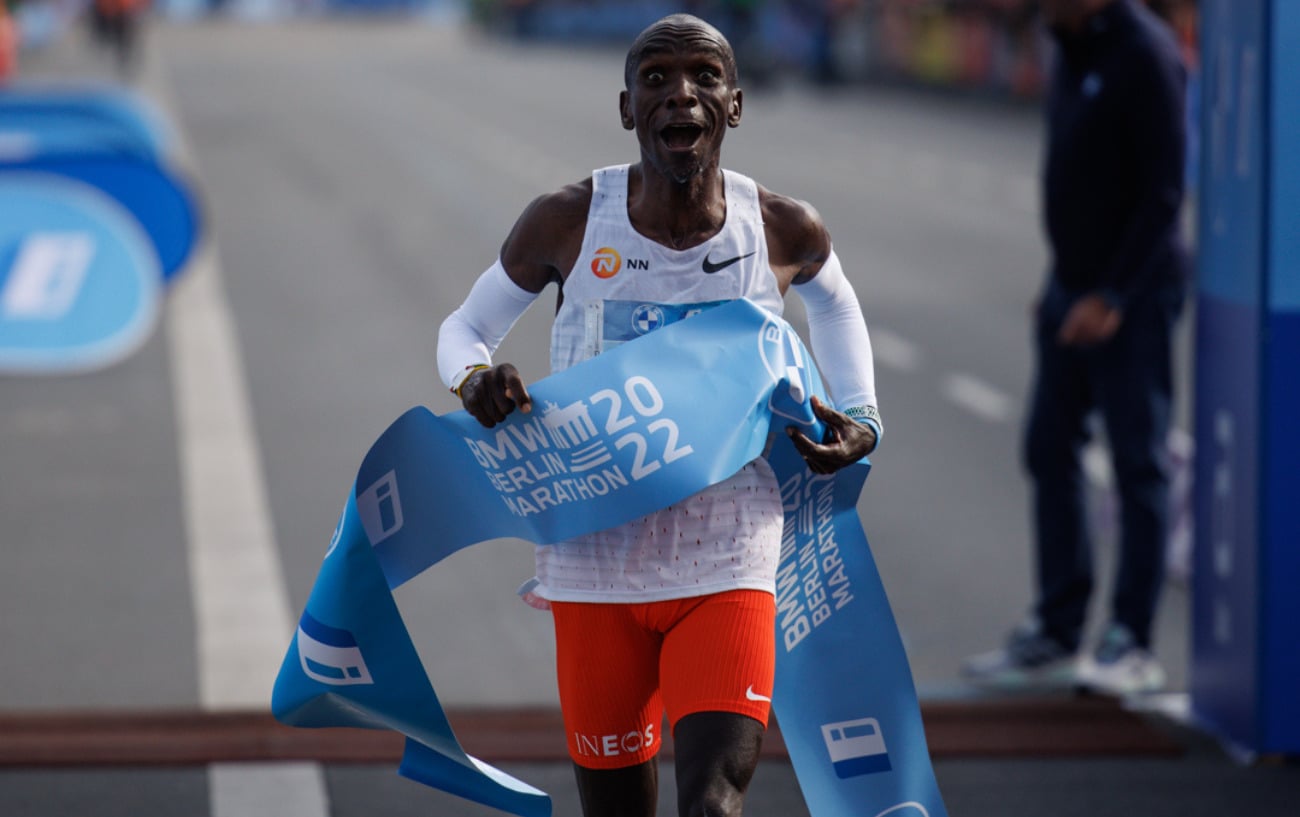
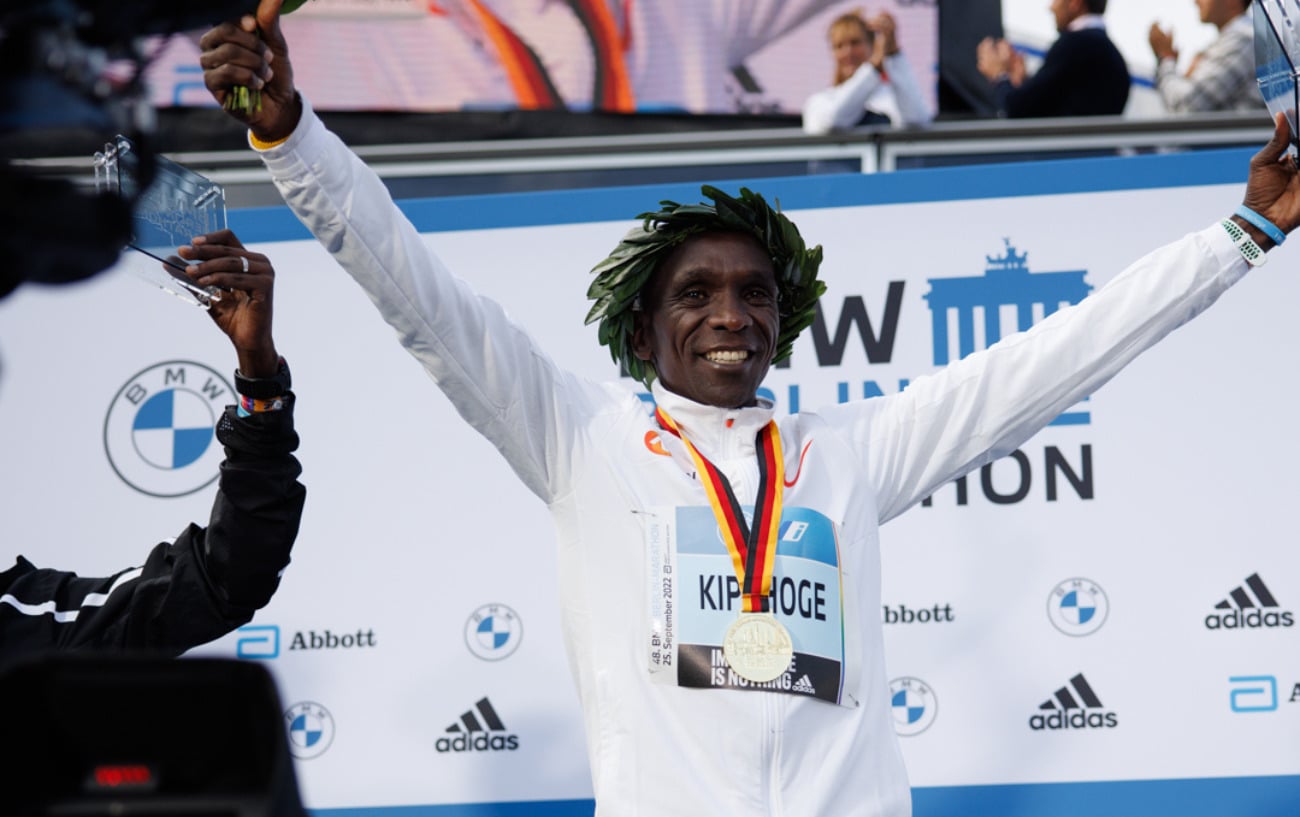
When Eliud Kipchoge crossed the finish line at the 2022 Berlin Marathon, setting what was then a new world record of 2:01:09, he didn’t just make history. He walked away with an estimated $113,000 in race prize money and time bonuses alone — before his shoe contract and appearance fee were even factored in.
That single afternoon in Berlin sums up how lucrative the World Marathon Majors circuit has become. What began in 2006 as a five-race series has expanded to seven confirmed events, with two more cities — Cape Town and Shanghai — in candidacy. The total prize money on offer across all nine races now exceeds $6 million per year.
We went through the winners’ lists and prize structures of every race from 2006 to 2025 — the full span of the WMM era — to figure out who has actually banked the most. The results reveal a sport that has made a small number of Kenyan and Ethiopian runners genuinely wealthy — and one German woman who most casual running fans have probably never heard of.
What the Nine Races Actually Pay
The gap between the most generous race and the least is significant. Boston pays the highest individual winner’s check at $150,000, with an additional $50,000 course record bonus available per gender — a figure that hasn’t changed since around 2012. London’s first-place prize is a confirmed £44,000 (~$55,000), but its bonus structure makes it the race where record-breakers earn the most in a single day.
Chicago and New York both pay $100,000 to the winner. Tokyo pays $80,000, with an extraordinary $200,000 world record bonus. Berlin pays €30,000 (~$33,000) for first place, though time bonuses can lift the total payout to €60,000 or more for fast finishes. Sydney, which joined the Majors in 2025, has not publicly confirmed its international elite prize structure, though estimates put the winner’s check at $55,000–$100,000.
| Race | Status | 1st Place | 2nd Place | 3rd Place | Course Record Bonus | World Record Bonus | Notable Time Bonus |
|---|---|---|---|---|---|---|---|
| Boston Marathon | Major | $150,000 | $75,000 | $40,000 | $50,000 | $50,000 (via CR bonus) | — |
| London Marathon | Major | £44,000 (~$55,000) | £23,100 (~$30,000) | £17,400 (~$22,500) | £19,300 (~$25,000) | £96,500 (~$125,000) | £115,900 (~$150,000) for men sub-2:02; ~£79,000 (~$100,000) for women sub-2:16 |
| Berlin Marathon | Major | €30,000 (~$33,000) | ~$25,500 | ~$12,500 | — | €50,000 (~$55,000) | €30,000 & €15,000 time bonuses |
| Chicago Marathon | Major | $100,000 | $75,000 | $50,000 | $50,000 | $50,000 (via CR bonus) | — |
| New York City Marathon | Major | $100,000 | $60,000 | $40,000 | $50,000 | $50,000 (via CR bonus) | — |
| Tokyo Marathon | Major | $80,000 | $30,000 | $15,000 | $20,000 | $200,000 | — |
| Sydney Marathon | Major (from 2025) | ~$55,000–$100,000* | TBC | TBC | ~$10,000 | TBC | — |
| Cape Town Marathon | Candidate | $25,000 | $15,000 | $10,000 | $15,000 | TBC | — |
| Shanghai Marathon | Candidate | ~$50,000+ | TBC | TBC | ~$10,000 | $100,000 | — |
*Sydney’s international elite prize structure for 2025 was not publicly confirmed by race organisers ahead of or after race day. All other figures sourced from official race prize documentation. USD equivalents for GBP and EUR amounts are approximate at current exchange rates.
Home Country Prizes: The Hidden Extra
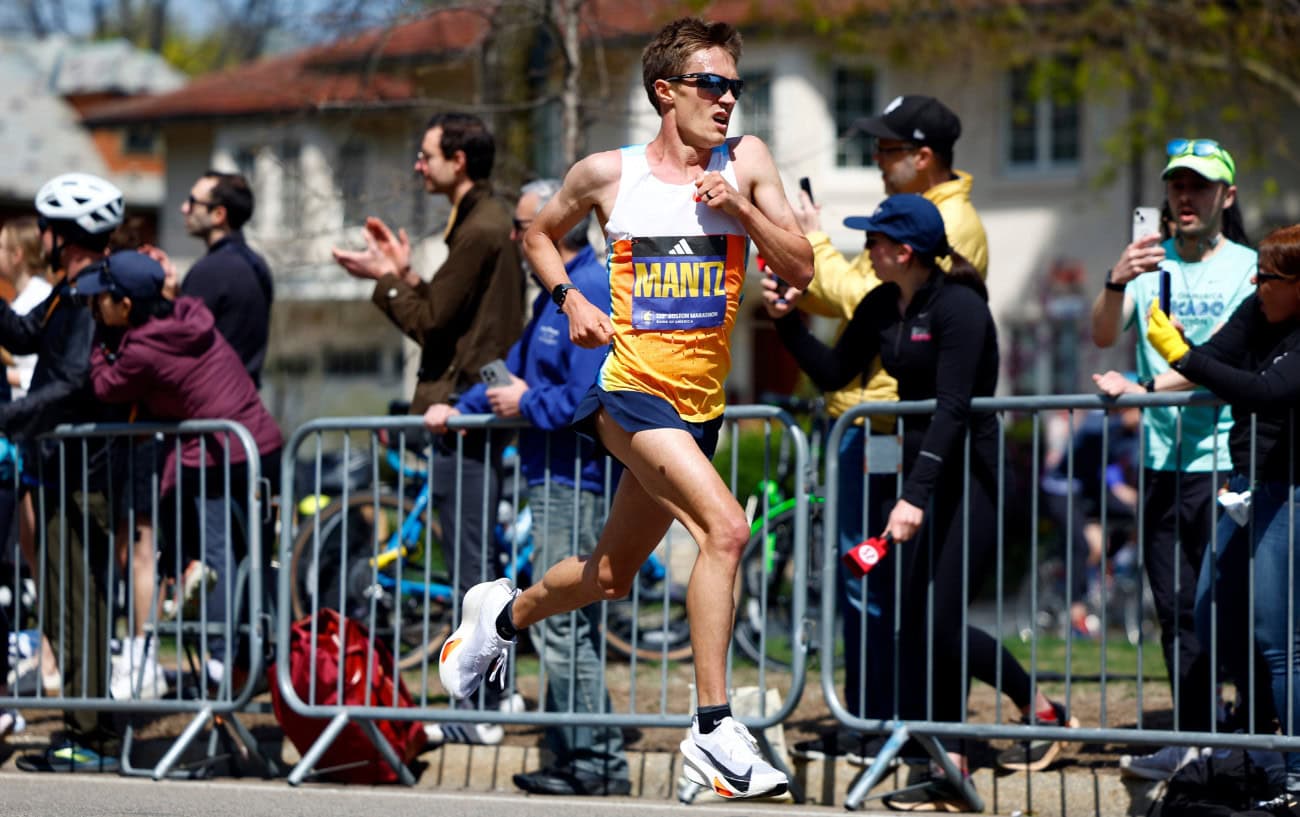
Several races run a parallel prize structure for domestic athletes — a separate cheque that goes to the top local finisher regardless of their overall position. It’s a meaningful incentive that rarely gets mentioned in race coverage.
New York City Marathon has the most generous domestic prize pool of any major. The race sets aside $118,000 specifically for the top five American finishers in each gender. The top American man and woman each earn $25,000 on top of any prize money from their overall finishing position, with the next Americans earning $15,000, $10,000, $7,500, and $5,000 respectively. An American who finishes sixth overall, for example, could pocket $10,000 (place prize) plus $25,000 (top American bonus) — $35,000 in total.
Chicago Marathon pays $15,000 to the top American finisher in both the men’s and women’s races, on top of any standard place prize they earn. It’s smaller than New York’s scheme but consistent across genders.
Boston Marathon does not offer a separate bonus for American runners. US athletes compete for the same prize pool as everyone else based on finishing position only.
Sydney Marathon has the most structured domestic programme of any race on the circuit. The 2025 inaugural edition set aside $135,000 AUD exclusively for Australian athletes — the largest domestic prize pool in Australian marathon history. Australian place prizes run from $30,000 AUD for first to $10,000 AUD for third, with an additional $10,000 AUD bonus for any runner who breaks the Australian marathon record.
Tokyo Marathon offers a ¥5,000,000 (~$33,000 USD) bonus to any Japanese runner who sets a new national record — a meaningful incentive, particularly given the Japanese marathon scene’s fierce domestic competition for Olympic and World Championships selection spots.
Berlin Marathon and London Marathon do not appear to offer separate domestic prizes for German or British runners respectively. At both races, all athletes compete for the same prize pool regardless of nationality.

The Bonus That Changed Everything
Individual race prizes tell only part of the story. Since the WMM circuit launched its annual series in 2006, it has paid a season-long bonus to whoever accumulates the most points across all the races. That bonus was $250,000 — per gender — for the first ten series. It dropped to $50,000 (first place) from Series XI onward, with $25,000 for second and $12,500 for third in 2022.
For any athlete who can string together two or three major wins in a single season, the series prize can dwarf what they earned at any individual race. It is the circuit’s single biggest cheque.
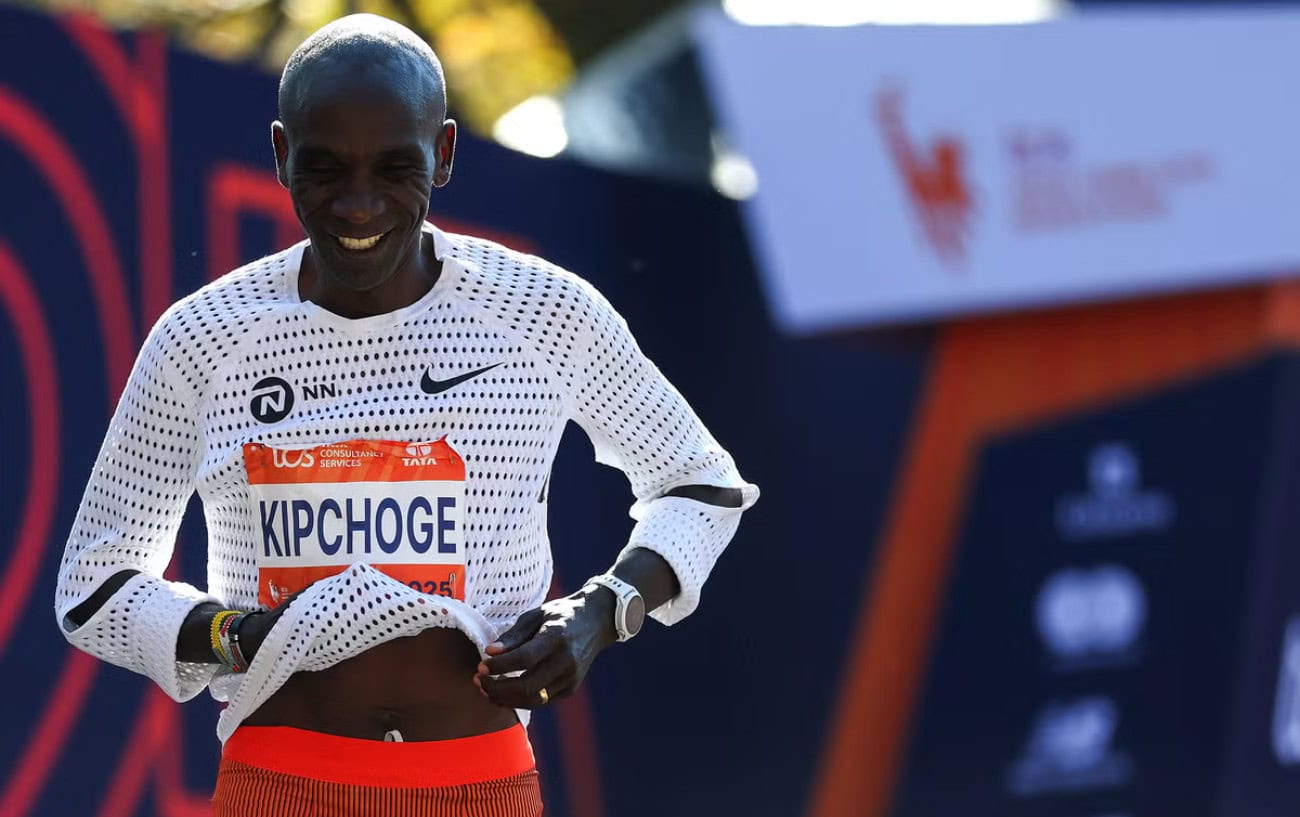
Eliud Kipchoge has claimed the men’s series title five times — in 2016, 2017, 2018, 2019, and 2022.
The All-Time Earnings Database
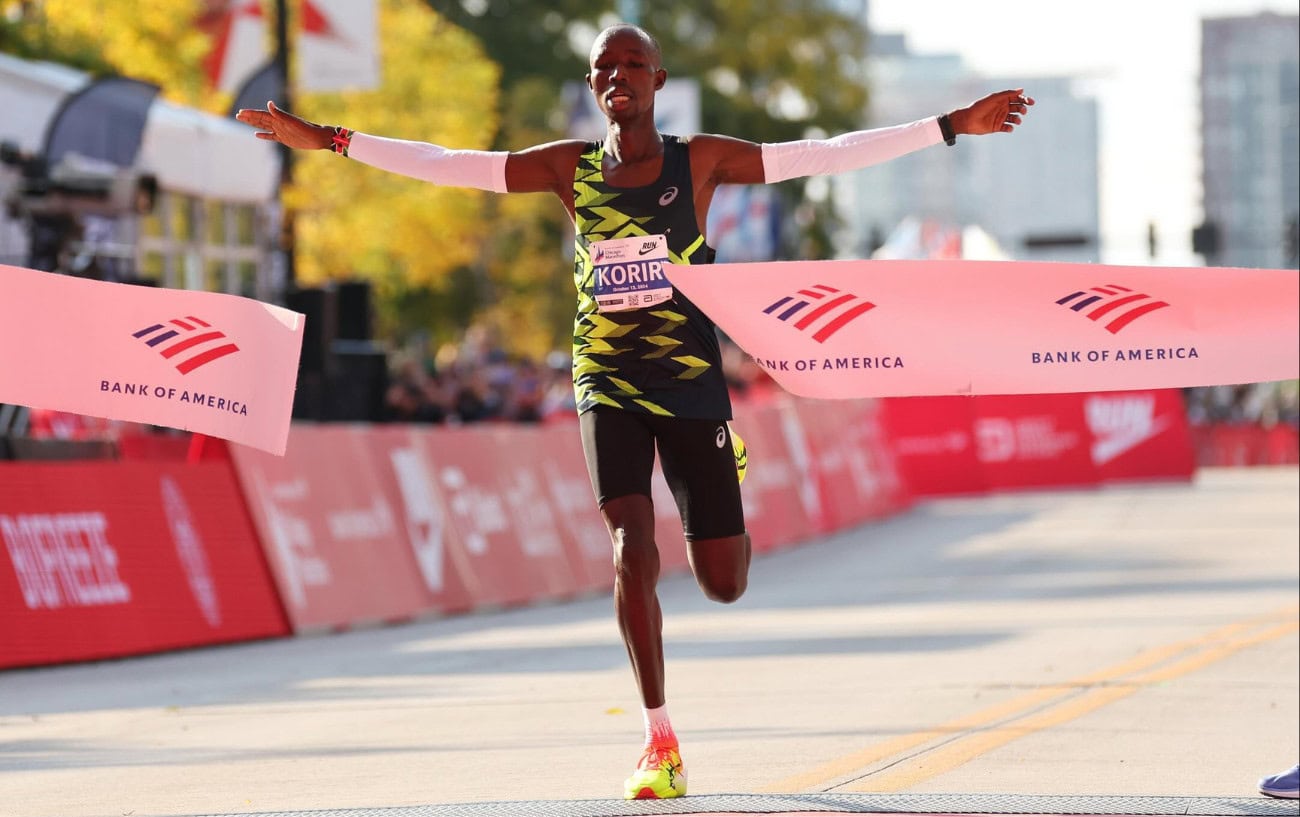
What follows is our best estimate of total prize earnings from WMM-circuit races and the annual series bonus for the sport’s biggest earners across the WMM era: 2006 to 2025. These figures cover publicly documented race prize structures and known wins only. They do not include appearance fees, shoe company bonuses, or non-WMM races. Appearance fees at the majors can reach $150,000 per race for elite invitees — meaning the real numbers are substantially higher. Think of these as a floor, not a ceiling.
Note: runners who achieved most of their wins before the WMM launched in 2006 — including Paula Radcliffe and Catherine Ndereba at their peak — appear here only with their post-2006 results counted.
Men
| # | Athlete | Country | WMM-Era Race Wins (2006–2025) | WMM Series Titles | Est. Total Prize Earnings* |
|---|---|---|---|---|---|
| 1 | Eliud Kipchoge | Kenya | 11 wins: Chicago ’14, London ’15 ’16 ’18 ’19, Berlin ’15 ’17 ’18 ’22 ’23, Tokyo ’21 | 5× (2016–19, 2022) | ~$2.1M–$2.5M |
| 2 | Sammy Wanjiru † | Kenya | 3 wins: London ’09, Chicago ’09 ’10 | 2× (Series III & IV) | ~$1.15M–$1.3M |
| 3 | Robert K. Cheruiyot | Kenya | 3 wins: Boston ’06 ’07 ’08 | 1× (Series I) | ~$750K–$850K |
| 4 | Martin Lel | Kenya | 4 wins: London ’07 ’08, NYC ’07 ’08 | 1× (Series II) | ~$700K–$800K |
| 5 | Emmanuel Mutai | Kenya | 2 wins: London ’11, NYC ’11 | 1× (Series V) | ~$600K–$650K |
| 6 | Kelvin Kiptum † | Kenya | 2 wins: London ’23 (sub-2:02 time bonus), Chicago ’23 (WR 2:00:35) | 1× (Series XV) | ~$575K–$675K |
| 7 | Wilson Kipsang | Kenya | 3 wins: London ’12, Berlin ’12 (WR), NYC ’13 | — | ~$300K–$375K |
| 8 | Haile Gebrselassie | Ethiopia | 4 wins: Berlin ’06, ’07 (WR 2:04:26), ’08 (WR 2:03:59), London ’09 | — | ~$350K–$450K |
| 9 | Geoffrey Mutai | Kenya | 2 wins: Boston ’11, NYC ’11 | — | ~$200K–$250K |
| 10 | Dennis Kimetto | Kenya | 2 wins: Chicago ’13, Berlin ’14 (WR 2:02:57) | — | ~$200K–$250K |

Women
| # | Athlete | Country | WMM-Era Race Wins (2006–2025) | WMM Series Titles | Est. Total Prize Earnings* |
|---|---|---|---|---|---|
| 1 | Mary Keitany | Kenya | 7 wins: NYC ’11 ’12 ’14 ’18, London ’11 ’12 ’17 | 2× (est. Series VI & VIII) | ~$1.6M–$2.0M |
| 2 | Irina Mikitenko | Germany | 3 wins: Berlin ’08, London ’08 ’09 | 3× (Series II, III & IV)* | ~$1.5M–$1.7M |
| 3 | Edna Kiplagat | Kenya | 5 wins: NYC ’10 ’11, Boston ’17, London ’14 ’16 | 1× (Series V) | ~$750K–$900K |
| 4 | Gete Wami | Ethiopia | 2 wins: Berlin ’06 ’07; 2nd place NYC ’06 | 1× (Series I) | ~$575K–$650K |
| 5 | Tigist Assefa | Ethiopia | 3 wins: Berlin ’22, ’23 (WR 2:11:53), London ’25 (WR $305K confirmed) | 1× (Series XV) | ~$700K–$800K |
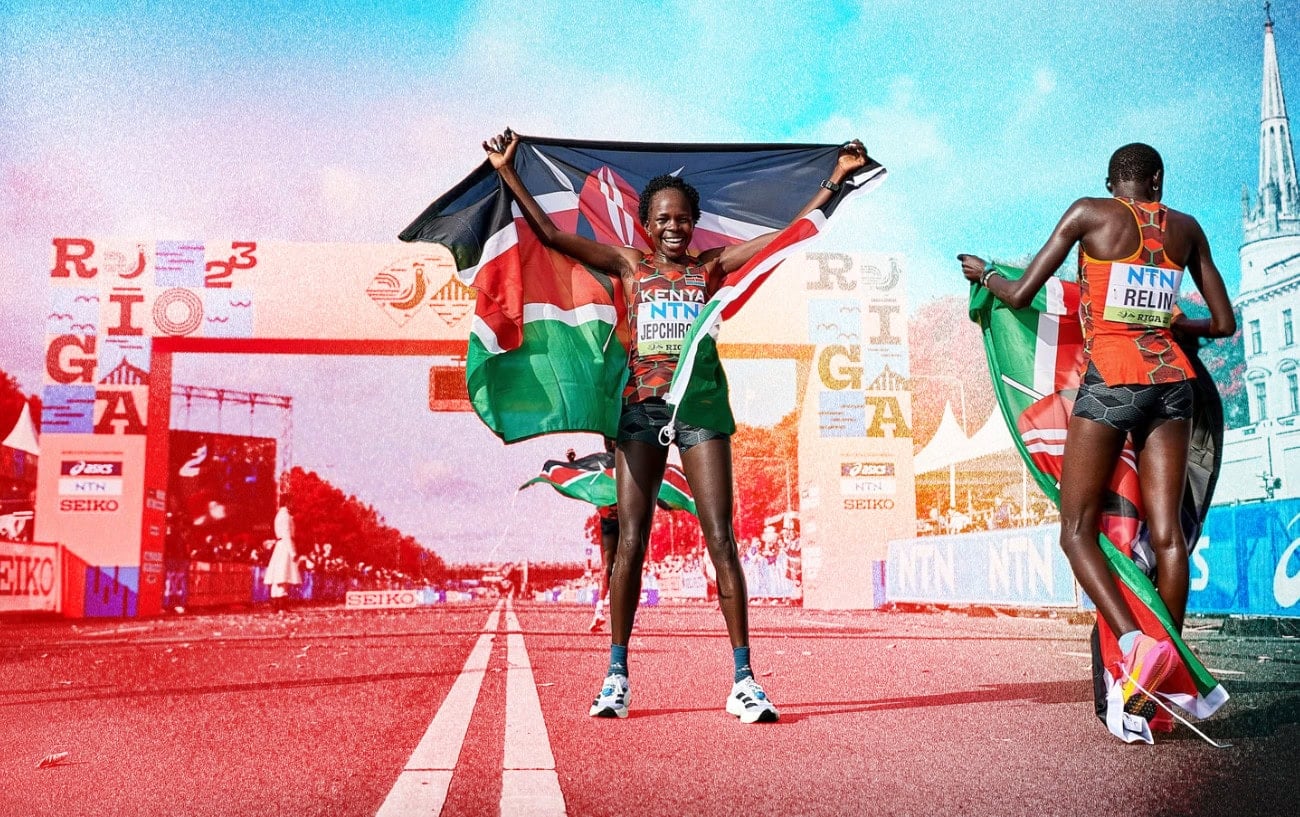
| 6 | Peres Jepchirchir | Kenya | 3 wins: NYC ’21, Boston ’22, London ’24 | 1× (est. Series XIV) | ~$500K–$600K |
| 7 | Brigid Kosgei | Kenya | 4 wins: London ’19 ’20, Chicago ’19 (WR 2:14:04), Tokyo ’22 | — | ~$450K–$550K |
| 8 | Sifan Hassan | Netherlands | 3 wins: London ’23, Chicago ’23 (CR), Sydney ’25 (CR) | 1× (Series XV) | ~$450K–$575K |
| 9 | Ruth Chepngetich ⚠ | Kenya | 3 wins: Chicago ’21 ’22 ’24 (WR 2:09:56) | — | ~$350K–$425K |
| 10 | Paula Radcliffe | Great Britain | 3 wins: NYC ’06 ’07 ’08 | — | ~$215K–$275K |
* Irina Mikitenko’s three consecutive series titles include Series IV, which was originally awarded to Liliya Shobukhova. Shobukhova was retrospectively banned for doping in 2014, with all results from October 2009 annulled. † Sammy Wanjiru died in May 2011, aged 24. Kelvin Kiptum died in a road accident in February 2024, aged 24. ⚠ Ruth Chepngetich was provisionally suspended in 2025 pending a doping investigation. Paula Radcliffe’s pre-2006 wins — including London 2002, 2003, 2005 and Chicago 2002, 2003 — fall outside the WMM era and are not counted here.
What the Numbers Don’t Show
Prize money is only part of the story. Appearance fees — the guaranteed payment an organizer makes to an elite athlete to secure their entry — are not publicly disclosed. For top-tier athletes like Kipchoge, those fees can run to $150,000 or more per race.
Shoe company bonuses for record-breaking performances add another layer. When Kipchoge broke his own world record in Berlin in 2022, Nike’s internal bonus structure — believed to include payments for sub-2:02 and world record performances — would have produced additional income that no public figure captures.
For the runners at the very top — Kipchoge and Keitany most obviously — career prize earnings from the majors alone likely exceeded $2 million. That’s before a single appearance fee or sponsorship deal is counted.
All prize money figures are estimates based on publicly available race prize structures and confirmed race results. London prize money confirmed via TCS London Marathon official awards and bonuses page. WMM-era wins are defined as races held from 2006 onward. Appearance fees, shoe company bonuses, and non-WMM race earnings are excluded. USD equivalents for sterling and euro amounts are approximate.
RunClub
Get more running stories — join RunClub
Daily running news, a community of 300,000+ runners, free training plans for every distance, and a daily running game. Free to join — no card.
Already a member? Log in →






Start the conversation