


Professional cyclists are not supposed to run. It is high-impact, it carries an injury risk their contracts can’t afford, and it does nothing for the one number that matters on the bike. And yet a surprising number of them lace up anyway, mostly in the dead of winter, some of them fast enough to embarrass a club runner.
So we went looking. We screened all 184 riders in the 2026 Tour de France against news and interview coverage, then opened the Strava profiles of every plausible runner to pull their all-time and in-season run totals directly. The results say a lot about where running fits into a cyclist’s year, and which riders take it seriously enough to keep doing it when the racing starts.
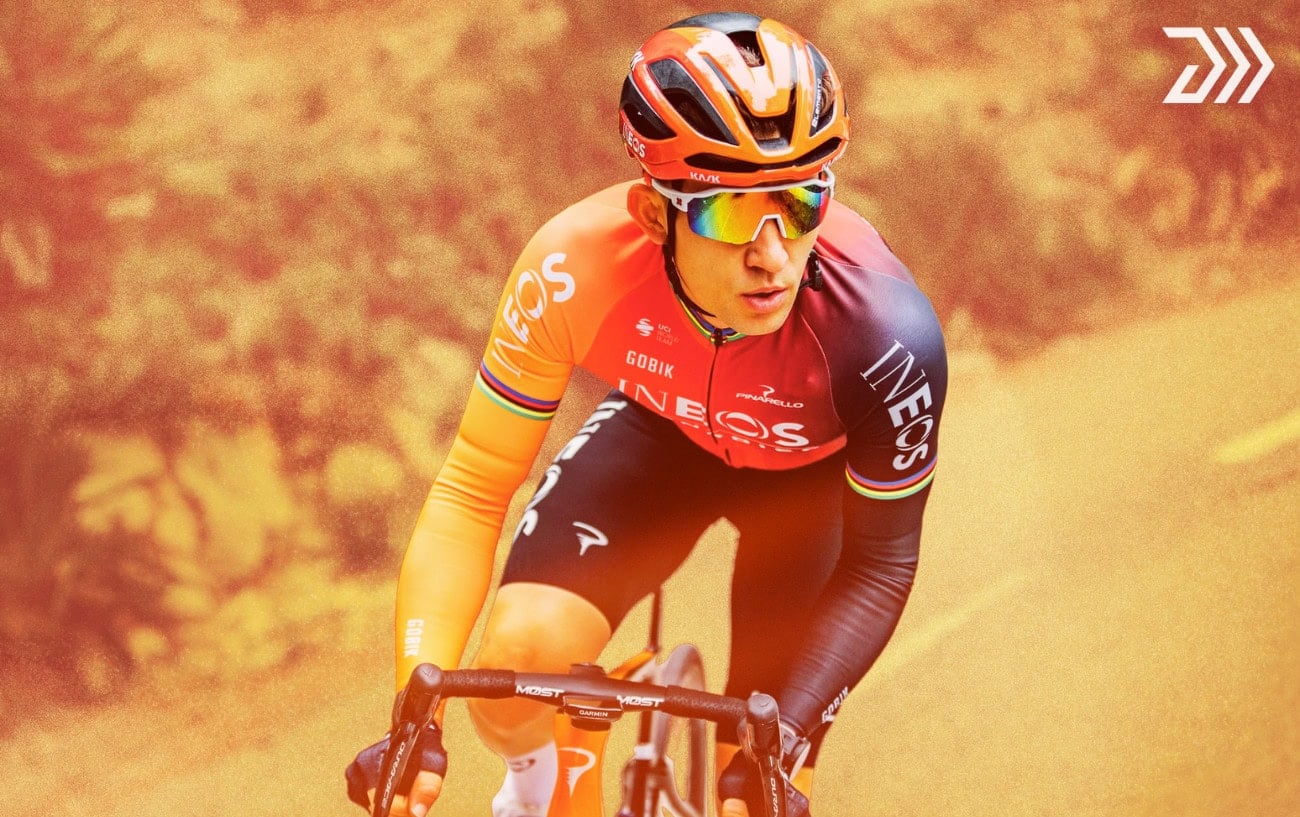
The Answer Is Michał Kwiatkowski
If the question is who runs the most, the clearest answer is Michał Kwiatkowski. The INEOS veteran is the only rider in this race still running mid-season: 10 runs and 58.5 km already logged in 2026, alongside the enormous bike volume of a WorldTour pro. His all-time Strava log shows 158 runs and 1,306 km, topping out at a marathon-distance effort of 4:10:01 and a 1:39 half marathon. For someone riding 700-plus km a week, that’s a serious extra bit of time under tension.
Tiesj Benoot is right behind him and arguably the more serious runner if we’re also factoring in pace. The Visma rider has the biggest lifetime volume in the field, 125 runs and 1,364 km, a 1:36 half marathon, and a Strava gear locker tracking four separate pairs of running shoes.
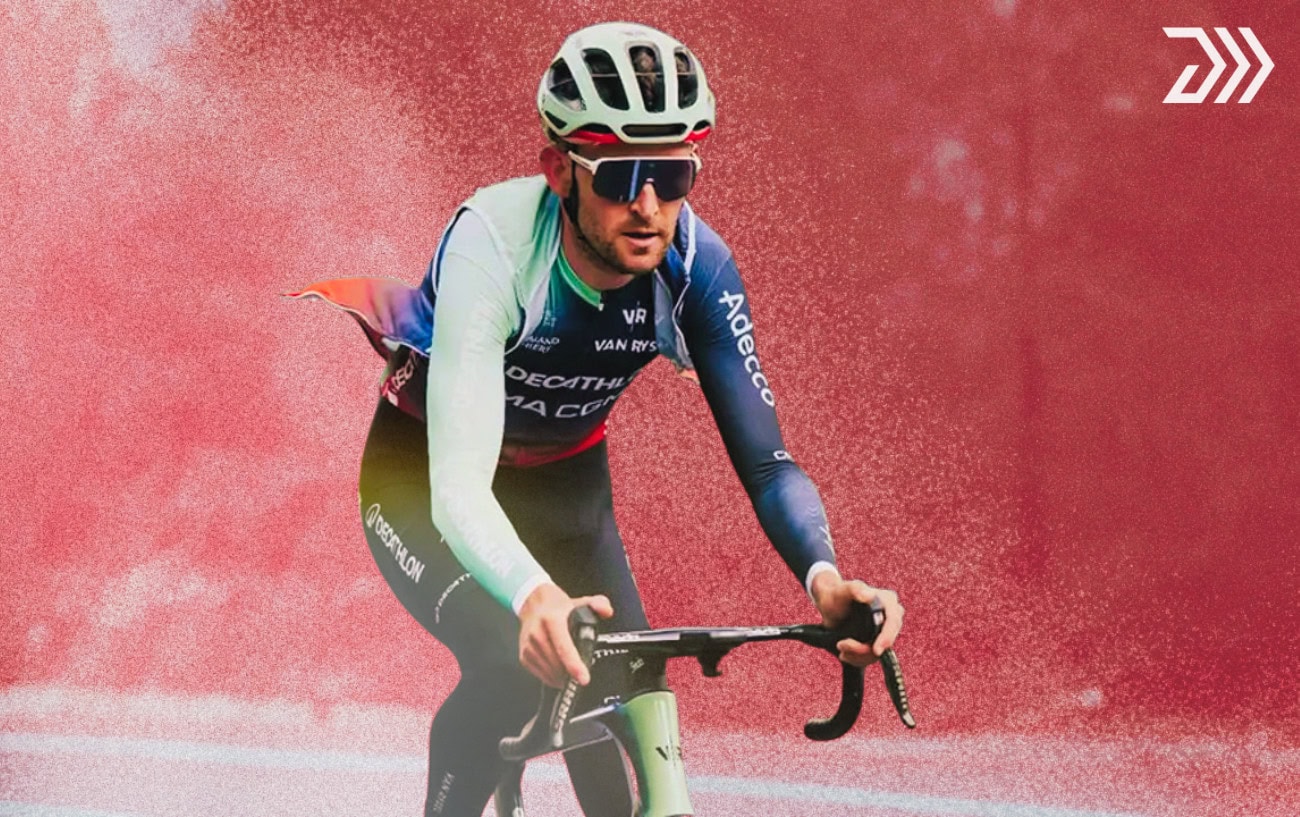
The Fastest Runner In The Peloton Barely Runs
Then there’s Mathieu van der Poel, the quality-over-quantity outlier. He has logged just 14 runs ever. But his 10K best is a startling 33:41, roughly 3:22 per kilometer, with a 16:48 5K to match. It is a product of his cyclocross background, where running through mud is part of the sport, and when he posted a rare 10K last November asking “Is this my Strava comeback?”, it drew around 70,000 kudos. He even entered the Valencia Half Marathon, though he didn’t start.
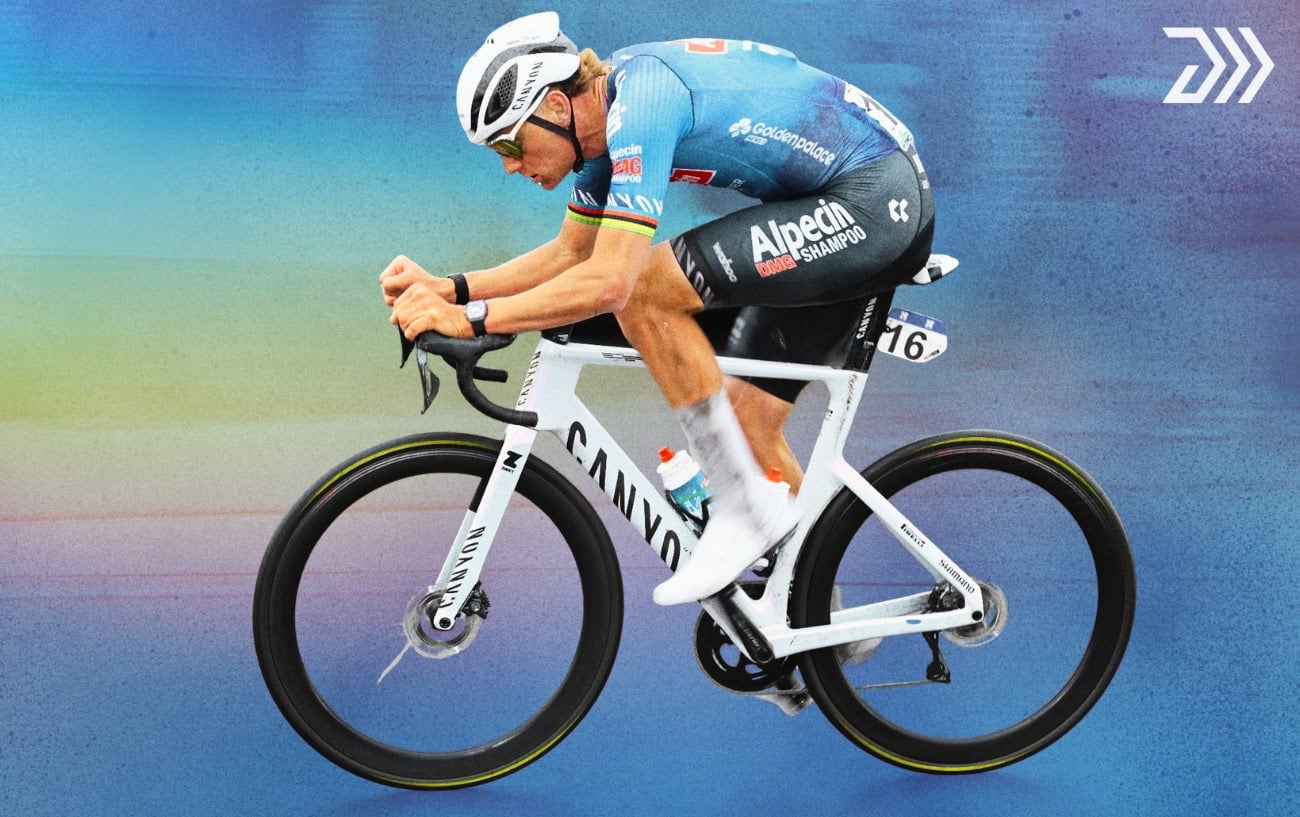
Most Of Them Are Off-Season Only
The dominant pattern is winter running that vanishes the moment racing begins. Remco Evenepoel is the textbook case: 73 runs and 732 km all-time, a 15K in 1:02:32, and a run count for 2026 of exactly zero. He has said plainly that he stops once the season starts because the injury risk isn’t worth it. Sepp Kuss, Matteo Jorgenson (whose “runs” are really mountain efforts above Nice, nearly 25,000 m of climbing across 47 outings), and Tom Pidcock all follow the same November-to-January rhythm.
At the other end, the sport’s two biggest names essentially don’t run at all. Tadej Pogačar has around seven runs on Strava, ever. Jonas Vingegaard has almost no running footprint. The best cyclists in the world got there by riding.

Why Cyclists Run At All
The clustering in winter isn’t an accident. Coaches prescribe running mostly as bone-density insurance: cycling is non-weight-bearing, and research consistently finds pro cyclists carry poor bone density from a career of it, since bone responds specifically to impact loading that a bike never provides. A few off-season jogs are cheap insurance against a problem that a lifetime in the saddle quietly builds.
It’s the mirror image of a trend running in the other direction. Retired cyclists keep turning into seriously fast runners: Jimmy Whelan has run a 1:01 half marathon since leaving the peloton, and Nacer Bouhanni ran 2:34 in Frankfurt a year after retiring. The engine transfers. Most current pros just can’t risk finding out how well until they’ve stopped racing bikes.
One Honest Caveat
Strava totals are a floor, not a ceiling, since they only capture what riders choose to upload. A few profiles are private (Guillaume Martin’s among them), and the sport’s most famous runner-riders, Primož Roglič, who has run before Tour stages purely to clear his head, plus Wout van Aert and Romain Bardet, aren’t in this year’s race at all. But for the 184 who are, the data is clear: running is a winter tool for almost all of them, a year-round habit for almost none, and Michał Kwiatkowski is the exception who proves the rule.
RunClub
Get more running stories — join RunClub
Daily running news, a community of 300,000+ runners, free training plans for every distance, and a daily running game. Free to join — no card.
Already a member? Log in →










Start the conversation