


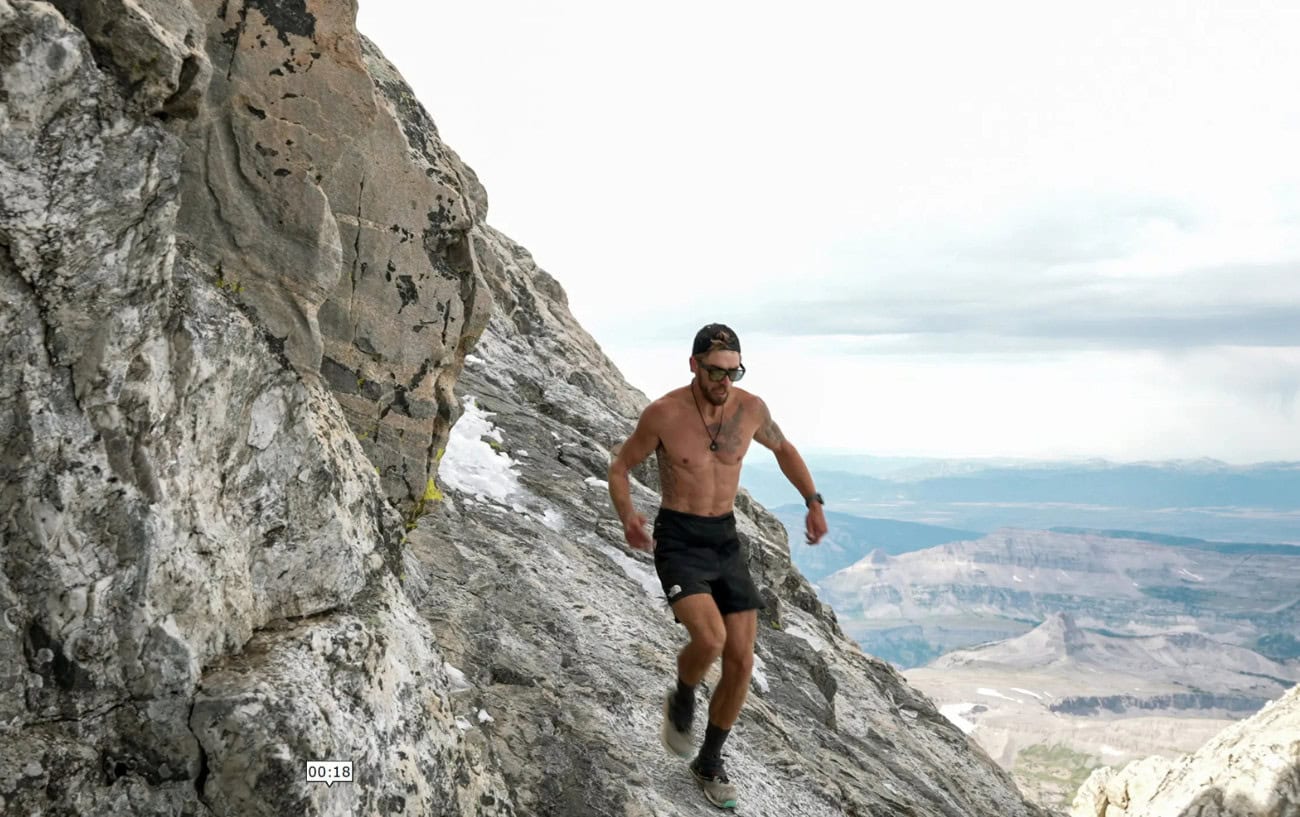
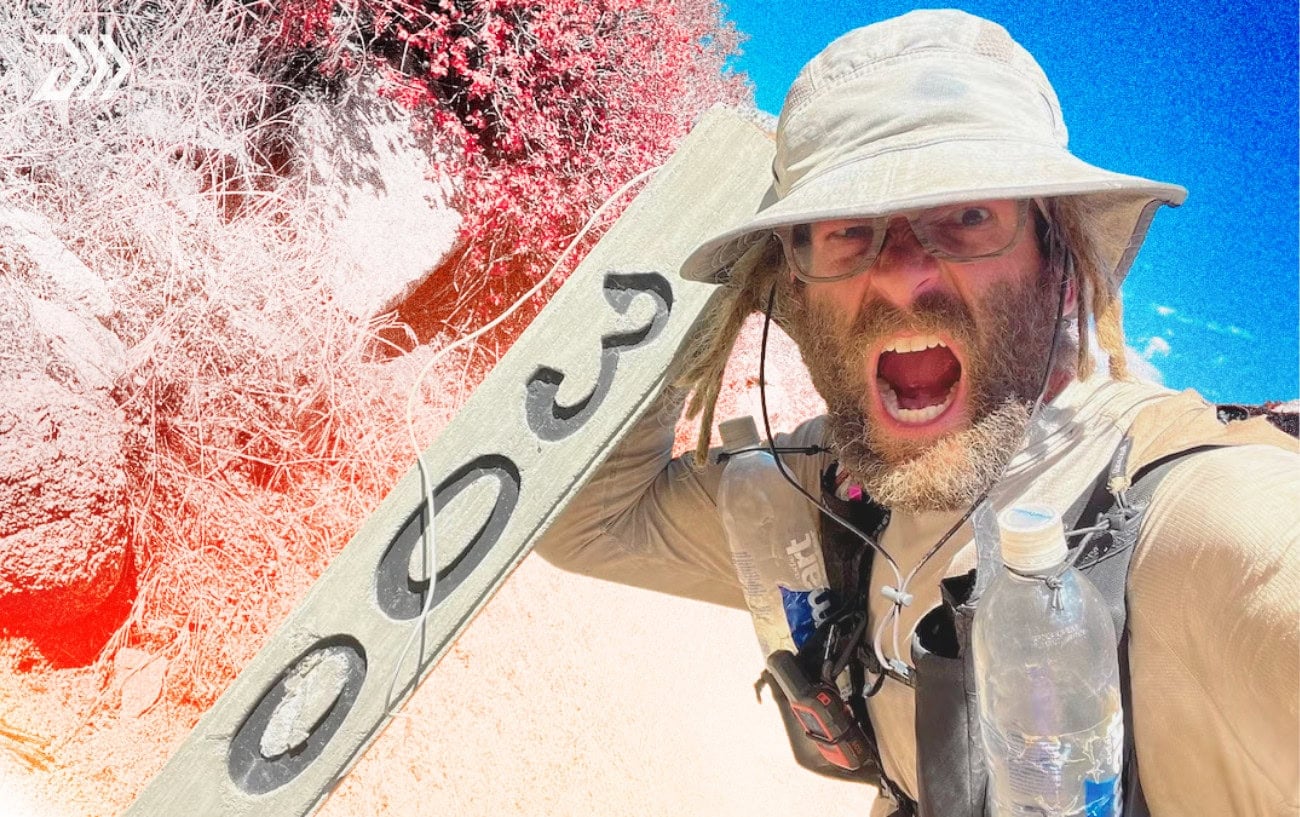
On a crisp September morning in 2024, professional trail runner Michelino Sunseri left the Lupine Meadows trailhead with a goal: to set a new Fastest Known Time (FKT) on Wyoming’s iconic Grand Teton.
Less than three hours later, he returned to the parking lot with a time of 2:50:08, besting a decade-old record and logging what appeared to be one of the most impressive efforts in American mountain running in recent memory.
But a year later, that achievement has become a cautionary tale.
On September 2, 2025, exactly one year to the day after the attempt, Sunseri was found guilty in federal court of cutting a switchback on his descent, violating National Park Service regulations.
He now faces a potential $5,000 fine and a ban from Grand Teton National Park.
The case, first brought to wide public attention by Zoë Rom’s thorough reporting for iRunFar, has since become one of the most talked-about legal sagas in trail running history, raising high-stakes questions about public land use, visibility, and what happens when elite performance collides with fragile terrain.
The Trail in Question
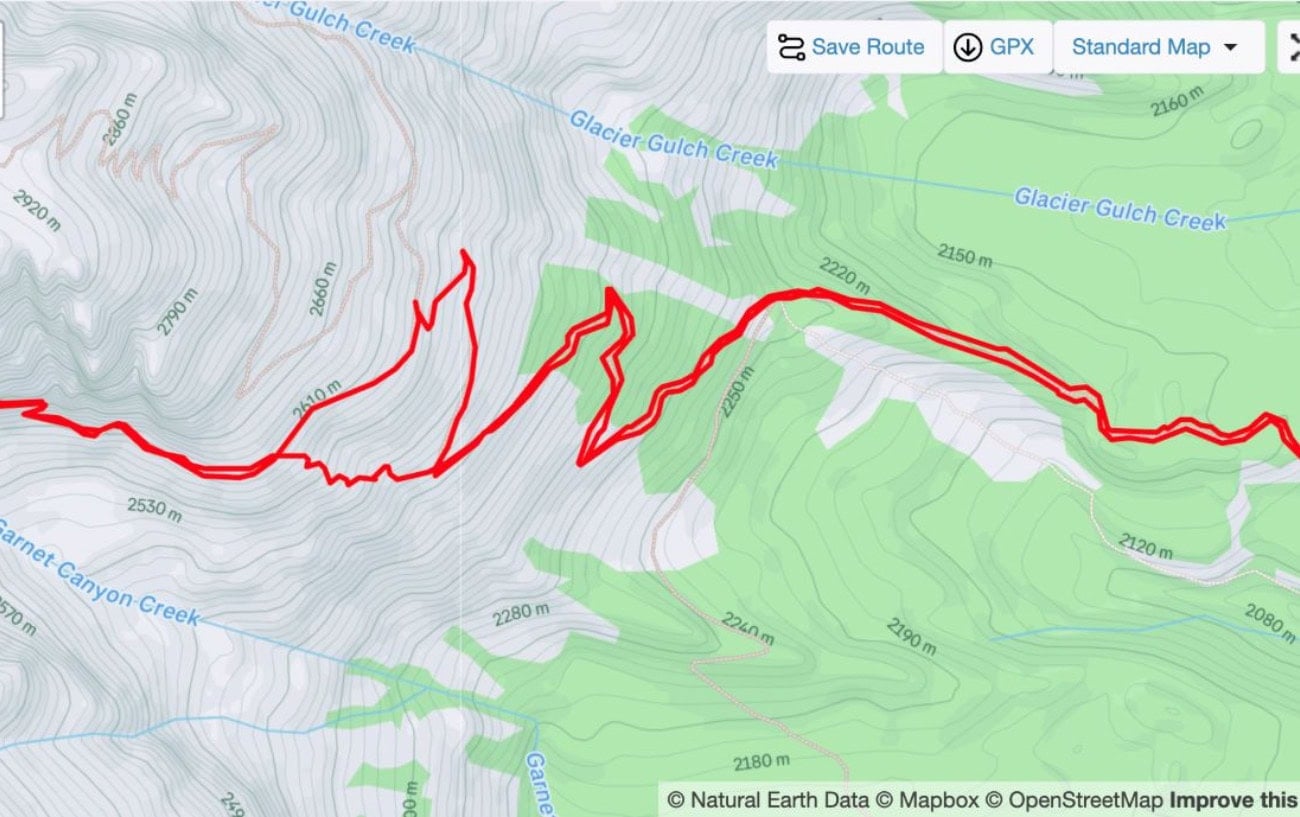
At the center of the case is a narrow strip of trail known as the Old Climber’s Trail, a shortcut used for decades by mountaineers but officially closed in recent years to allow for vegetation regrowth. Sunseri, who had trained on the longer, designated trail, chose the shortcut during his descent, stepping past two signs warning of erosion and trail closures.
“I would 100% make the exact same choice,” he wrote in a Strava post after the attempt, words that would later be entered as evidence in court.
The federal regulation he was charged under, 36 CFR 2.1(b), prohibits leaving designated trails to shortcut switchbacks, with the aim of preventing erosion and protecting sensitive alpine terrain. It’s a misdemeanor charge, rarely enforced with this level of seriousness, at least until now.
A Case That Caught Fire
The trial, held in Jackson, Wyoming, became a flashpoint far beyond the Tetons. What might have been a minor citation evolved into a federal court case that drew attention from legal scholars, land management experts, and outdoor athletes around the country.
Sunseri’s defense argued that the trail closure was poorly marked, inconsistently enforced, and that previous FKT holders had taken the same route without penalty. They also suggested that Sunseri’s status as a sponsored athlete turned what could have been a warning into a test case for prosecutorial messaging.
Rangers confirmed under oath that Sunseri’s public profile and the visibility of his Strava post were factors in their decision to press charges. “We needed to send a message,” Jenny Lake District Ranger Chris Bellino testified.
Even the National Park Service eventually backed away. Just days before the trial began, a senior NPS official emailed prosecutors and park staff to say that pursuing jail time and a long-term park ban represented “overcriminalization.” But the Department of Justice, operating independently, declined to drop the case.

The Verdict and the Reaction
Judge Stephanie Hambrick didn’t buy the defense’s argument. In a ruling issued after months of deliberation, she wrote that Sunseri had knowingly used a prohibited shortcut and that comparisons to other popular social trails, like the unmaintained but widely traveled Delta Lake Trail, were irrelevant.
“The court finds the comparison is unhelpful,” she wrote.
The verdict comes amid broader tensions over how public lands are being used, particularly as trail running explodes in popularity.
“Trail runners are using hiking routes in ways they weren’t originally designed for,” said Will Rice, an assistant professor of outdoor recreation at the University of Montana who has followed the case closely. “They’re often moving faster, taking more direct lines, and documenting everything publicly. That creates pressure on land managers to respond in new ways.”
Some argue the case was about accountability, not overreach. Ryan Burke, a respected Jackson-based ultrarunner, wrote in an essay for iRunFar that Sunseri’s decision to cut the switchback jeopardized the legitimacy of the FKT route.
“Any athlete who attempts after him would be forced to risk a huge fine in order to stay competitive,” Burke wrote. “Most people, including myself, can easily forgive someone who stumbles, but it’s hard for people to move on when no accountability has been taken.”
Others see the punishment as outsized.
“This whole thing has been blown way out of proportion,” mountain athlete Kelly Halpin told iRunFar after being subpoenaed to testify at the trial. “I believe in ethics, stewardship, and sportsmanship. I also believe that someone should be able to make a mistake and then be able to correct it.”
Halpin, like many in the community, had used the same shortcut in the past, but stopped once she realized its closure was being enforced and began advocating against its use. “Professional athletes set the standards for all those who follow,” she testified in court.
What Comes Next
Sunseri’s legal team has already announced plans to appeal. The case may yet go to a higher court, potentially setting precedent for how minor infractions on federal lands are prosecuted in the era of social media and sponsored outdoor athletes.
In the meantime, his record remains off the books. FastestKnownTime.com has since revised its policies, separating “historic” and “modern” FKTs on the Grand Teton and rejecting any efforts that involve shortcutting closed trails.
And among trail runners in the Tetons, behavior may already be shifting. When two women, Jazmine Lowther and Jane Maus, set new FKTs on the peak this past summer, both were careful to use the legal route.
“That alone shows the ripple effect,” said one local runner who asked not to be named. “Michelino’s FKT didn’t stand. But it definitely changed the way people are thinking about what it means to run responsibly.”
As the dust settles, the legacy of Sunseri’s FKT attempt might not be the time he logged on his watch, but the questions it raised about how we move through the wild places we claim to love.
RunClub
Get more running stories — join RunClub
Daily running news, a community of 300,000+ runners, free training plans for every distance, and a daily running game. Free to join — no card.
Already a member? Log in →





Start the conversation