


As reported by the Associated Press, two male runners have been disqualified from the Two Oceans Marathon in Cape Town after race officials discovered they had crossed the finish line wearing bibs registered to women. Their placements, seventh and tenth in the women’s half-marathon field, pushed two legitimate female finishers out of the top 10 before the fraud was caught.
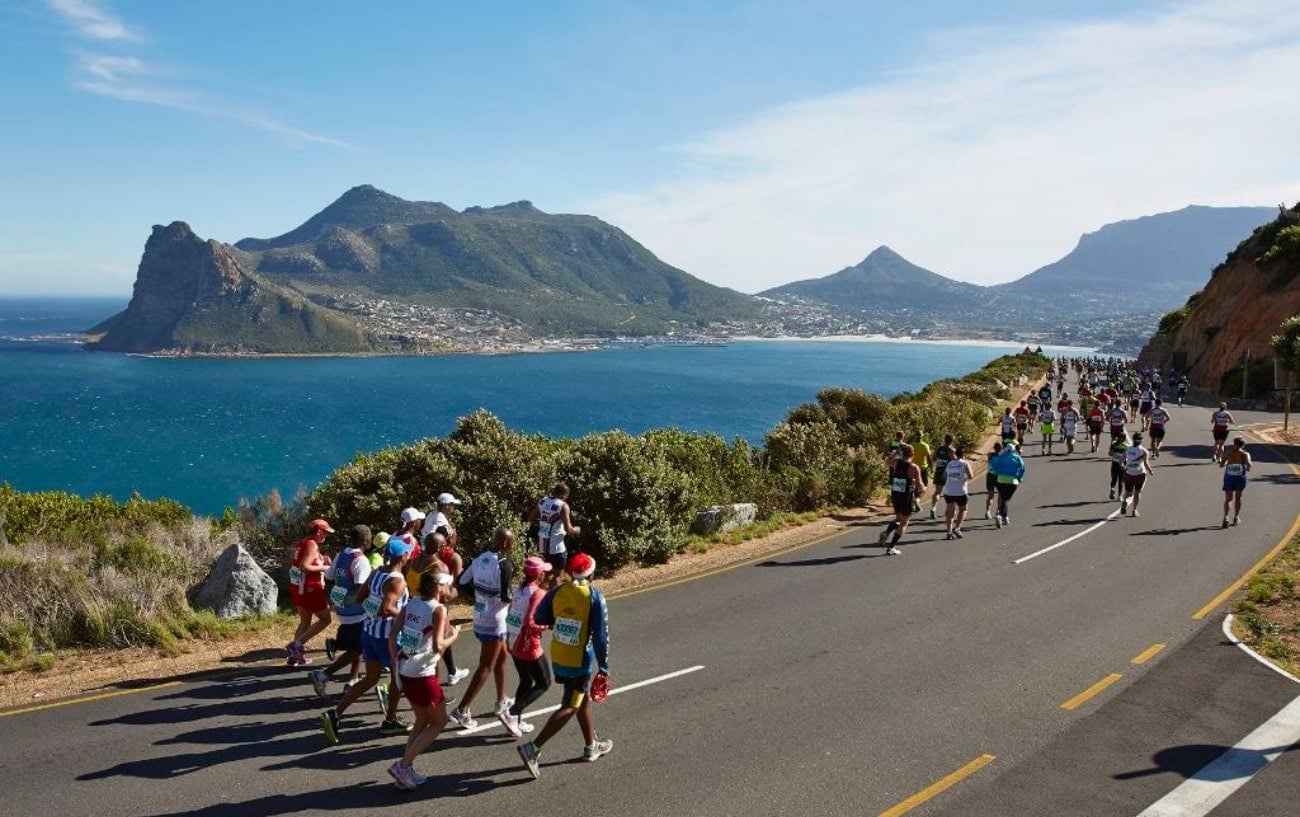
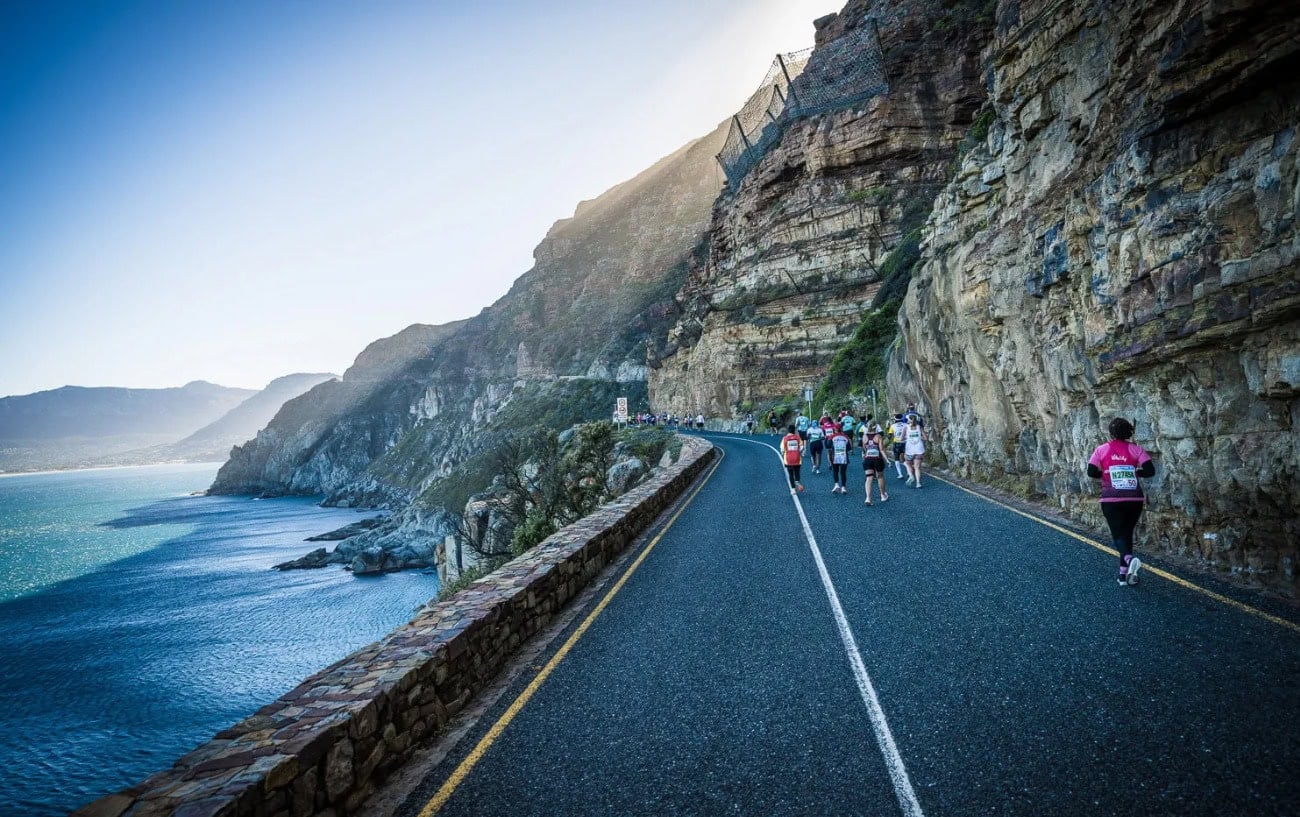
The April 12 race drew more than 16,000 participants. The Two Oceans is considered one of South Africa’s flagship running events and is made up of a 56-kilometer (34.7-mile) ultramarathon and a 21.1-kilometer (13.1-mile) half-marathon. For most runners, finishing in the top 10 at an event of this size is a serious accomplishment.
The two disqualified runners, Luke Jacobs and Nic Bradfield, have been referred to the marathon’s disciplinary subcommittee. The women whose bibs they wore, Larissa Parekh and Tegan Garvey, face two-year bans from the event. The two women runners who were initially bumped out of the top 10 have since been officially recognized for their legitimate finishes.
How the swap came apart
Stuart Mann, a Two Oceans Marathon board member, said he was tipped off after Jacobs posted photos of himself from the race on social media. Jacobs’ bib clearly displayed the name “Larissa.” Mann confirmed that Jacobs had run using a bib assigned to Parekh, who was registered in the women’s race.
“I made an error in judgment and did not consider the consequences. I should not have taken part.”
Luke Jacobs, in a written apology
The second swap unraveled through technology. Race officials physically watched the first 10 women cross the line. Chip data embedded in the bibs told a different story. Two additional women had supposedly finished, yet no one had seen them run past. That gap in the records led investigators to Bradfield, who had been racing under Garvey’s number.
Garvey said she had been forced to withdraw at the last minute due to an injury that struck her the day before the race.
“The day before, my hip gave in completely, leaving me unable to even walk. I felt bad as to give up my race entry so my friend ran in my place.”
Tegan Garvey
Parekh, according to Mann, did not provide a clear reason for handing over her bib. Both women have apologized.
Why bib swapping is a growing problem
Mann said swapping bibs is becoming more common at large marathons, and the consequences go well beyond the results sheet. Some runners transfer their numbers to a friend to avoid losing their entry fee if they are injured or otherwise can’t race. Others borrow a bib tied to a faster qualifying time so they can register for a more competitive race later on.
The ethical problem is only part of the story. Medical information is linked to the registered runner, not the person actually on the course.
“Not only is it considered unethical, but it also poses health and medicals risks in case of an emergency as wrong medication may be administered to a wrong person.”
Stuart Mann, Two Oceans Marathon board member
Two Oceans is far from the only race hit by this kind of scheme. A similar bib-swap scandal at the 2025 Hong Kong Marathon saw four runners disqualified, including a man who completed a women’s category event. A Boston Marathon couple was also disqualified after a bib-swapping scheme came to light through statistical analysis of their split times. The B.A.A. has separately investigated whether a runner exploited Boston’s non-binary qualifying standards.
Independent investigators have become a key part of catching this kind of fraud. Sites like Marathon Investigation, run by Derek Murphy, regularly uncover bib swaps and course-cutting that race-day officials might otherwise miss. Other disqualification stories make headlines for stranger reasons: a Chinese runner known as Uncle Chen was disqualified for chain-smoking his way through a marathon last year.
For runners who train for months to earn a top-10 place at an event like the Two Oceans, the episode is a reminder of how modern race technology, combined with the runners’ own social media posts, can catch cheats that race-day officials might otherwise miss.




0 Comments