


The first World Athletics Ultimate Championship opens in Budapest on Friday, three evenings of finals with $10 million to give away and a field made up, almost to a man and woman, of athletes who have already won an Olympic or world title. No track and field meet has ever put up money like it.
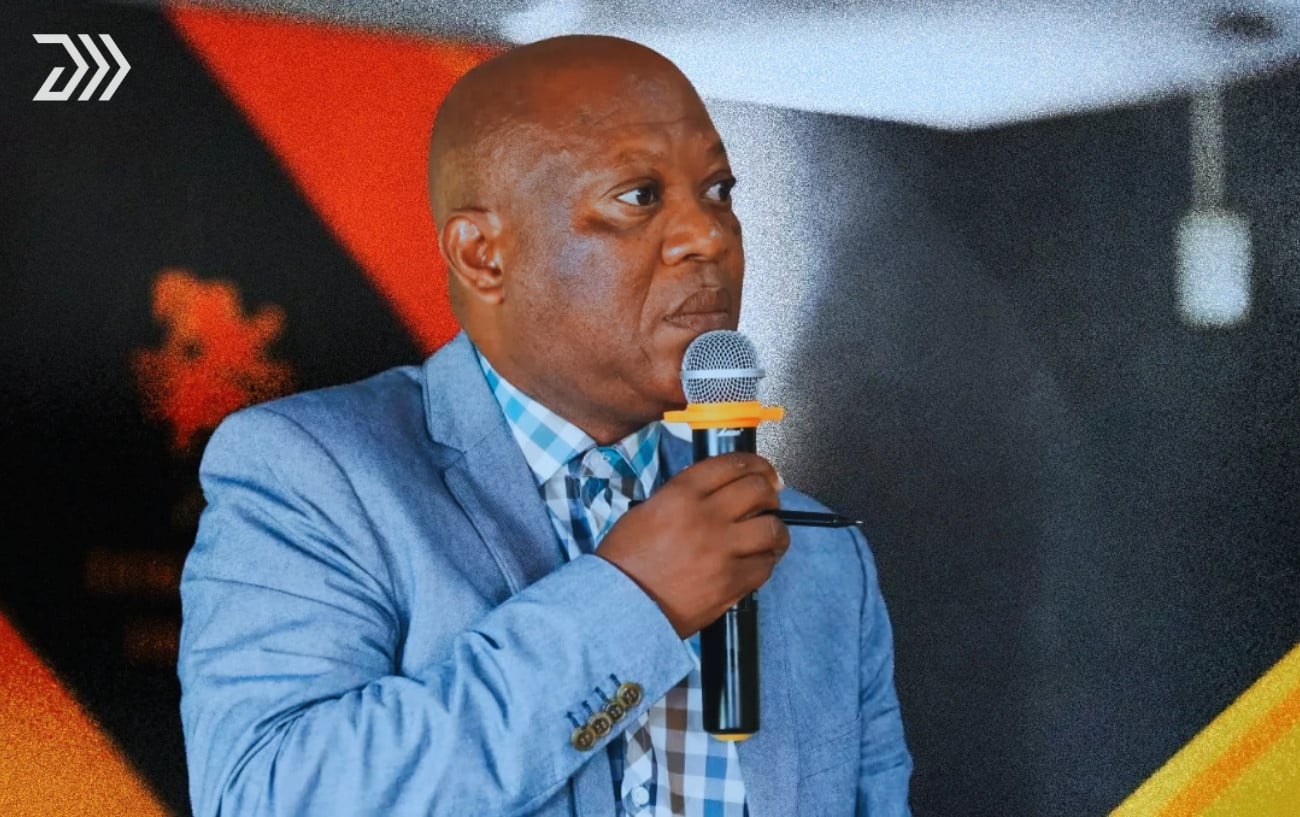
The idea has been public since June 2024, and the argument for it is a hole in the calendar. The sport works in four-year blocks with an Olympics and two outdoor World Championships in them, which leaves one summer, this one, with no global title on the line anywhere. Asked about the event in Brussels last week, Sebastian Coe went straight to that. “No serious sport can go one year in four without that big moment,” the World Athletics president said, in a transcript published by CITIUS Mag.
What the Meet Actually Is
Almost everything about the format is a reaction to how long a World Championships takes. There are three sessions, one a night, none of them longer than three hours. Friday begins at 7 p.m. in Budapest and the two weekend nights at 6, so the entire championship is over inside nine hours of competition. Tokyo needed nine days last September.
The program runs to 28 events, 16 on the track and 10 in the field, plus two mixed relays, one of them a 4x100m that exists nowhere else in the sport. Squeezing that into three nights meant leaving a good deal of athletics at home: no steeplechase, no 10,000m, no shot put or discus, no combined events, no walks, no men’s triple jump, no women’s hammer, and none of the single-sex relays that normally close a championship out. Coe insists the selection was not arbitrary. It came out of three years of audience research, some of it done by wiring fans up to measure their pulse rates while they watched, and he has been careful to say the same 28 events are not promised for 2028.
The early rounds went as well. Most track events run two semifinals of eight and only four get through; the 1,500m, the 5,000m and both relays go straight to a final, and every field event is a straight final of eight. Nothing on the timetable is there purely to thin a field out. The fields themselves are deliberately small, around 16 in the sprints and hurdles, 12 in the distance races and eight in the field. We went through the mechanics in more detail when they were confirmed, in our explainer on how the championship works.
The Money
A win is worth $150,000, and the ladder underneath it is the part worth reading. Second takes $75,000, third $40,000 and fourth $25,000, and it keeps stepping down to $2,000 for the last athlete home in a 16-runner final, per the breakdown World Athletics published last year. A winning mixed relay quartet splits $80,000. Nobody goes home with nothing, and that, as far as Coe is concerned, is the point of the exercise.
“Even the last one in the 100 meters gets $2,000,” he told reporters. “I’m sorry to say this, but everybody talks a really good game about putting athletes at the center. ‘We’re an athlete-centered organization.’ I’m going to yawn if I even say that again.”
None of it comes out of World Athletics’ own pocket. Coe laid the model out in Brussels: the governing body takes a host fee, and the host city carries the cost of the championship, prize fund and all. In return, Budapest keeps the ticket money and a larger share of broadcast and sponsorship than a host would usually see.
Why Budapest
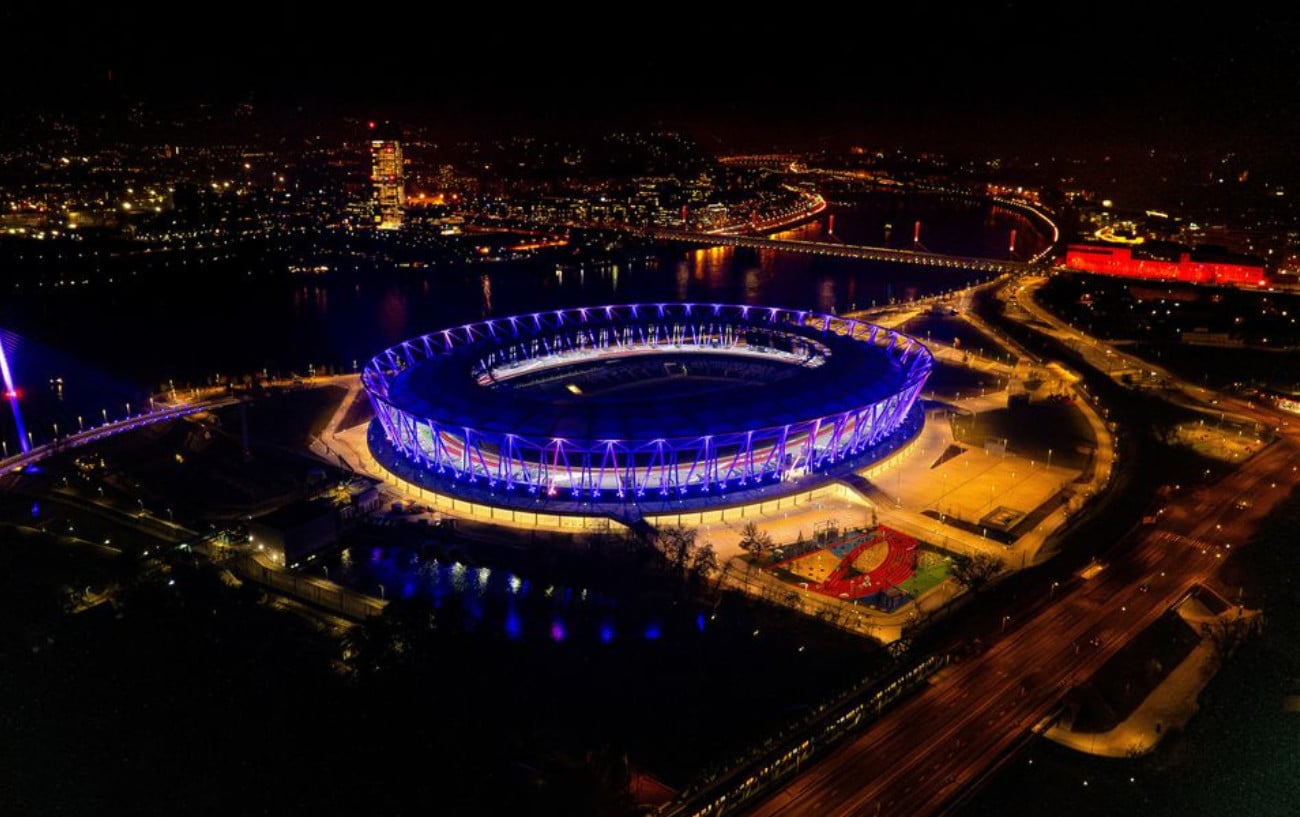
That is where Budapest comes in. The National Athletics Centre sits on the Pest bank south of the city center, purpose-built for the 2023 World Championships and busy ever since. Coe calls Hungary “the natural partner” for a first edition and points at 2023, and at what he describes as a long national plan for sport. Hungary is also willing to pay for it. The stadium has earned some of the goodwill: Mondo Duplantis raised the pole vault world record to 6.29m there at the Gyulai Memorial in August last year, and told the crowd mid-celebration that he wanted to come back.
As host, Hungary gets four individual invitations plus both mixed relay places. Patrik Enyingi has the 400m, Luca Kozák the 100m hurdles, Sára Mátó the 400m hurdles, and Boglárka Takács both short sprints. The one home athlete who needed none of that courtesy is Bence Halász, who won the European hammer title in Birmingham this summer with a world-leading 84.25m. He throws on Friday against Ethan Katzberg, the Olympic and two-time world champion, in comfortably Hungary’s best chance of the weekend.
The Grand Slam Track Question
Marathon Handbook wrote the championship up in June 2024 as a response to new high-paying third-party meets, and the timing still reads that way. Michael Johnson had launched Grand Slam Track only weeks earlier, promising $12.6 million in prize money for its first season, and World Athletics came back with a championship of its own and a bigger number.
What became of Grand Slam Track is why nobody in Budapest wants the two put side by side. The league got through three of its four planned 2025 meets, cancelled the fourth in Los Angeles, and filed for Chapter 11 protection in Delaware in February. LetsRun reported that the reorganization plan would pay athletes about $6 million of the $7 million or so they were owed, and World Athletics, quoted in the same reporting, called it “unconscionable” that anyone would try to restart the thing in 2026 before those debts were cleared. Our own coverage of the collapse is here.
Put the comparison to Coe anyway and he will not have it. “Please do not compare anything I’ve said,” he said. Pressed on whether there were lessons in it, he added: “The lessons that should have been learned were the other way around: simple meet management, execution, and delivery. And if you can’t do that, you shouldn’t be doing an event.”
Who Is Entered
Twenty-six reigning Olympic champions were in before the season began. That is the trick of the qualifying system: win in Paris, win in Tokyo, or win the Diamond League final in Brussels, and the invitation turns up on its own. The remaining places came down to world rankings over a 12-month window that shut on Sept. 1, ten days before the first gun. Relay teams came out of the World Athletics Relays in Gaborone, one per country.
Sunday’s men’s 1,500m is the race the weekend will be remembered for, and it only looks the way it does because World Athletics broke its own rule to build it. Exceptional invitations were meant to be capped at one an event. The steering board issued two, to Josh Kerr and Jakob Ingebrigtsen, then widened the field from 12 to 13 to seat them both, which extended prize money to a 13th place worth $5,000. Neither man qualified on merit. The board’s justification was that the race “could not in good faith be considered a full lineup of the greatest athletes on the planet” without them, and the venue gives that some weight: Kerr won the 2023 world title on this track in 3:29.38, with Ingebrigtsen second in 3:29.65.
The invitations are not the only thing those two bring with them. Ingebrigtsen finished only fourth in Brussels, told the mixed zone he had spent the evening racing “a bunch of cowards” in comments carried by Athletics Weekly, and accused Cole Hocker of having the pacemaker swapped for one of his own training partners. He apologized for the word “losers” on Saturday, in a statement reported by the Guardian, and stood by the rest of it. Hocker is the Olympic 1,500m champion and the reigning world 5,000m champion, and he will be on the same start line, along with Isaac Nader, the world 1,500m champion, and Cameron Myers, who beat all three of them in Brussels in 3:30.14.
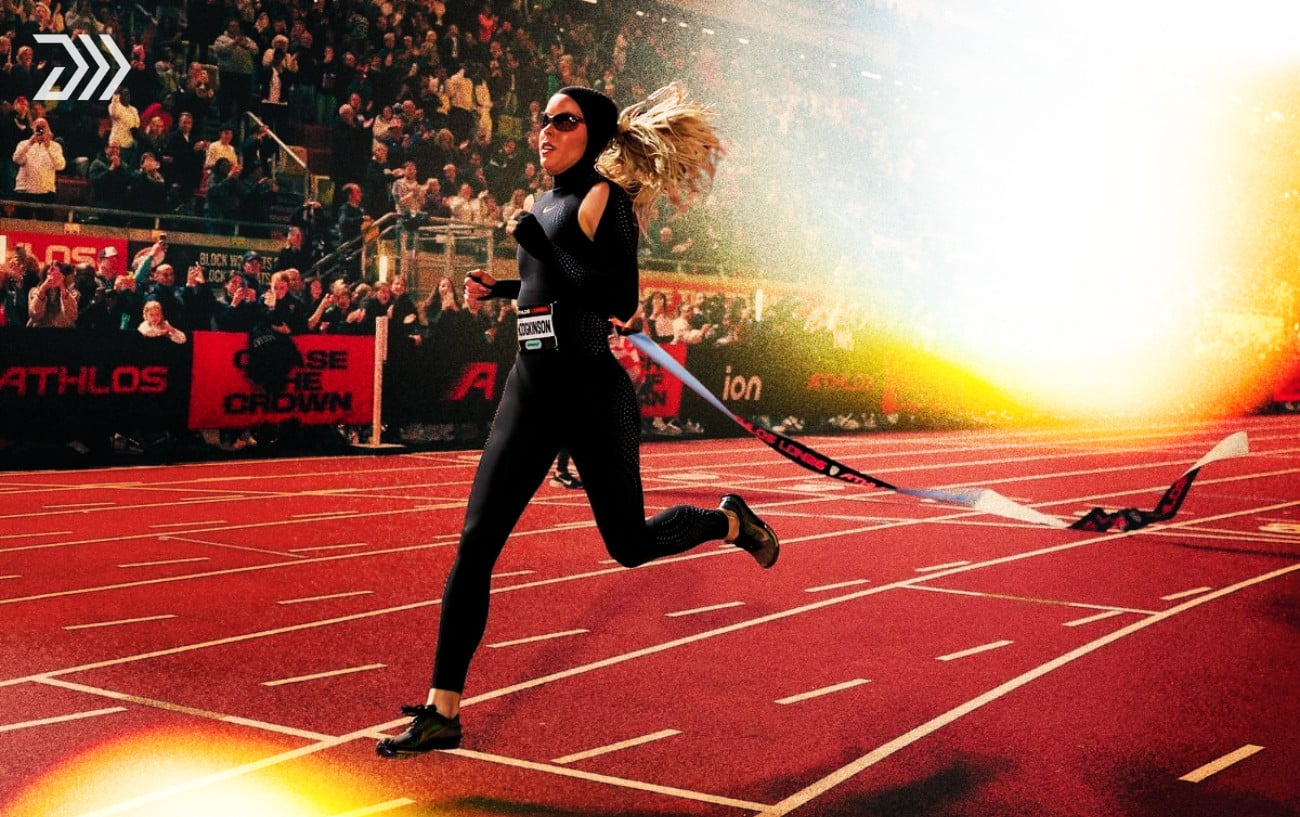
The rest of the timetable reads like the season poured into one weekend. Noah Lyles, Oblique Seville, Letsile Tebogo and Kenny Bednarek across the men’s sprints; Julien Alfred, unbeaten all season, with Melissa Jefferson-Wooden, Gabby Thomas and Tina Clayton in the women’s; Yaroslava Mahuchikh against Nicola Olyslagers in Friday’s high jump; Keely Hodgkinson, Lilian Odira and Audrey Werro over 800m on Saturday. Sydney McLaughlin-Levrone holds automatic invitations in both the 400m and the 400m hurdles, and those finals fall on different nights, so the double is at least physically available to her.
One of the names on all the marketing may not be there at all. Duplantis pulled out of the Brussels pole vault during his warmup with a leg problem he has been carrying since London, and was honest about the rest. “We will see if I can make it to the Ultimate Championship,” he said. “I don’t have the answer right now.” He holds the world record at 6.31m, he wrote the championship’s anthem, and his event is on the first night.
What Is Different on the Infield
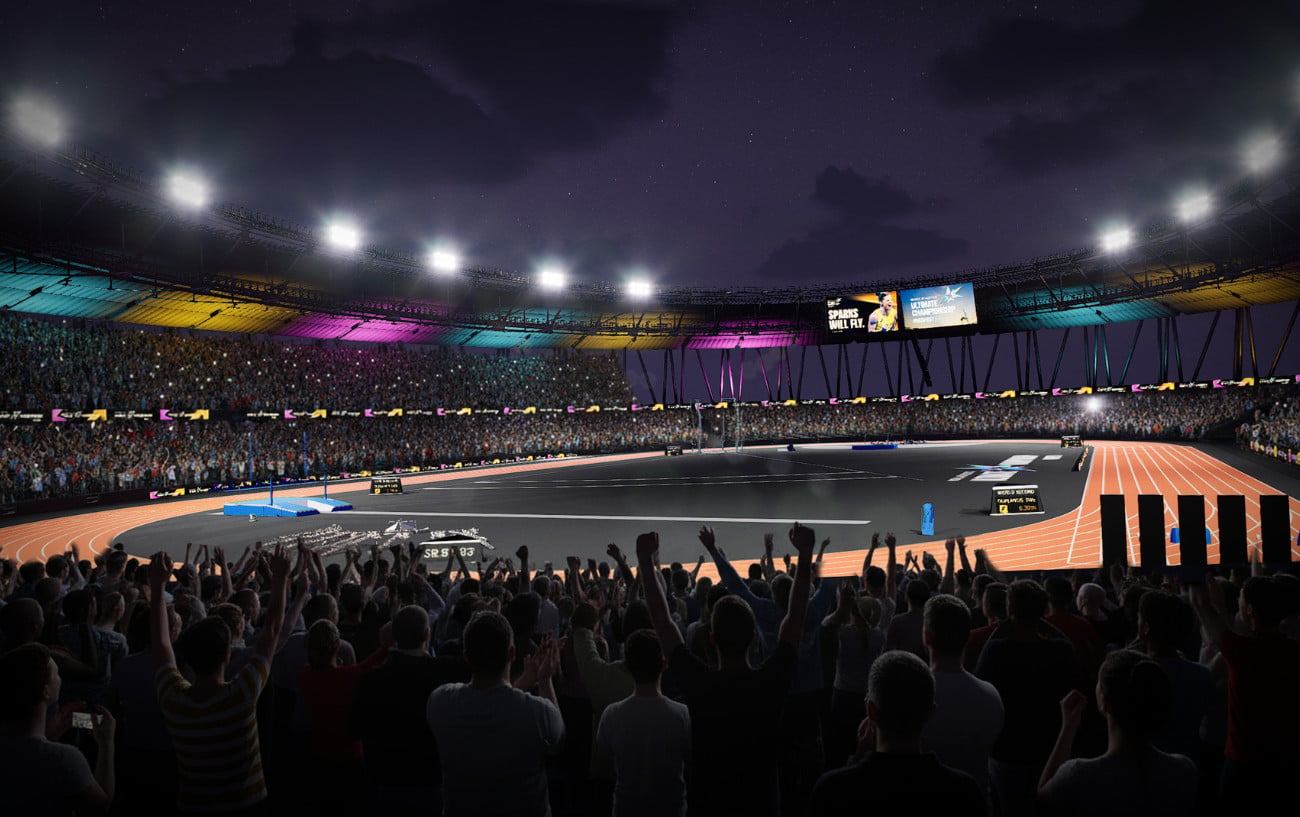
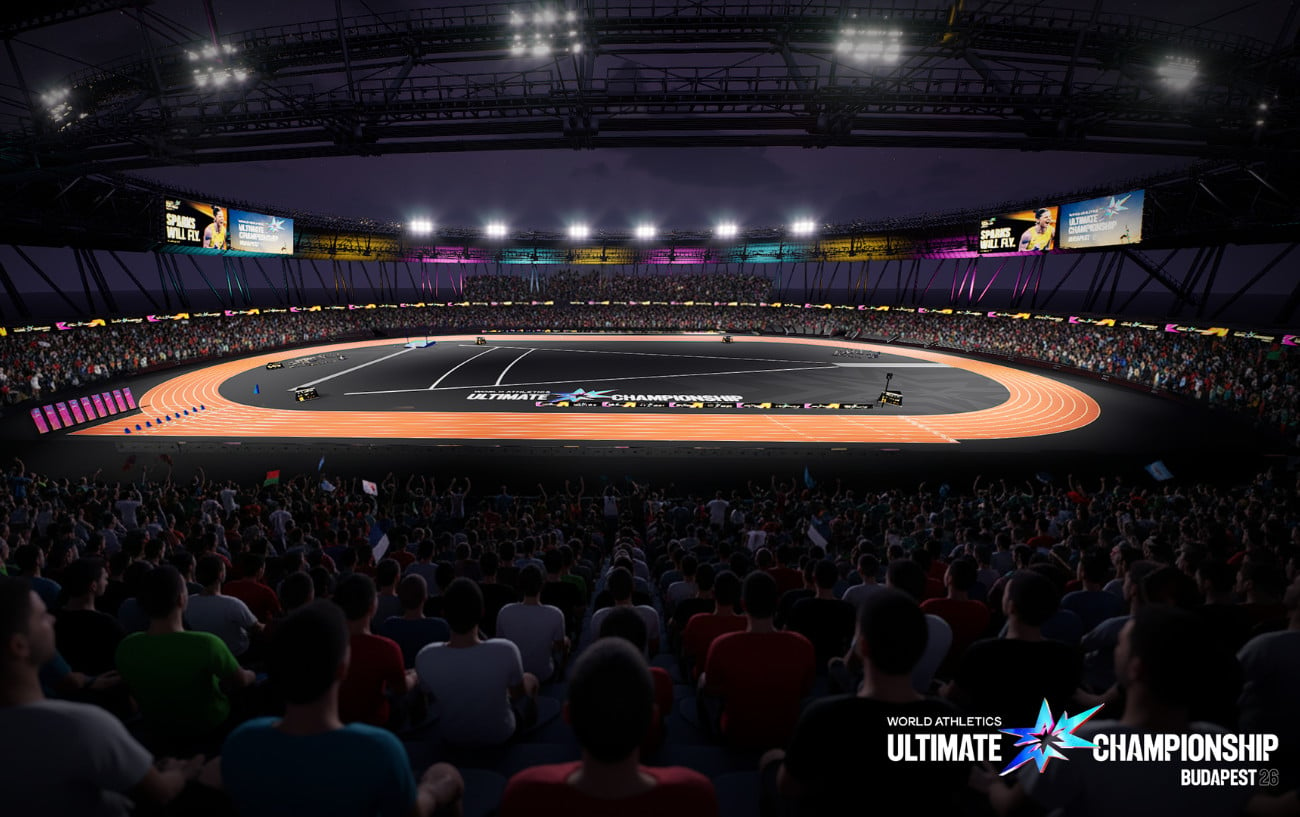
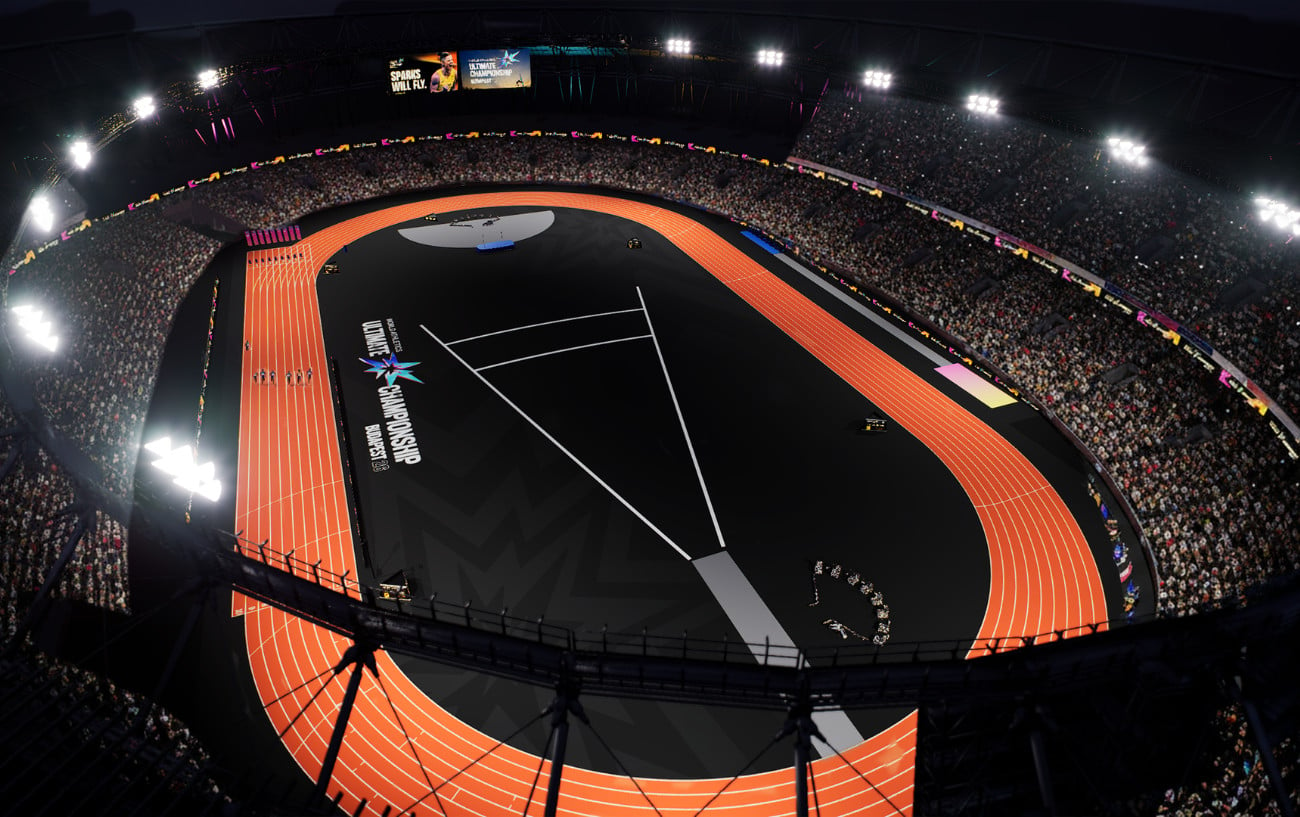
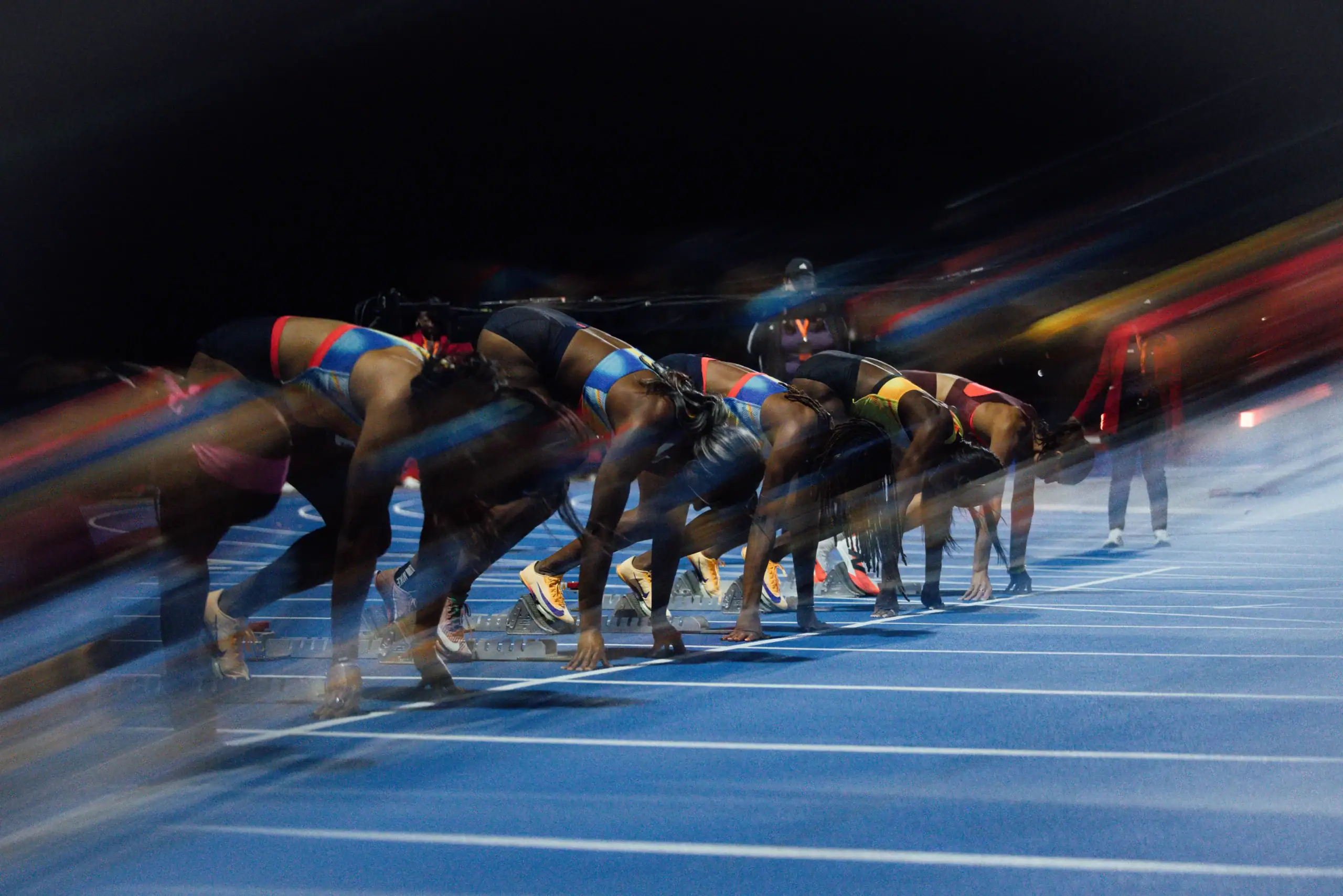
For anyone watching at home, the change that registers first is that only one field event runs at a time. The infield is black, lit so that nothing but the area in use is visible. That is a design for a camera rather than for a seat in the stand, and Coe does not pretend otherwise. He told reporters the meet was built “in large part for television, because that’s where our biggest audience will be.”
Elsewhere the regulations have been picked at. Horizontal jumps and throws run on an 8-8-6-4 progression, cutting to six athletes for the third round and four for the last. Vertical jumps are not permitted to finish level, so a tie for first goes to a jump-off. And there is no jury of appeal at all this week, which means a protest goes to the referee, or in writing to the technical information center inside 30 minutes.
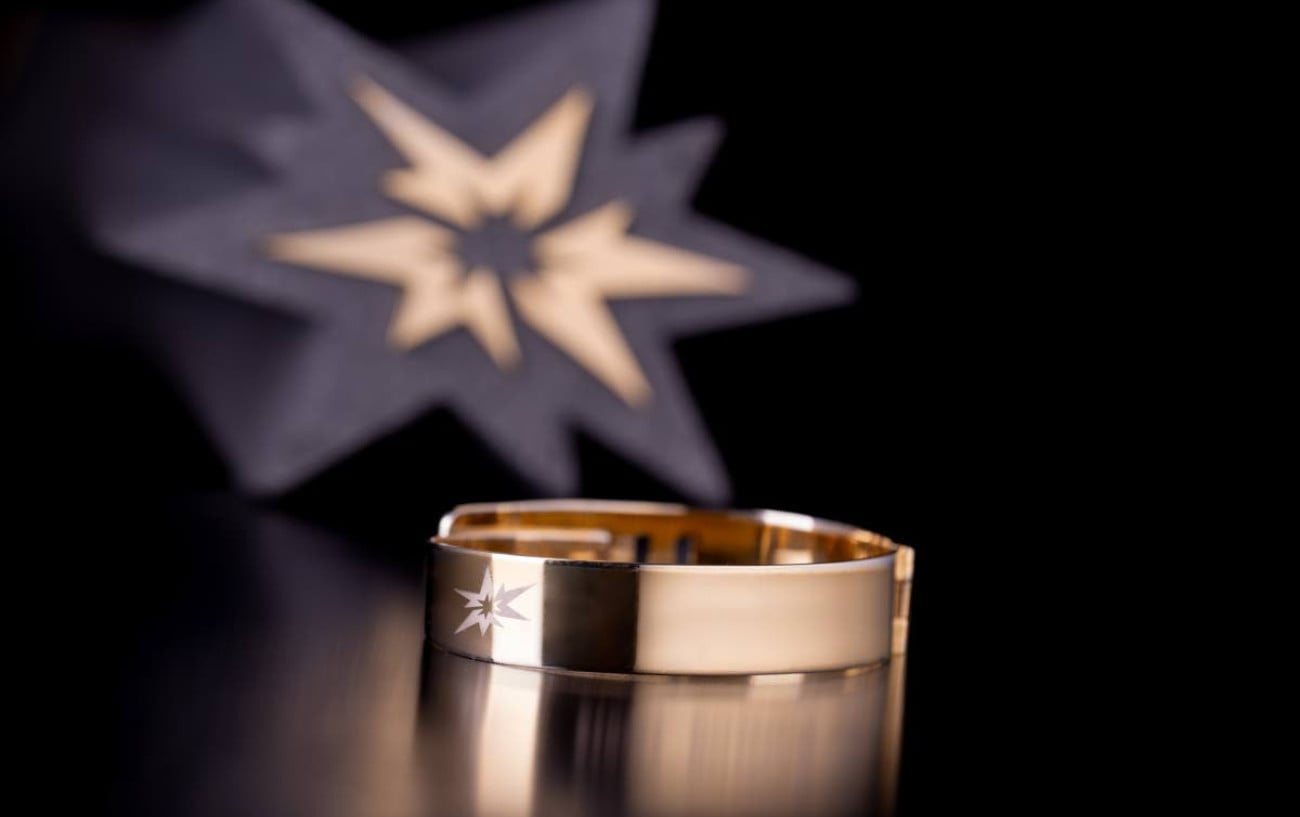
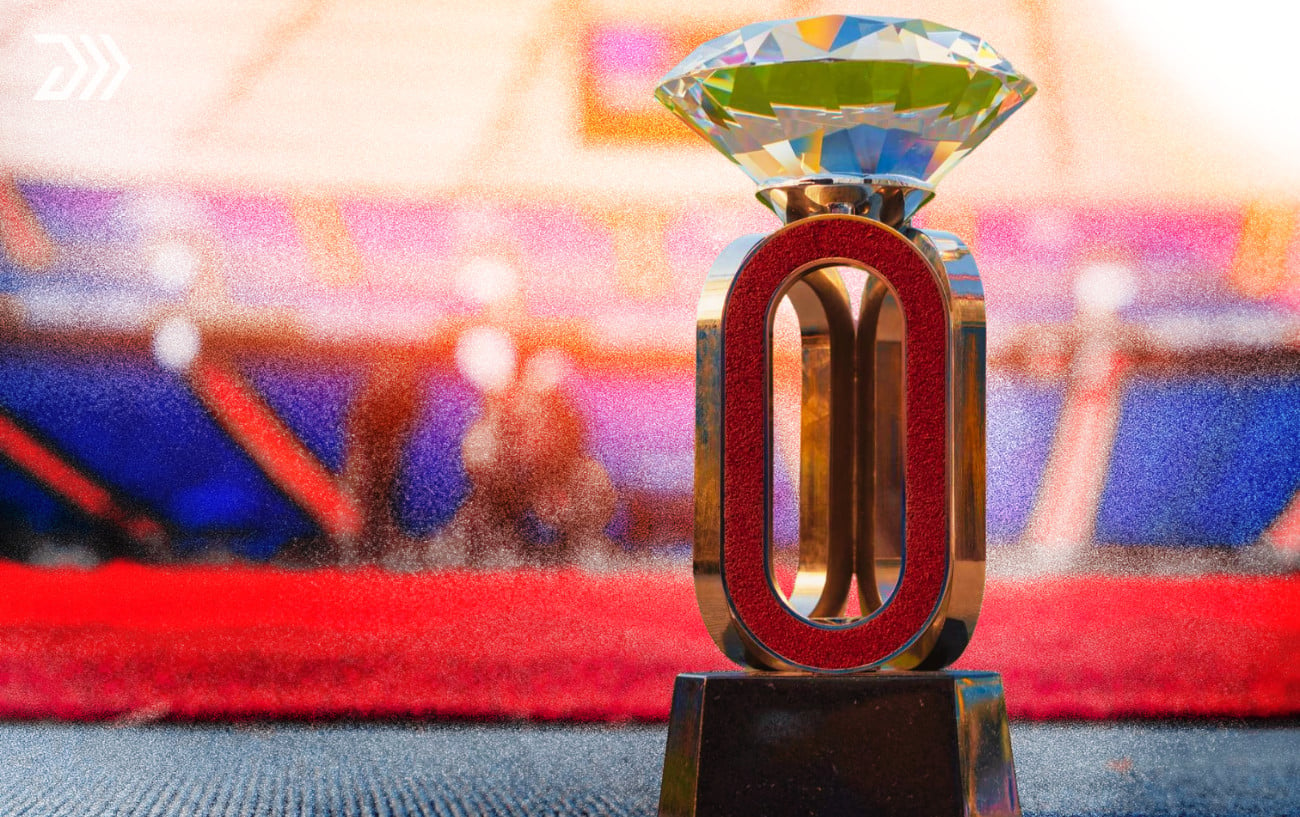
Winners get no medal. What they get is a star-shaped trophy, handmade by Hungarian jewelers and sculptors, with a groove in it that stays empty until the engraved bracelet given to every competing athlete clicks into place. Lyles came up with the idea, and he is the meet’s MC as well. “We have made an intentional decision to move away from medals as the awards at the Ultimate Championship,” Coe said. Usain Bolt has been handed the title of Ultimate Legend, Duplantis wrote the anthem, and we went through the rest of the production changes in July.
The Schedule and How to Watch
Friday carries nine finals, among them the men’s 5,000m, both short hurdles, the men’s pole vault, the women’s high jump and long jump, the men’s hammer and both mixed relays. Saturday has both 100m finals, the women’s 800m and 1,500m, both 400m hurdles finals, the women’s pole vault, the men’s long jump and the women’s javelin. Sunday takes the remaining 10: both 200m and both 400m finals, the men’s 800m and 1,500m, the women’s 5,000m, the men’s high jump, the women’s triple jump and the men’s javelin. It is an odd shape for a championship, with the men’s 5,000m done and gone on the opening night and the men’s 1,500m held back to the last.
More than 20 broadcasters have taken it, the BBC in the U.K. and NBCUniversal in the United States among them, along with NRK, SVT, L’Équipe, Polsat and TBS, with Infront selling the international rights.
Thursday is given over to a red carpet, a press conference with Coe and Bolt, and one piece of competition business: the men’s and women’s 200m runners will pick their own semifinal and lane, live, in seed order, in front of a crowd. Coe is not promising all of it comes off. “We wanted to do things differently, and not everything is going to work,” he said. “There will be elements of it that we’ll want to refine and review, in the way that we do with every event.”
RunClub
Get more running stories — join RunClub
Daily running news, a community of 300,000+ runners, free training plans for every distance, and a daily running game. Free to join — no card.
Already a member? Log in →





Start the conversation