


World Athletics has built a new championship, and the pitch is money and scarcity. The Ultimate Championship, whose first edition runs Sept. 11 to 13 in Budapest, will hand out US$10 million, the largest prize pot ever offered at a single track and field meet, to a field made up only of athletes who have already won something.
The venue is the Gyula Zsivotzky National Athletics Centre, the stadium built for the 2023 World Championships on the east bank of the Danube. The format compresses the sport into three evening sessions of about three hours each, short by championship standards, where a World Championships stretches across nine days.
Each winner takes $150,000. That is more than double the $70,000 a gold medal paid at the 2025 World Championships in Tokyo, and five times the $30,000 a standard victory is worth at the Diamond League final. World Athletics is spending to make the event matter on the first attempt, and the money is aimed squarely at the athletes, who collect nothing in prize money from the Olympics.

How It Works
There are 28 events on the program: 26 individual titles across 16 track and 10 field disciplines, plus two relays, one of them a new mixed 4x100m. What the schedule leaves out is the early rounds. Most track events cut straight to two semifinals of eight athletes, with only the top four advancing to a final; the 1,500m, 5,000m and the relays go directly to a final, and every field event is a straight final. The result is a meet with no filler heats, which is the design rather than an accident of scheduling.
The fields are small on purpose. Where a World Championships event can run 40 or more athletes through several rounds, the Ultimate Championship targets about 16 in the sprints and hurdles, 12 in the distance races and eight in the field disciplines.
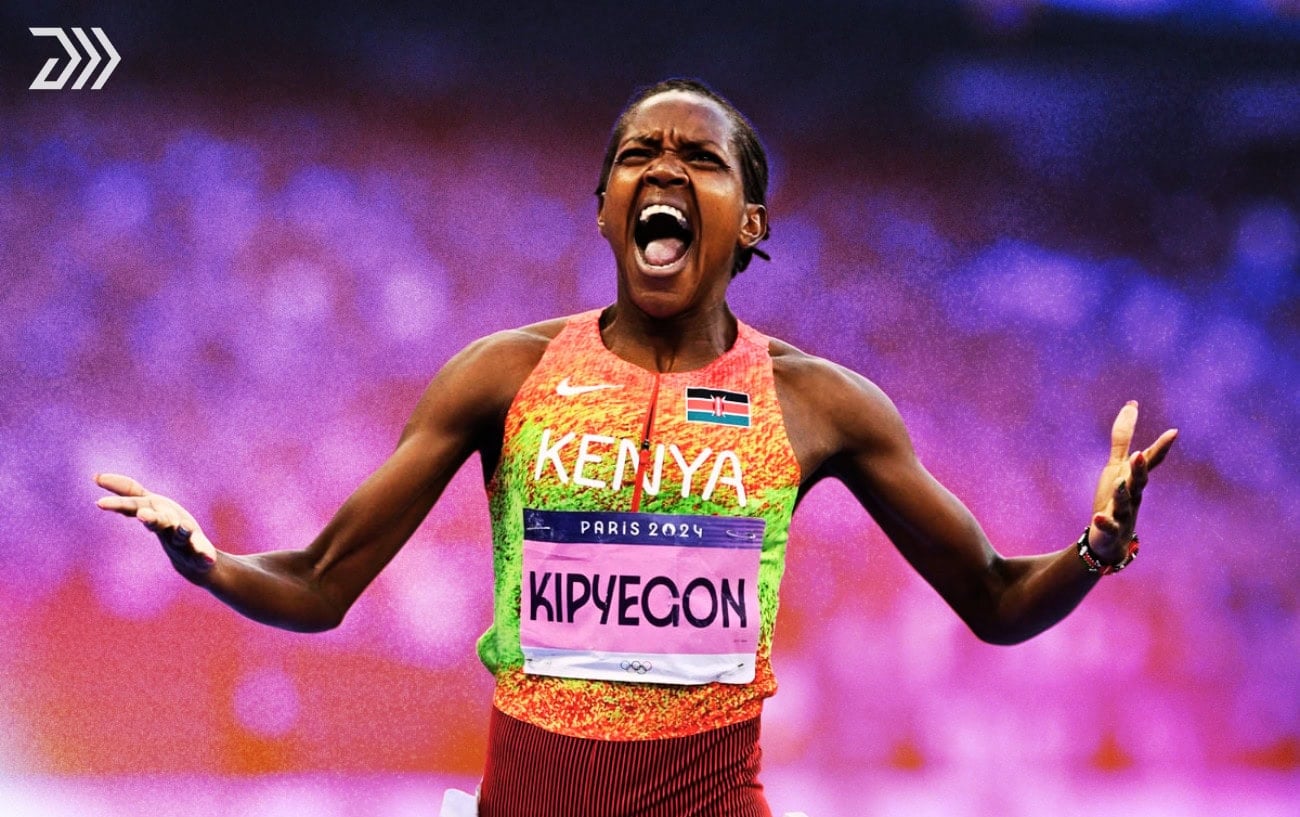
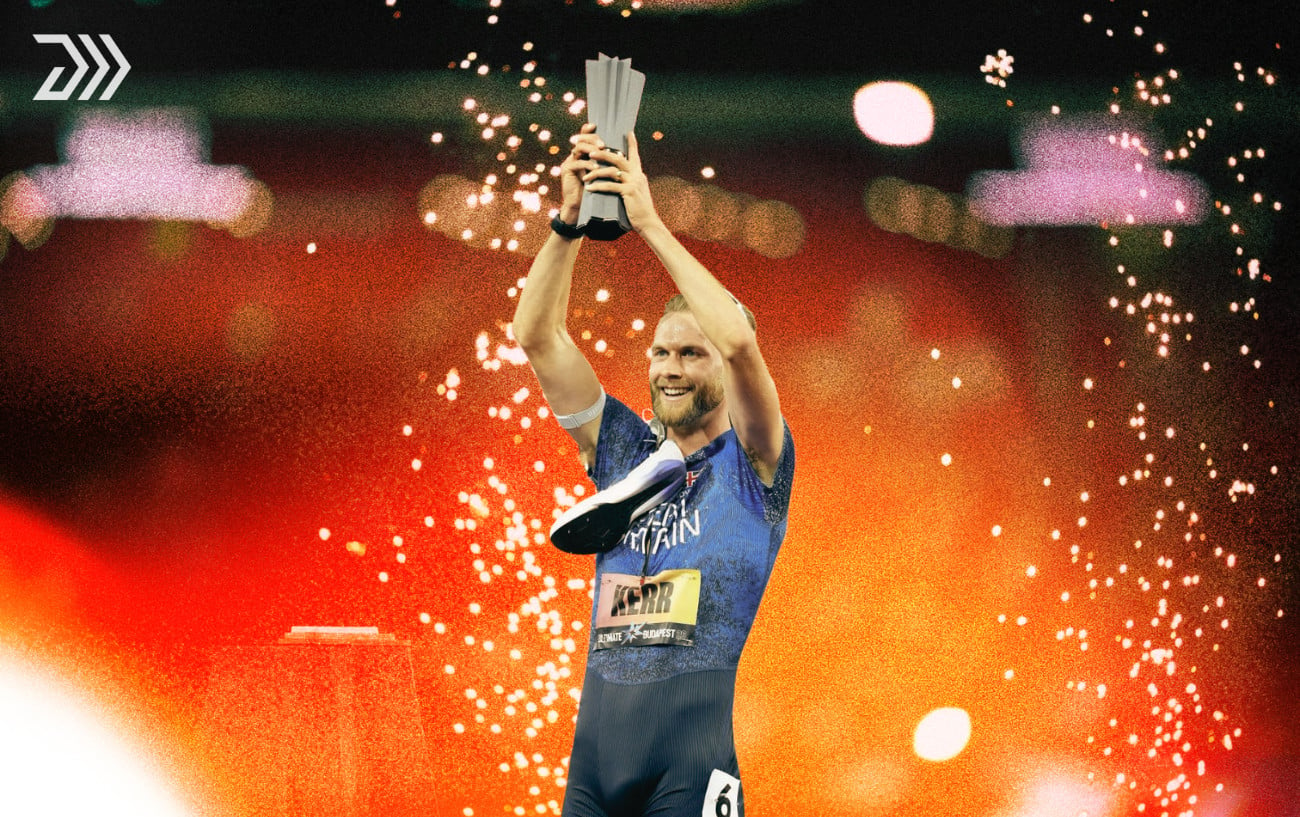
Getting in is the harder part. There are no entry standards to chase in the ordinary sense. World Athletics invites the field based on a 12-month window from Sept. 2, 2025 to Sept. 1, 2026, weighing results at the major championships, the Diamond League and the world rankings. Three groups qualify automatically: Paris 2024 Olympic champions, the 2025 World champions crowned in Tokyo, and the winners of the 2026 Diamond League final in Brussels. That guarantees a lane for the likes of Faith Kipyegon, Noah Lyles and Emmanuel Wanyonyi, the 21-year-old who broke the 1,000m world record this month. The remaining places in each field go to the highest-ranked athletes over the window. Many of the season’s headline performers, from Wanyonyi’s record to Josh Kerr’s mile, would be eligible on current form.

Why the Sport Wants It
The reason for all of this is a hole in the calendar. Track and field has an Olympics every four years, a World Championships in most other years, and a Diamond League that runs all summer, but nothing that reliably ends the season with the best athletes gathered in one place and one title on the line. Sebastian Coe, the World Athletics president, has called the Ultimate Championship “the next major global flagship outdoor track and field championship in the calendar,” and framed it as a way to give every season “a meaningful conclusion.” The compressed program and the semifinal-to-final structure are built to create pressure, and the broadcast interest that follows it, which a scattered end to the year has never produced.
The risk is timing. The Ultimate Championship lands in the middle of an already crowded month. The Diamond League final in Brussels runs Sept. 4 and 5, the Ultimate Championship follows on Sept. 11 to 13, and the World Athletics Road Running Championships open in Copenhagen on Sept. 19 and 20. That is three championship-level weekends in a row, and an athlete who races one may sit out another, which works against the promise of fielding only the best. Distance runners in particular face a choice between the Budapest track and the Copenhagen roads a week later.
How the fields actually fill will not be settled until the qualification window closes on Sept. 1, ten days before the first event in Budapest.
RunClub
Get more running stories — join RunClub
Daily running news, a community of 300,000+ runners, free training plans for every distance, and a daily running game. Free to join — no card.
Already a member? Log in →








Start the conversation