


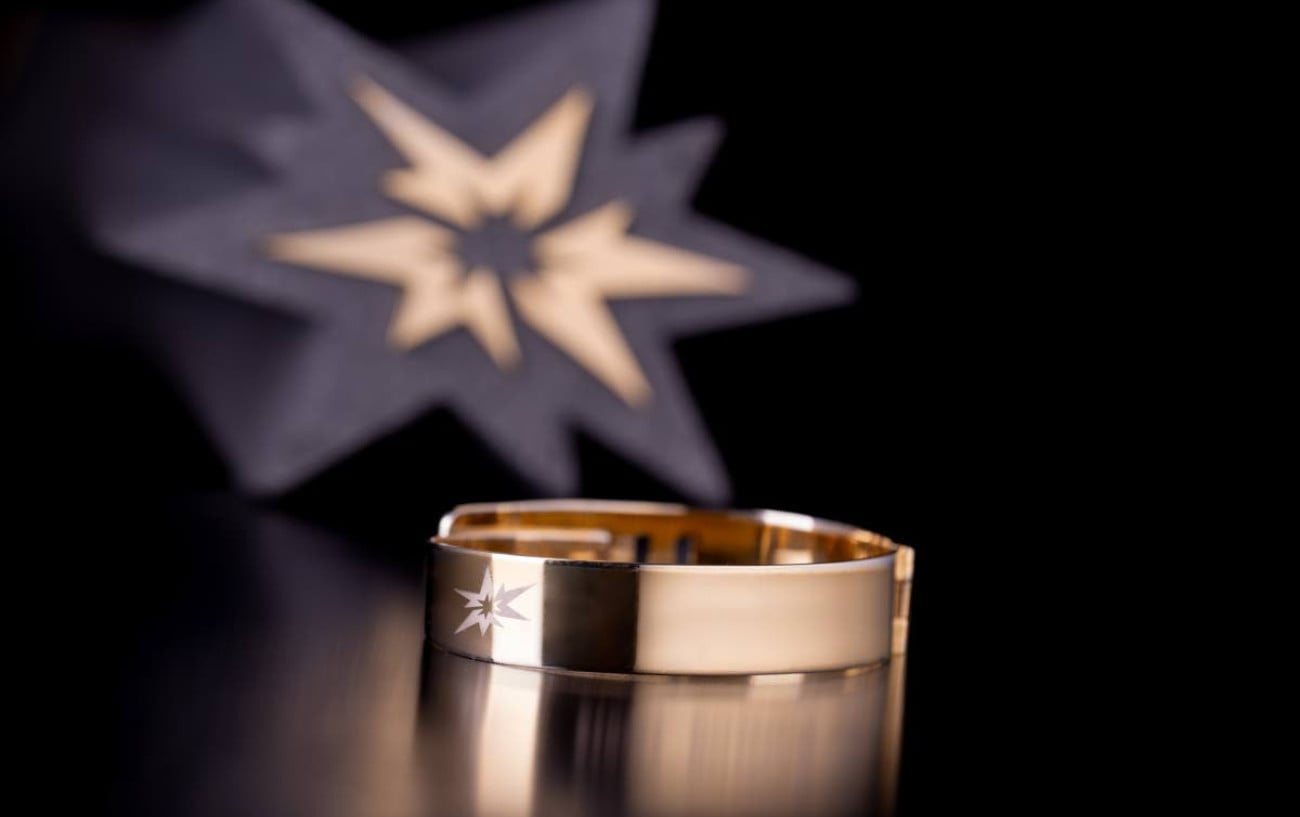
With a week to go before the European Athletics Championships open in Birmingham on Aug. 10, organizers have confirmed there is real money on the line beyond the medals. European Athletics will hand out 10 “Gold Crowns” at the meet, one for the standout performance in each of five event groups for men and women, and each comes with a €50,000 ($57,700 USD) bonus. That adds up to €500,000 ($577,000 USD) in prize money for the best marks of the week, and crucially, the crowns are not simply awarded to gold medalists.
How the Gold Crowns Work
The events at Birmingham are split into five groups for each gender:
- Sprints and hurdles (100m, 200m, 400m, 100m hurdles, 400m hurdles)
- Middle and long distance (800m, 1,500m, 5,000m, 10,000m, 3,000m steeplechase)
- Throws (shot put, discus, hammer, javelin)
- Jumps (high jump, pole vault, long jump, triple jump)
- Road, combined events and relays (marathon, the two race walks, the decathlon or heptathlon, and both relays)
Within each group, the crown goes to the athlete whose performance in the final scores highest on the World Athletics scoring tables. Those tables assign points to a result in any event, which lets organizers compare a 1,500m time against a discus throw or a long jump on a single scale. In practice, that means a Gold Crown can go to whoever produces the most world-class result relative to their discipline, not necessarily the biggest name or the closest finish.

A Reward Beyond the Medals
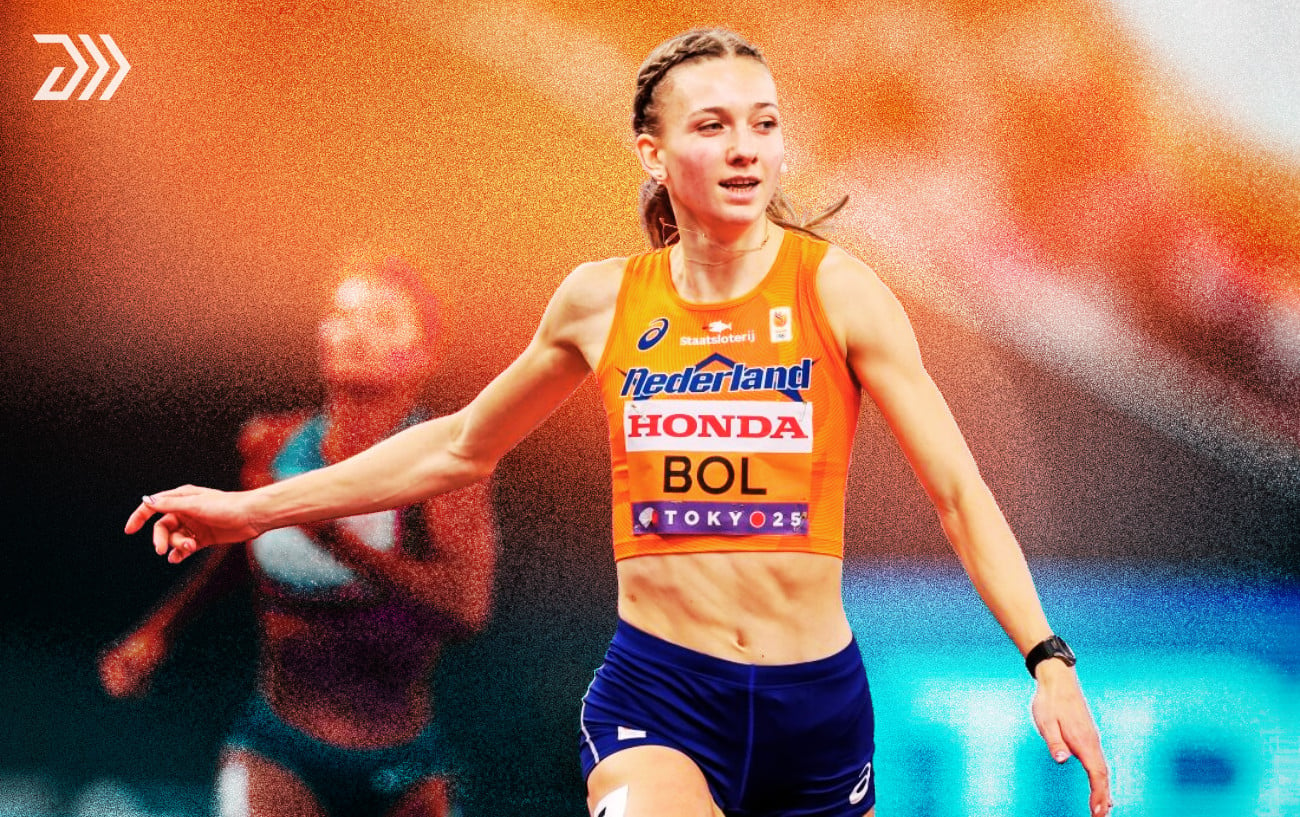
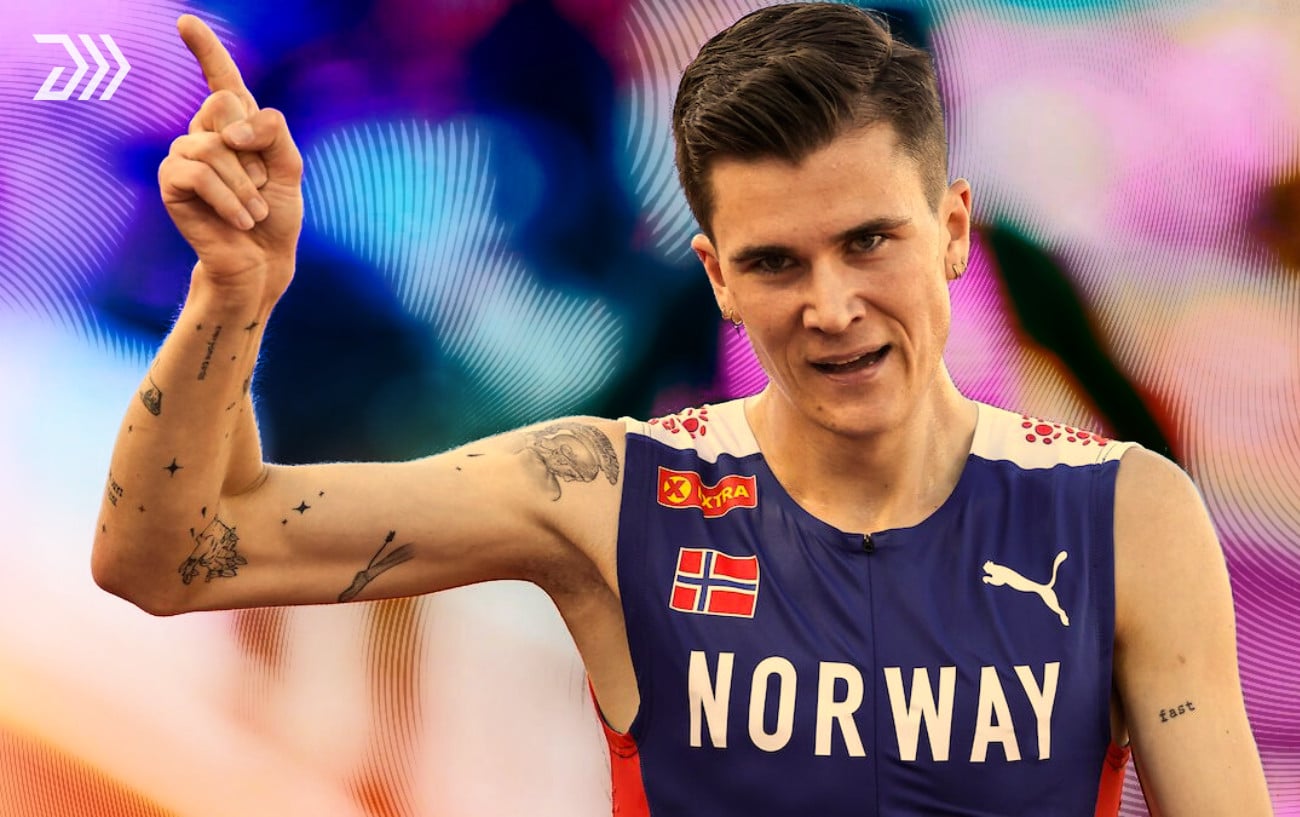
The initiative debuted at the Roma 2024 European Championships, where the first ten Gold Crowns went to Karsten Warholm, Femke Bol, Jakob Ingebrigtsen, Nadia Battocletti, Leonardo Fabbri, Sandra Elkasevic, Mondo Duplantis, Malaika Mihambo, Johannes Erm and Nafissatou Thiam. It is a lineup that shows how the scoring works in practice, spreading rewards across the track, the throws, the jumps and the combined events rather than concentrating them in the marquee sprint finals.
For runners, the structure is generous. Two of the five groups per gender, the sprints and the middle and long distances, are pure track events, and a third, the road and relays group, takes in the marathon and both relay finals. A distance runner who delivers a truly fast final has as clear a path to €50,000 as any sprinter or vaulter.

Who Could Contend in Birmingham
The final entries, confirmed on July 30, already include several athletes who have set European records this year, any of whom could score highly enough to claim a crown. Duplantis has cleared 6.31m in the pole vault, and Keely Hodgkinson ran a European indoor record of 1:54.87 over 800m. On the distance side, France’s Jimmy Gressier owns a 12:51 European 5K record and is entered in both the 5,000m and 10,000m, while the Netherlands’ Diane van Es (14:33 for 5K) and Slovenia’s Klara Lukan (29:51 for 10K) line up in the women’s 10,000m.
Add in the middle-distance depth already expected in Birmingham, with Ingebrigtsen chasing the 1,500m and 5,000m, a Josh Kerr rematch over 1,500m, and Hodgkinson and Georgia Hunter Bell in the 800m, and the middle and long distance crowns look especially loaded. European Athletics frames the Gold Crowns as part of its 2024 to 2027 strategic plan to draw the best athletes to the championships, which run through Aug. 16 at Alexander Stadium.
RunClub
Get more running stories — join RunClub
Daily running news, a community of 300,000+ runners, free training plans for every distance, and a daily running game. Free to join — no card.
Already a member? Log in →






Start the conversation