


A tweet from Canadian marathon star Rory Linkletter landed like a starting pistol last Sunday, drawing tens of thousands of views on social media and igniting a heated thread on LetsRun.com — the go-to forum for serious distance running discussion. The debate it sparked has been hard to look away from.
His target: American marathon culture, which he called out as lacking the fearless, all-in mentality that defines Japan’s elite distance running scene.
“If you put the top 50 Americans in one race and made them go out at 2:05 pace, a lot would run very fast,” Linkletter wrote on February 22. “Problem is a lot of people don’t want to put it all on the line. You have to train like a maniac, race like you don’t fear consequences. That’s the Japanese way. Too soft here.”
The post racked up 56,800 views on X and sent LetsRun commenters — never a shy crowd — deep into a familiar argument about American running culture, competitive depth, and what it actually takes to produce a generation of sub-2:10 marathoners.
If you put the top 50 Americans in one race and made them go out @ 2:05 pace a lot would run very fast. Problem is a lot of people don’t want to put it all on the line. You have to train like a maniac, race like you don’t fear consequences. That’s the Japanese way. Too soft here. https://t.co/UKjPCBKwy8
— Rory Linkletter, OLY (@ThePapaLinks) February 22, 2026
Who Is Rory Linkletter?
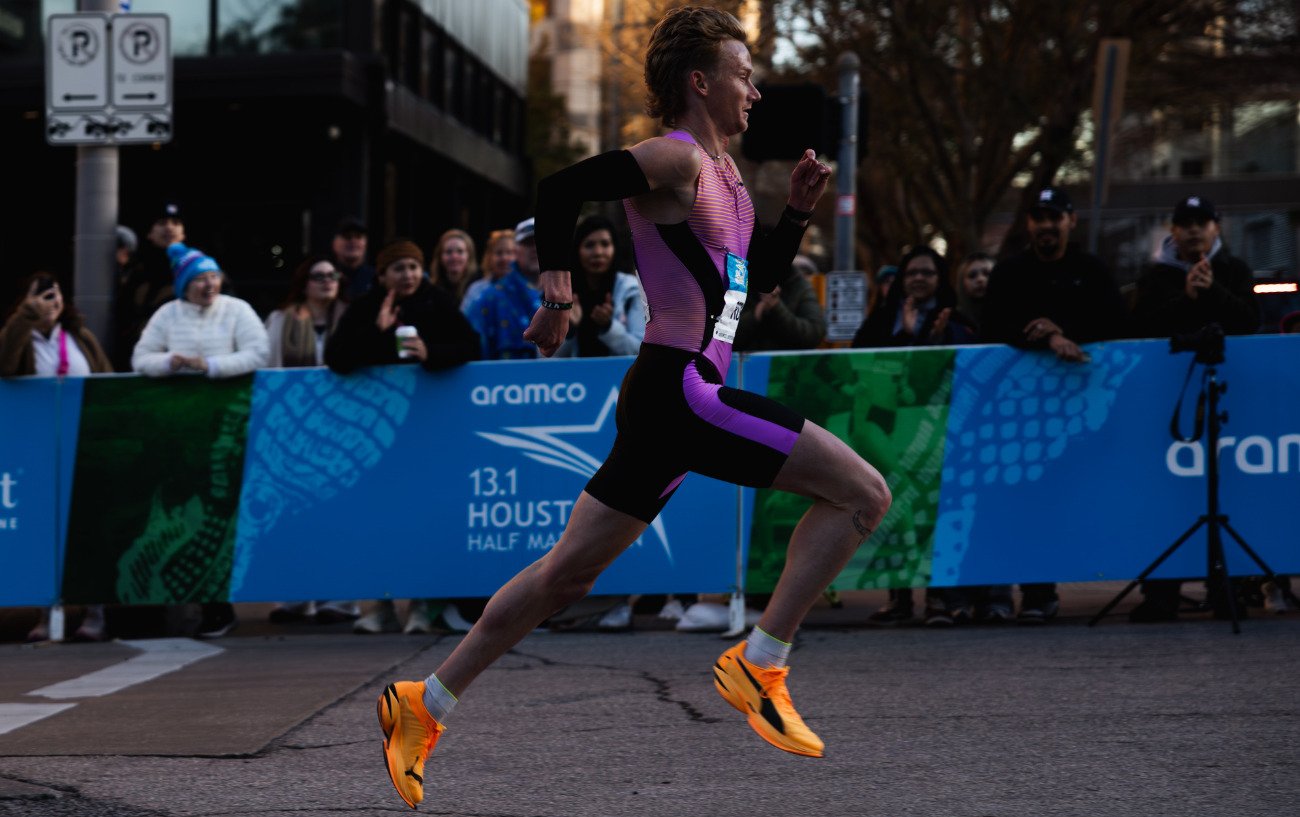
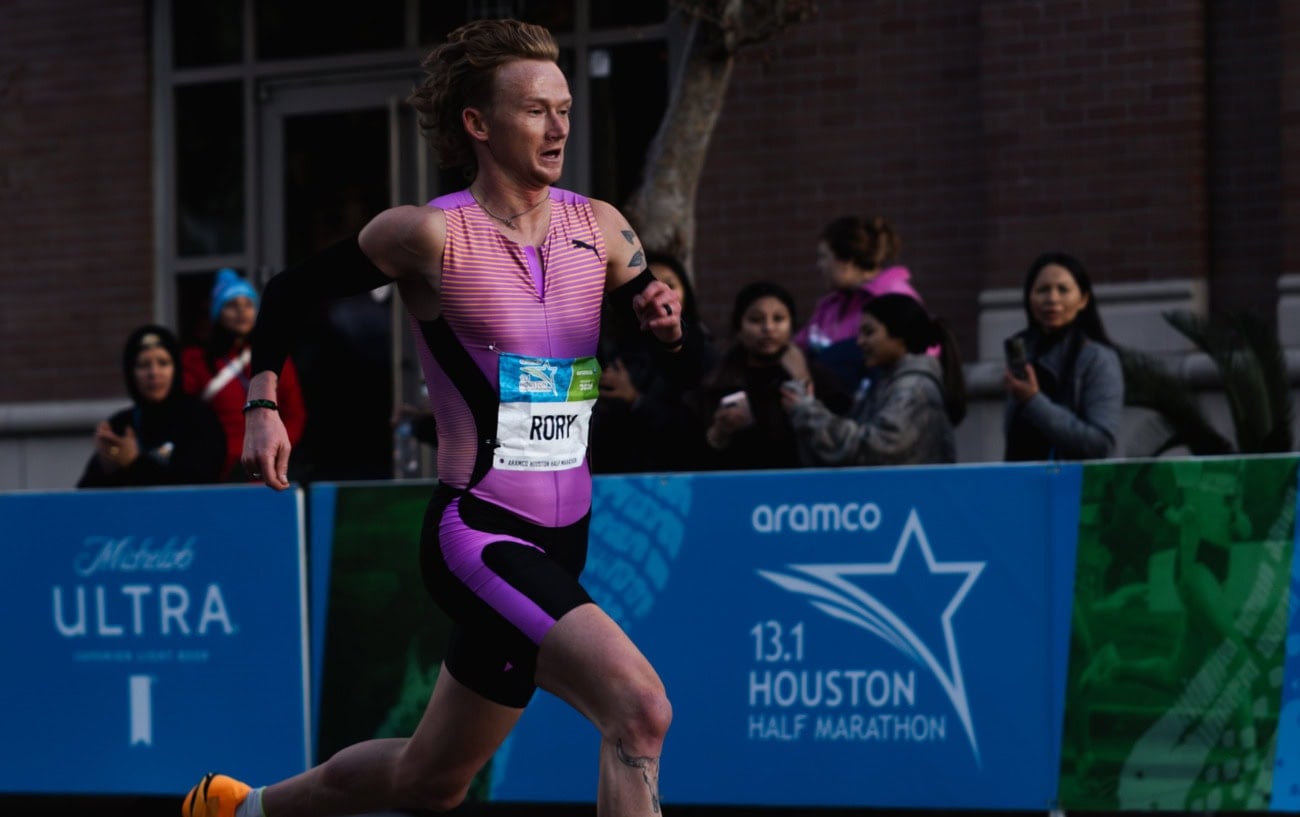
Linkletter isn’t just a Twitter commentator. The 29-year-old Calgary native is one of Canada’s best marathon runners ever, with a personal best of 2:06:49 set at the 2025 Chicago Marathon — the second-fastest marathon time in Canadian history. He represented Canada at the 2024 Paris Olympics and has competed at back-to-back World Athletics Championships.
He lives and trains in Flagstaff, Arizona, giving him a front-row seat to the American distance running scene. That context makes his criticism pointed rather than casual — this is someone inside the ecosystem, not watching from a distance.
He isn’t pointing the finger at his own country — he’s looking squarely at the American system, and what he sees is a depth problem, not a talent one.
What the Osaka Results Showed
The numbers from the 2026 Osaka Marathon tell a striking story. Ibrahim Hassan of Djibouti won the race in 2:05:20, with Ethiopian Yihunilign Adane second in 2:05:33 and Kenyan Ezra Kipketer Tanui third in 2:05:55.
But it’s what came after that caught Linkletter’s attention. Japanese runners dominated positions 5 through 50 with a level of depth that is almost hard to comprehend. Kiyoto Hirabayashi ran 2:06:14 in fifth. The 50th finisher, Akira Aizawa, clocked 2:11:05. In between, runner after Japanese runner crossed the line in the 2:07, 2:08, 2:09, and 2:10 ranges — more than 30 runners from a single country all breaking 2:11 on the same day.
Only one American appeared in the top 50: Ethan Shuley, who finished 14th in 2:07:14 — a genuinely excellent performance, but an isolated one.
The Pushback — and Linkletter’s Clarification
Not everyone agreed with Linkletter’s framing. Commenter Sean (@swim5599) pushed back immediately, pointing to Grant Fisher as evidence that American runners are anything but soft.
“I don’t think soft is the word,” Sean wrote. “You look at a guy like Grant Fisher. That guy’s got 2:02, 2:03 written all over him if he decides that’s where he wants his career to go. And there are many many other examples. And none of those dudes are soft.”
Linkletter didn’t back down, but he did clarify: “My point is depth, tip of the spear ain’t the problem.”
That distinction matters. The argument isn’t that America lacks fast marathon runners — it’s that it lacks the kind of systemic, top-to-bottom culture of competitive marathon racing that Japan has built over decades. Japan’s corporate running teams (known as jitsugyodan) place athletes in full-time employment while funding their training, creating hundreds of elite-level athletes whose sole focus is running fast. The result is a pipeline of depth that is almost unmatched anywhere in the world — as those who follow Japanese running closely know well.
A Debate Worth Having
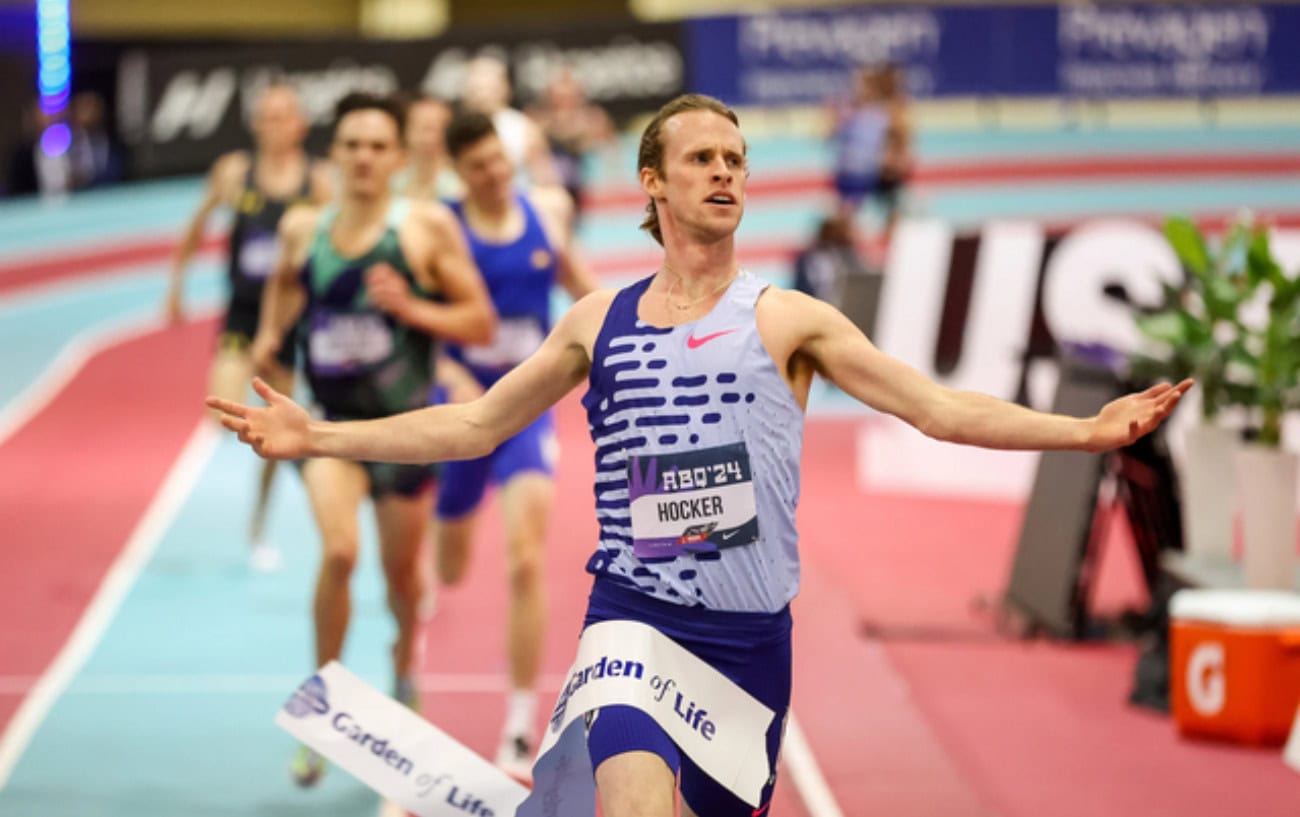
The American marathon scene has genuine stars. Grant Fisher, Clayton Young, and Leonard Korir have all posted sub-2:07 times in recent years. The women’s side is even stronger globally, led by athletes like Fiona O’Keeffe and Emily Sisson.
But Linkletter’s point is about what happens below that top tier. At Osaka, Japan sent more than 30 men under 2:11 to the finish line in a single race. That kind of collective performance doesn’t happen by accident — it’s the product of a culture that treats marathon running as a serious, system-wide endeavor rather than an individual pursuit. For context on just how deep Japanese marathon culture runs, even the women’s side of Osaka draws elite fields that most countries can only dream of matching.
Whether American runners are “too soft” is debatable. Whether the American system currently produces that kind of depth is harder to argue with.
RunClub
Get more running stories — join RunClub
Daily running news, a community of 300,000+ runners, free training plans for every distance, and a daily running game. Free to join — no card.
Already a member? Log in →


Join the conversation
100% soft. With their population, America should be dominating the world. Certainly compared to Japan should have more top performances. Don't back down Rory.
I'm 79, have run 6 marathons (5 NY), a bunch of Halves, etc.,etc. If you want to talk about "depth", look at each marathon & see how many people run 70 years & older!!!!!
I bet the US (or any other country) would have more depth of elite marathoners if we also paid more people to make running their full-time job, the way Japan apparently does.