


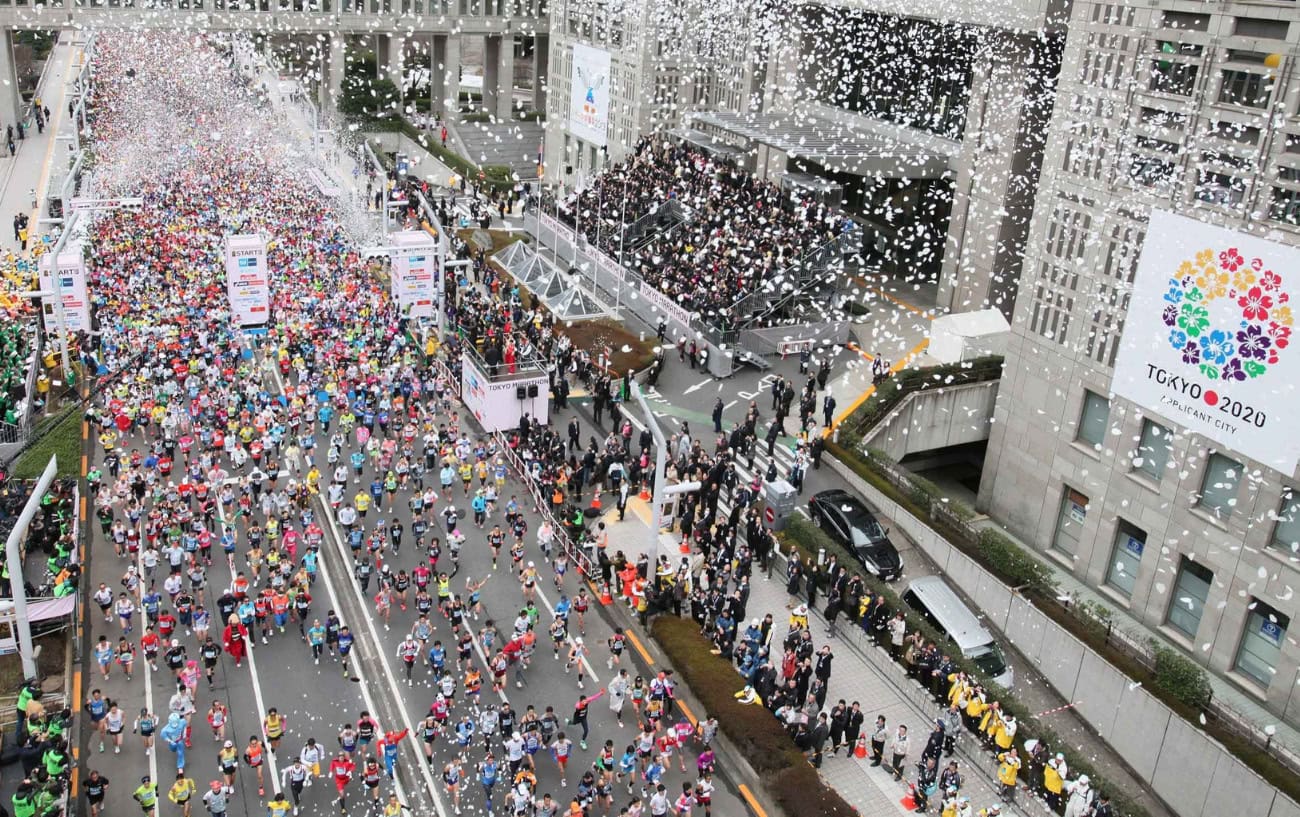
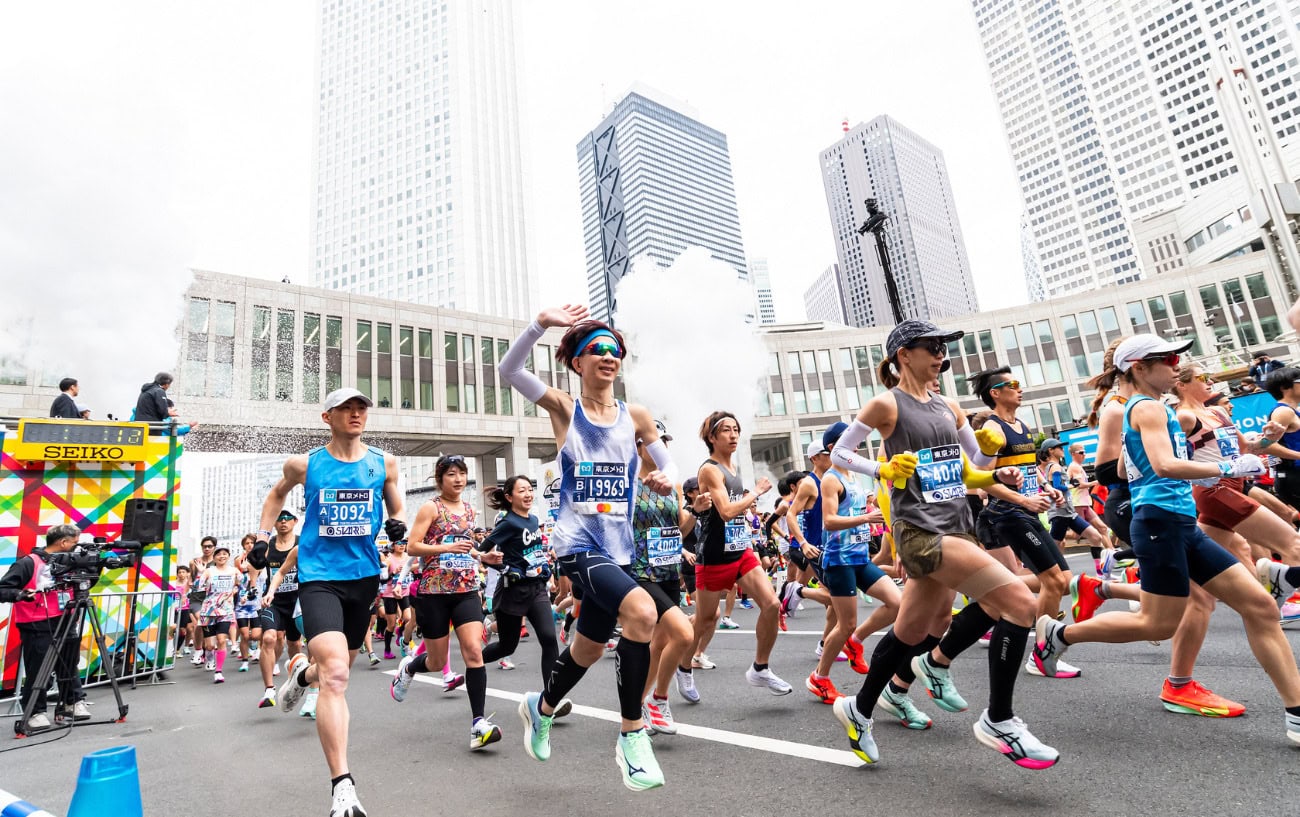
Picture this: you are in Shinjuku at 9:10 on Sunday morning. The Tokyo Metropolitan Government Building towers behind the start line. Thirty-eight thousand runners are packed into corrals. And somewhere near the front, a group of the best marathoners alive is quietly preparing to go to work.
The 2026 Tokyo Marathon is three days away, and it might be the most compelling World Marathon Major we have seen so far this spring. The men’s course record is within genuine reach. The women’s race could be the fastest on this course since the current record was set two years ago. Japan has its deepest domestic marathon field in recent memory. And a $200,000 world record bonus is sitting there, waiting.
Here is everything you need to know.

Race Day Essentials
Date: Sunday, March 1, 2026
Location: Tokyo, Japan
Start: Tokyo Metropolitan Government Building, Shinjuku
Finish: Tokyo Station, Gyoko-dori Avenue
Wheelchair start: 9:05 a.m. JST
Elite/General start: 9:10 a.m. JST
Field size: 38,500 registered participants
The course runs 42.195 kilometers through some of Tokyo’s most iconic neighborhoods — Suidobashi, Ueno, Kanda, Nihonbashi, Ginza, and Hibiya — before finishing at Tokyo Station. For those who have never watched it: think a mostly flat, wide-road urban tour through one of the great cities of the world, with the occasional bridge thrown in for scenery. It is not Boston. There are no Heartbreak Hills.
That flatness is the whole point. Eight of the ten fastest men’s performances ever recorded in Tokyo have happened in the last four years. Runners come here to go fast, and this course rewards them.
Race day cut-off is 4:10 p.m. JST — seven hours after the gun. Plenty of time for most.
Weather Forecast
As of Thursday, things are looking promising. The forecast for March 1 shows partly cloudy skies with a race-time temperature in the range of 8–12°C (47–54°F), rising to about 17°C (63°F) by midday. There is a 26 percent chance of rain, which is not nothing — a wet morning in Tokyo can take the gloss off conditions quickly — but organizers are clearly betting on the weather cooperating.
For what it is worth, the men’s course record of 2:02:16 was set in broadly similar conditions in 2024. The pacing strategy built for this year targets that mark. If the skies stay clear and the wind stays polite, Sunday’s race has all the ingredients for something special.
Prize Money
The total prize purse tops $750,000. The winners walk away with $80,000 each, and then there is the big one: a $200,000 world record bonus. Land a world record and also win the race, and you are pocketing $280,000 before taxes. Not bad for a morning run through central Tokyo.
| Place | Prize |
|---|---|
| 1st | $80,000 |
| 2nd | $30,000 |
| 3rd | $15,000 |
| 4th | $7,000 |
| 5th | $5,000 |
| 6th | $4,000 |
| 7th | $3,000 |
| 8th | $2,000 |
| 9th | $1,000 |
| 10th | $500 |
Record bonuses: World Record: $200,000 | Course Record: $20,000 | Japan National Record: ¥500,000 (approx. $3,300)
Men’s Race: The Course Record Has Never Had This Many Enemies
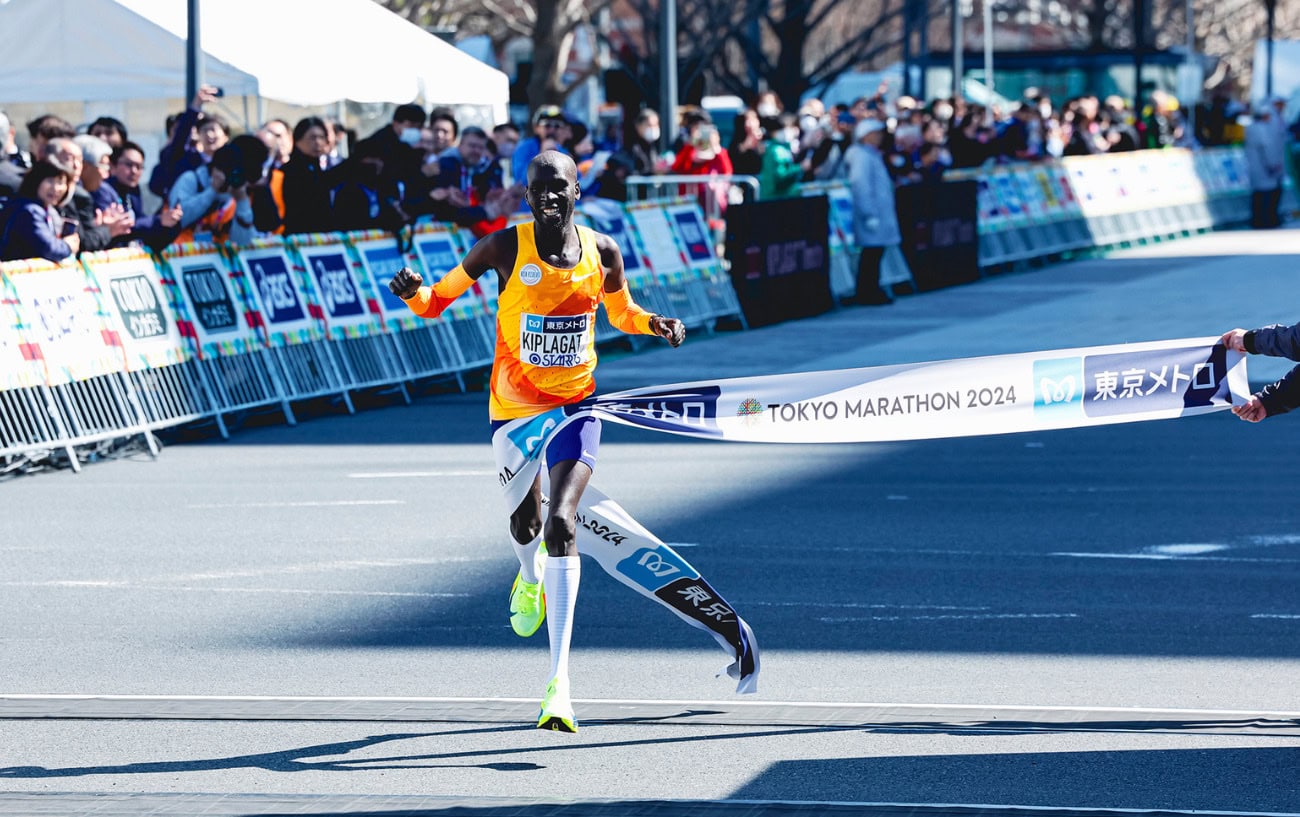
The men’s course record of 2:02:16 was set by Kenya’s Benson Kipruto in March 2024. It has stood for two years. Looking at the names on Sunday’s start list, it is hard to argue it will survive much longer.
Timothy Kiplagat (KEN) — 2:02:55 is the man who came closest. He finished second to Kipruto here in 2024, running 2:02:55 — 39 seconds off the record — in a race where he was chasing, not leading. He came back in the fall and had a rough outing in Chicago. He is back in Tokyo now, and the only thing motivating him more than the bonus is unfinished business. If the pace goes out where organizers want it, Kiplagat in this setting is about as dangerous as it gets.
Tadese Takele (ETH) — 2:03:23 is the defending champion. He was 23 years old when he won here last March. Before that race, very few people outside the athletics community had him circled as a title contender. He has that quiet, unhurried stride that seems effortless through 35 kilometers and devastating by 40. He is not close to his ceiling yet, which is either exciting or alarming depending on your perspective.
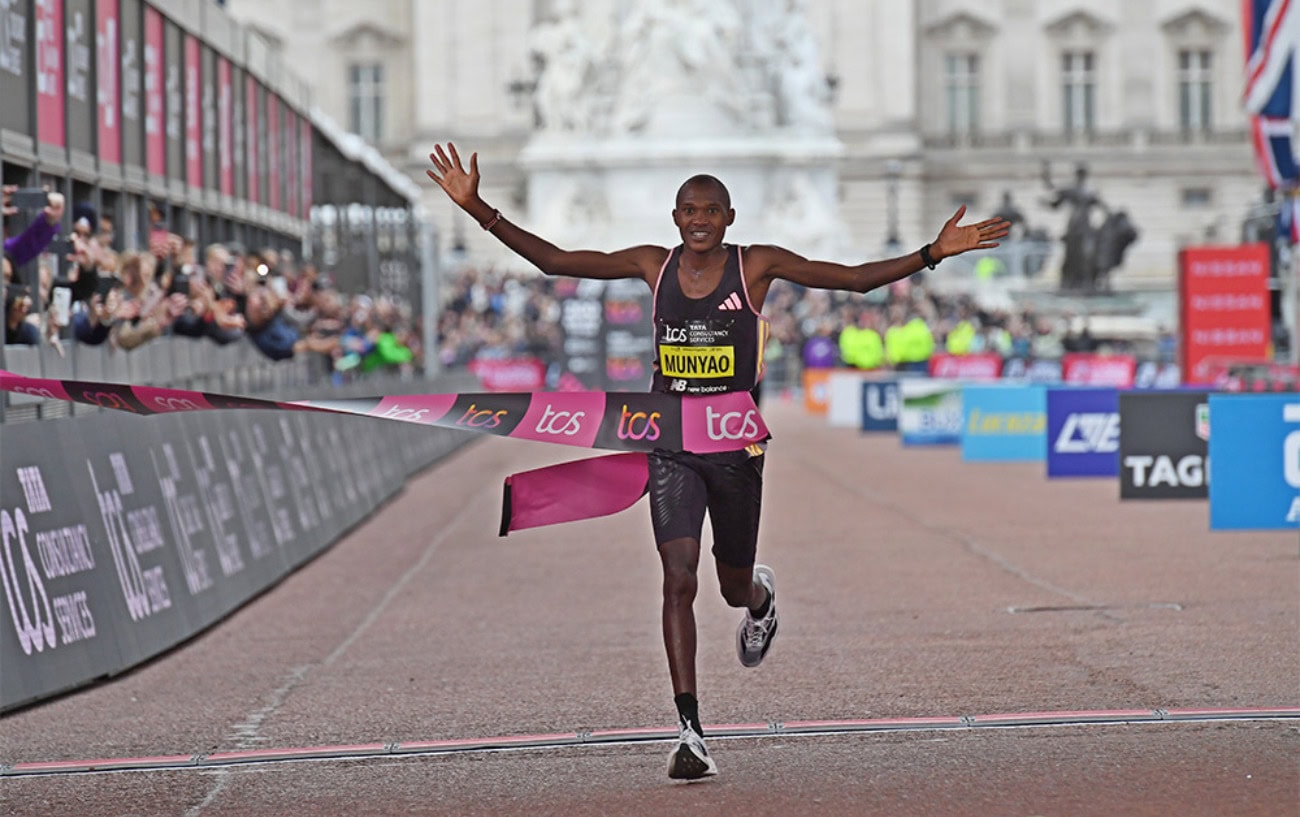
Alexander Mutiso Munyao (KEN) — 2:03:11 is making his Tokyo debut. The 2024 London Marathon champion already knows what winning a World Major feels like, and Tokyo has a familiarity with him too — he runs for ND Software, a Japanese corporate team. First-timers on this course sometimes take a lap to figure it out. Something tells us Mutiso Munyao will not need a second chance.
Milkesa Mengesha (ETH) — 2:03:17 won the 2024 Berlin Marathon, then won the 2025 Shanghai Marathon. Consistency across different courses in different conditions is one of the most underrated things in marathon running, and Mengesha has it in abundance.
Selemon Barega (ETH) — 2:05:15 is the wildcard. You may remember him from the 10,000 meters final at the Tokyo 2020 Olympics — the one where he came from nowhere in the last 300 meters to win gold. He has been making his way onto the roads since, debuting in 2:05:15 at Seville, then winning the Tokyo Legacy Half Marathon. The track brain, the championship instinct, the finishing speed — it is all there. The question mark over every track-to-road transition is the second half of a hard marathon, when the legs start lying to you. Sunday will be informative.
Beyond that top group, the depth is quietly remarkable. Vincent Kipkemoi Ngetich (2:03:13), Geoffrey Toroitich (2:03:30), Dawit Wolde (2:03:48), and Morhad Amdouni (2:03:47) are all capable of winning races at this level on the right day. There is no soft section of this field.
Men’s Elite Field
| Athlete | Country | PB |
|---|---|---|
| Timothy Kiplagat | Kenya | 2:02:55 |
| Alexander Mutiso Munyao | Kenya | 2:03:11 |
| Vincent Kipkemoi Ngetich | Kenya | 2:03:13 |
| Milkesa Mengesha | Ethiopia | 2:03:17 |
| Tadese Takele | Ethiopia | 2:03:23 |
| Geoffrey Toroitich | Kenya | 2:03:30 |
| Morhad Amdouni | France | 2:03:47 |
| Dawit Wolde | Ethiopia | 2:03:48 |
| Daniel Mateiko | Kenya | 2:04:24 |
| Suguru Osako | Japan | 2:04:55 |
| Selemon Barega | Ethiopia | 2:05:15 |
| Seifu Tura | Ethiopia | 2:05:17 |
| Cam Levins | Canada | 2:05:36 |
| Ryotaro Kondo | Japan | 2:05:39 |
| Suldan Hassan | Sweden | 2:05:57 |
| Muktar Edris | Ethiopia | 2:05:59 |
| Tsubasa Ichiyama | Japan | 2:06:00 |
| Iliass Aouani | Italy | 2:06:06 |
| Kengo Suzuki | Japan | 2:06:18 |
| Naoki Koyama | Japan | 2:06:33 |
Women’s Race: A Collision Course Two Years in the Making
The women’s race may actually have the more compelling head-to-head at the front, which is saying something given the men’s field.
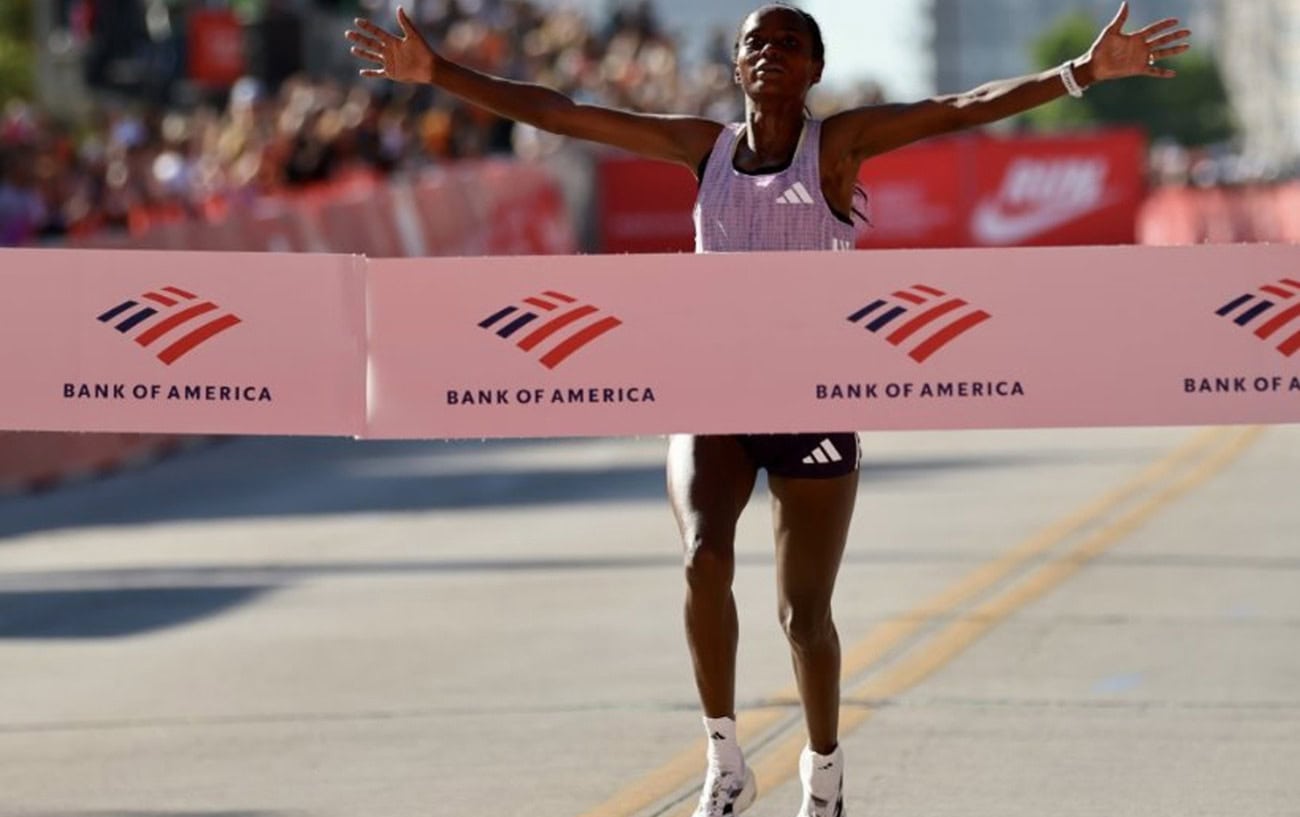
Hawi Feysa (ETH) — 2:14:57 won the 2025 Chicago Marathon in one of the fastest performances in the history of women’s marathon running — the fifth-fastest at the time. She is aggressive, she likes flat courses and honest pacing, and she does not seem particularly interested in waiting around to see how the race unfolds. Tokyo suits her.
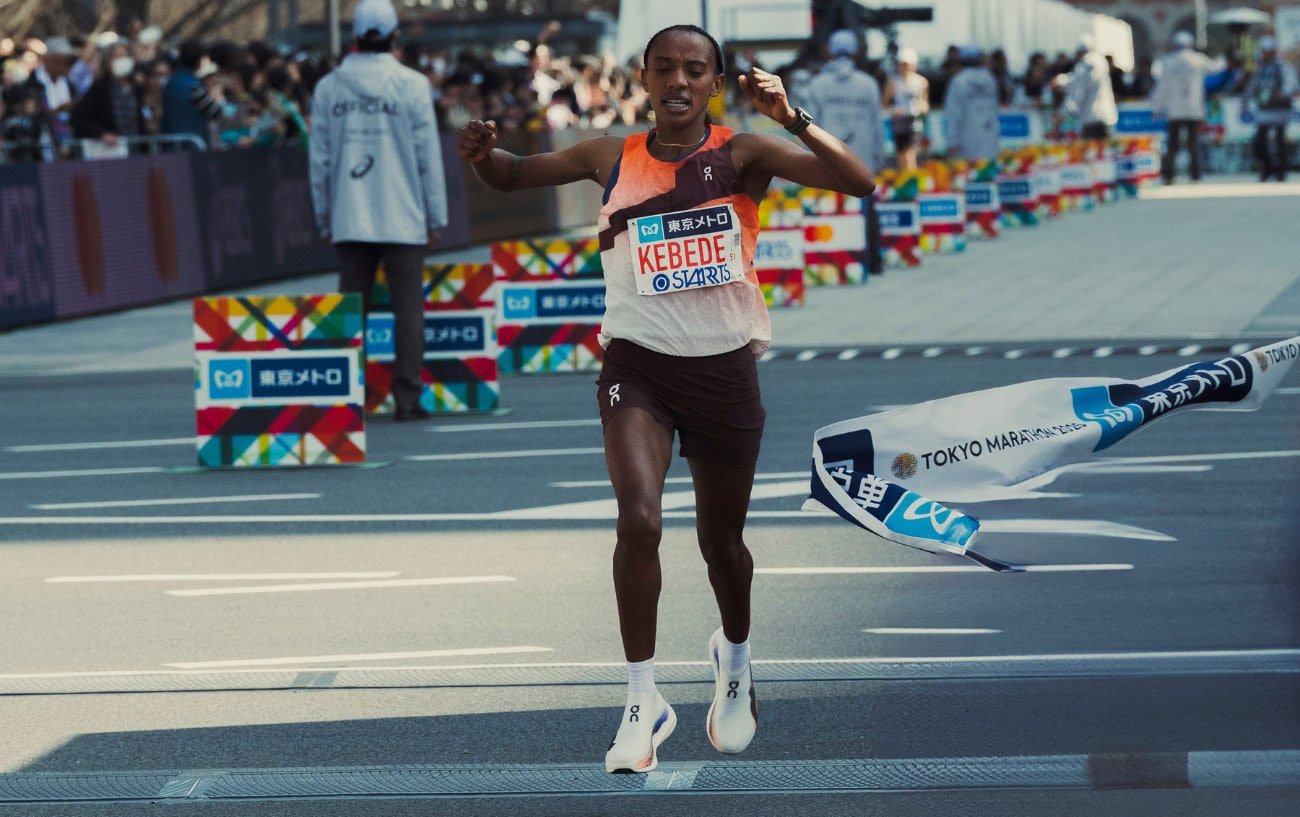
Sutume Asefa Kebede (ETH) — 2:15:55 is the two-time defending champion and the current course record holder. She has won here in 2024 and 2025. She is now chasing a third consecutive Tokyo title, which would be one of the standout achievements in the recent history of the World Majors. She knows this course better than anyone on the start list — every bridge, every wind shadow, every turn between Shinjuku and Tokyo Station. Whether that institutional knowledge is enough to contain Feysa’s current form is the defining question of Sunday’s women’s race.
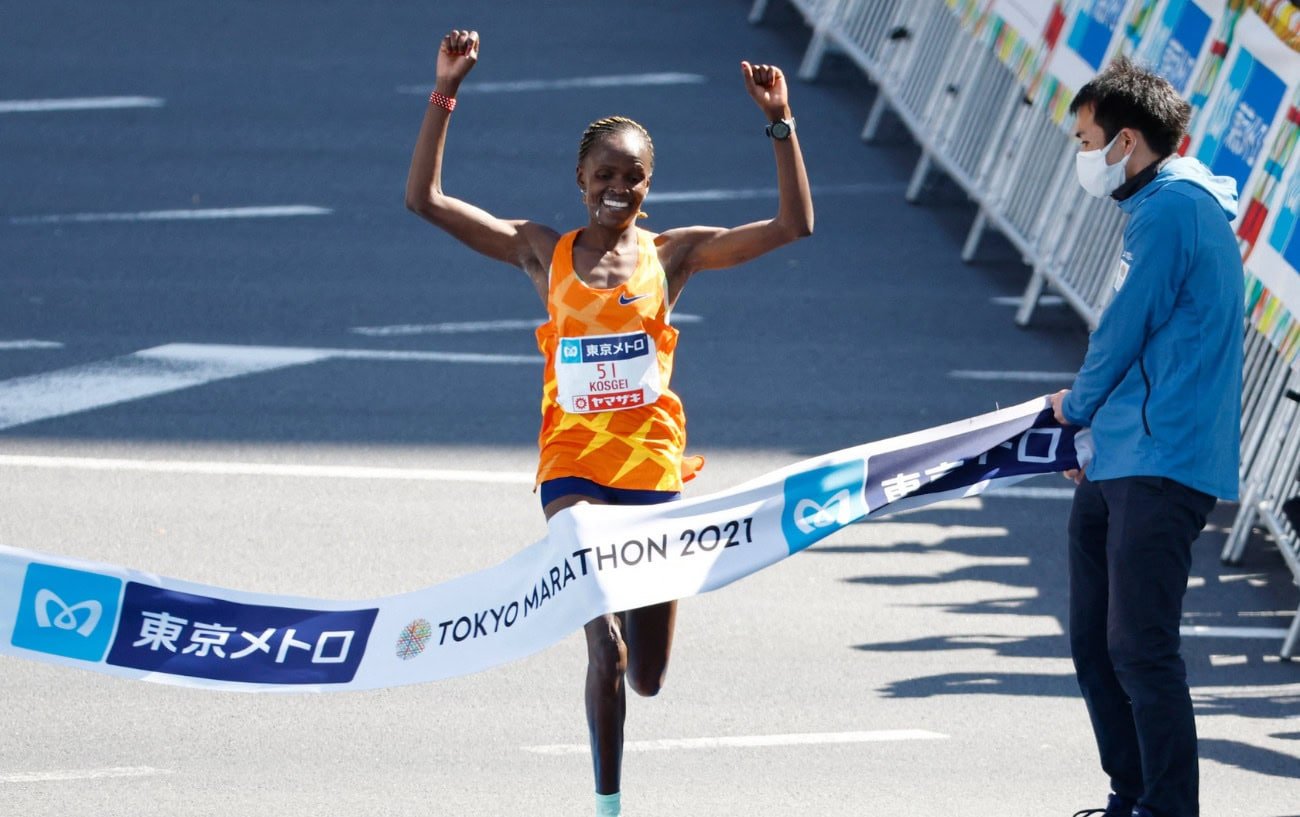
Brigid Kosgei (KEN) is a former world record holder — she ran 2:14:04 in Chicago in 2019, a mark that stood for five years. She had a quieter stretch after that, which happens to even the best in the sport. But she came back last year to win in Shanghai, and when Kosgei is fit and focused on a fast course, you never write her off. Her presence here makes an already complicated race even harder to call.
Rosemary Wanjiru (KEN) — 2:16:14 is exactly the kind of runner you can get distracted enough to overlook. Please do not. She won here in 2023. She finished second here in 2024. She won the 2025 Berlin Marathon. She has been on a podium in three consecutive Tokyo Marathons and keeps showing up ready for a fight.
Ai Hosoda (JPN) — 2:20:31 has announced that this will be her last competitive marathon. She has been refreshingly direct about her intentions: this is not a farewell lap. She wants a personal best. Her current mark of 2:20:31 was set at Berlin in 2024, and the 40,000-plus people watching her run through her home streets on Sunday will be desperate for her to go faster.
Women’s Elite Field
| Athlete | Country | PB |
|---|---|---|
| Brigid Kosgei | Kenya | 2:14:04 |
| Hawi Feysa | Ethiopia | 2:14:57 |
| Sutume Asefa Kebede | Ethiopia | 2:15:55 |
| Rosemary Wanjiru | Kenya | 2:16:14 |
| Megertu Alemu | Ethiopia | 2:16:34 |
| Bertukan Welde | Ethiopia | 2:17:56 |
| Mestawut Fikir | Ethiopia | 2:18:48 |
| Mekides Shimeles | Ethiopia | 2:19:56 |
| Waganesh Mekasha | Ethiopia | 2:20:26 |
| Ai Hosoda | Japan | 2:20:31 |
| Malindi Elmore | Canada | 2:23:30 |
| Sara Hall | USA | 2:23:45 |
| Yumi Yoshikawa | Japan | 2:25:20 |
The Japanese Story: More Than Local Interest
Every Tokyo Marathon has a domestic storyline, because Japan cares about this race in a way that is hard to fully convey to someone who has not been there on race day. The country’s marathon culture — shaped in part by traditions like the famous Hakone Ekiden relay — runs deep, and this event is its biggest stage.
But this year’s Japanese narrative has more urgency than most. Tokyo is a qualifying gateway for the Los Angeles 2028 Olympics under Japan’s MGC First Pass system — hit the standard before the formal trials and you are effectively in the door. The men’s target is 2:03:59. The women’s is 2:26:50. Those are genuinely within reach for several athletes in this field.
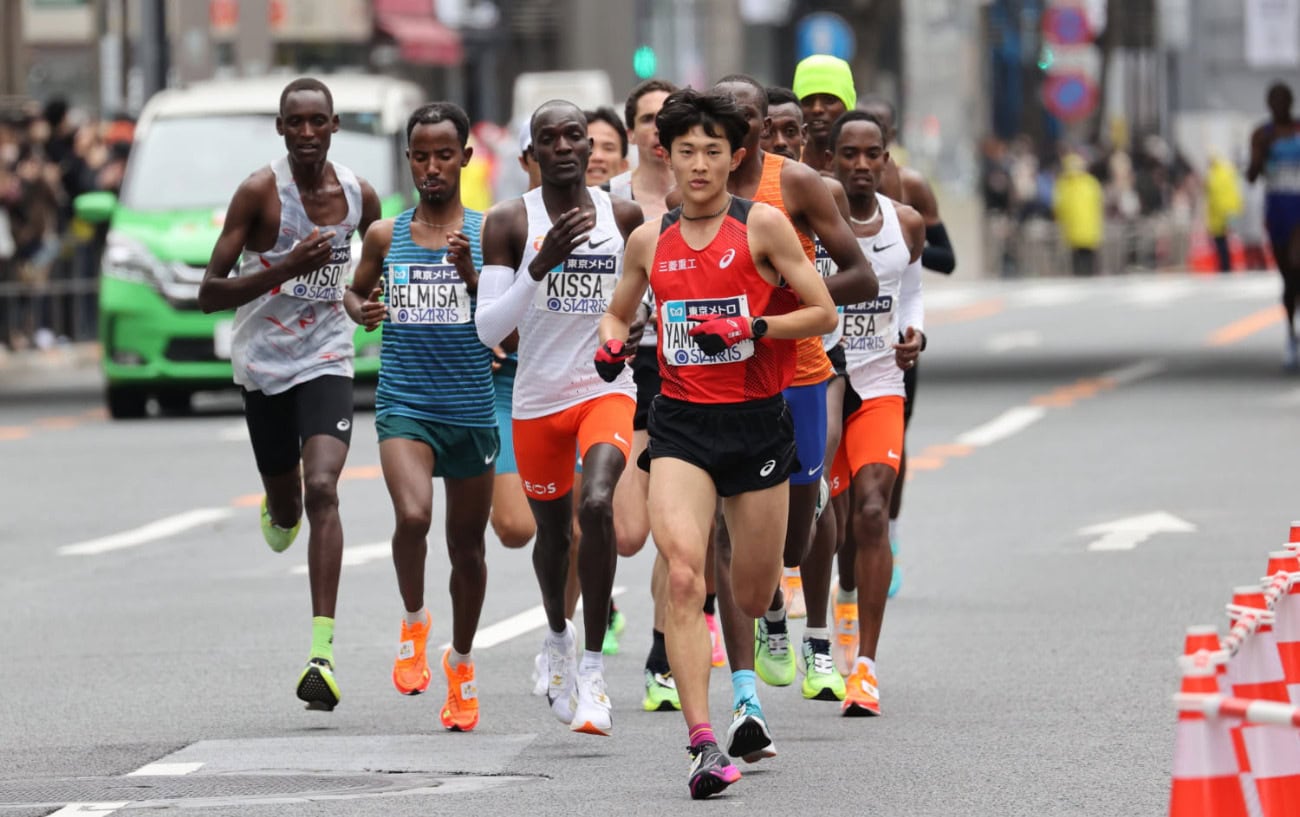
On the men’s side, Suguru Osako dropped a stunning 2:04:55 national record in Valencia last December. At 32 years old, he is still rewriting his own story. Kengo Suzuki — the former national record holder who recently turned professional — ran 2:06:18 in Osaka this year and looks reinvigorated. Ryotaro Kondo, Tsubasa Ichiyama, Naoki Koyama, and the promising Aoi Ota all have a shot at something significant on Sunday.
For the women, Yumi Yoshikawa and Chikako Mori are pushing for strong finishes and potential Olympic qualification marks, though Hosoda’s farewell will almost certainly dominate the domestic conversation regardless of what time she runs.
A Race Built for Records
Tokyo’s pacemaking setup for 2026 is unusually ambitious, even by World Major standards. Race organizers are using a multi-tiered system with parallel pace bikes relaying real-time split data and projected finish times to athletes and their coaches as the race unfolds. The men’s pacers are set to maintain course-record tempo deep into the second half. The women’s targets are sub-2:16 splits.
It is worth pointing out that none of this matters if the athletes do not cooperate. Records cannot be forced. But the infrastructure is in place for something extraordinary, and next year the Tokyo Marathon turns 20. Organizers have been open about wanting to see a world record on this course before that anniversary.
Sunday might be the closest that ambition has ever come to being realized.
All-Time Records on This Course
Men’s Top Five Performances at Tokyo
| Time | Athlete | Year |
|---|---|---|
| 2:02:16 | Benson Kipruto (KEN) | 2024 |
| 2:02:40 | Eliud Kipchoge (KEN) | 2022 |
| 2:02:55 | Timothy Kiplagat (KEN) | 2024 |
| 2:03:13 | Amos Kipruto (KEN) | 2022 |
| 2:03:23 | Tadese Takele (ETH) | 2025 |
Women’s Top Five Performances at Tokyo
| Time | Athlete | Year |
|---|---|---|
| 2:15:55 | Sutume Asefa Kebede (ETH) | 2024 |
| 2:16:02 | Brigid Kosgei (KEN) | 2022 |
| 2:16:14 | Rosemary Wanjiru (KEN) | 2024 |
| 2:16:28 | Rosemary Wanjiru (KEN) | 2023 |
| 2:16:56 | Winfridah Moraa Moseti (KEN) | 2025 |
How to Watch
US viewers can catch the 2026 Tokyo Marathon live on FloTrack, with coverage presented by Saucony. In Japan, the race airs on Nippon Television Network (NTV). The official Tokyo Marathon website (marathon.tokyo/en) will also have streaming and highlights.
The race starts at 9:10 a.m. JST on Sunday, March 1. For US viewers that is 7:10 p.m. EST / 4:10 p.m. PST on Saturday, February 28.
Set your alarm. This one is worth staying up for.
RunClub
Get more running stories — join RunClub
Daily running news, a community of 300,000+ runners, free training plans for every distance, and a daily running game. Free to join — no card.
Already a member? Log in →




Start the conversation