


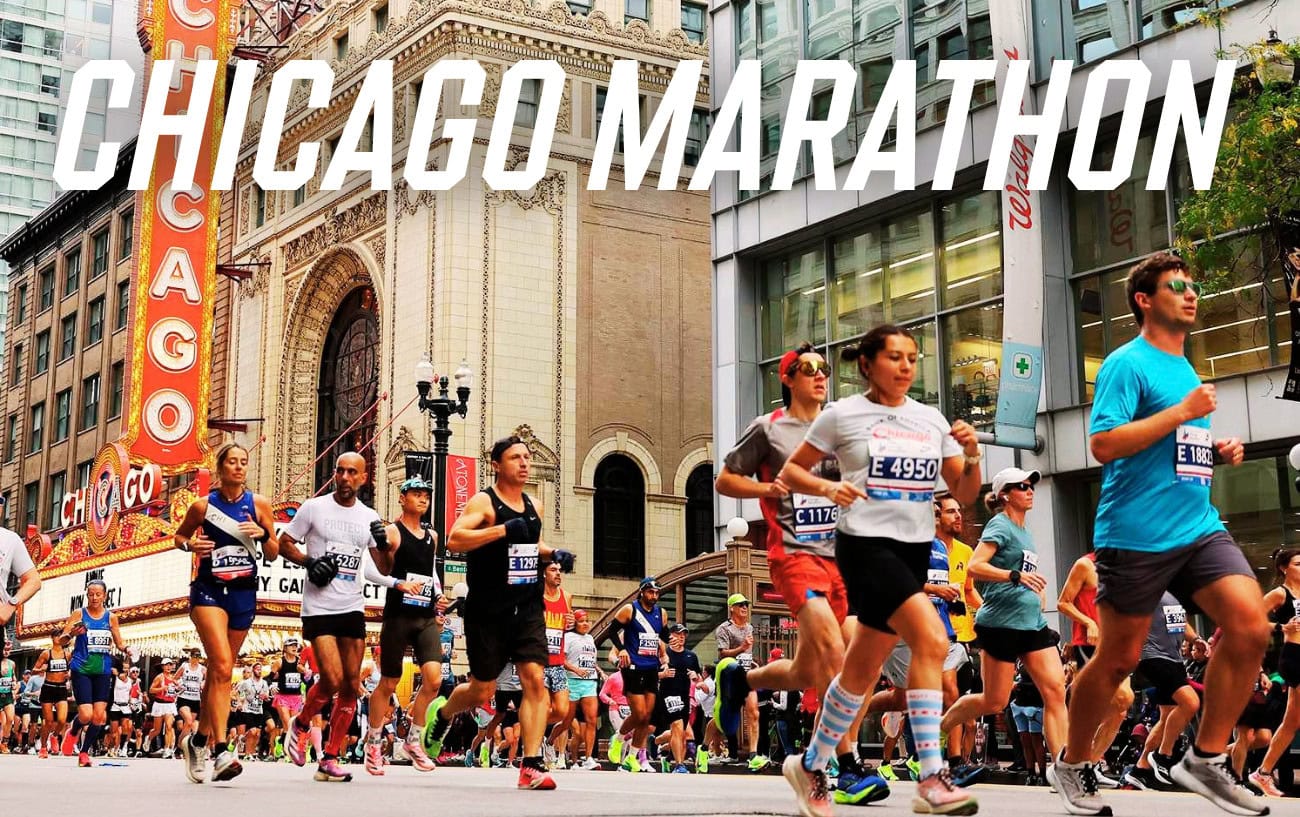
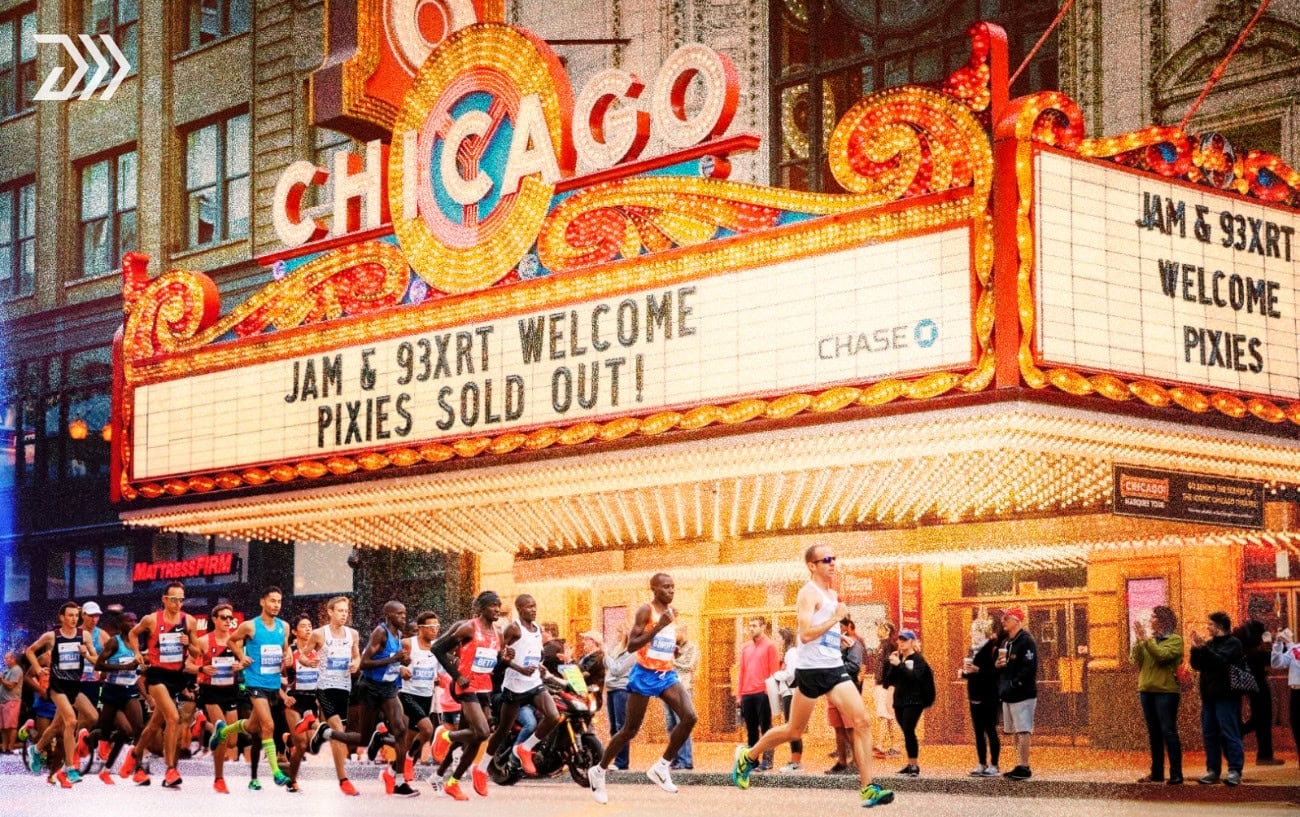
The Chicago Marathon will field more than 55,000 registered runners on Oct. 11, the largest entry in the race’s history and the latest marker of a running boom that has swelled the world’s major marathons to record sizes.
The 55,000 figure counts registered runners rather than finishers, which are always fewer. Chicago’s finisher record stands at 52,150, set in 2024. A record 160,000 people applied to run the 2025 race, far more than the roughly 50,000 places the course can hold.
Chicago is one of the World Marathon Majors, the sport’s seven biggest annual road races. The series added Sydney in 2025, joining Tokyo, Boston, London, Berlin, New York and Chicago itself. Completing all seven has become a goal for tens of thousands of amateur runners, one of the forces that has pushed applications well beyond the places any single race can offer.
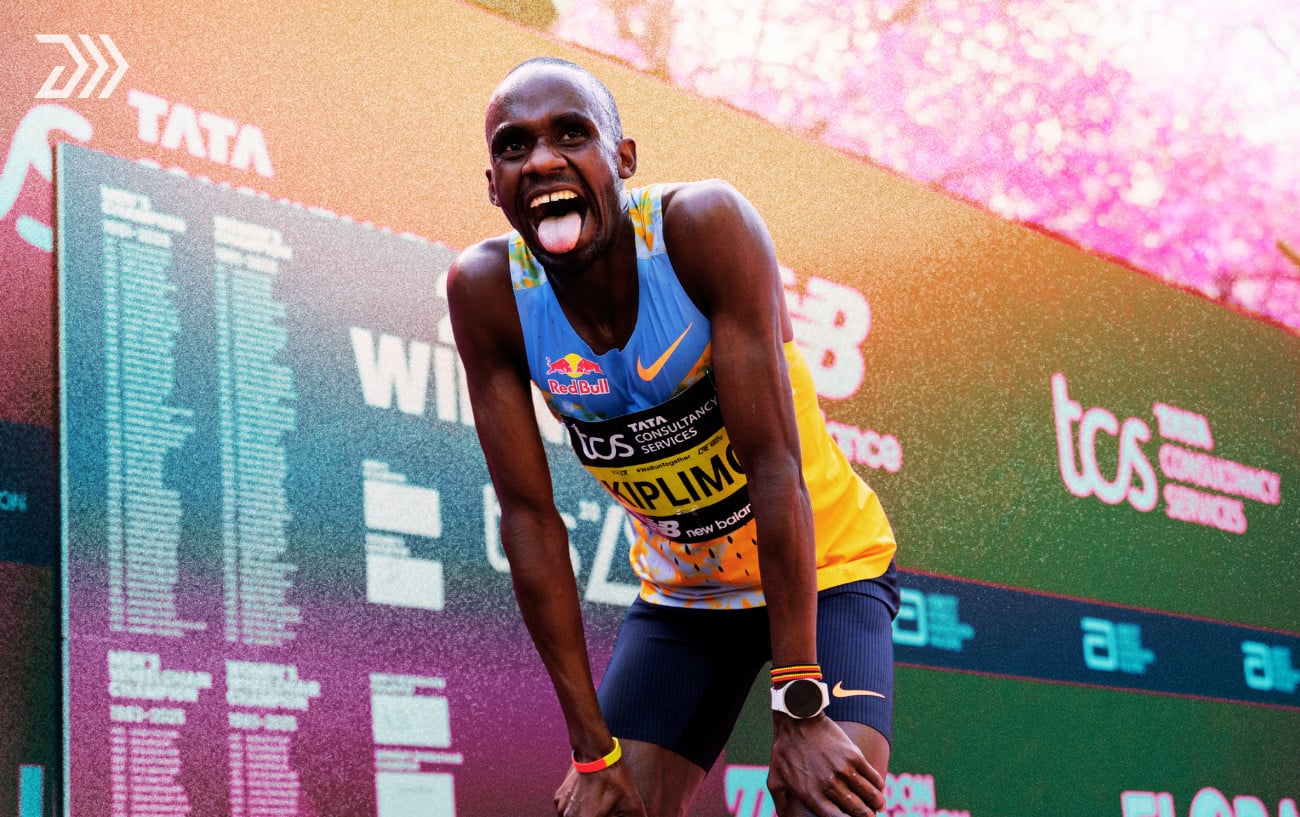
Chicago’s growth follows a pattern across those races. In April 2026, London staged the largest marathon in history, with 59,830 finishers. It edged the record New York had set five months earlier, when 59,226 runners finished the 2025 race, itself more than double the roughly 25,000 New York was held to in 2021 under pandemic limits. London and New York have traded the title repeatedly as both have grown. Berlin has fielded close to 50,000 in recent years, and participation across the majors has risen almost every year since races returned to full capacity.
Demand has outpaced the growth of the races themselves. London reported more than 1.1 million entries for its 2026 ballot, the largest any marathon has recorded, for a field of about 60,000. Chicago drew 160,000 applications for roughly 50,000 places. New York and the other majors turn away far more runners than they accept, and most now fill their general-entry spots by lottery, with charity places and, at some races, qualifying times accounting for the rest. Organizers say the 2026 Chicago field again ranges from professional contenders to charity fundraisers and debut marathoners, the kind of first-timers who have swelled fields across the sport.
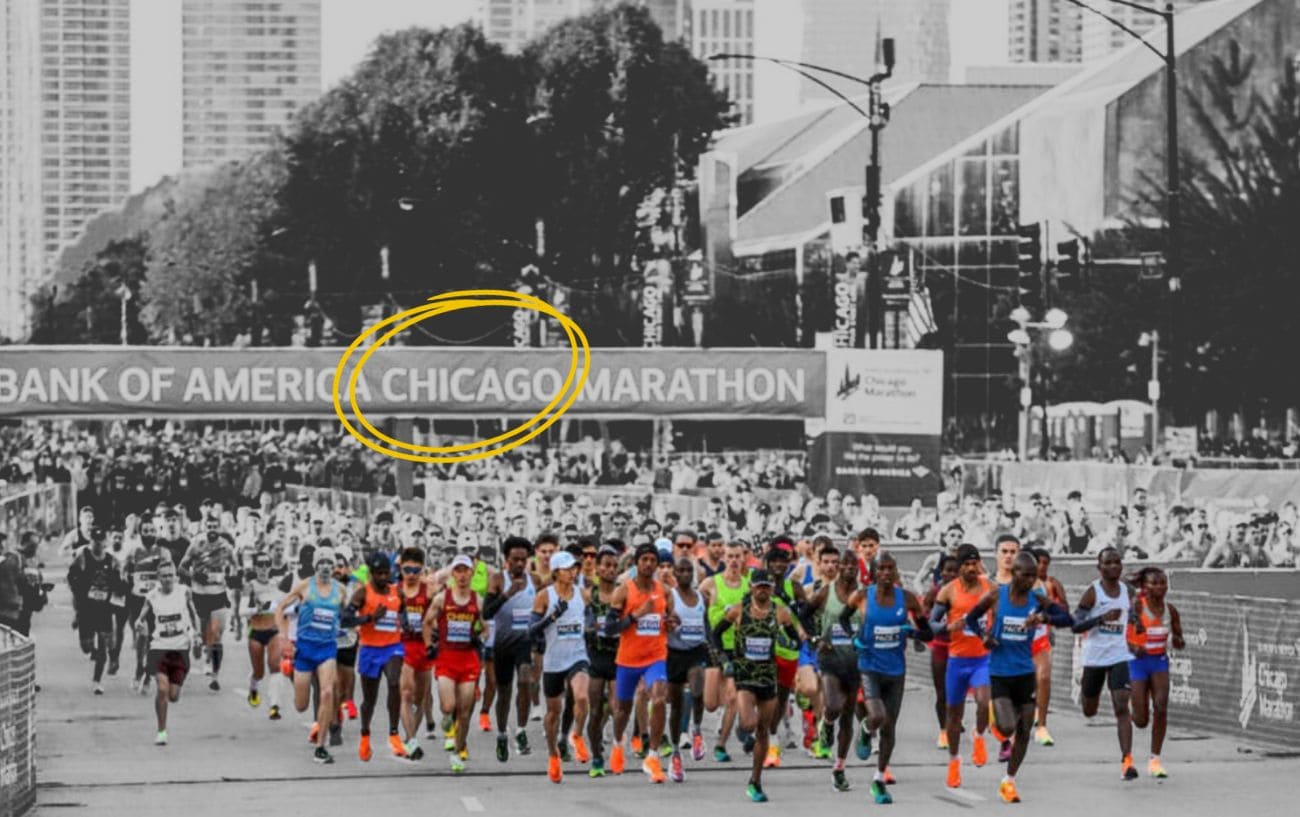
Not every major has grown the same way. Boston, which admits most of its field by qualifying time, held about 30,000 runners in 2025. Tokyo capped its 2024 race at a little over 37,000. Sydney, which became the seventh World Marathon Major in 2025, finished about 33,000 runners in its first year at that level. Applications for its 2026 race then climbed 56 percent to more than 123,000. New York, London, Berlin and Chicago now regularly field 50,000 or more, a size that was rare for a single marathon a decade ago.
The number each race admits is set by what its host city can absorb rather than by how many want to run. Chicago says its marathon generates more than $756 million a year for the local economy, and its course closes streets through 29 neighborhoods for the morning. Organizers hold entries to a level the roads, transport and medical support can handle, then allocate the places left after charity and qualifying entries.
The 2026 race sets off from Grant Park on the morning of Oct. 11, a 7:30 start, after a three-day expo at McCormick Place. Chicago is the second of three World Marathon Majors held each fall, run between Berlin in September and New York in November.
RunClub
Get more running stories — join RunClub
Daily running news, a community of 300,000+ runners, free training plans for every distance, and a daily running game. Free to join — no card.
Already a member? Log in →






Start the conversation