


The Copenhagen Half Marathon moved to a lottery for its 2027 race and made room for the biggest field in its history, 45,000 runners, but by the time entries closed on Sept. 30, 188,522 people had put their names in. Sparta Atletik & Løb, the nonprofit club that organizes the race, released the final count on Thursday, Oct. 1, as reported by the Copenhagen Post.
That is a little more than four applicants for every place, which leaves anyone who entered with roughly a one-in-four chance of getting in. Sparta ran a lottery for its other big race only a few months ago, and the Copenhagen Marathon drew 80,937 entries for 35,000 places for its May 9, 2027 race, about 2.3 per spot. The half has just 10,000 more places to give out, and it pulled in well over twice as many applicants.
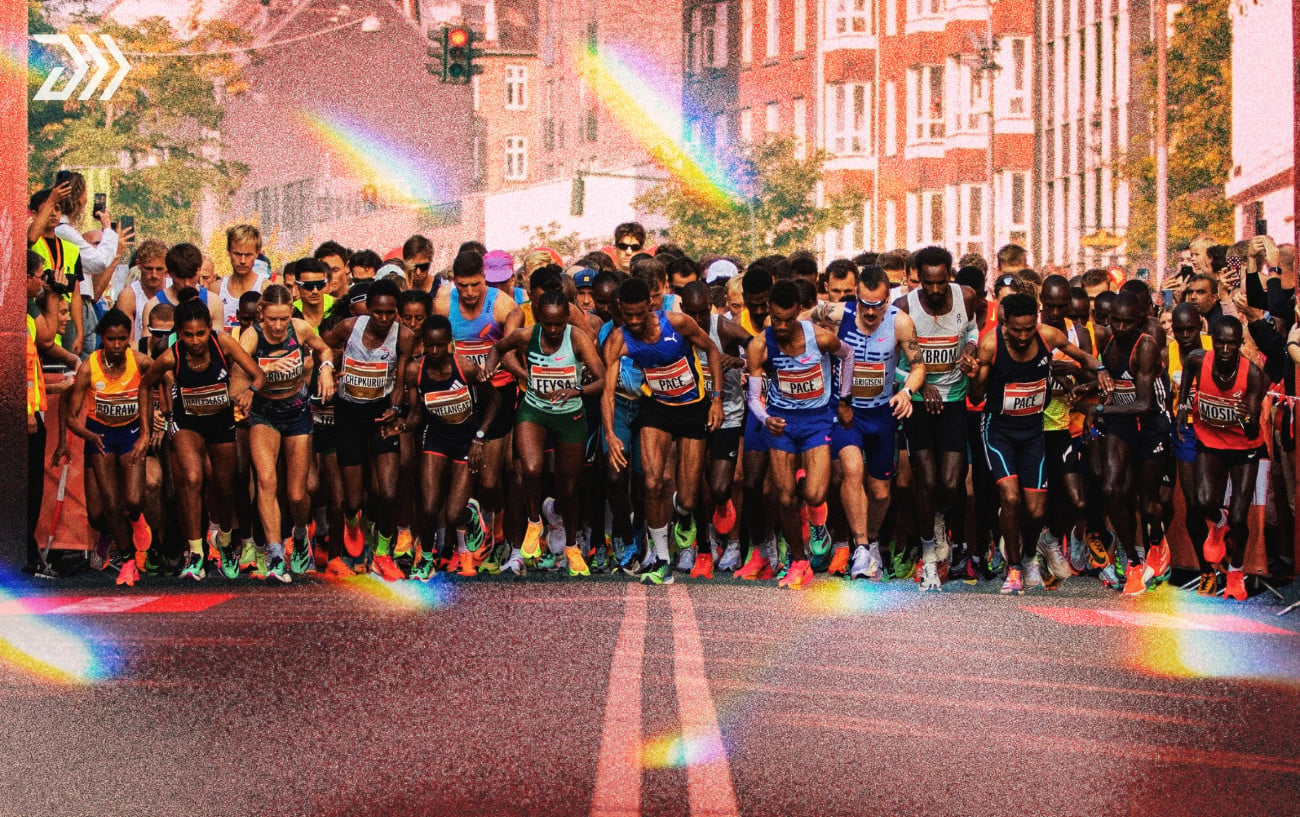
CEO Dorte Vibjerg credited the city and the people who line its streets. “This shows how effectively Copenhagen and the city’s dedicated spectators draw in running enthusiasts from all over the world,” she said in a statement translated from Danish. She would have liked to take everyone, she said, but the course and the runners’ area after the finish can only hold so many people before the experience and safety start to slip.
The draw opened on Sept. 16, the same week Copenhagen hosted the World Athletics Road Running Championships. Four days later, on the city’s streets, Agnes Ngetich ran 1:05:15 for a women-only half-marathon world record, and Andreas Almgren of Sweden won the men’s title in a European record of 58:06. Entries poured in through that week: 47,320 in the first 12 hours and more than 100,000 by Sept. 19, according to the organizers. About 70 percent of them came from outside Denmark, with the U.K., Germany, Norway and Sweden the biggest markets after the hosts.
What Happens Next for Runners in the Draw
Sparta starts emailing the first successful applicants on Oct. 5, and they get 48 hours to pay for an entry. The price is DKK 795 ($120) plus a 5 percent administration fee, or about DKK 835 ($126) in all. Any place left unpaid after 48 hours goes to another applicant chosen at random, so runners stay in the draw until they are either picked or told they have missed out. Vibjerg’s advice to the lucky ones was simple: watch the inbox and finish the booking before the deadline, or the bib moves on to someone else.

Friends who wanted to run together could apply as a group of two or three, and a group comes out of the draw as one, so either everyone in it gets a place or nobody does. Organizers have said a draw is the fairest way to share out places when so much of the demand comes from abroad, an argument more big races are making as they face the debate over whether lotteries are fair. The Berlin Marathon opened its own 2027 draw on the same day the Copenhagen numbers came out, and those who miss out on both still have big races that take entries without a lottery.
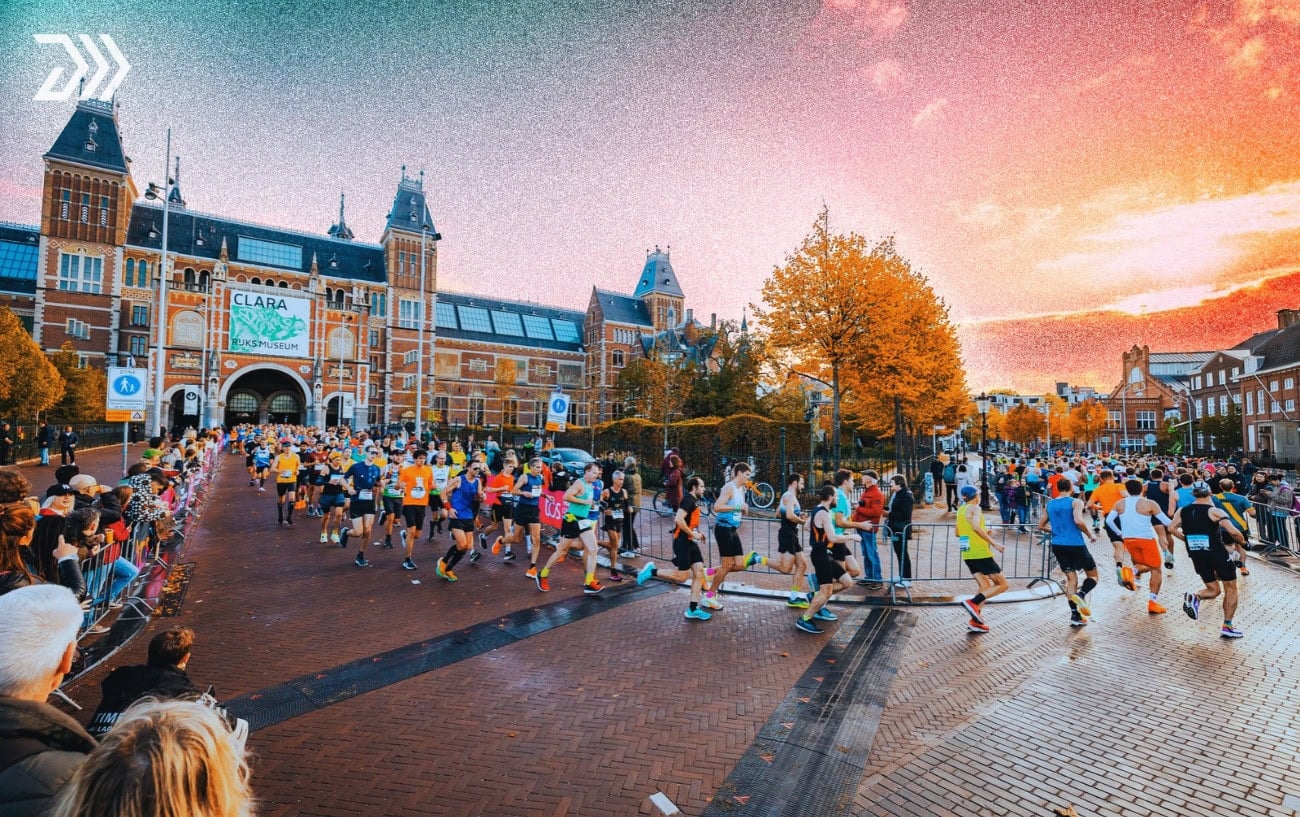
This year’s mass race, run alongside the world championships, had 35,000 entrants, so the 2027 field will be 10,000 bigger. Next year’s edition, back on its own after a year as part of the championships, is on Sunday, Sept. 19, 2027, at the race where Geoffrey Kamworor ran 58:01 for a world record in 2019.
RunClub
Get more running stories — join RunClub
Daily running news, a community of 300,000+ runners, free training plans for every distance, and a daily running game. Free to join — no card.
Already a member? Log in →








Start the conversation