


The World Athletics Road Running Championships arrive in Copenhagen on Sept. 19 and 20, three years after the first edition and a year after the second was taken away from San Diego and then cancelled outright. Three global titles are on offer, at the road mile, the 5K and the half marathon. There are 496 elite athletes entered from 85 federations. The organizers have sold something close to 65,000 mass-race places on top of that, so the world’s best and a very large number of amateurs end up running the same streets on the same weekend.
It also sits eight days after the Ultimate Championship closes in Budapest, close enough that Jakob Ingebrigtsen has entered both and World Athletics has started talking up the idea of a global double on consecutive weekends.
What the Championships Actually Are
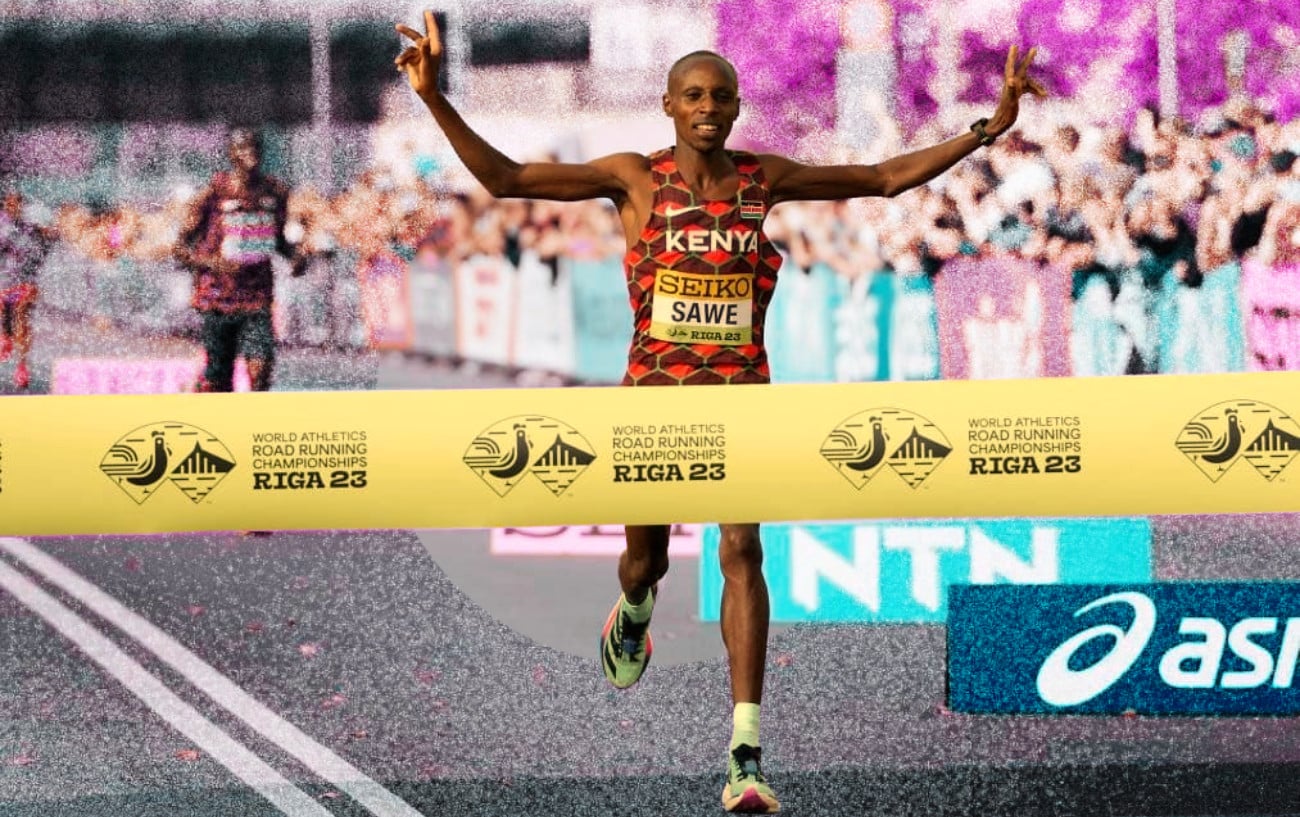
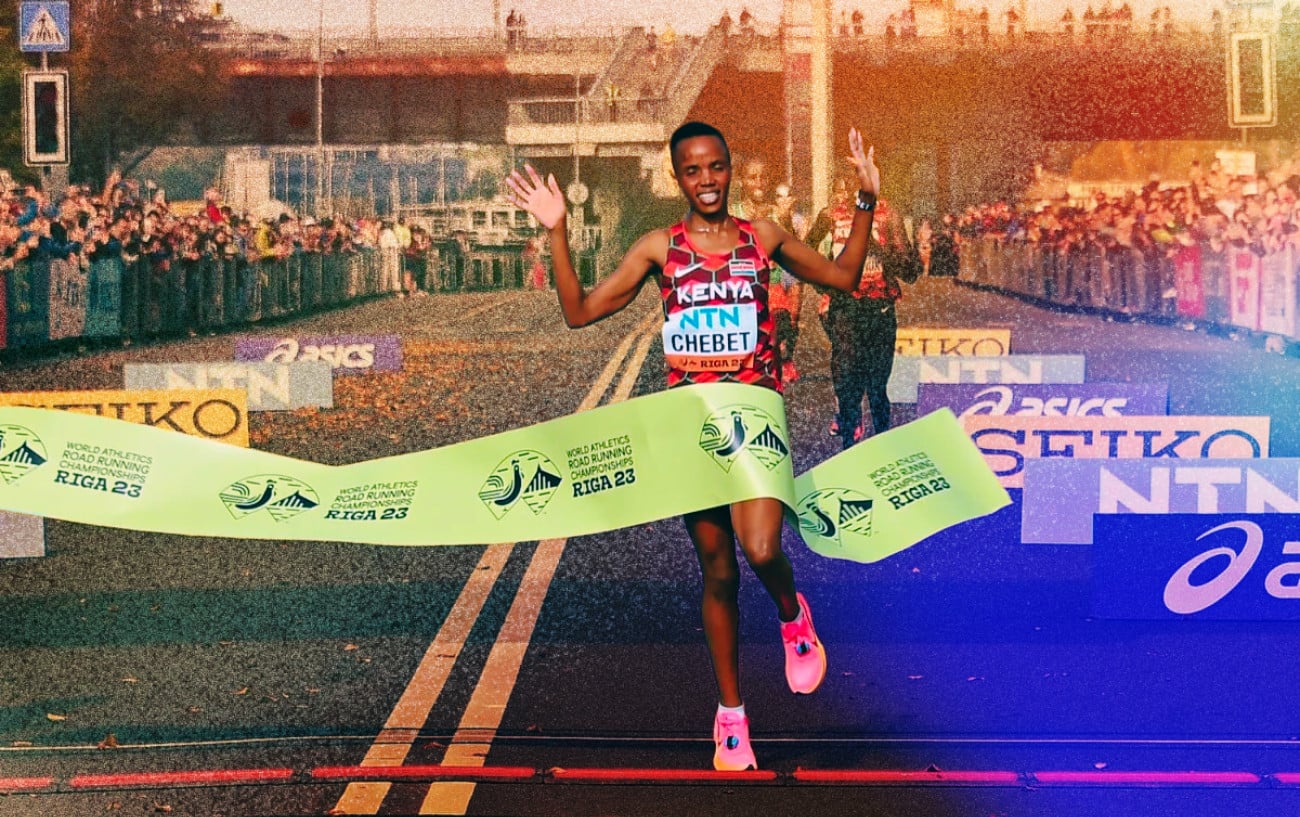
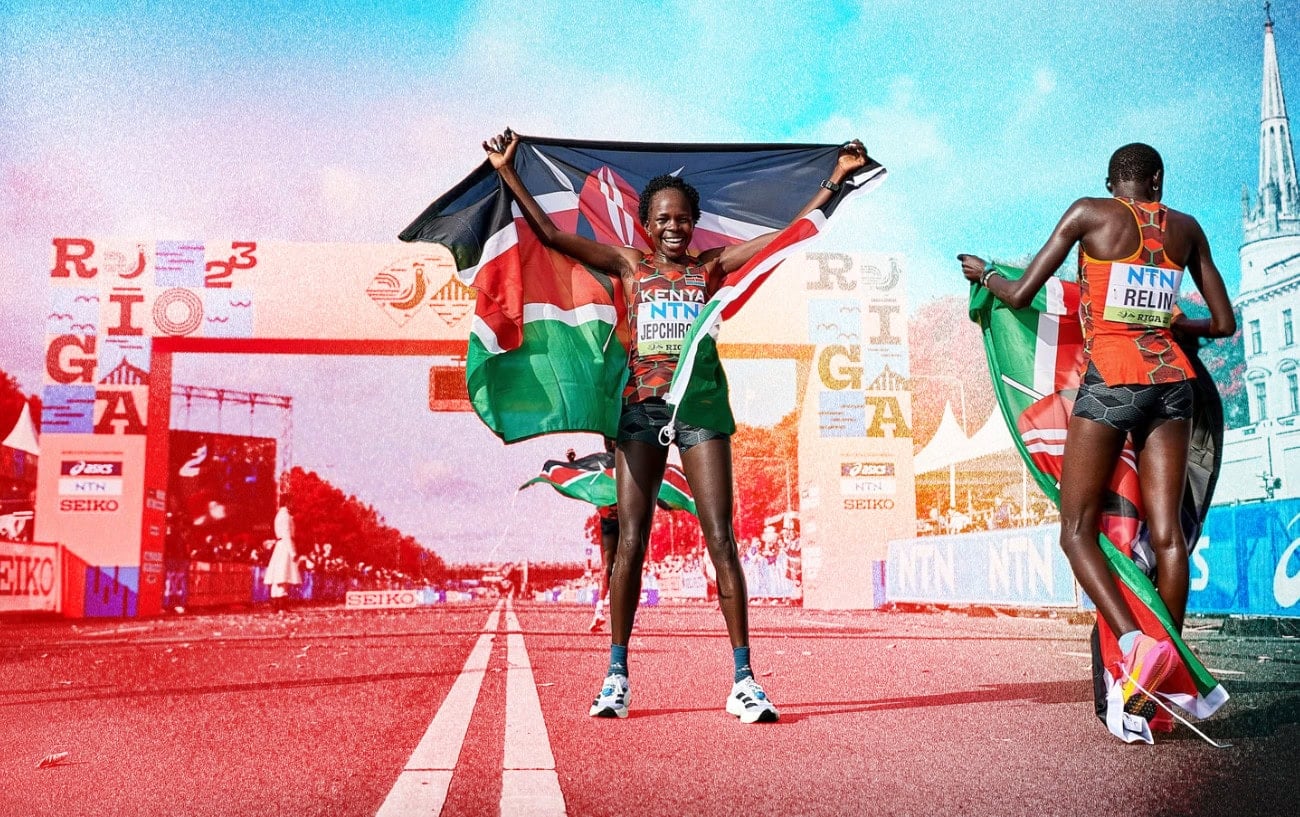
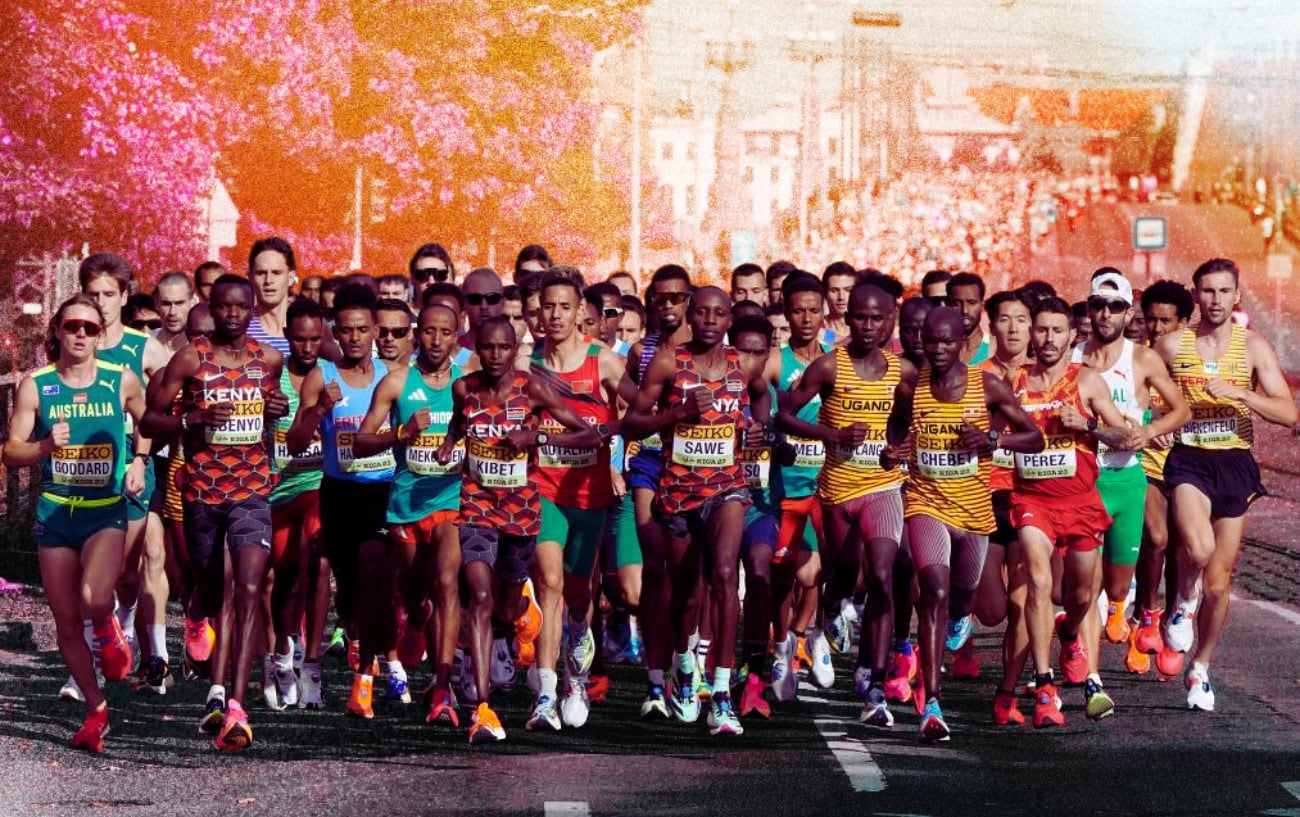
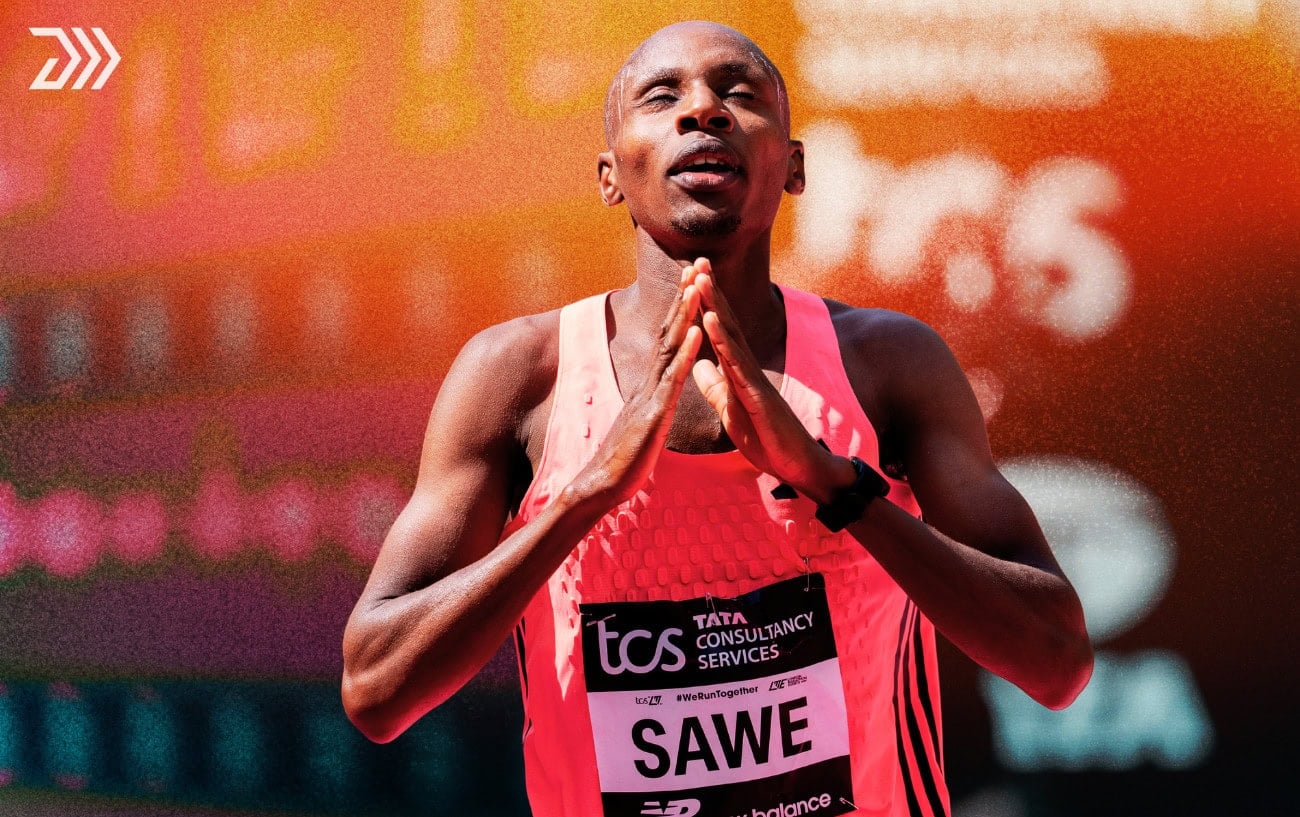
World Athletics retired its half marathon championships in 2023 and rolled the distance into a three-race road festival. The shape has not changed since: six elite races over two days, at the mile, the 5K and the half marathon, with mass races on the same courses for anybody who wants in. Riga hosted the first one, and Kenya took it apart, leaving with five golds, three silvers and four bronzes, Sabastian Sawe and Peres Jepchirchir among the winners.
The half marathon also carries a team competition, which is why federations name squads rather than individuals and why the size of a squad matters. World Athletics allows four scoring athletes per nation, and only those four can win a medal, collect official prize money or count toward the team result.
How much prize money is another question. World Athletics confirms that scoring athletes are eligible for it, then publishes no breakdown anywhere. That is a strange silence from a governing body which spent the summer advertising a $10 million ladder in Budapest, right down to $2,000 for last place in a 16-runner final. It has been more forthcoming about the medals. The Danish studio Norgram has designed a layered rectangular one, built around three levels for the three distances and colored differently for each: green for the mile, purple for the 5K, orange for the half. Every mass-race finisher gets the same design.
“Whether you’re a world champion or taking part in your first road race, you cross the same finish line,” said Dorte Vibjerg, chief executive of Sparta Athletics & Running, the Copenhagen club staging the weekend.
The Edition That Nearly Did Not Happen
These championships were meant to be biennial, and 2025 was meant to be San Diego. World Athletics announced in March last year that the event was moving, after what its release described only as detailed discussions with the local organizing committee. Tracy Sundlun, chief executive of the San Diego bid, took losing it well. “We really looked forward to welcoming the running world to San Diego this September but sadly it is not to be at this time,” he said.
Seven weeks later the Council gave up on the year rather than find another host, citing the “lack of essential planning and preparation time required to cater for both elite and mass participation race elements.” Nobody has explained in any detail what actually went wrong in San Diego, and the practical result is a two-yearly championship running its second edition three years after its first.
Why Copenhagen
The city has done this before, in the championship’s older form. Copenhagen hosted the World Half Marathon Championships in March 2014, where a 21-year-old Geoffrey Kipsang Kamworor won in 59:08 and Gladys Cherono took the women’s title in 1:07:29. The Copenhagen Half Marathon was founded the following year on the back of that weekend, and in 2019 Kamworor came back and ran 58:01 on it, a half marathon world record. Fast times have kept arriving there ever since.
All three courses start and finish around Fælledparken and none of them is hilly. The half runs through the inner city and out into the bridge districts. The mile heads down Østerbrogade and finishes near Parken Stadium, doubling back on itself in a V. The 5K passes the old naval terraces at Nyboder and includes a stretch along the lakes that is run in both directions at once, so the amateurs get to watch the elites coming the other way.
The Schedule
The mile and the 5K both go on Saturday. Elite women run the mile at 10:10 a.m. and the men at 10:30, then the women’s 5K at 2:10 p.m. and the men’s at 2:40. Sunday morning belongs to the half marathon, with the elite women away at 9:10 and the men at 9:45. Mass waves follow each elite race within a minute or two. All three distances have a cut-off, because the roads can only stay shut so long: an hour for the mile, 90 minutes for the 5K, three hours for the half.
Who Is Entered
Agnes Ngetich is the biggest name on any of the six lists. The Kenyan holds the world 10K record, won the world cross-country title in Tallahassee in January, and comes to the half marathon with a Kenyan record of 1:03:04 that sits second on the world all-time list. Tsigie Gebreselama of Ethiopia, fourth in Riga, is in the same race, and so is Julia Paternain, who won marathon bronze for Uruguay at the World Championships.
For sheer depth, though, the men’s half marathon is the field of the weekend. It runs to 142 starters, 18 of whom have gone under the hour, and Kenya’s Nicholas Kipkorir tops it on the 58:08 he ran in Lisbon in March, fourth on the world all-time list. Andreas Almgren is entered on his European record of 58:41 and Conner Mantz on the American record of 59:17, though neither has raced the distance all year and both are due in New York six weeks later. Joshua Cheptegei is in it too, 18 months after leaving the track for the marathon, along with Daniel Ebenyo, who lost the Riga title by four seconds and has waited three years for another go at it.
Jimmy Gressier and Addisu Yihune have something to settle in the 5K. Gressier ran 12:51 in Lille in April, two seconds off the world record, with Yihune second that day in 12:54, and nobody else in the field has been near either of them this season. Ingebrigtsen is the third name on the list, European 5000m champion as of last month and back from the injury that took out his spring, and he is doing it a week after Budapest.
Gressier has taken on the odder double, inside the championships themselves. He is entered in both the 5K and the half marathon, which start 19 hours and five minutes apart, and he arrives as the fastest man on one list and 13th on the other. Nine other athletes are doubling up, four of them over that same pair, which was not even possible in Riga, where the 5K and the half marathon were run on the same day.
The women’s 5K brings Diane van Es and her European record up against Caroline Nyaga, Likina Amebaw and Charity Cherop, the Ugandan who won 5000m gold at the World U20 Championships last month. Freweyni Hailu heads the women’s mile, twice a world indoor champion and the silver medallist in Riga, with Addison Wiley and Linden Hall behind her. The men’s mile has Isaac Nader, the world 1500m champion, alongside Yared Nuguse and Mohamed Attaoui.
The American Team and the Wrong Turn in Atlanta
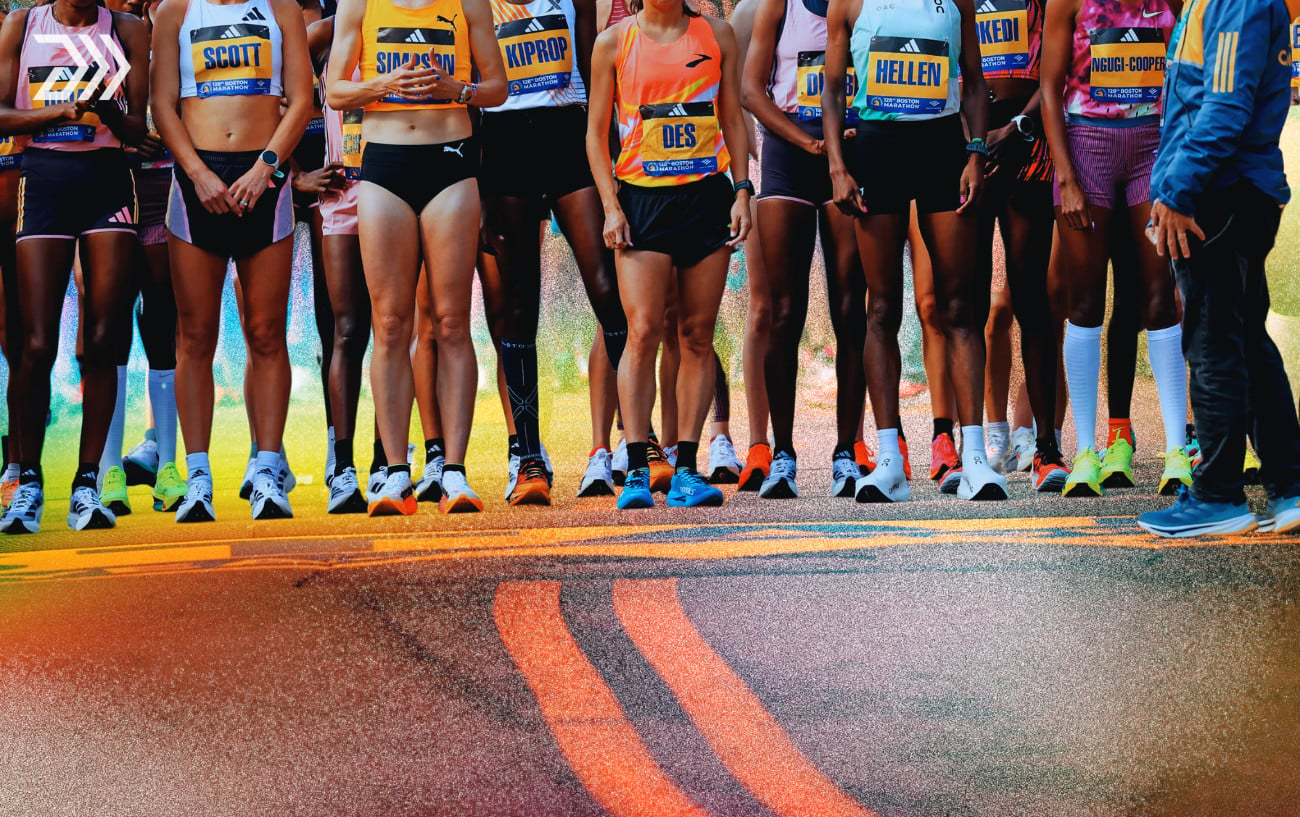
Seven Americans were cleared to run the women’s half marathon rather than the usual four, because of what happened at the U.S. championships in Atlanta in March. A police officer was injured near the course, the emergency response sent the lead vehicle off route, and Jess McClain, Emma Grace Hurley and Ednah Kurgat, who had already broken clear of the field, followed it. By the time anyone noticed, their race was over.
World Athletics granted USATF an exception on what it called a strictly one-off basis, and we covered the resolution in March. The entry list published on Saturday has six American women rather than seven, with Weini Kelati and the three who were misdirected making up the scoring four, and Carrie Ellwood and Annie Rodenfels running as non-scoring athletes. Non-scoring runners wear a different USA kit, are not allowed to pack up with the scoring group, and cannot take official prize money, so USATF has agreed to pay theirs itself.
The Mass Races
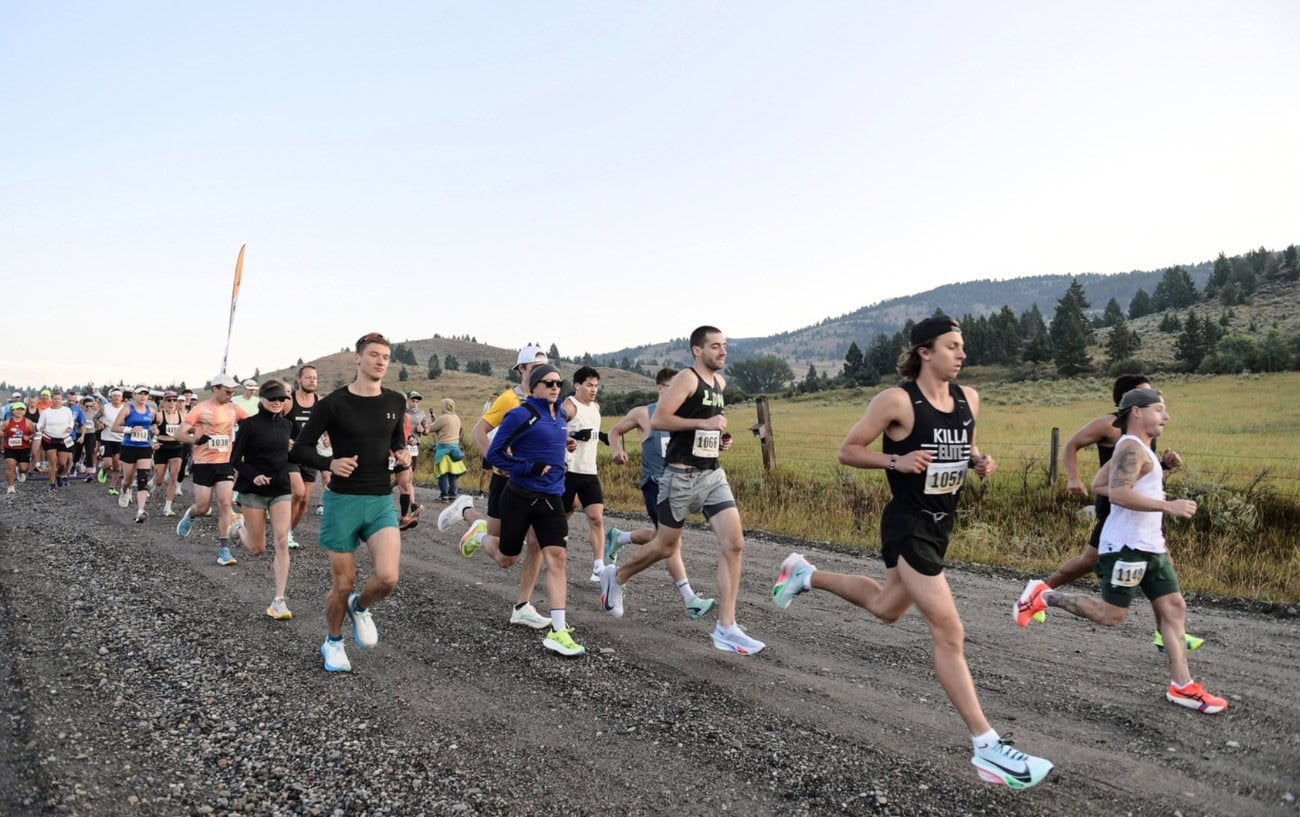
Around 65,000 amateur entries are spread across the three distances, 35,000 of them in the half marathon, 20,000 in the 5K and 10,000 in the mile, which is a scale of participation the Ultimate Championship never attempted. The mile and the 5K are still open to enter at 199 and 299 Danish kroner. The half marathon went to a ballot in March last year, sold out, and now moves only through a resale platform.
The men’s half marathon closes the weekend at 9:45 a.m. on Sunday, on a start line 45 men larger than the one Riga managed to assemble three years ago.
RunClub
Get more running stories — join RunClub
Daily running news, a community of 300,000+ runners, free training plans for every distance, and a daily running game. Free to join — no card.
Already a member? Log in →


Join the conversation
Will this be televised?