


The 2026 Sanlam Cape Town Marathon runs Sunday, May 24. It is the 17th edition of the race, the return of a Cape Town field that was forced to abandon its 2025 edition with seventy-five minutes to go, and arguably the most consequential single race in the sport’s history for the African continent.
After the wheelchair athletes roll out at 7:50 a.m. and the elite men and women break from the line at 8:00 a.m., what follows is six and a half hours of elite competition, an Abbott World Marathon Majors candidacy assessment with the eighth-Major spot on the line, and the closing kilometers of a course that traces the coastline beneath Table Mountain with the Atlantic Ocean off the right shoulder.
Below is everything worth knowing before Sunday morning: how and where to watch, the forecast, an insider breakdown of the course, the late withdrawals that have reshaped parts of the field, the South African contingent, the men’s, women’s, and wheelchair races as they now stand, and the unusual context that hangs over everything — Cape Town’s second and possibly final assessment as it tries to become the first African marathon ever admitted to the Majors.
How to watch
SuperSport carries live coverage across South Africa and sub-Saharan Africa, with the broadcast window opening before the elite gun and running through the close of the elite race. The Sanlam Cape Town Marathon’s own YouTube channel will livestream the elite races globally, free, with English commentary. The race also publishes a live tracking option on its app, with athlete-by-bib-number splits in five-kilometre intervals through to the finish.
For international viewers, the most reliable feed is the official YouTube livestream from the Sanlam Cape Town Marathon channel.
Start times on Sunday, May 24:
- 7:50 a.m. — Wheelchair race
- 8:00 a.m. — Elite men and elite women
- 8:10 a.m. — Yellow Wave (mass field)
- 8:40 a.m. — Pink Wave
- 9:06 a.m. — Red Wave
All times are South Africa Standard Time (SAST), which is GMT+2.

Key race day information
- Date: Sunday, May 24, 2026
- Edition: 17th Sanlam Cape Town Marathon
- Title Sponsor: Sanlam
- Start: Fritz Sonnenberg Road, alongside DHL Stadium, Green Point (Stadium Start). The Beach Road Start, on Beach Road in Mouille Point, is the second start being used in 2026.
- Finish: Vlei Road, Green Point — a short walk from the start
- Field Size: Approximately 27,000 runners across the marathon and companion events
- Cut-off: 7 hours from gun
- Prize Purse: R6,602,500 in total when course-record incentives are included; $35,000 (about R595,000) for each of the men’s and women’s marathon winners — a 40 percent increase on 2025
Getting to the start
The marathon village is built around the foot of Table Mountain at DHL Stadium in Green Point, which is the same building most international visitors will know as Cape Town Stadium. The Stadium Start on Fritz Sonnenberg Road sits next door. The Beach Road Start, used in 2026 to split the field for safety and crowding reasons, is roughly an eight-minute walk away on Beach Road in Mouille Point.
Most central Cape Town accommodation — V&A Waterfront, De Waterkant, Sea Point, Green Point itself — is within walking distance of one or both starts. Runners staying further afield should plan to use MyCiti bus services on race morning. Roads in central Cape Town close progressively from 5:30 a.m. onwards; private vehicles will not be permitted near the start zone after 6:30 a.m.
This is a flat, short walk to the start by Majors standards. Boston’s two-hour bus to Hopkinton this is not.
Weather
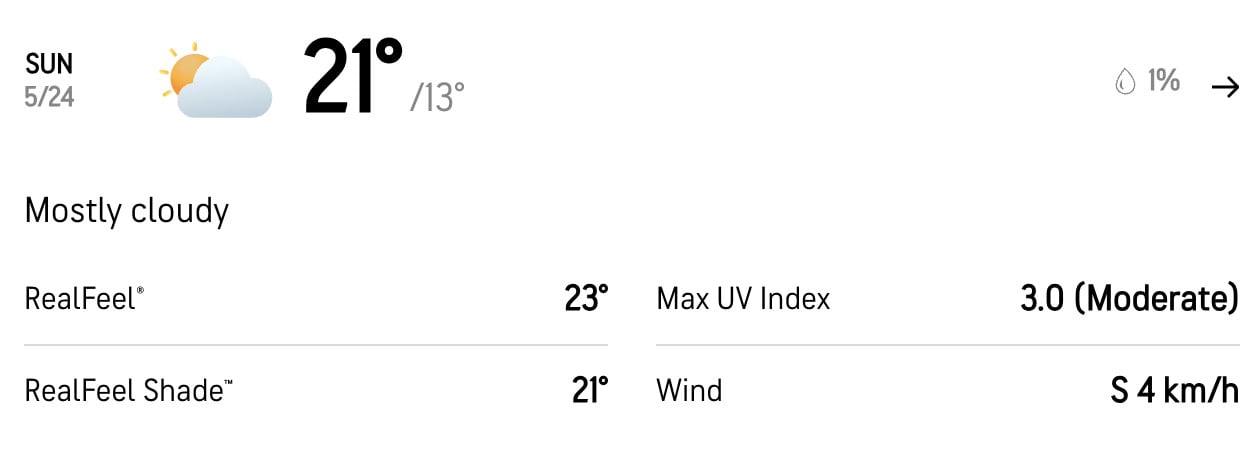
The current forecast for race day looks close to ideal. A high of 20°C (68°F), a low of 12°C (54°F), light south-easterly winds in the morning that are forecast to stay below 15 km/h, and a low chance of rain. The race-day temperature window has been Cape Town’s most reliable variable across the past decade.
This is the first time since the event moved into the World Marathon Majors candidacy process that race day has landed in May rather than September or October. The shift was a direct response to the 2025 cancellation, in which gusts of 48 to 60 km/h made the course unsafe ninety minutes before the gun. May historically delivers calmer mornings than October on the Atlantic seaboard, and the early-morning start time has been pulled forward to capture the coolest, stillest window of the day.
For elite athletes targeting course records, this is a Cape Town forecast that puts the men’s 2:08:15 and the women’s 2:22:22 — both set in 2024 — into play.
The course, kilometre by kilometre
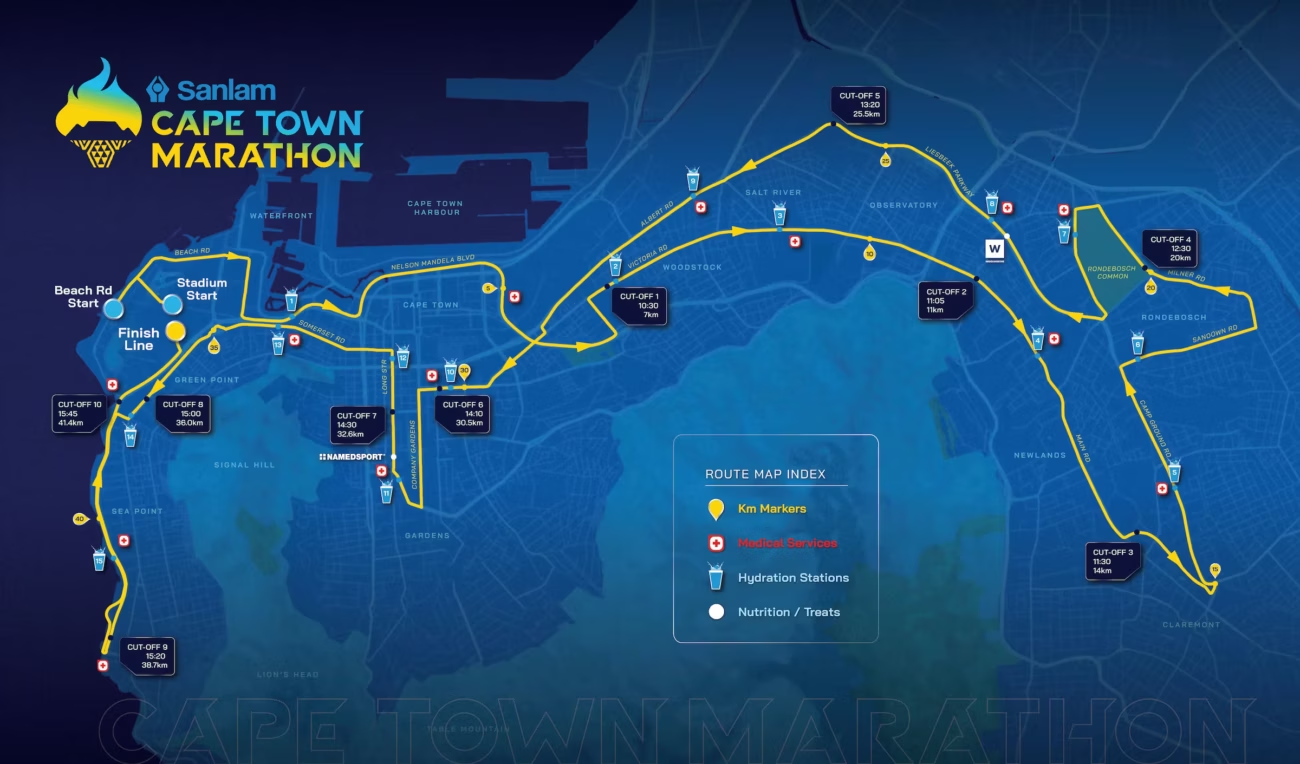
Cape Town is a single-loop course starting and finishing in Green Point, with approximately 260 metres of total elevation gain spread across the 42.2 kilometres. It is neither flat nor mountainous. It is rolling, with one significant climb in the back half and a long coastal closing stretch.
Kilometres 0 to 8: Out of Green Point, into the city
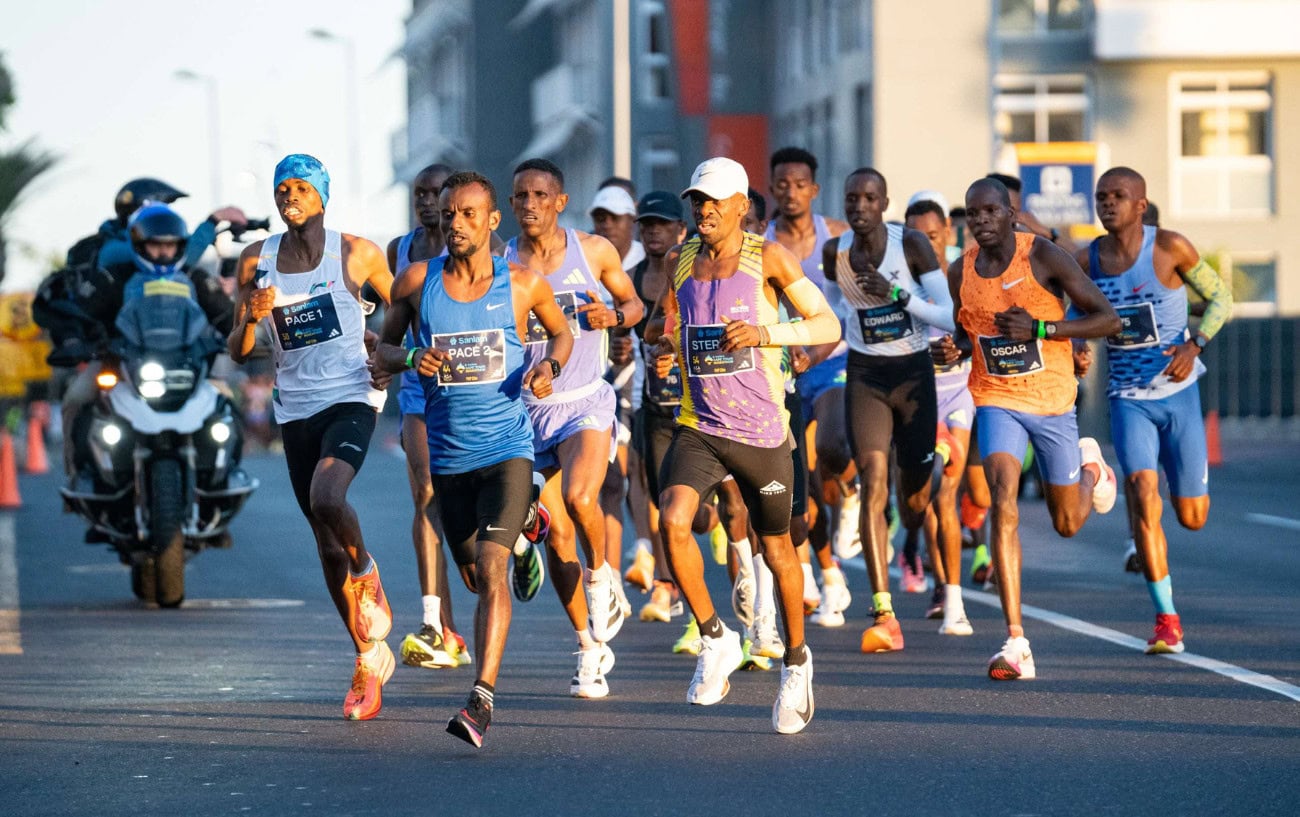
The first eight kilometres are the easiest section of the course. From the Stadium and Beach Road starts the field converges quickly, runs north-east along the Foreshore, picks up Nelson Mandela Boulevard, and heads into central Cape Town. Crowds are dense in the V&A Waterfront area at roughly kilometre 3 and pick up again past Cape Town City Hall and the Castle of Good Hope around kilometre 5. The road is wide. The gradient is gentle.
The temptation here is to bank time. Don’t. The course has a 60-metre climb in the back half that most first-timers underestimate.
Kilometres 8 to 21: Into the southern suburbs
From the city centre the course turns south through Woodstock and Salt River, both neighbourhoods with strong crowd support and a noisier soundtrack than the elite race typically gets in marathon racing. By kilometre 12 the field is in Mowbray. By kilometre 15 it is on the long uphill drag toward Rondebosch Common.
This is the section the elite preview writers are watching. Rondebosch Common at kilometre 18 is where the field tends to break apart on the men’s side, and where the women’s race historically tightens into a lead pack of four to six.
Halfway sits at roughly kilometre 21, just past the Newlands cricket and rugby grounds. The course briefly flattens.
Kilometres 21 to 32: The climbing section
From halfway, the route turns back north-west toward the coast. This is the part of the course Cape Town locals know to respect. There is a sustained climb from kilometre 24 through kilometre 27 — not steep, but long enough to feel disproportionate in marathon legs — followed by an uneven downhill that confuses pacing and can hurt quads if it’s attacked too hard.
The crowds thin meaningfully here. The Atlantic appears off the right shoulder around kilometre 29, and the course settles into the seafront return.
Kilometres 32 to 42.2: The coastal return
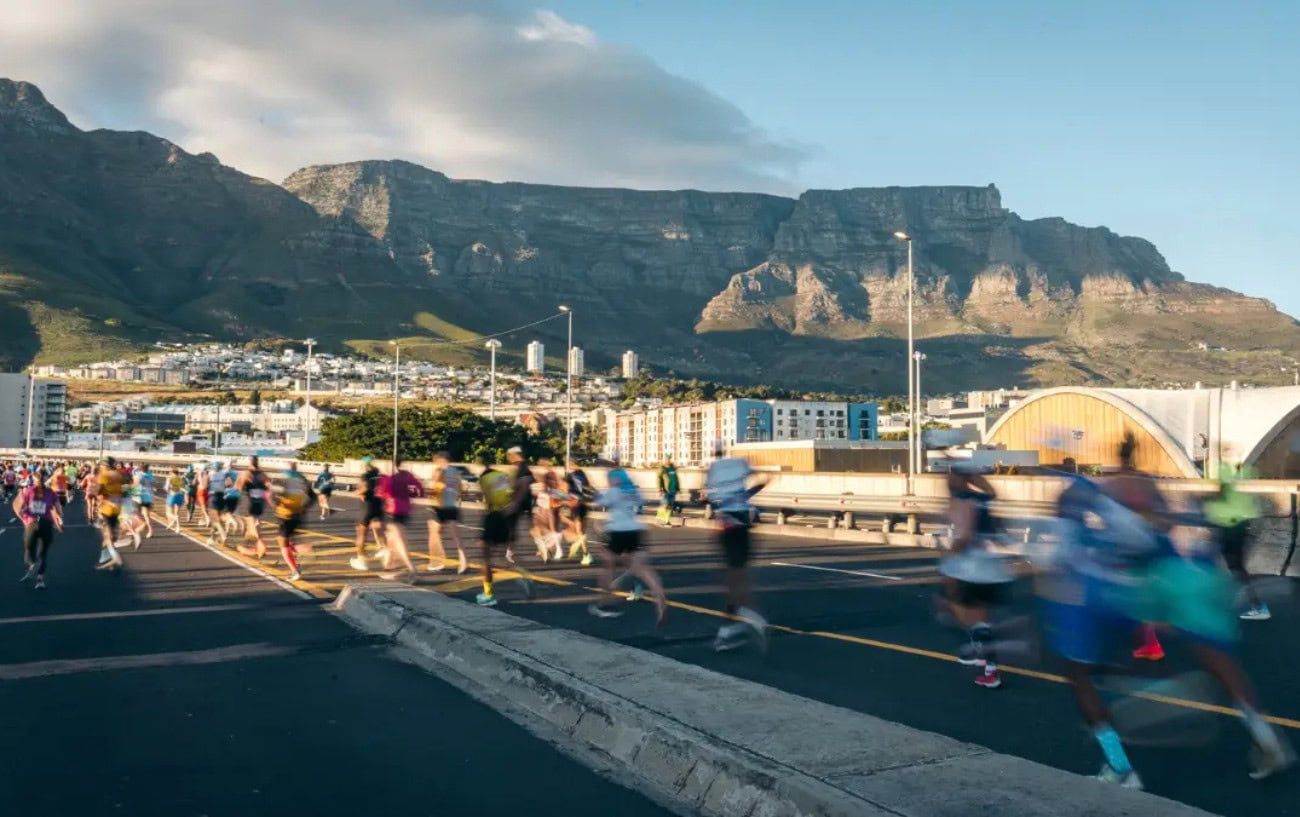
The last ten kilometres of the Cape Town Marathon are the visual centrepiece of the race. The course runs along the Sea Point promenade with the Atlantic on the right and Lion’s Head and Table Mountain on the left. The road is flat. The wind is the only meaningful obstacle.
The Sea Point crowds are the deepest of the day. Runners who have paced the climb correctly tend to negative-split this section. Runners who haven’t pace it through gritted teeth.
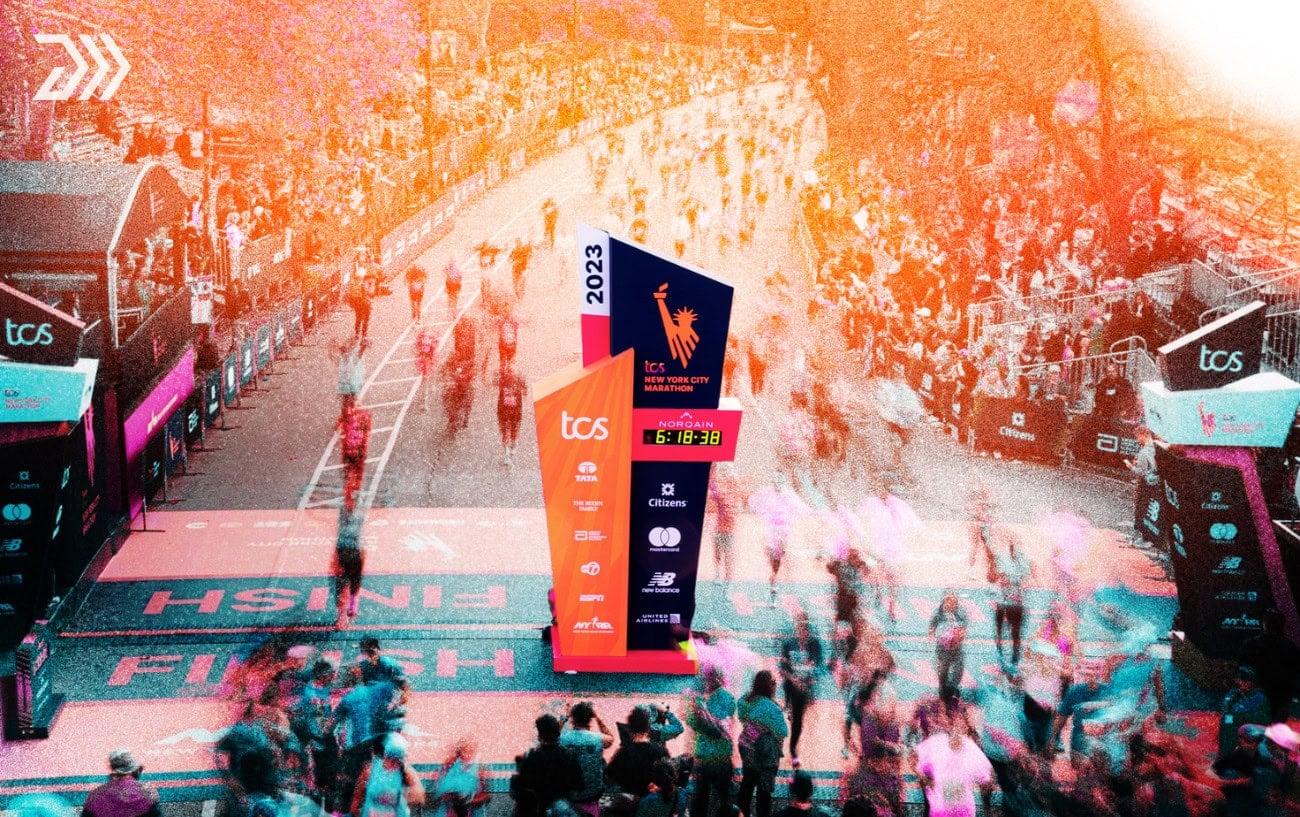
The final kilometre turns inland through Mouille Point, drops onto Vlei Road, and finishes on the lawns alongside DHL Stadium with Signal Hill above the finish line.
On-course fuelling
The Cape Town Marathon has its own fuelling profile — different from European or American Majors and worth knowing about in advance.
Water and sports drink are available at every aid station from kilometre 2 onwards, spaced roughly every two and a half kilometres. The water comes in sachets, not bottles — a Cape Town tradition adopted by most South African races. Tear the corner with your teeth, drink, discard. Powerade is the on-course sports drink, served alongside water at every station. Coca-Cola is added at every station from kilometre 25 to the finish, which is unusual on the global Majors circuit but common at South African road races and beloved by runners who have practised with it.
There are no scheduled on-course energy gels. Runners should plan to carry their own. The first gel of the race should go in around 30 minutes from gun time — earlier, if you’ve trained on tighter intervals. For more on gel timing and quantities, see our guide to how many energy gels you actually need and our complete guide to running with gels.
The mass race and the major question
The 2026 Cape Town Marathon is the second of two assessment races in the Abbott World Marathon Majors candidacy process. The race passed Stage 1 in 2024, the first marathon on the African continent ever to do so. It missed the 2025 assessment because the race itself was canceled. Sunday is the next, and possibly final, stage before a decision.
If Cape Town passes, it joins Tokyo, Boston, London, Berlin, Chicago, New York, and Sydney as the eighth Abbott World Marathon Major from 2027. Sydney was admitted to the Majors family in 2025. The number of qualifying races for the Six Star Medal (which would become a Seven or Nine Star Medal, depending on the timing of Cape Town and the next candidate races coming through the process) is being actively redesigned at WMM headquarters.
There is one consequence for runners on Sunday that has been confirmed regardless of the assessment outcome. All finishers of the 2026 Sanlam Cape Town Marathon will receive a provisional Abbott World Marathon Majors star. If Cape Town is admitted to the Majors family in 2027, that provisional star converts to a recognised one — meaning every 2026 finisher counts as having run a Major, retrospectively. If Cape Town does not pass, the provisional star is retired.
This is the first time WMM has ever pre-issued provisional stars for a candidate race. It is the cleanest signal yet that Abbott considers Cape Town a likely admission. It is also the reason a meaningful share of the 2026 field — including a recognisable number of repeat Six Star Medal chasers — has flown in from outside South Africa specifically for this race.
Cape Town now operates a ballot system, similar to the structure used by London and Tokyo. The 2026 ballot opened on November 6 and closed on November 25, 2025. The draw was held on November 26. Charity and tour-operator entries opened on November 29. Runners registered for the cancelled 2025 edition received a free 2026 or 2027 entry, courtesy of Sanlam — an unusually generous gesture in a sport where cancelled-race refunds remain contested.
The expo
Bib pickup is at the Sanlam Cape Town Marathon Expo, held inside DHL Stadium, alongside the start and finish lines. There is no race-day bib collection. You must collect in person, and no one may collect on your behalf.
- Friday, May 22: 10:00 a.m. – 7:00 p.m.
- Saturday, May 23: 9:00 a.m. – 7:00 p.m.
Friday is the calmer day, particularly the morning. Saturday afternoon is the worst — the queues stretch out of the stadium concourse and along the perimeter. Bring photo identification and your official entry confirmation, sent by email and WhatsApp, which carries your bib number.
The expo itself is a serious event in its own right, with brand activations from Adidas, ASICS, Nike, Puma, On, Saucony, Hoka, Brooks, New Balance, and a strong South African showing from Bryceland’s, Falke, and the local running brands. Powerade and Sanlam have the largest footprints.

Spectating
Cape Town is one of the easier Majors to spectate because the course covers a compact geographical area. The most rewarding spectating positions:
V&A Waterfront (kilometre 3): Easy to reach on foot from most central accommodation. You catch the runners early when the field is still grouped tightly and the atmosphere is high. Coffee shops are open by the time the elites pass.
Cape Town City Hall and Castle of Good Hope (kilometre 5–6): Excellent vantage point on a wide road, with strong local crowds.
Rondebosch Common (kilometre 18–19): This is where the race breaks apart. If you want to see the elite men’s and women’s races actually take shape, this is the spot. MyCiti and Uber both work easily from the city centre.
Sea Point Promenade (kilometre 35–40): The visual highlight of any Cape Town Marathon, with Table Mountain framing the back of the course. Park nearby, walk the promenade, find a spot in front of one of the cafés on Beach Road. Most runners will pass between 10:00 a.m. and 12:30 p.m.
The finish at Green Point: Crowds build steadily from 10:00 a.m. onwards. The finish area opens to spectators ninety minutes before the elite men are expected through, which is around 10:00 a.m.
The official Sanlam Cape Town Marathon app handles live runner tracking by bib number with five-kilometre split updates. The Family Meeting Area is on the Vlei Road lawns, organised alphabetically by surname, immediately past the finish chute.
Post-race
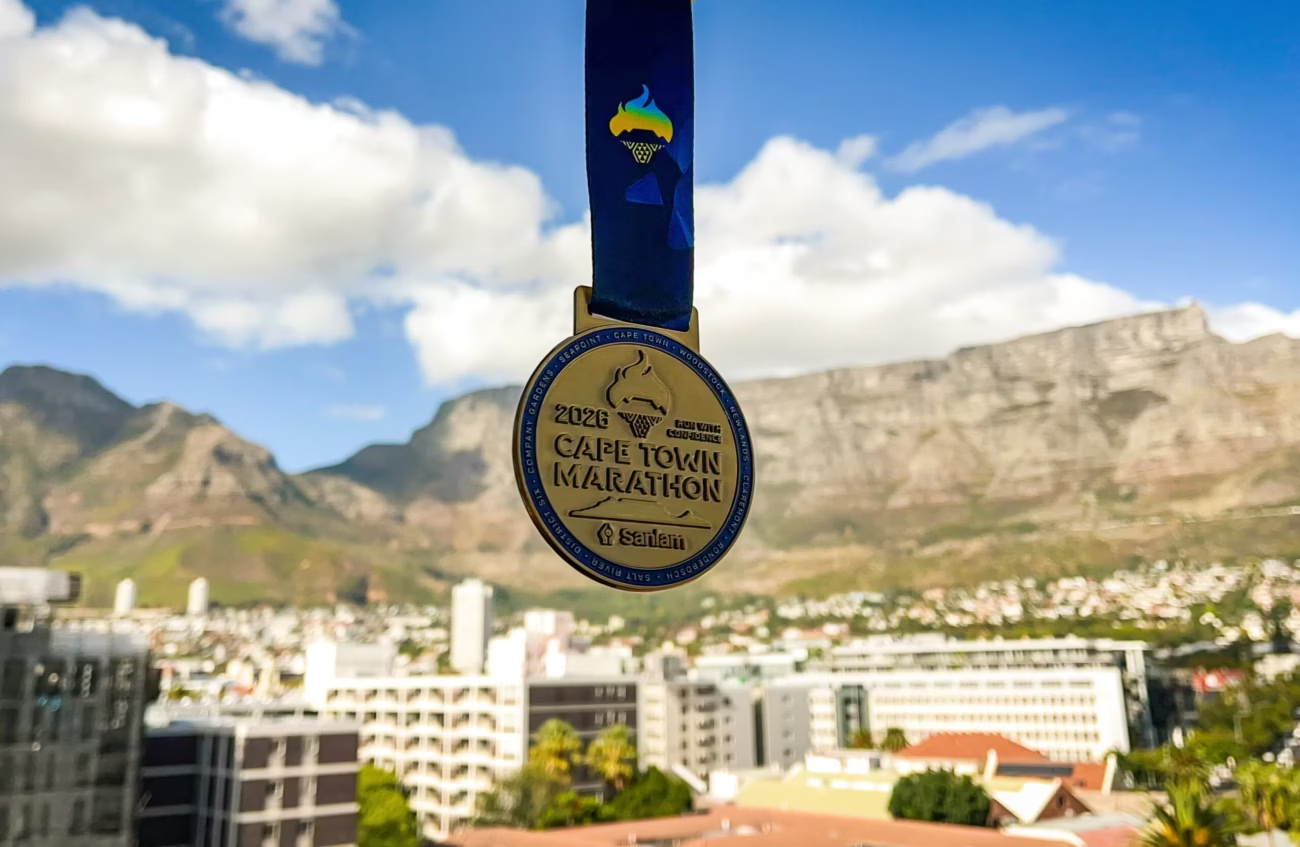
Finishers receive a medal, a finisher tee, a recovery food pack, and — for 2026 specifically — a provisional Abbott World Marathon Majors star, separately packaged with a card explaining the conditions of its conversion to a recognised star.
The post-race village runs until 4:00 p.m. on the Vlei Road and DHL Stadium lawns. Food trucks, recovery massages, baggage collection, and a beer tent operated by a Cape Town craft brewery sit alongside the family meet-up area.
The race-week party schedule is dense. The Sanlam pre-race expo party runs Saturday evening; the post-race finishers’ party runs Sunday afternoon into evening with live music on the stadium lawns. V&A Waterfront restaurants take race-day bookings months in advance — if you have plans for Sunday dinner, you should already know about them.
The late elite withdrawals
The 2026 field has lost a handful of names in the run-up to race day. Elroy Gelant, the South African veteran and 2024 Olympic marathoner, withdrew with a calf injury. Emma Pallant-Browne, the British triathlete who had announced a return to the marathon distance for Cape Town, pulled out citing illness. Kane Reilly, Nadeel Wildschutt, Precious Mashele, Stephen Kiprop, Shuko Genemo, and Thabang Mosiako are also out, a mix of injury and racing-calendar withdrawals.
The South African contingent loses some of its depth with Gelant and Mashele out. The headline-level field, however, remains intact.
Men’s elite race
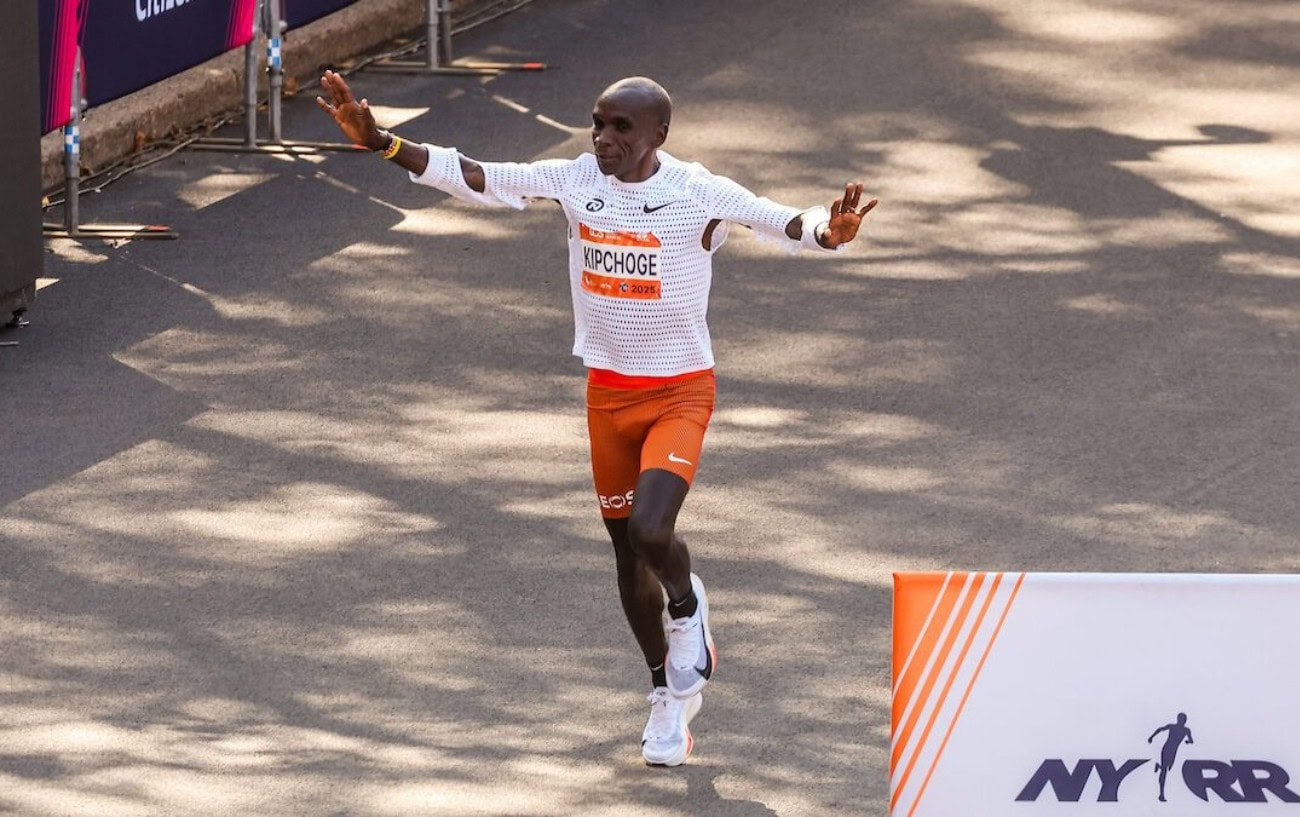
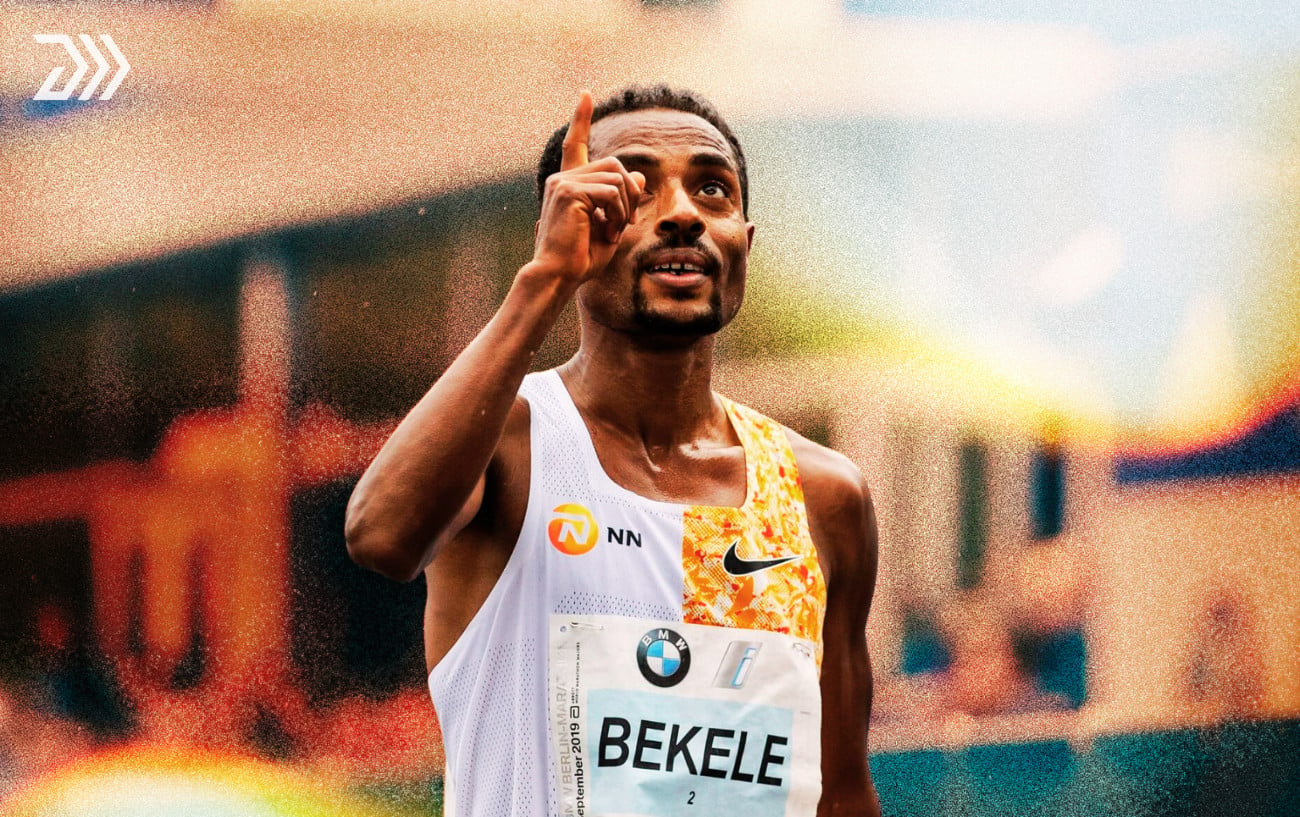
Eliud Kipchoge is the headline. The Kenyan, two-time Olympic champion and former world record holder at 2:01:09, has chosen Cape Town for the first marathon of his World Tour — a self-organised series of seven marathons across all continents, designed to expand the sport into communities that have not historically had access to elite marathon racing. Cape Town is the first stop on that tour and Kipchoge’s first ever marathon on African soil. He is 41. He has not won a Major since 2023. He is also, on paper, the fastest man in the field, and on a course that doesn’t reward the kind of front-running tactics that have hurt him in his recent races, he is a credible candidate to win. There is also a world-first record on the line for him personally if Cape Town earns full Major status and he is on the finish-line side of it.
The challenge to Kipchoge starts with Maru Teferi of Israel, the fastest man in the field by recent personal best at 2:04:44, a runner who has built a marathon career on consistency rather than headline times. He is 27 and at the right age to finally win a Major-level race.
A strong sub-2:06 group sits in close support. Bernard Biwott of Kenya (2:05:25), Justus Kangogo of Kenya (2:05:57), and three Ethiopians — Yihunilign Adane and Mulugeta Asefa Uma, both with 2:05:33 personal bests, and Boki Kebede Asefa at 2:05:40 — are the names to know. Fourteen men in the field have run under 2:08; three have run under 2:05. The full elite field breakdown covers everyone in detail.
The South African story is Stephen Mokoka. The four-time Olympian and three-time Cape Town Marathon champion (2018, 2021, 2022) is targeting an unprecedented fourth Cape Town title. Mokoka’s 2018 winning time of 2:08:31 remains the fastest marathon ever run by a South African on home soil on a record-legal course. He is 41. If the race is tactical and the early kilometres settle, he is genuinely live for the win.
The course record, Abdisa Tola’s 2:08:15 from 2024, is within reach of the front group on a good day. With the forecast holding, it is likely to fall.
Women’s elite race
The women’s race is the deepest field of the Cape Town Marathon’s seventeen-year history. Nine women in the field have run under 2:22. Five have gone faster than 2:20.
Lonah Salpeter of Israel is the fastest on personal best — 2:17:45, set when she won Tokyo in 2020. She is the most experienced championship marathoner in the field and the closest thing the women’s race has to a clear favourite.
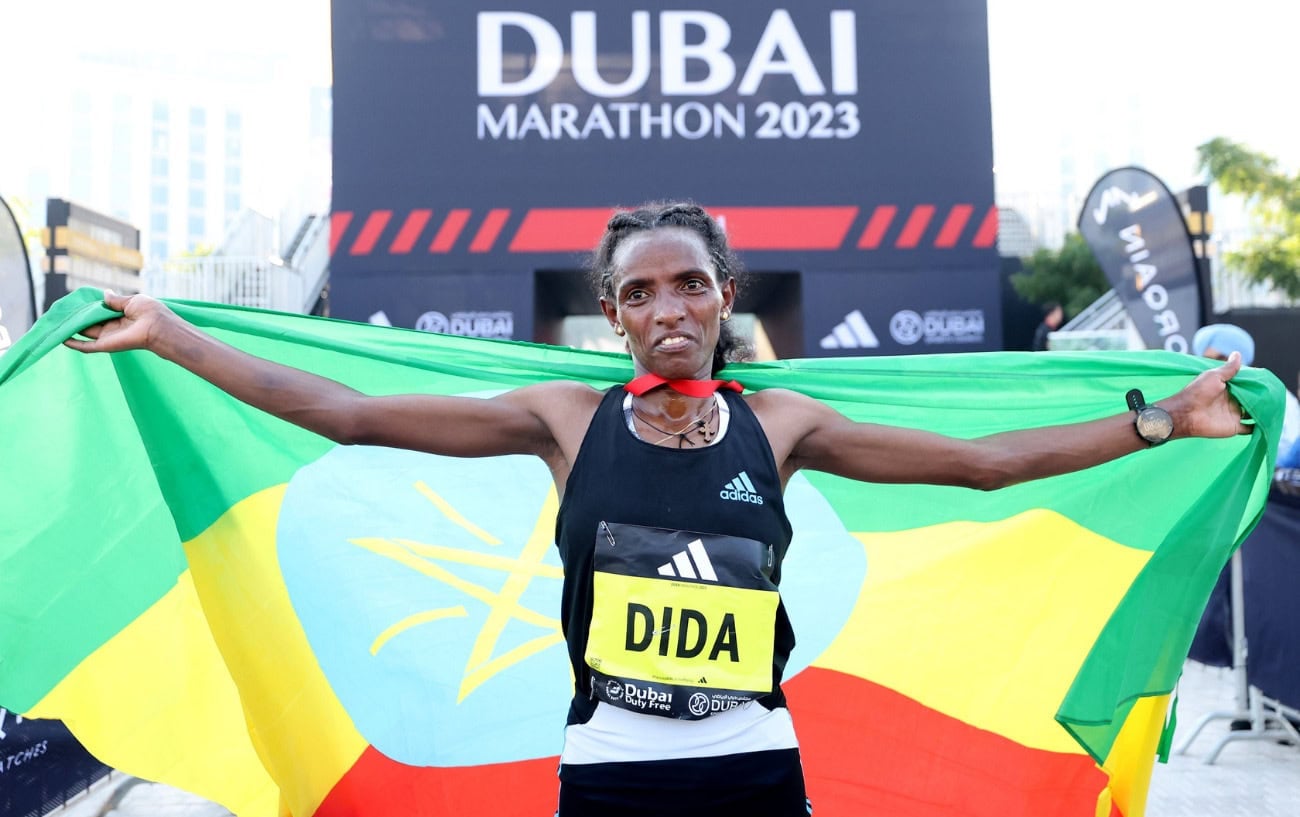
She faces a strong Ethiopian contingent. Ruti Aga (2:18:09), Dera Dida (2:18:32), and Mestawat Fikir (2:18:48) form the front of the chase pack, with Aga the most credible threat to Salpeter on a course that rewards consistent pacing over surge tactics.
The story most South African writers will be following is Gerda Steyn. The ultrarunning superstar — multiple Comrades Marathon champion, 2024 Olympic marathoner — is targeting the standard distance with renewed focus. Glenrose Xaba, the current women’s course record holder at 2:22:22, lines up to defend her own mark.
Edna Kiplagat, the 47-year-old two-time world marathon champion from Kenya, is in the field as the elder-statesperson presence — a runner whose mileage record at this age is essentially without precedent in elite marathoning. A top-ten finish for Kiplagat would be one of the more remarkable individual performances of the year.
The women’s course record of 2:22:22 should fall on Sunday if conditions hold. The question is by how much, and to whom.
RunClub
Get more running stories — join RunClub
Daily running news, a community of 300,000+ runners, free training plans for every distance, and a daily running game. Free to join — no card.
Already a member? Log in →




Join the conversation
I read 7hrs from gun. I thought it was 6h30 was cut 9ff