


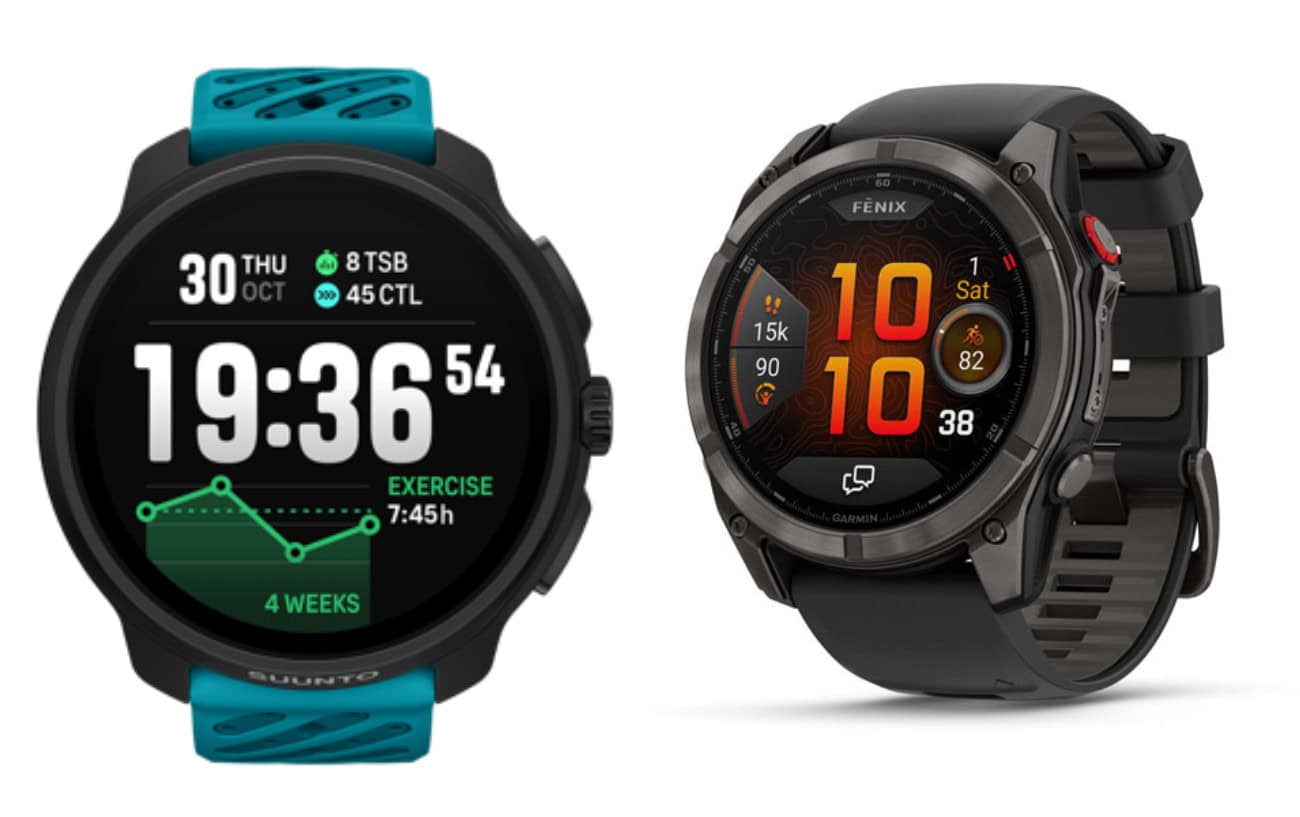
Garmin’s mounting legal problems have intensified, with Finnish smartwatch maker Suunto filing a patent infringement lawsuit against the American GPS giant, less than a week after Strava took similar action. The dual cases now threaten to disrupt sales of many of Garmin’s best-selling wearables, including the Fenix, Forerunner, MARQ, and Venu lines.
Suunto’s Patent Claims
Suunto filed its lawsuit on September 22 in the U.S. District Court for the Eastern District of Texas, a jurisdiction well-known for handling patent cases. The company alleges that Garmin has infringed on five patents covering both hardware and software technologies used across its watch lineup.
The disputed patents relate to the design of metal-bodied watch antennas, methods for measuring respiration rate, and automatic golf swing detection. Suunto’s complaint claims that these technologies appear in numerous Garmin models, including the Fenix, Epix, MARQ, Venu, Instinct, and Forerunner series.
In addition to seeking financial damages, Suunto is asking the court to issue an injunction that would block Garmin from selling devices containing the allegedly infringing features. If granted, that could effectively halt sales of most of Garmin’s smartwatch range in its current form.
How It Differs from Strava’s Lawsuit
Suunto’s legal challenge lands just days after Strava filed its own case against Garmin in a Colorado court. While both suits center on patent infringement, they target very different parts of Garmin’s ecosystem.
Strava’s complaint focuses on software, accusing Garmin of misusing patents related to Strava’s “Segments” and “heatmaps” features, which let users compare performance and visualize popular activity routes. Strava also claims Garmin breached a 2015 cooperation agreement by expanding its own branded version of Segments beyond what the companies originally agreed.
Suunto’s allegations, by contrast, focus primarily on hardware design and sensor functionality. Together, the two cases hit Garmin from both sides of its business, Strava’s from the software front, and Suunto’s from the underlying engineering that powers its devices.

What’s at Stake for Garmin
Garmin has not yet commented publicly on either lawsuit. When asked about the Strava case last week, the company issued a brief “no comment,” and industry observers don’t expect a more detailed response soon.
Patent cases like these can take years to resolve and often end in settlements rather than court-ordered bans. Garmin could challenge the validity of Suunto’s patents or argue that its designs and algorithms are substantially different. Still, the potential impact is significant, as courts siding with Strava or Suunto could force Garmin to disable or redesign key features, or even halt sales of certain devices until new licensing deals are reached.
For consumers, nothing changes immediately. Garmin’s full product lineup remains available, and both lawsuits are still in early stages. But if injunctions are granted or settlements require software rollbacks, users could see features quietly disappear in future updates, similar to Apple’s temporary removal of the blood oxygen sensor from the Apple Watch in the U.S.
A Broader Industry Shift
The timing of these cases may reflect growing tension in the fitness tech industry. Strava’s lawsuit reportedly stems partly from disputes over new API and branding rules Garmin introduced for its developer partners earlier this year. Suunto’s filing, meanwhile, comes as the company, now owned by China’s Liesheng Group, has ramped up efforts to protect and monetize its intellectual property.
Together, the cases highlight a changing dynamic between hardware makers and data platforms that have long relied on one another. For Garmin, the outcomes could reshape not just its technology roadmap, but also its partnerships across the fitness ecosystem.
RunClub
Get more running stories — join RunClub
Daily running news, a community of 300,000+ runners, free training plans for every distance, and a daily running game. Free to join — no card.
Already a member? Log in →





Start the conversation