


On September 30, 2025, Strava sued Garmin in federal court in Colorado, accusing the watch and bike-computer giant of infringing Strava patents for Segments and heatmaps, and asking a judge for a permanent injunction that would, in theory, stop sales of a huge chunk of Garmin’s fitness lineup in the U.S.
That’s a big swing. It also lands on fault lines that have been widening between the two companies for the past couple of years.

What Strava is alleging
The complaint centers on two ideas that every runner or cyclist knows by now:
- Segments: Strava’s system for carving up a route into timed sections and stacking your efforts against everyone else’s. The relevant patent was filed in 2011 and granted in 2015.
- Heatmaps/popularity routing: using crowds of GPS tracks to show where people actually ride or run and to suggest routes, covered by patents filed in 2014 and 2016.
Strava also says Garmin breached a 2015 Master Cooperation Agreement, the deal that brought Strava Live Segments onto Garmin devices, by studying Strava’s implementation and expanding Garmin-branded Segments beyond what the contract allowed.
Garmin hasn’t publicly responded as of publication. Reporting and product documentation from the time confirm the basic timeline: Garmin shipped its own Segments with the Edge 1000 in 2014, then added on-device Strava Live Segments in July 2015 under that partnership.
Strava’s ask isn’t subtle.
It wants the court to bar Garmin from making or selling devices and software that implement the accused features. In practical terms, that would touch most current Forerunner, Fenix, Epix watches, and Edge head units.
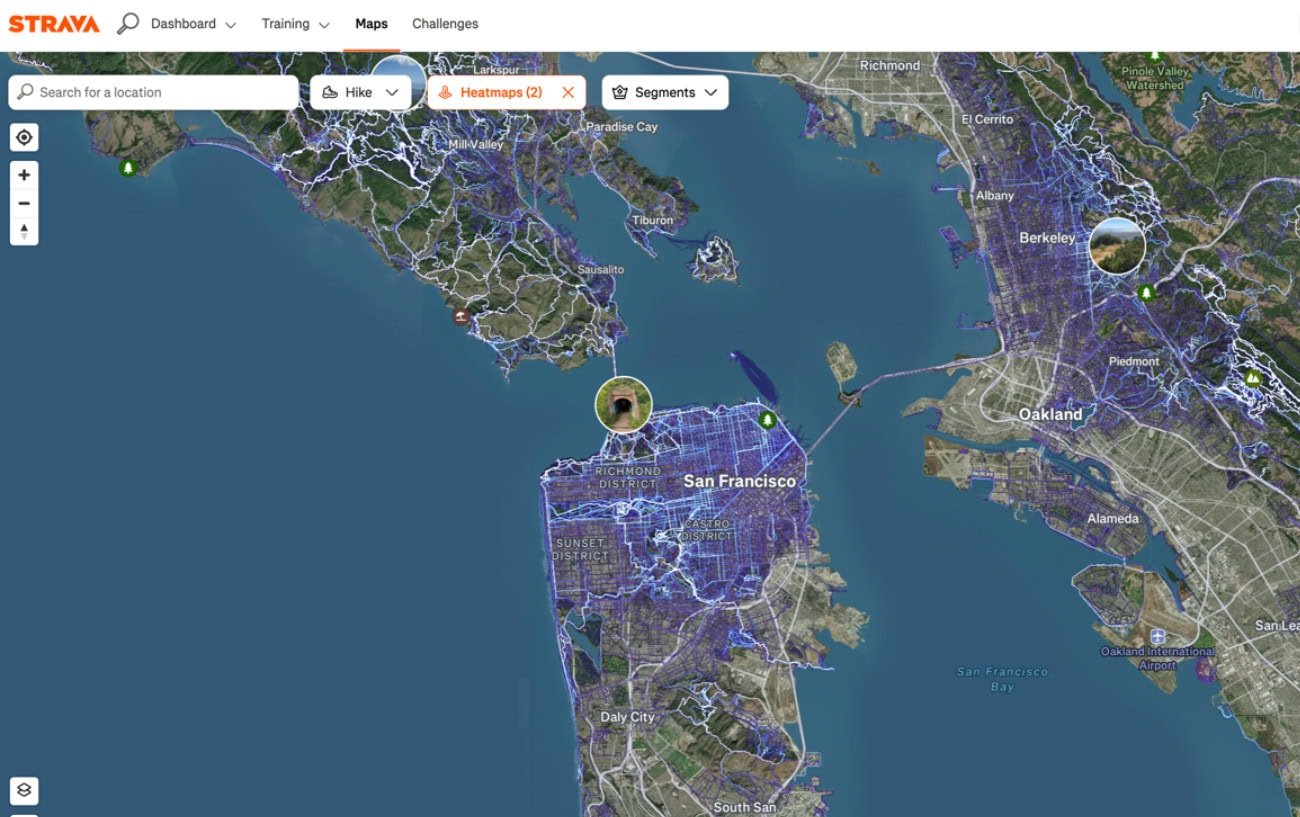
The heatmap claim is where the case immediately runs into a history problem.
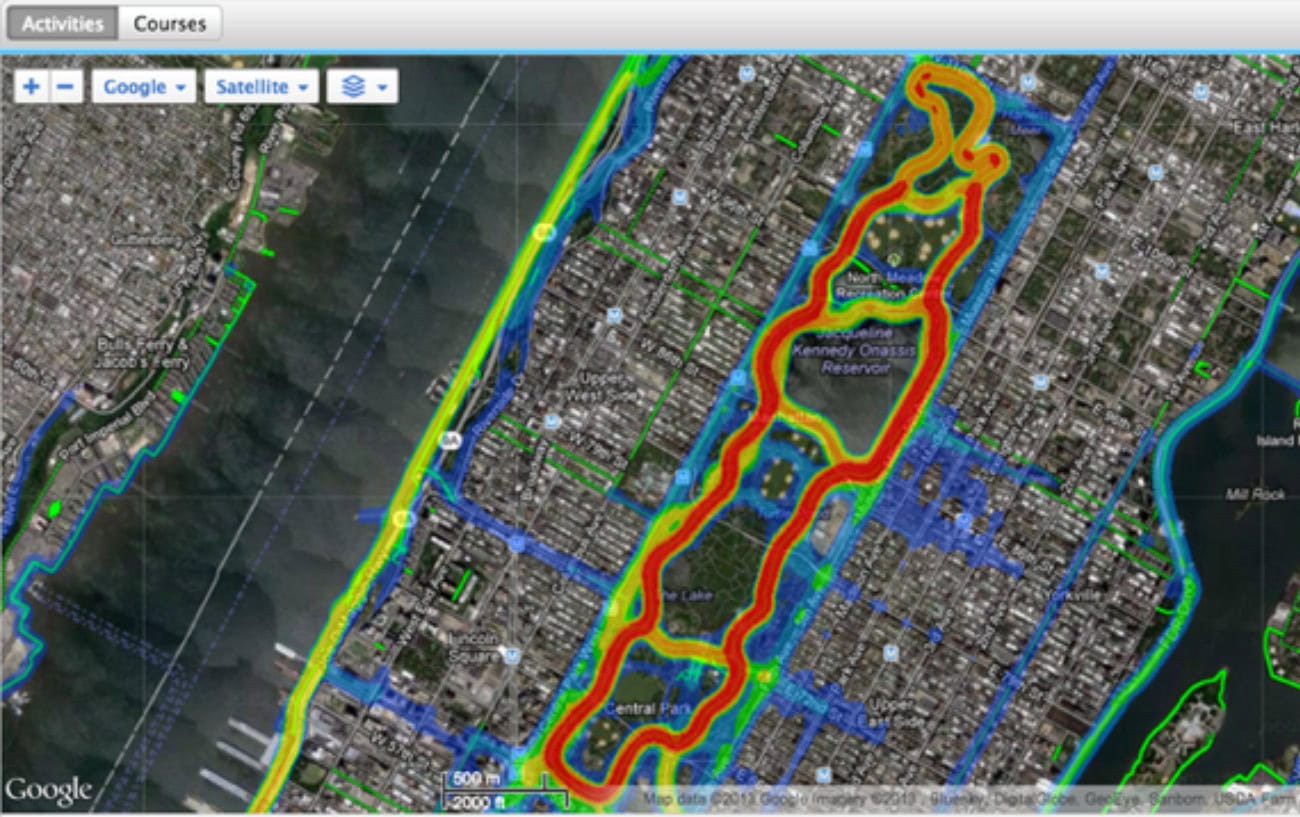
Strava filed its main “preference map” patent in December 2014, but Garmin had popularity heatmap layers live in Garmin Connect in early 2013, with Garmin’s own support pages and multiple contemporaneous posts showing users toggling on city heatmaps way back then.
If Garmin can prove that’s enabling prior art, it undercuts Strava’s later-filed claims.
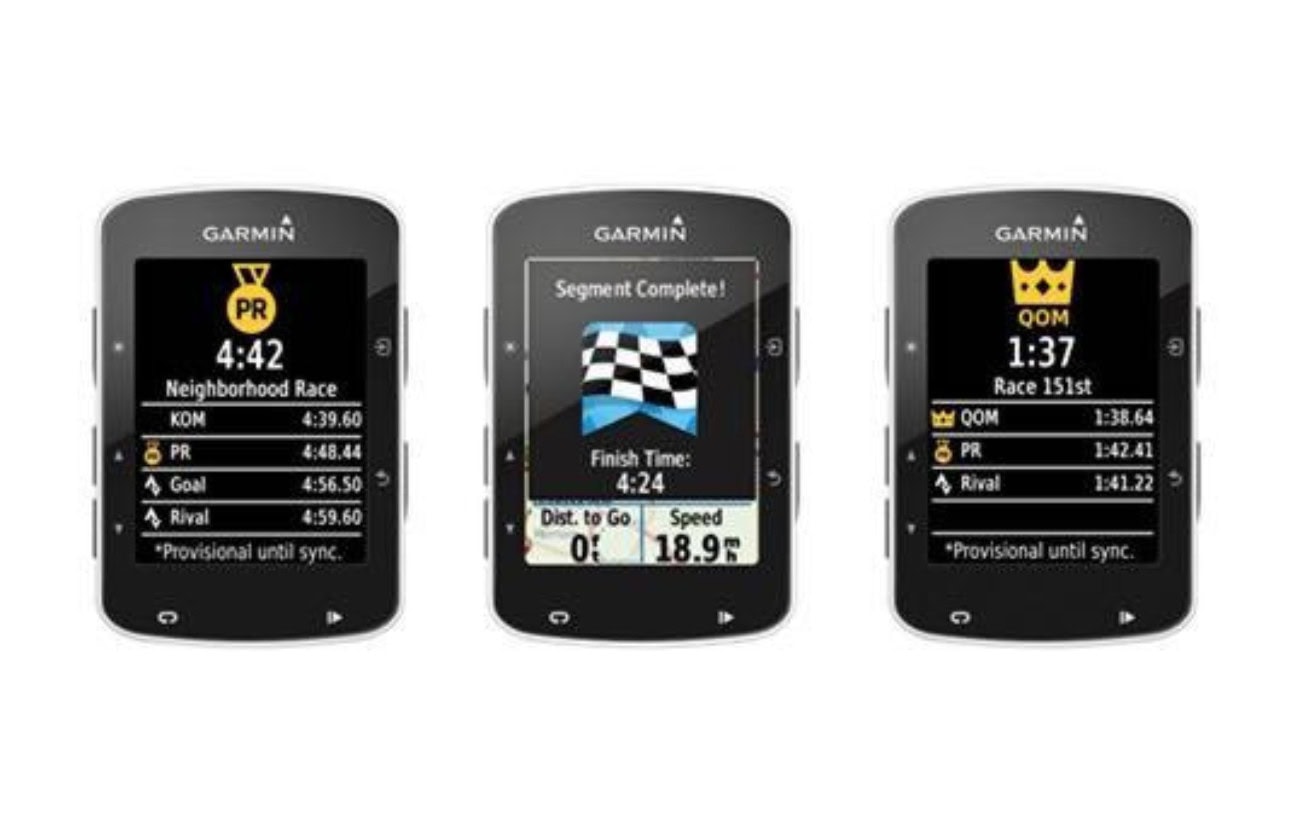
Segments are trickier. Strava popularized the feature and protected the technical way segments are defined and matched (entry and exit gates, GPS handling, and so on). Garmin shipped “Garmin Segments” in 2014 and then flipped to Strava Live Segments via the 2015 deal.
The public record shows how those Live Segments worked on Garmin devices and that they required a Strava subscription.
The legal question is whether Garmin’s own flavor of segments maps onto Strava’s patent claims, and whether the 2015 contract limited Garmin’s ability to keep pushing its in-house version.
Why now?
This isn’t happening in a vacuum. In late 2024, Strava tightened its API rules, curbing what third-party apps can show and explicitly banning use of Strava data to train AI models. That move rattled a lot of developers and partners and set off months of friction across the ecosystem.
In 2025, Garmin started pushing its own platform identity harder, including Connect+ experiments and stricter attribution guidance for data shown in other apps. None of that proves Strava’s claims, but it explains the mood music: both sides are defending turf, and the friendship looks frayed.
What changes for athletes right now?
Probably nothing immediate. Strava has said it doesn’t intend to disrupt Garmin-to-Strava syncing, a crucial pipeline given how many subscribers record on Garmin and post to Strava. And injunctions, if they come at all, come later. In the meantime, Live Segments and syncing keep working with the same long-standing caveats, for example, Live Segments don’t run if you’re actively following a course on Garmin head units.
The two big questions a judge will weigh
- Heatmaps vs. prior art: If Garmin convincingly shows it had popularity heatmaps live in 2013, that’s a serious challenge to Strava’s later patent claims. The support documentation and forum records are the kind of period evidence courts look at when deciding validity.
- What, exactly, the 2015 deal restricted: The Master Cooperation Agreement isn’t public in full. We do know it governed Strava Live Segments on Garmin and barred showing Strava and Garmin segments simultaneously. Whether Garmin “expanded beyond scope” is ultimately a contract-interpretation and facts-and-emails question.
Strava is betting it can use patents and the 2015 deal to rein in Garmin’s overlapping features at a time when both companies are asserting more control over their platforms. The heatmap claims will likely turn on whether Garmin’s 2013 features count as prior art, and the segment claims will come down to how precisely Garmin’s implementation lines up with Strava’s patent and what the cooperation agreement really said.
For everyday athletes, keep uploading and riding or running as usual. This fight is about leverage between two companies that, for the last decade, have needed each other—and still do.
Update — Strava explains its side
A few hours after news of the lawsuit went viral, Strava’s Chief Product Officer, Matt Salazar, posted an update on Reddit to clarify why the company is taking such an aggressive stance. In short, Strava says the legal action stems from new branding and attribution rules Garmin rolled out this summer.
According to Salazar, Garmin’s new developer guidelines—announced July 1—require the Garmin logo to appear “on every single activity post, screen, graph, image, sharing card, etc.” across all third-party apps, including Strava. The company has until November 1 to comply, or Garmin has threatened to revoke API access, which would block all Garmin activities from uploading to Strava.
Strava says it refused to comply, citing two reasons. First, it argues the new requirement amounts to forced advertising and would clutter the user experience. “These new guidelines actively degrade your user experience on Strava,” Salazar wrote, adding that Garmin “told us they care more about their marketing than your user experience.”
Second, Strava says the data belongs to users. “If you recorded an activity on your watch, we think that is your data,” the post reads. Strava believes athletes should be able to upload and share their files without being used to promote hardware brands.
Salazar said Strava spent five months trying to negotiate a compromise, proposing subtler attribution methods, but couldn’t reach an agreement. “We know we have a lot of Garmin users on Strava,” he wrote, “and wanted to be clear with everyone as to the current situation and what we’re trying to do to resolve it.”
However, according to independent reviewers who’ve examined Garmin’s published API documentation, the guidelines don’t actually require Garmin’s logo to be displayed everywhere Strava claims. Garmin’s policy calls for clear attribution when Garmin data appears in third-party visualizations, but stops short of mandating full-screen branding. That discrepancy will likely fuel further debate as the dispute unfolds.
RunClub
Get more running stories — join RunClub
Daily running news, a community of 300,000+ runners, free training plans for every distance, and a daily running game. Free to join — no card.
Already a member? Log in →







Start the conversation