


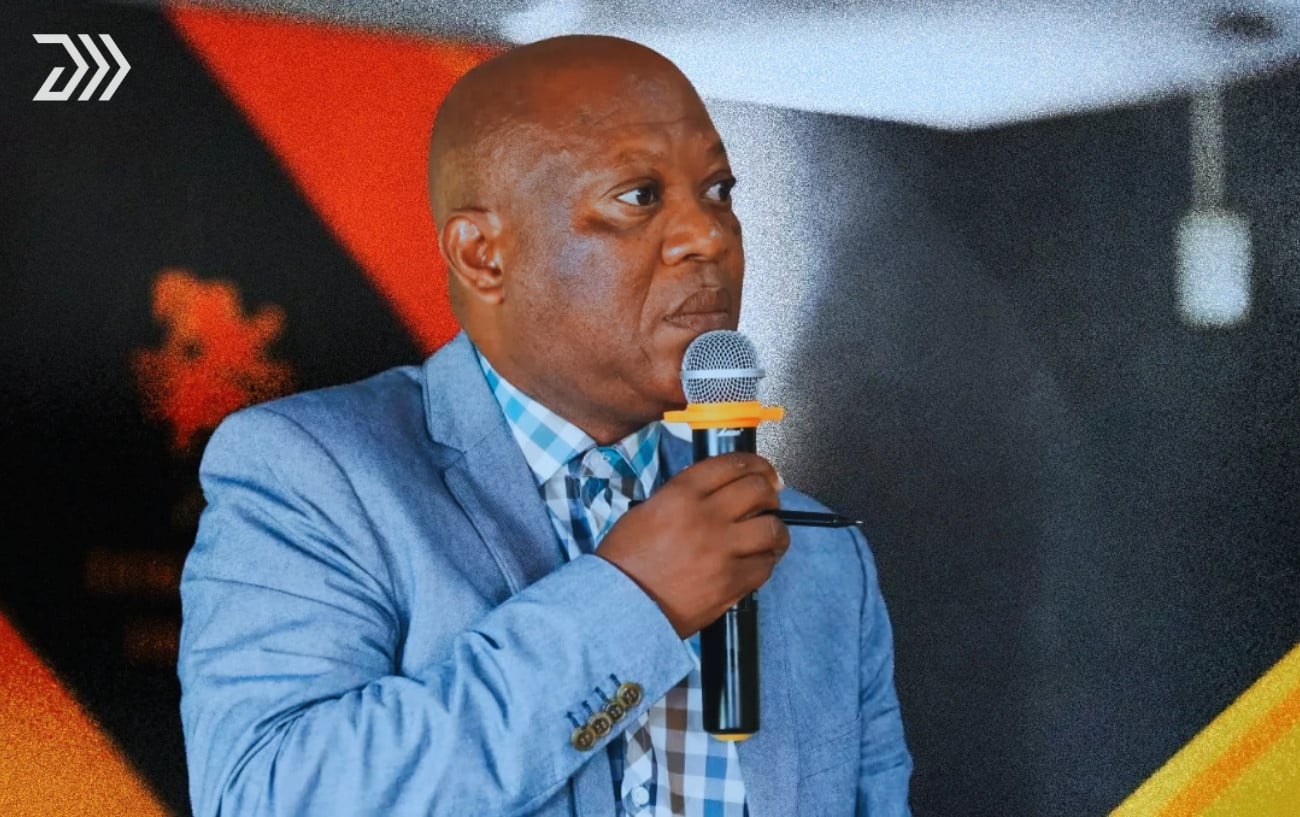
Grand Slam Track, the short-lived professional track league founded by Olympic legend Michael Johnson, has filed a Chapter 11 reorganization plan that would dramatically reshape who gets paid and who doesn’t.
The plan, first reported by LetsRun.com, was filed Monday in U.S. Bankruptcy Court for the District of Delaware and outlines a path for the league to emerge from bankruptcy if it receives more than $6.2 million in new financing from a “Plan Sponsor” ownership group “owned and controlled at least in part by Michael Johnson.”
If approved, the proposal would send the bulk of that money to athletes, while most other creditors would recover only a fraction of what they are owed.
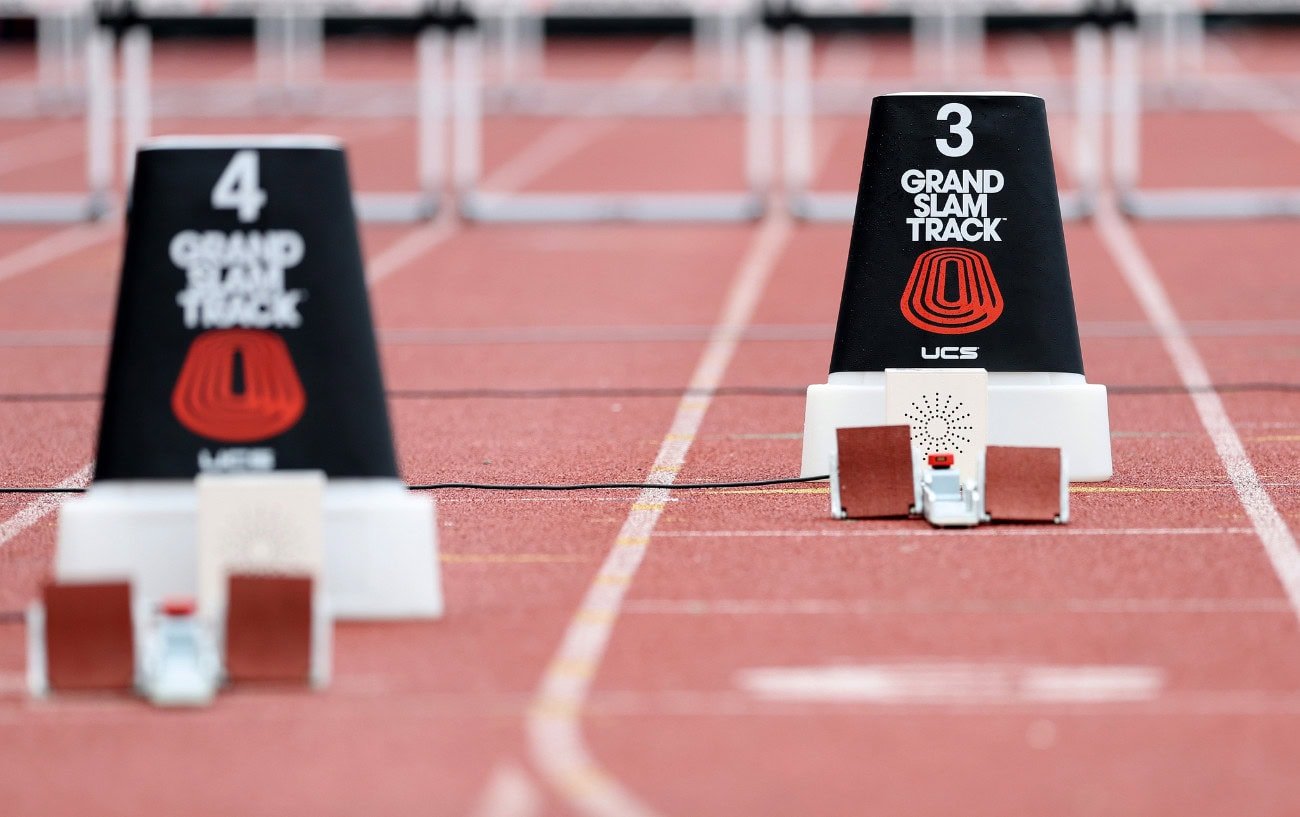
Athletes could receive most of their remaining prize money
According to the filing, Grand Slam Track still owes athletes roughly $7 million. Under the plan, $6 million would be set aside specifically for those payouts, covering about 85% of what remains unpaid.
LetsRun reported that athletes have already received about 50% of their owed prize money. If the new plan passes, athletes would ultimately receive $13 million of the $14 million they earned during the league’s first season, a recovery rate of 92.9%.
But the vote process comes with a major catch.
The filing states that creditors will vote on whether to accept the plan, including athletes. If an athlete votes against it and the plan is still approved, that athlete would be moved into the general unsecured creditor category, where recoveries are projected at only 1.5%.
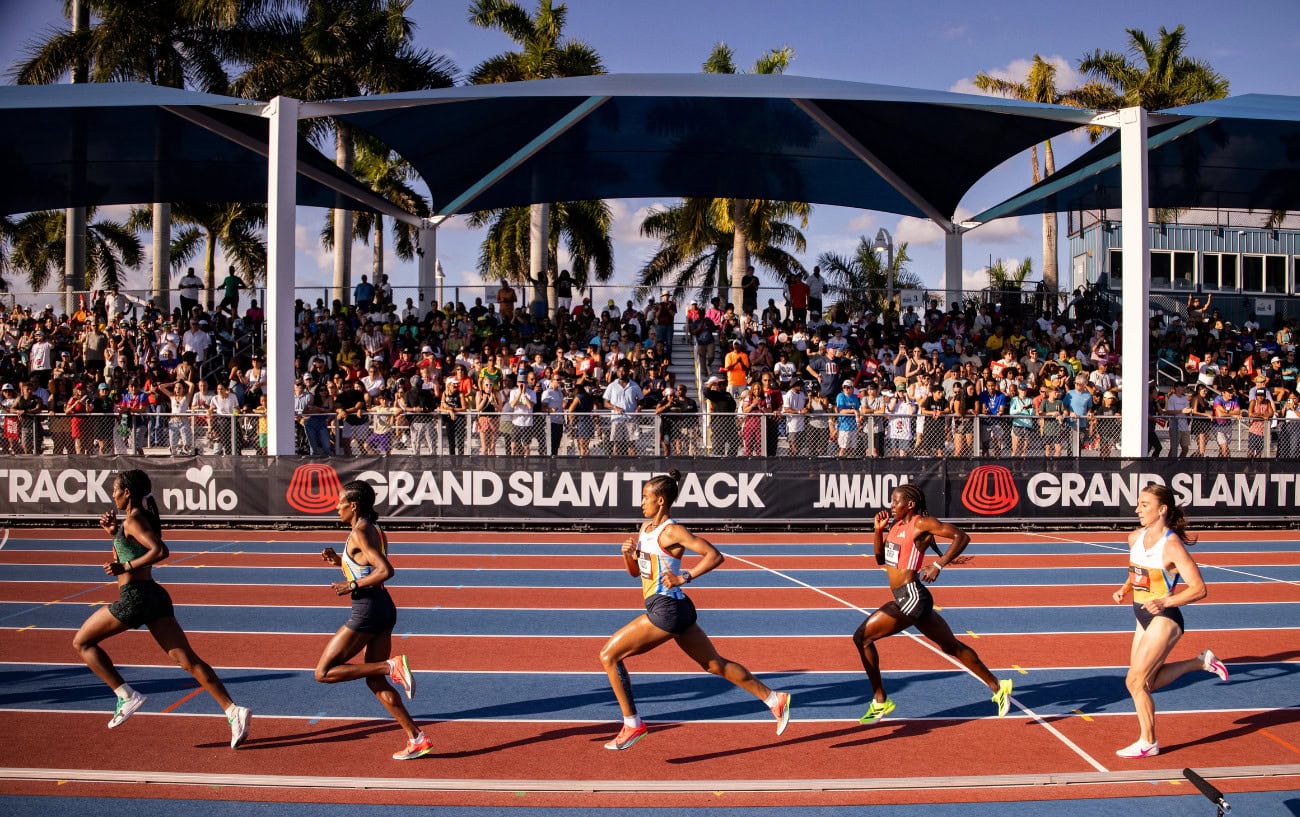
Vendors and contractors would split $200,000
While athletes stand to recover most of their earnings, other creditors would fare far worse.
The filing shows that general unsecured creditors, a group that includes vendors and contractors such as TV production crews, broadcasters, marketing agencies, and other service providers, are collectively owed around $13 million.
Under the plan, that entire group would split just $200,000, recovering about 1.5% of what they are owed.
The disparity is likely to become the central tension in negotiations leading up to the court’s decision.

Grand Slam Track never finished its first season
Grand Slam Track debuted in 2025 with major promotion and record prize money, aiming to bring top-level track stars into a new league format built around four three-day meets, branded as “slams.”
The league featured many of the sport’s biggest names, including Sydney McLaughlin-Levrone, Josh Kerr, Cole Hocker, and Grant Fisher.
But the schedule was never completed. The league held only three of the four planned meets before filing for bankruptcy.
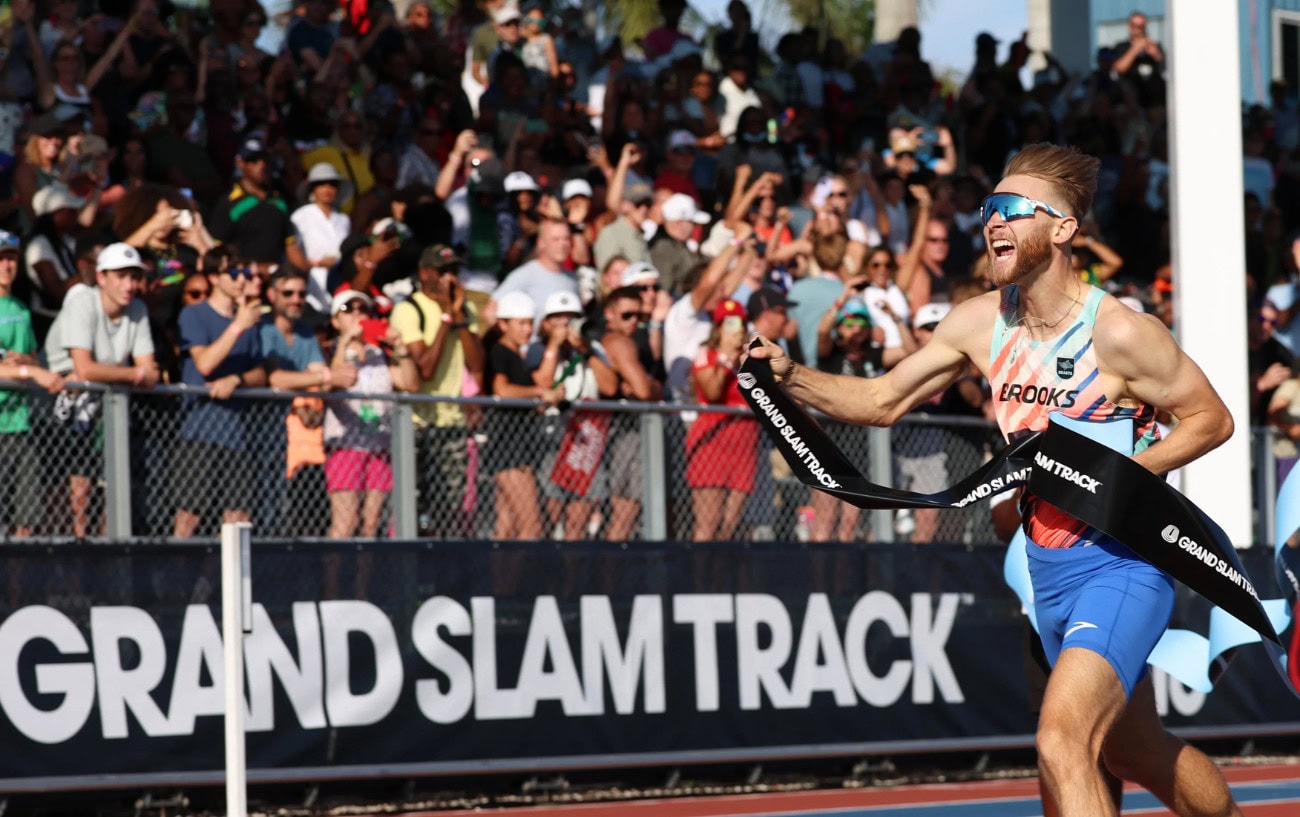
Same leadership would stay in charge
If the plan moves forward, the reorganized league would retain its current management team. Michael Johnson would remain CEO, and Stephen Gera would remain president, according to the filing.
The plan also states that Winners Alliance, the investment group affiliated with Bill Ackman that was the major backer of season one, could provide “all or part” of the new financing.

World Athletics criticized the possibility of a restart
The plan follows growing scrutiny from the sport’s governing bodies. Last week, World Athletics issued a statement criticizing the idea of Grand Slam Track returning before its debts are fully resolved.
“It is unconscionable that efforts would be made for Grand Slam Track to restart in 2026 without the settlement of outstanding financial obligations to athletes, vendors and service providers,” World Athletics said.
“It is paramount that athletes who competed in good faith and vendors and service providers are treated fairly and paid.”
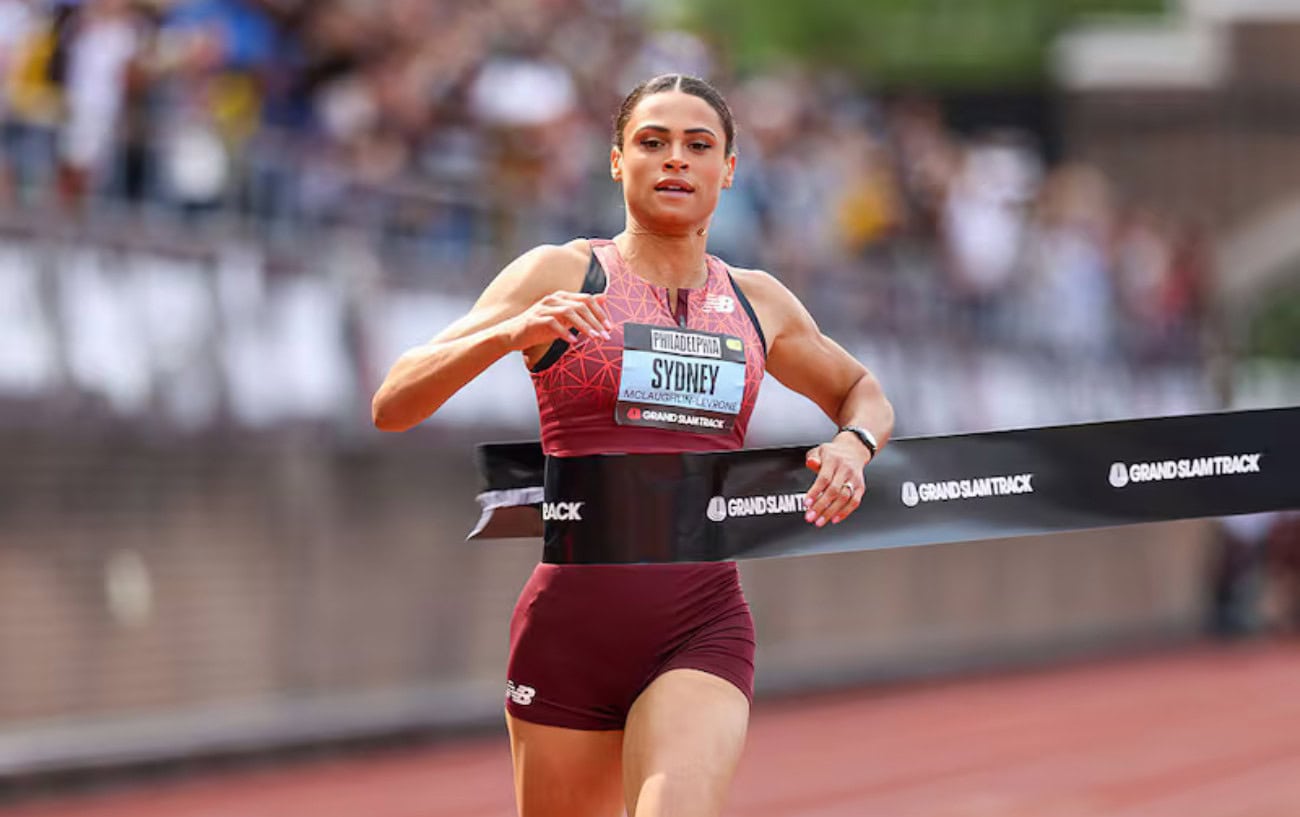
What happens next
Objections to the plan can be filed through April 9. A confirmation hearing is scheduled for April 16, 2026.
The filing does not include details on when or how a second season would take place. For now, it outlines only how Grand Slam Track hopes to survive financially after its first-year collapse.
Hat tip to LetsRun.com for first reporting the bankruptcy plan details and creditor payout breakdown.
RunClub
Get more running stories — join RunClub
Daily running news, a community of 300,000+ runners, free training plans for every distance, and a daily running game. Free to join — no card.
Already a member? Log in →








Start the conversation