


When Grand Slam Track launched last spring, it billed itself as a reset for professional track, athlete-first, financially sustainable, and backed by serious money.
Less than a year later, the league is bankrupt.
New court filings in U.S. Bankruptcy Court in Delaware show that Grand Slam Track, Inc. is carrying $40.68 million in debt against just $831,385 in assets, most of which is already tied up in legal and administrative costs. The numbers confirm what many athletes and agents had suspected for months: the league ran out of money long before it ran out of obligations.
For runners, the fallout is still ongoing.
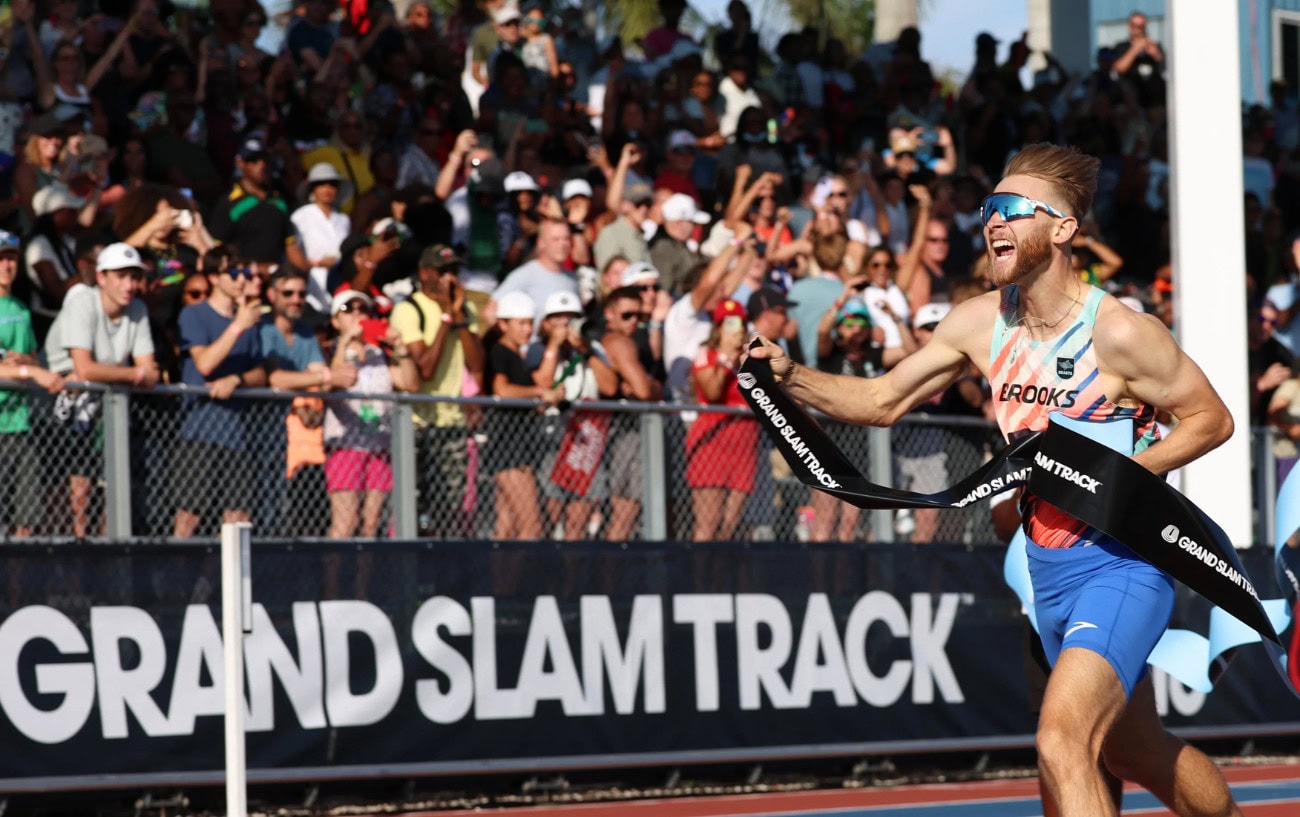
A league underwater almost from the start
According to a 221-page filing submitted last week, Grand Slam Track reported just $143,286 in cash at the time of its bankruptcy filing. Total assets amounted to $831,385, while liabilities topped $40 million.
The largest creditor by far is Winners Alliance, the commercial arm of the Professional Tennis Players Association, which helped finance the league from its earliest days. Winners Alliance is owed more than $17 million through a mix of secured loans, unsecured debt, and SAFE investments.
In total, the filings list:
- $5.02 million owed to secured creditors
- $35.59 million owed to general unsecured creditors
Those unsecured creditors include athletes, meet vendors, production companies, host venues, media partners, and league insiders.
The filings show that despite raising more than $21 million in equity and debt, the league generated just $1.83 million in revenue in 2025, a gap that proved fatal.
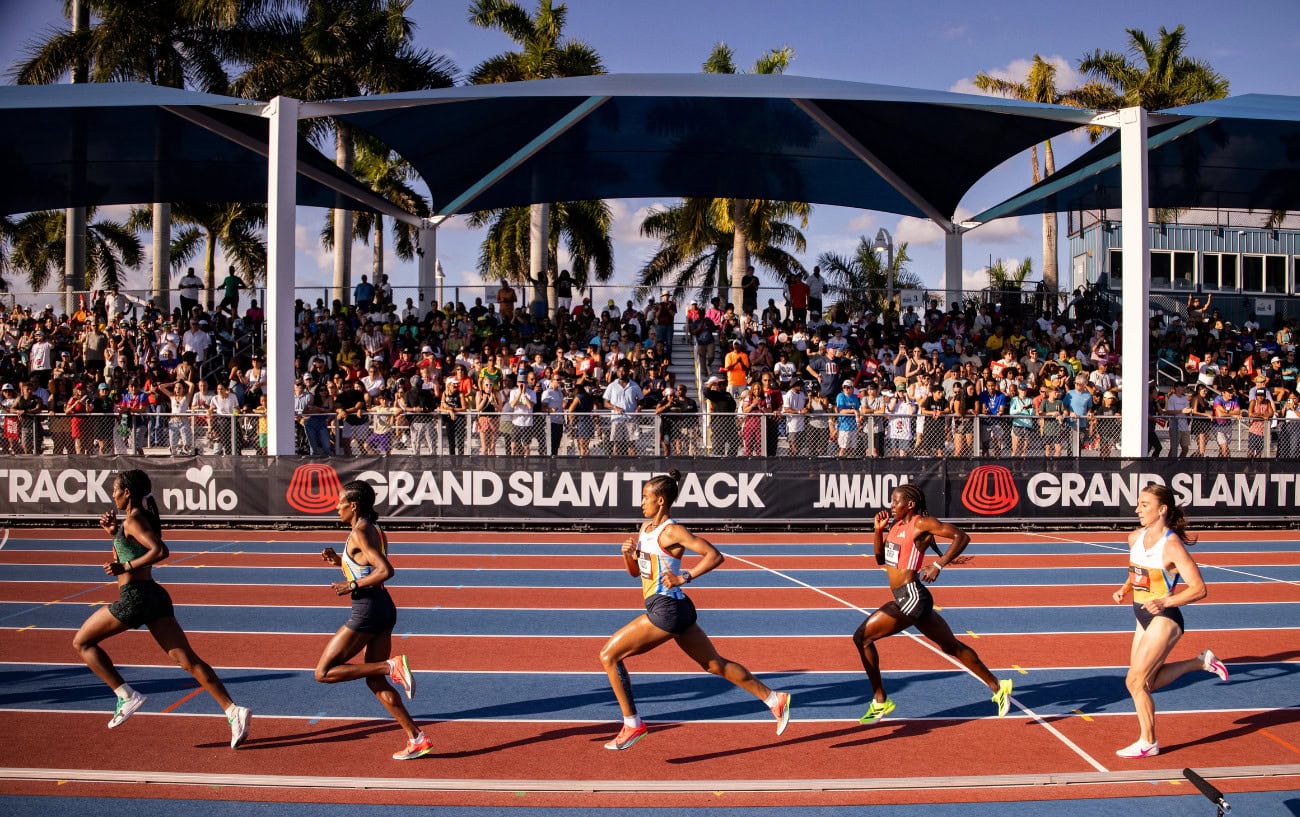
Athletes owed millions in prize money and fees
The most immediate impact has fallen on athletes.
More than 300 runners are listed as creditors. The top 75 alone are owed $20,000 or more, covering a mix of prize money and appearance fees promised across the league’s three meets in Kingston, Miami, and Philadelphia.
Among those with the largest unpaid balances:
- Sydney McLaughlin-Levrone: $268,750
- Kenny Bednarek: $195,000
- Gabby Thomas: $185,625
- Melissa Jefferson-Wooden: $174,375
- Marileidy Paulino: $173,125
- Josh Kerr: $168,750
- Grant Fisher: $119,250
- Cole Hocker: $107,500
Dozens of other athletes are owed smaller sums, many under $20,000, but still meaningful amounts in a sport where prize money is often scarce.
The filings also show that Grand Slam Track paid $4.7 million to athletes in the 90 days before filing for bankruptcy, largely after securing an emergency loan from Winners Alliance in October 2025. That payment covered roughly half of what athletes were owed, leaving millions still outstanding.
Michael Johnson loaned the league $2.7 million
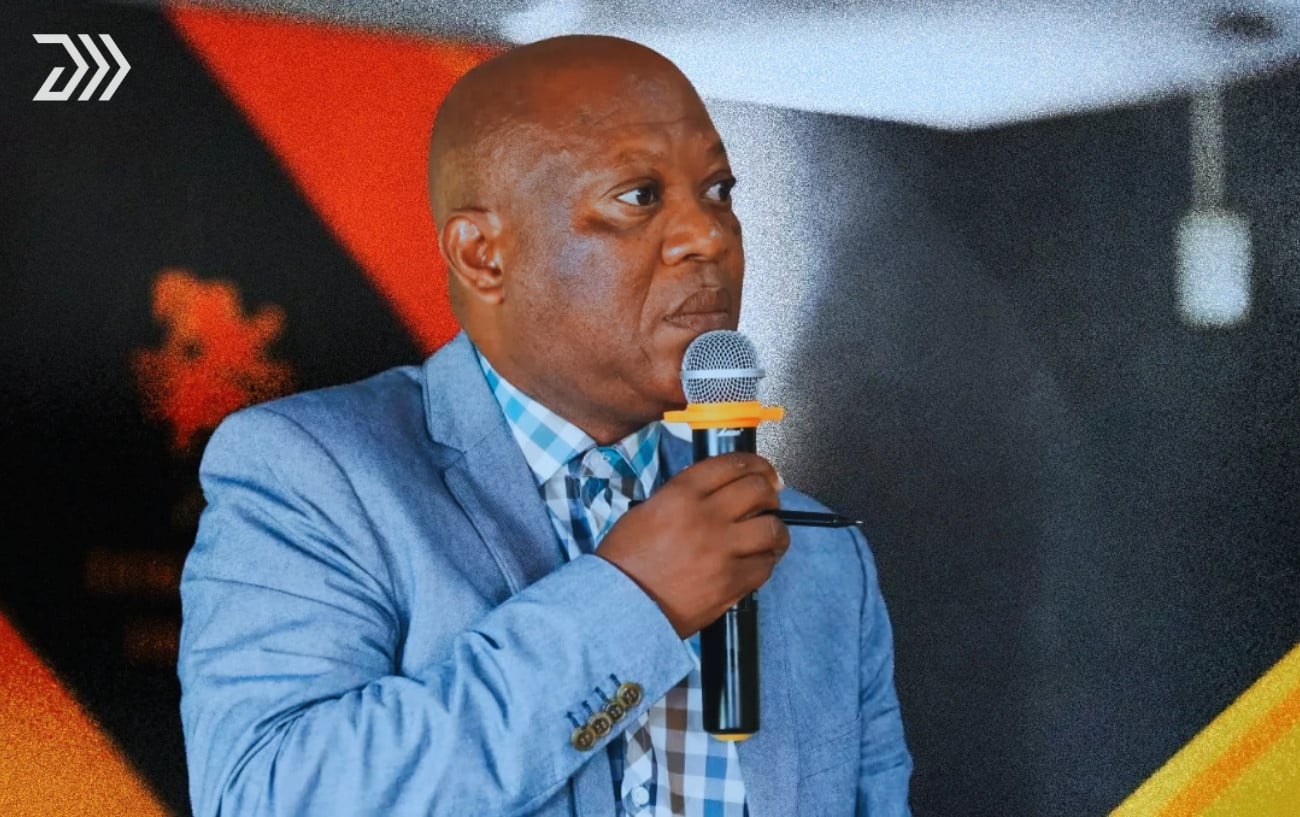
One of the more surprising disclosures is how much money Michael Johnson, the league’s founder and chief executive, personally put into the project.
Court documents show that Johnson loaned Grand Slam Track $2.745 million on May 23, 2025, just days before the Philadelphia meet. The loan appears to have been made to ensure the event could go ahead.
Johnson was repaid $500,000 shortly afterward. The remaining $2.245 million is still outstanding and now sits among the league’s unsecured debts, meaning it could be largely unrecoverable.
Johnson is also owed $232,539 in unpaid wages and unreimbursed travel expenses. Payroll records show that Johnson and league president Stephen Gera stopped paying themselves earlier in the season as finances deteriorated.
Based on salary disclosures in the filings, Johnson had been earning roughly $275,000 per year, while Gera earned about $235,000, before both took pay cuts.

Vendors, venues, and cities left unpaid
Athletes were not the only ones left exposed.
The filings list 340 creditors in total, including production companies, timing services, hotels, and host venues across multiple cities.
Among the largest vendor debts:
- $3.03 million owed to Momentum-CHP Partnership for television production
- $350,000 owed to Rekortan, likely related to track resurfacing at Jamaica’s National Stadium
- $177,934 owed to Prime Time Timing
Several host cities are also listed as creditors, including:
- $135,401 owed to Penn Athletics in Philadelphia
- $77,896 owed to the City of Miramar, Florida
- $350,465 owed to the W Los Angeles hotel for the canceled final meet
- $70,399 owed to the UCLA Luskin Conference Center
Media partners were also affected. Citius Magazine is owed $272,916, while Athletics Weekly is owed $33,629.

A failure before the first gun went off
Read together with earlier disclosures, the filings suggest the league was already in trouble before its first meet was staged.
Despite securing at least $13 million from Winners Alliance in 2024, Grand Slam Track took on additional loans in early 2025 just weeks before its Kingston debut. After Kingston, the league required further investment to stage the Miami meet, then relied on Johnson’s personal loan to get through Philadelphia.
The planned fourth meet in Los Angeles never happened.
By October, the league needed another $5.5 million loan simply to pay athletes a portion of what they were owed.
What’s left
The bankruptcy filings make one point clear: this was not a cash-out.
Michael Johnson appears to be among the league’s biggest financial losers. Athletes, however, remain stuck in limbo, with millions still unpaid and little clarity on how much — if any — will be recovered.
Grand Slam Track promised a new financial model for the sport. What remains is a cautionary tale: ambitious ideas, elite talent, and big-name backing are not enough if the money runs out before the bills come due.
For many athletes, the season ended long ago. The reckoning is only just beginning.
RunClub
Get more running stories — join RunClub
Daily running news, a community of 300,000+ runners, free training plans for every distance, and a daily running game. Free to join — no card.
Already a member? Log in →











Start the conversation