


Hagos Gebrhiwet has never raced beyond the half-marathon. On Aug. 30 he will run his first marathon, in Sydney, and he does it with one of the strongest track résumés in the race: an Olympic 5,000m bronze, a world 5K road title, and the second-fastest 5,000m ever run, 12:36.73. History says that pedigree guarantees him very little over 26.2 miles.
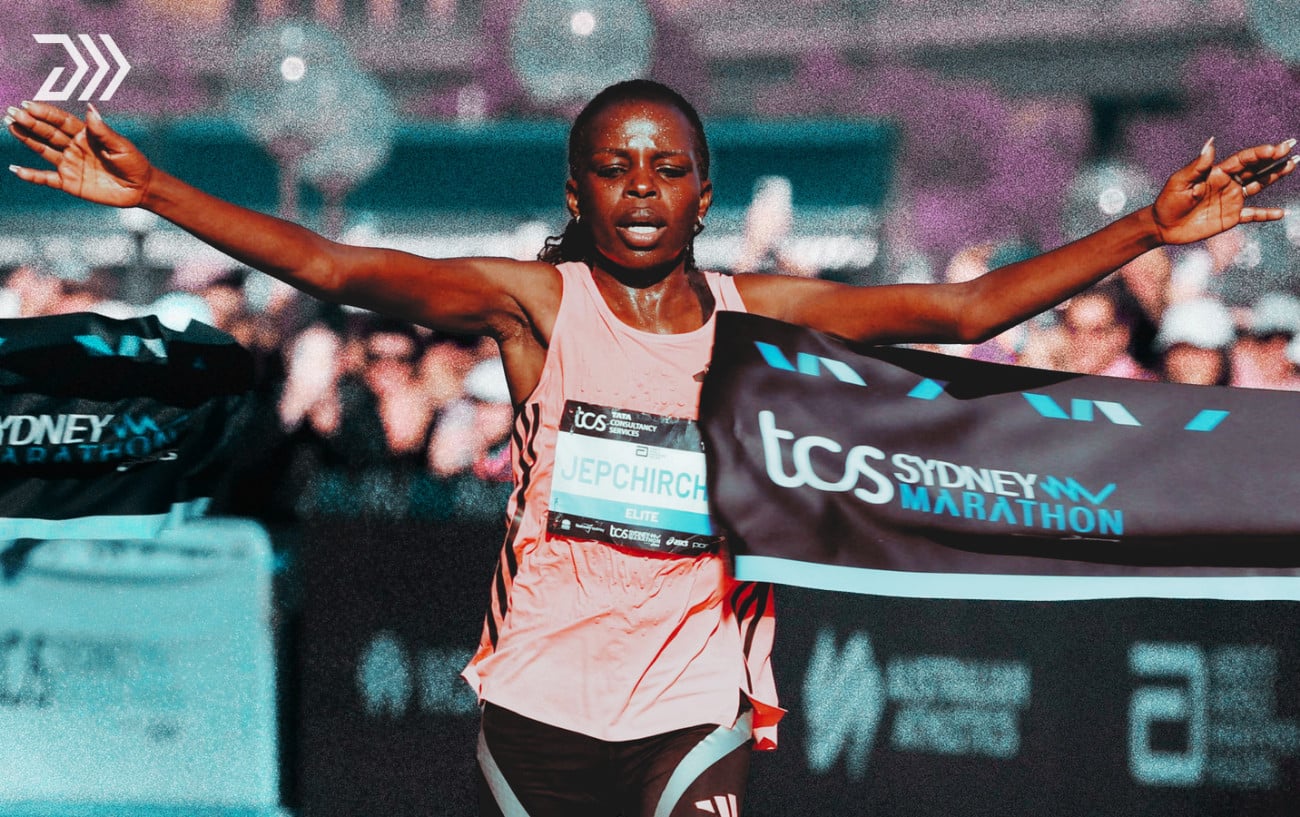
Sydney has assembled its most competitive field yet for its first year among the sport’s major marathons, led by the reigning world champion, Alphonce Simbu, and the Olympic champion, Peres Jepchirchir. The field also includes Sisay Lemma, whose 2:01:48 best is the quickest in it. Gebrhiwet, who turns 32 two weeks before the race, is not the favorite. He is the most interesting name on the start list, because nobody, himself included, knows what he is over the distance.
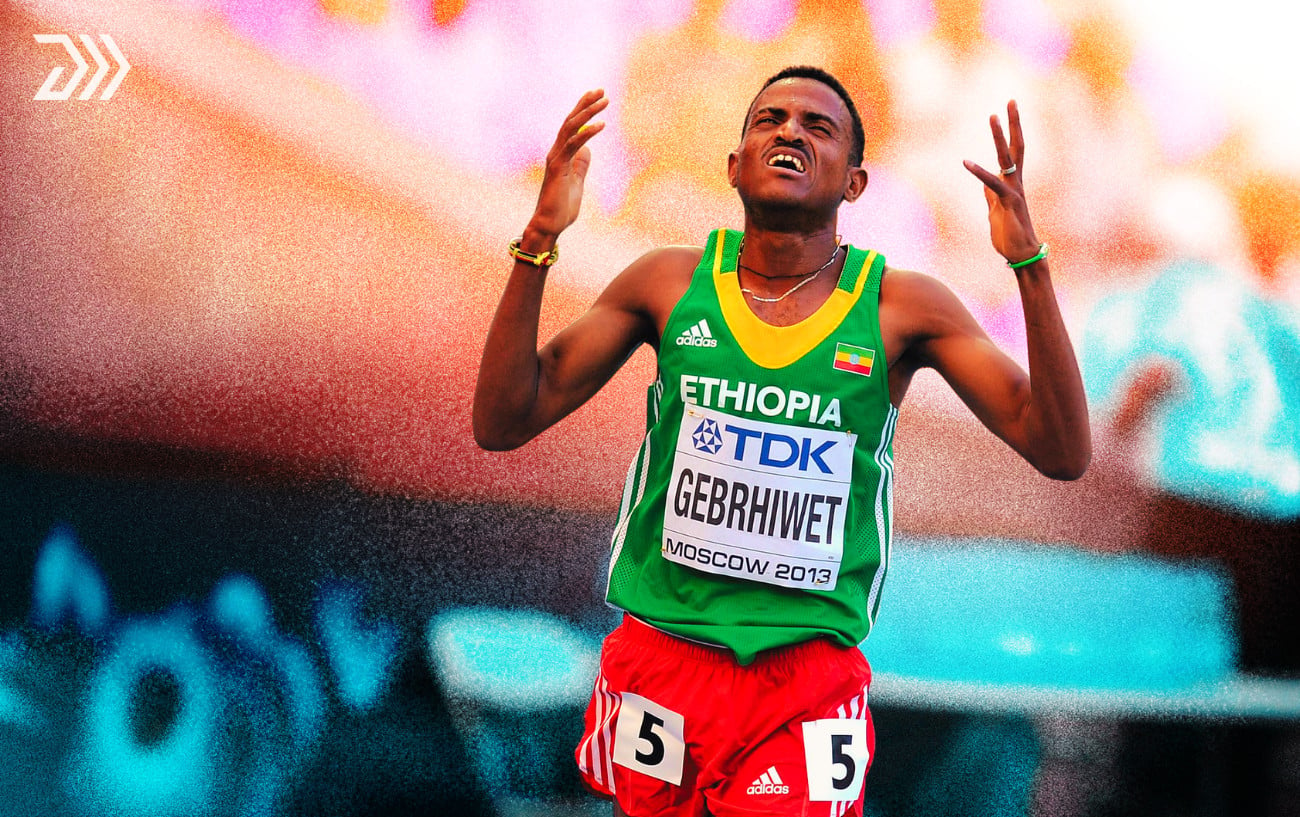
The move from the track to the marathon has gone both ways, and Gebrhiwet’s own résumé sits on the fault line. The only man who has ever run 5,000m faster than he has, Joshua Cheptegei, needed 2:08:59 on his debut and finished well down the field again in Tokyo this year. Others made it look straightforward. Kenenisa Bekele ran 2:05:04 and a course record in Paris on debut. Jacob Kiplimo ran 2:03:37 in London last year and finished second. In April, Yomif Kejelcha ran 1:59:41 in London, the fastest marathon debut in history and the second sub-two-hour run in a race. Set against them, Mo Farah, a four-time Olympic track champion, managed 2:08:21 on his 2014 London debut and never contended. It was the same rarefied class of runner, with opposite results.
What the fast debutants had in common was not raw track speed but strength over the half-marathon. The marathon rewards the ability to hold a hard pace for well over two hours, which the half tests directly and the 5,000m does not. Kejelcha held the half-marathon world record before his sub-two; Kiplimo held it before him. That is the encouraging line on Gebrhiwet’s card. His half-marathon best is 57:41, and in February he won in Barcelona in 58:05, running much of the race at world-record pace before his pacemaker stepped off and left him alone at the front. A runner with that kind of aerobic strength is better prepared for the marathon than his 5,000m ranking alone would suggest.
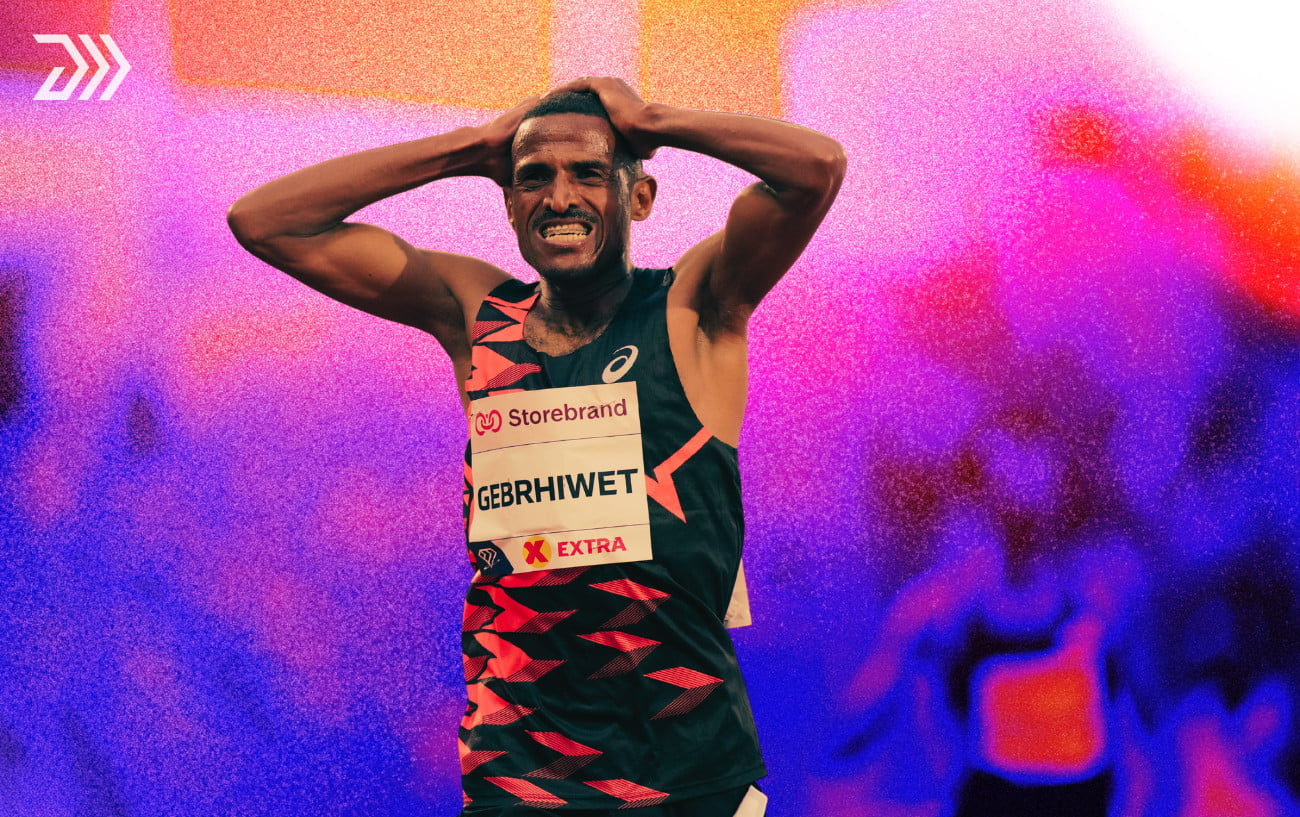
The complication is where he has chosen to begin. The debut times that turned heads were set on flat, record-eligible courses. Sydney is not one. The route climbs about 313 meters (1,027 feet) across the 42.2K, rolls through its middle third, and saves its sharpest pitch for a hill at 40K, close to the finish. Course guides tell amateur runners to add three to five minutes to whatever a flat course would give them. Gebrhiwet’s debut is better read in how he handles the hills and the closing miles than in the time beside his name.
He will not be the last to try it. In barely two years the marathon has drawn Cheptegei, Kiplimo, Kejelcha and now Gebrhiwet off the track, pulled by quicker times, faster shoes and a widening calendar of big-city races. Sydney, holding its first edition as one of them, gets to see which kind of debut his turns out to be.
RunClub
Get more running stories — join RunClub
Daily running news, a community of 300,000+ runners, free training plans for every distance, and a daily running game. Free to join — no card.
Already a member? Log in →


Start the conversation