


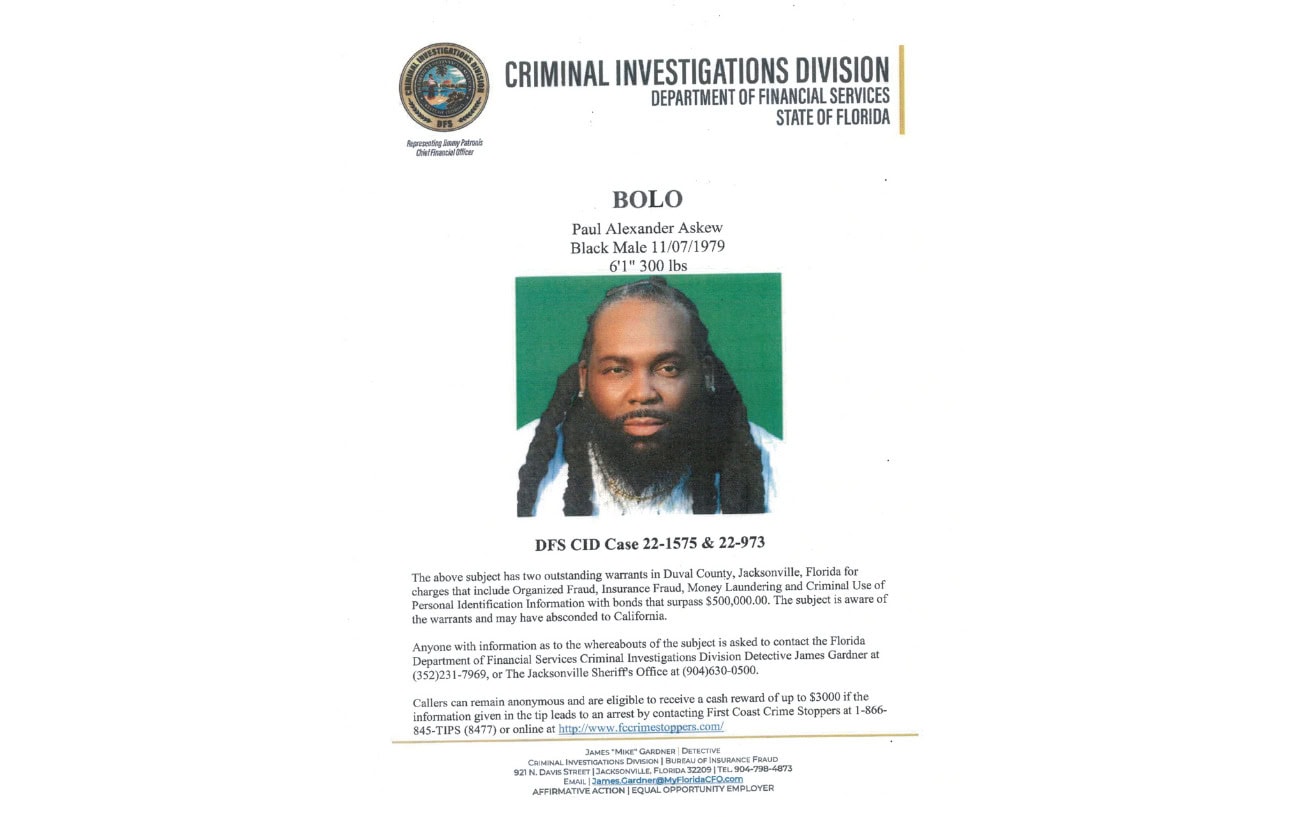
There’s a certain audacity to the scheme federal prosecutors laid out on Tuesday. A 46-year-old man from Jacksonville, Florida, is accused of helping an elite sprinter dope his way through seven competitions over six months — from a track meet in China to, ultimately, the Olympic Games in Paris.
Paul Alexander Askew has been indicted on charges of conspiracy to influence major international sports competitions through doping. Prosecutors say he conspired with others to supply performance-enhancing drugs to an athlete competing at some of the biggest events on the athletics calendar. If convicted, he faces up to 10 years in federal prison.
Askew did not respond to messages left by the Associated Press. Court records show he was still being assigned an attorney.
Seven Competitions. Two Continents. One Indictment.
According to federal charging documents, the alleged scheme ran from July 10, 2023 through January 31, 2024 — a window that covered an eye-catching list of events.
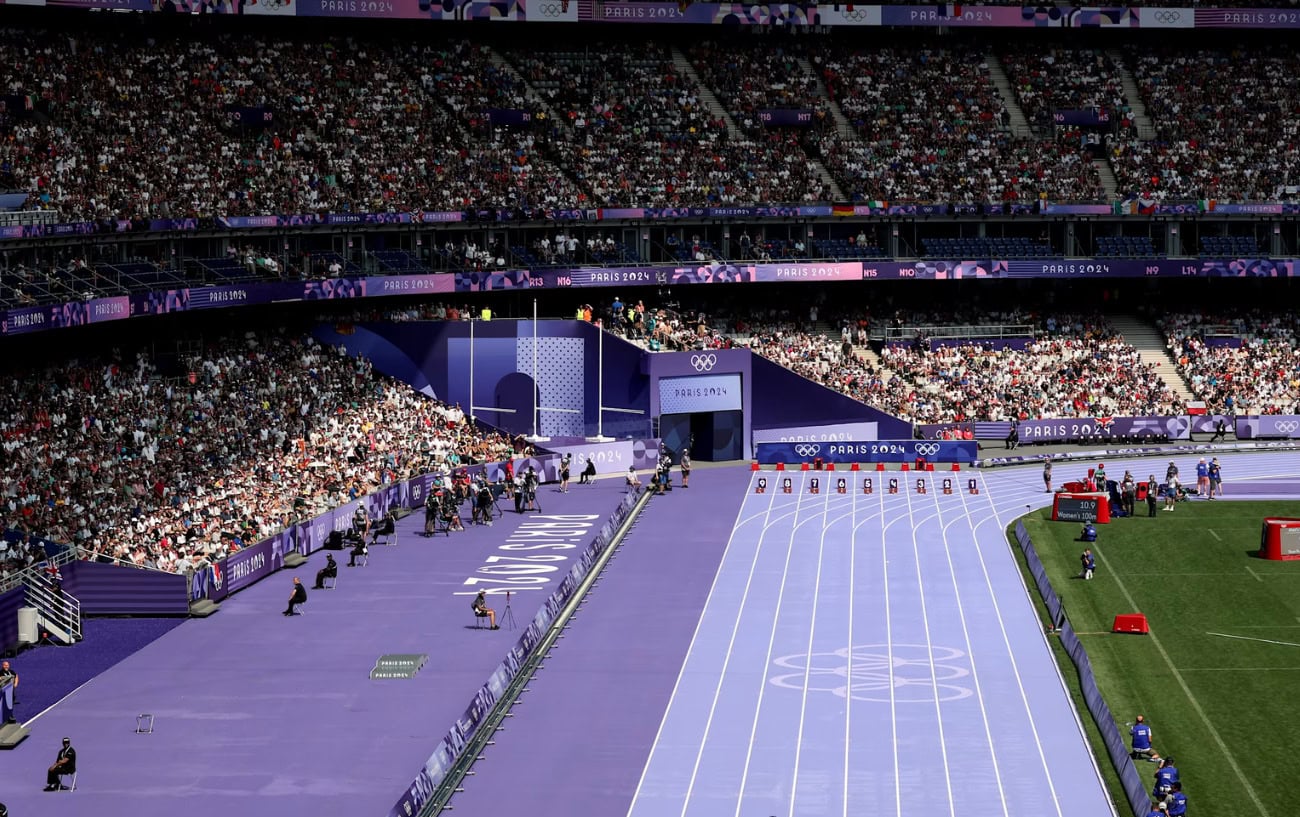
The indictment names the 2023 Ed Murphey Classic, the 2023 Xiamen Diamond League in China, the 2023 Prefontaine Classic in Oregon, the 2024 World Athletics Indoor Championships, the 2024 American Outdoor Track and Field Championships, the 2024 U.S. Olympic Trials, and the 2024 Summer Olympics in Paris.
That’s not a corner-cutting operation. That’s a full calendar.
Prosecutors say Askew worked with unnamed others to get banned substances into the hands of an athlete who was either competing or planning to compete at those events. The charge falls under the Rodchenkov Anti-Doping Act, a 2020 law that gives U.S. authorities the reach to prosecute doping fraud connected to international competitions — even when parts of the scheme happened overseas.

The Sprinter Who Vanished
The indictment doesn’t name the athlete involved. But the case is publicly connected to the disciplinary file of Marvin Bracy-Williams, who in November accepted a 45-month ban from competition.
Bracy-Williams had the kind of career that made people pay attention. He ran the 100 meters at the 2016 Rio Olympics and won a silver medal at the 2022 World Championships. Then, in 2023, he simply stopped showing up. No announcement, no explanation — he just disappeared from the sport.
It turned out someone had tipped off USADA. An investigation followed, and Bracy-Williams initially tried to get in its way. Eventually, though, he reversed course and provided what USADA called “substantial assistance” — cooperation that helped authorities pull on more threads. Askew’s indictment looks like one of those threads.
Why This Case Matters Beyond Track and Field
USADA was quick to frame Tuesday’s indictment as something bigger than one sprinter and one supplier.
“While athletes face clear sanctions under the World Anti-Doping Code, others have escaped responsibility for undermining the integrity of sport,” the agency said in a statement. The implication: coaches, trainers, and suppliers have long been able to skate away while the athletes — the ones whose names appear on the start lists — take all the heat.
The Rodchenkov Act was designed to close that gap. It was named after Grigory Rodchenkov, the Russian scientist who eventually blew the whistle on his own country’s state-sponsored doping machine. Congress passed it unanimously. The logic was simple: if you help an athlete cheat at the Olympics, that should be a federal crime.
Tuesday’s case is a test of how far that logic reaches.
Christopher Lane, acting head of the DEA’s Orlando district office, put it bluntly. “Their work protected the integrity of the 2024 Summer Olympics,” he said, “and sent an unmistakable message that attempts to undermine major international sporting competitions will be met with decisive action.”
USADA added its own warning for whoever might be paying attention. With the U.S. set to host the 2026 FIFA World Cup and the 2028 Olympic and Paralympic Games, the agency said the law “is more important than ever.”
What Comes Next
No arraignment date has been set. As with any indictment, it’s a charge, not a verdict — and Askew, like any defendant, is presumed innocent until proven guilty.
But the case moves the conversation about doping in a direction that’s been a long time coming: away from testing urine samples and toward the people who make the cheating possible in the first place.
The sprinters get the bans. Now someone else is facing the consequences.
RunClub
Get more running stories — join RunClub
Daily running news, a community of 300,000+ runners, free training plans for every distance, and a daily running game. Free to join — no card.
Already a member? Log in →




Start the conversation