


If the Olympics ever come back to Britain, a growing group of political leaders in the north of England want to make one thing very clear.
They don’t want the Games landing in London again.
Instead, they’re pitching something far more ambitious: a multi-city Olympic and Paralympic Games spread across the North, using venues that already exist and selling it as a once-in-a-generation chance to drive investment into a region that has long felt overlooked.
The push is being led by the Great North partnership, a coalition of 11 northern mayors and leaders, who have written to Culture Secretary Lisa Nandy urging the government to back early feasibility work for a future UK Olympic bid. They also want ministers to agree “in principle” that any bid should be anchored in the North of England.
In their letter, leaders described the proposal as a “fairer redistribution of major events across the country,” arguing that hosting the Olympics could help “rebalance the economy” and reset perceptions of northern England internationally.

The north is pushing back against another London bid
The timing of the campaign is no coincidence.
London mayor Sadiq Khan said last year that he wanted the capital to bid for the 2040 Olympics, which would bring the Games back to London less than 30 years after the 2012 edition.
But Andy Burnham, the mayor of Greater Manchester, has pushed back strongly, saying it “wouldn’t be fair or right” for London to host for a fourth time. Burnham said a northern Olympics is “what Britain needs right now,” and argued that the region already has much of the infrastructure required to stage a Games.
“We have a track record of hosting major global events,” Burnham said, adding that northern facilities are “second-to-none.”
‘This isn’t just about sport’
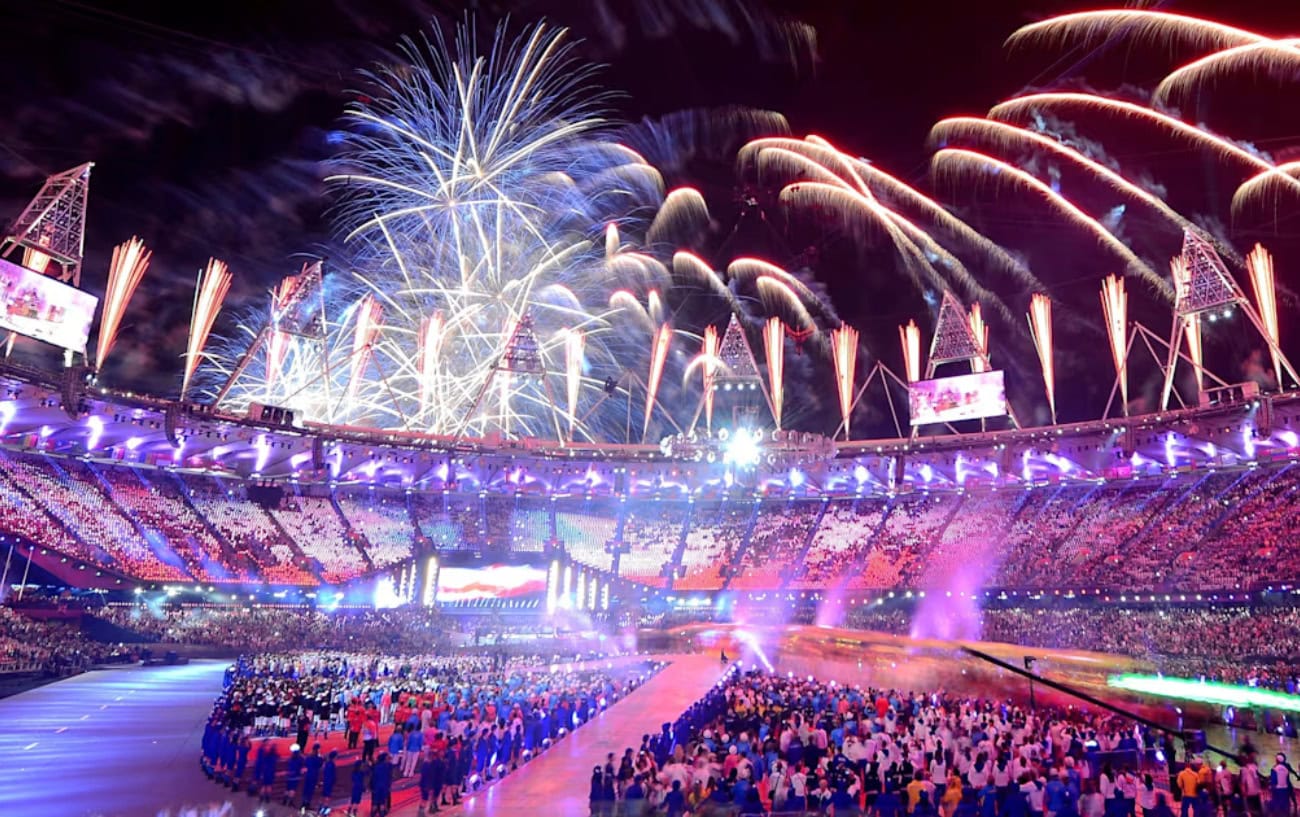
One of the most prominent supporters is Luke Campbell, the former Olympic boxing champion who won gold for Team GB at the London 2012 Games and is now mayor of Hull and East Yorkshire.
Campbell said London 2012 was “one of the proudest moments of my life,” but insisted the next British Olympics should be about more than nostalgia.
“Bringing the Olympics to the North isn’t just about sport,” he said. “It’s about giving our kids something to aim for, creating real opportunities and showing the world what this part of the country has to offer.”
The Great North partnership has argued that the region already has the foundations to host a world-class Games, pointing to major stadiums and arenas, established transport hubs, accommodation capacity, and strong broadcast and creative industries.
Leaders have suggested the UK could aim for either the 2036 or 2040 Olympics, and have noted that the International Olympic Committee has increasingly supported multi-city hosting models, partly to reduce the cost burden on any single city.
A big promise, with London 2012 still looming in the background
Other northern leaders have pitched the proposal as a way to deliver long-term economic and social benefits, not just a few weeks of sporting spectacle.
Kim McGuinness, the North East mayor and chair of the Great North partnership, said the North could deliver a “box office, world-leading Olympic Games,” adding: “The Olympics would be our moment for the North to stand tall on the international stage.”
Liverpool City Region mayor Steve Rotheram called it a “once-in-a-lifetime chance” to bring the Olympics closer to communities that have “too often felt like they’ve been left out of the national story.”
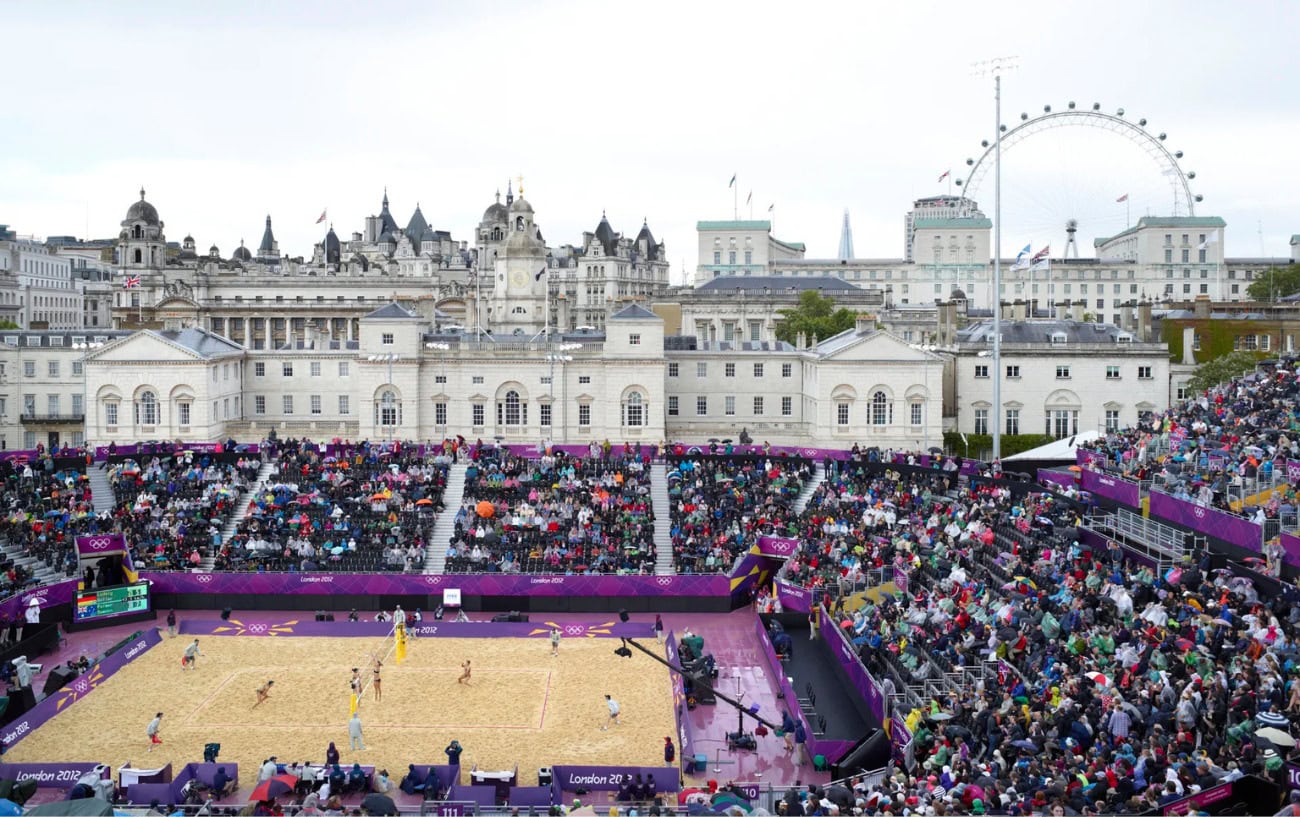
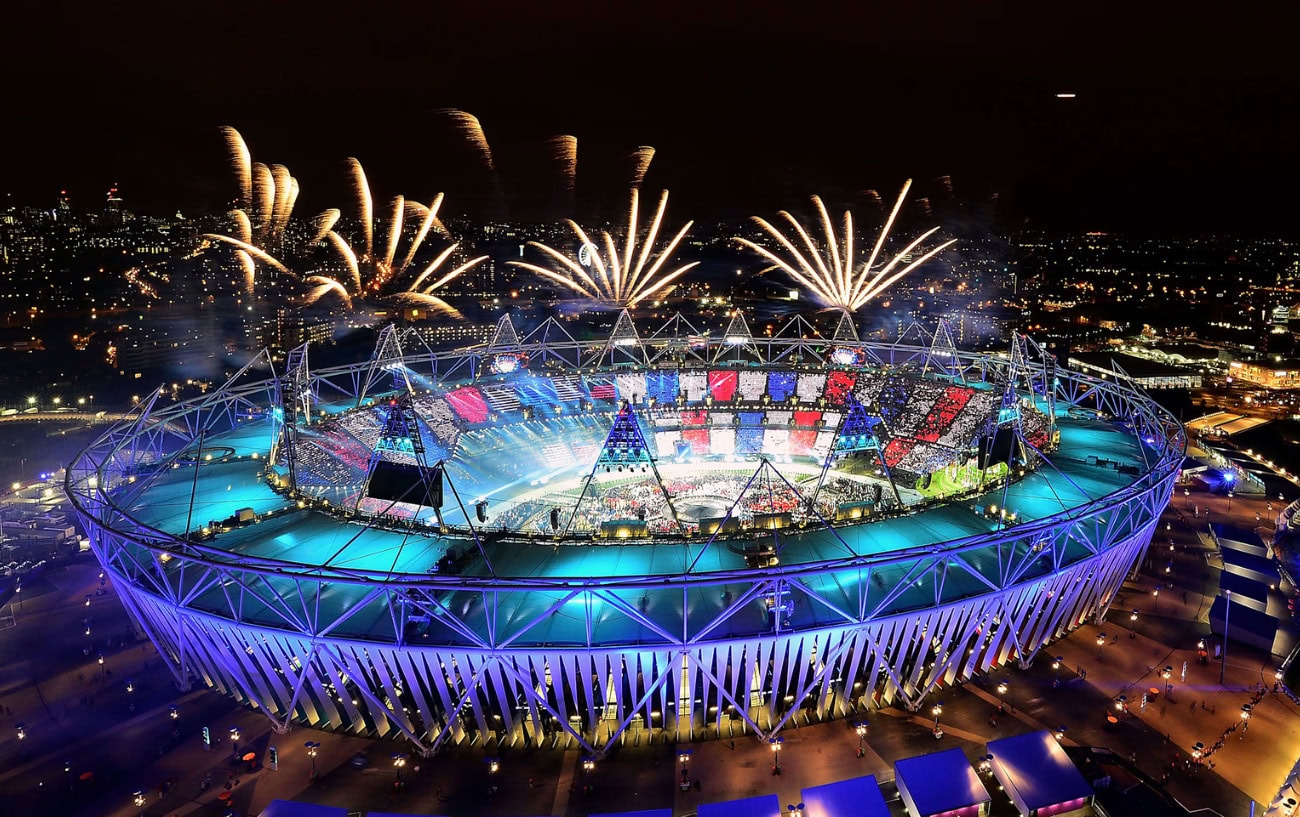
But the campaign is also happening under the shadow of London 2012, which was widely praised as an event but criticized for its long-term costs and uneven legacy. The Games cost nearly £8.8 billion, roughly three times the original budget of £2.4 billion, and redevelopment in east London has been linked to gentrification.
Research published in 2024 described London’s Olympics as a “cautionary tale” for local communities, a phrase that continues to surface whenever a new bid is floated.
Northern leaders have tried to position their proposal as the opposite model: a region-wide Games built around existing venues, designed to spread benefits and avoid expensive construction projects.
Government says the final call won’t be theirs
Despite the pressure from northern mayors, the Department for Culture, Media and Sport has said the decision on any future Olympic bid would not ultimately be made by government.
A DCMS spokesperson said the government wants to maintain the UK’s “world-leading reputation” for hosting major sporting events and will continue working with UK Sport to identify future opportunities.
But the department stressed that any Olympic and Paralympic bid would be decided by the British Olympic Association.
RunClub
Get more running stories — join RunClub
Daily running news, a community of 300,000+ runners, free training plans for every distance, and a daily running game. Free to join — no card.
Already a member? Log in →




Start the conversation