


Joanna Wietrzyk lost control of her bowels partway through the Hyrox race in Beijing on Sept. 12, worked through the rest of the stations anyway, and won. We covered what followed on Tuesday: an apology from co-founder Moritz Fürste, and a new clause in the Hyrox rulebook that lets a race director take a contaminated athlete out of a race. And now, Hyrox has started giving entrants their money back.
The refund reaches a six-hour stretch of that Saturday. Hyrox told Beijing entrants it would put the ticket price back for anyone whose wave started between 2:40 p.m. and 8:40 p.m., and for anyone already out on the course when the clock reached 2:40. Entries in Beijing ran a little over $100 for most of the field, by the Times‘ reckoning.

The Global Times reported that Hyrox China told entrants its crew had disinfected the affected area straight after the incident and replaced the race carpet the same day. On its own handling of the afternoon the notice was blunt: “Due to this operational oversight, you were unable to receive the good event experience you deserved.”
Nothing in its own terms required any of it. Hyrox sells a dearer Flex ticket that can be returned up to seven days out, but the standard athlete ticket sits in its terms and conditions for the Chinese season under “No returns, refunds, transfers or changes,” and clause 11.6 says that even where Hyrox itself changes the course or the distance, an entrant “will not be entitled to any refund.”
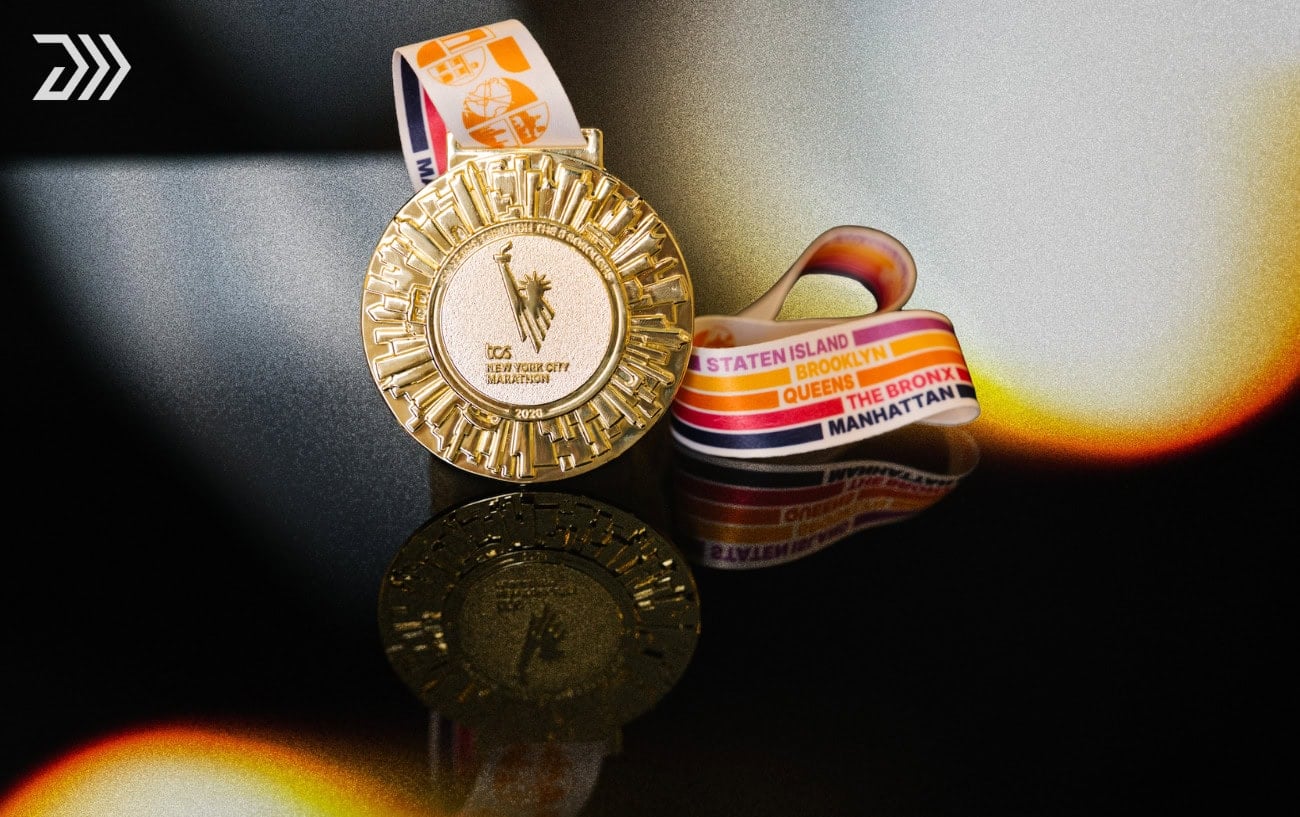
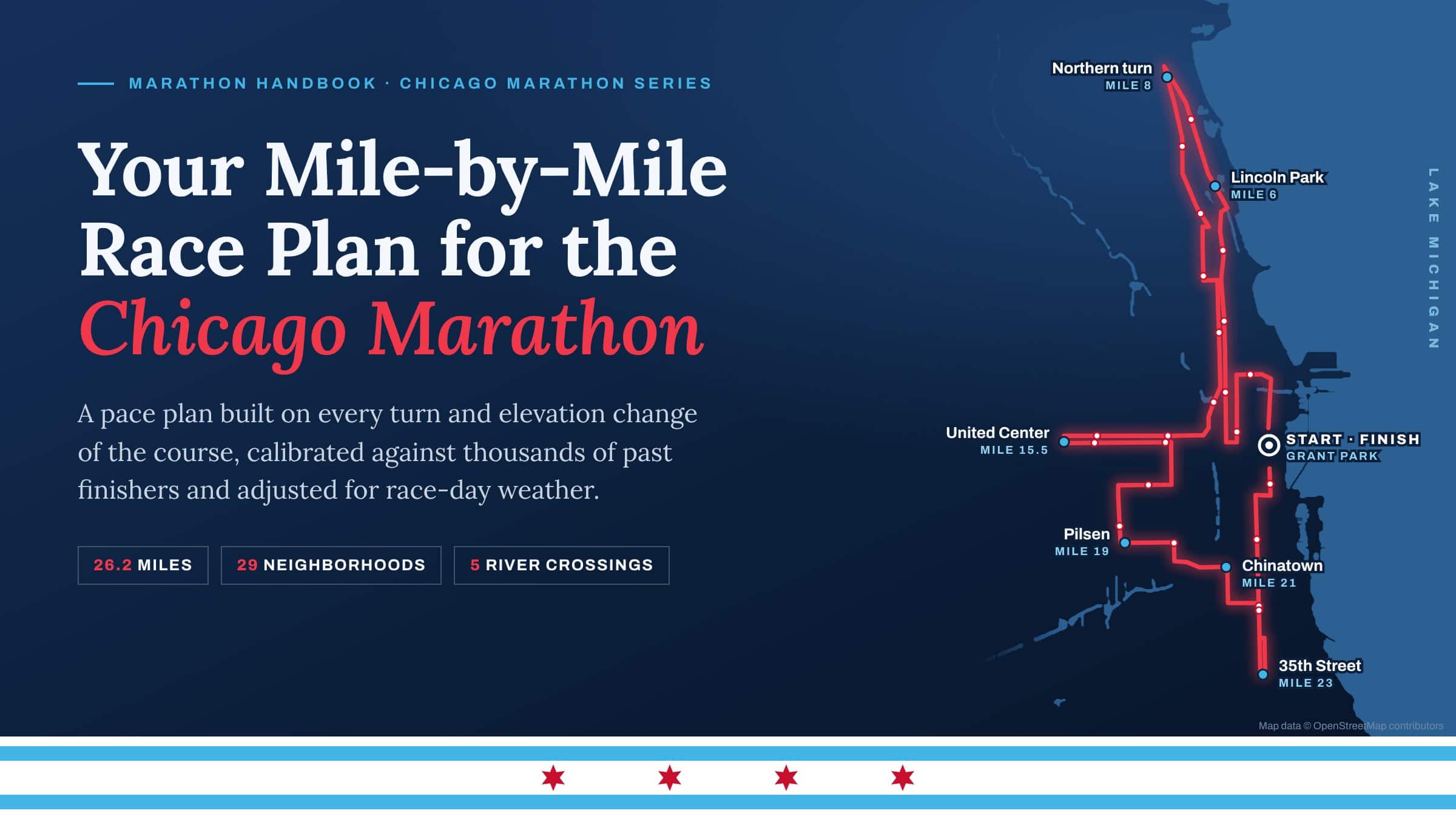
Road running is stricter still. The Chicago Marathon tells entrants in its own event terms that all event fees are non-refundable and will not be applied to future participation, unless they have paid extra for the optional refundable-registration add-on, and New York and Boston say much the same. When Ourea Events collapsed in March and cancelled four of Britain’s hardest races, the Dragon’s Back and the Cape Wrath Ultra among them, runners who had already paid were told at the time only that they would be contacted in due course. The nearest thing the sport has to what Hyrox has just done is the New York City Marathon of 2012, wiped out by Hurricane Sandy, and New York Road Runners did not settle with that field until Dec. 20, more than six weeks later, with a refund minus an $11 processing fee or a guaranteed place in 2013, 2014 or 2015 that entrants still had to pay for.

A Hyrox race is a 1K run before each of eight workout stations, and every athlete in every wave goes through the same ones. That is why the contamination mattered here in a way it would not have on a road. Gut trouble is ordinary in endurance sport, and George Kusche won Comrades in June in much the same state, with nobody to compensate afterwards.
“In endurance sports, gastrointestinal distress is not unusual, but once bodily fluids contaminate shared equipment, it becomes an event-management issue rather than simply an athlete-management issue,” Zhang Bin, a Beijing-based sports commentator, told the Global Times.
There is commercial reason to move fast. The Global Times reported that several Chinese entrants for the next two races in the country have pulled out since what the paper called the belated response. Shanghai runs Oct. 31 and Nov. 1, Sanya on Dec. 5 and 6, and both were still selling tickets on Thursday.
RunClub
Get more running stories — join RunClub
Daily running news, a community of 300,000+ runners, free training plans for every distance, and a daily running game. Free to join — no card.
Already a member? Log in →







Start the conversation