


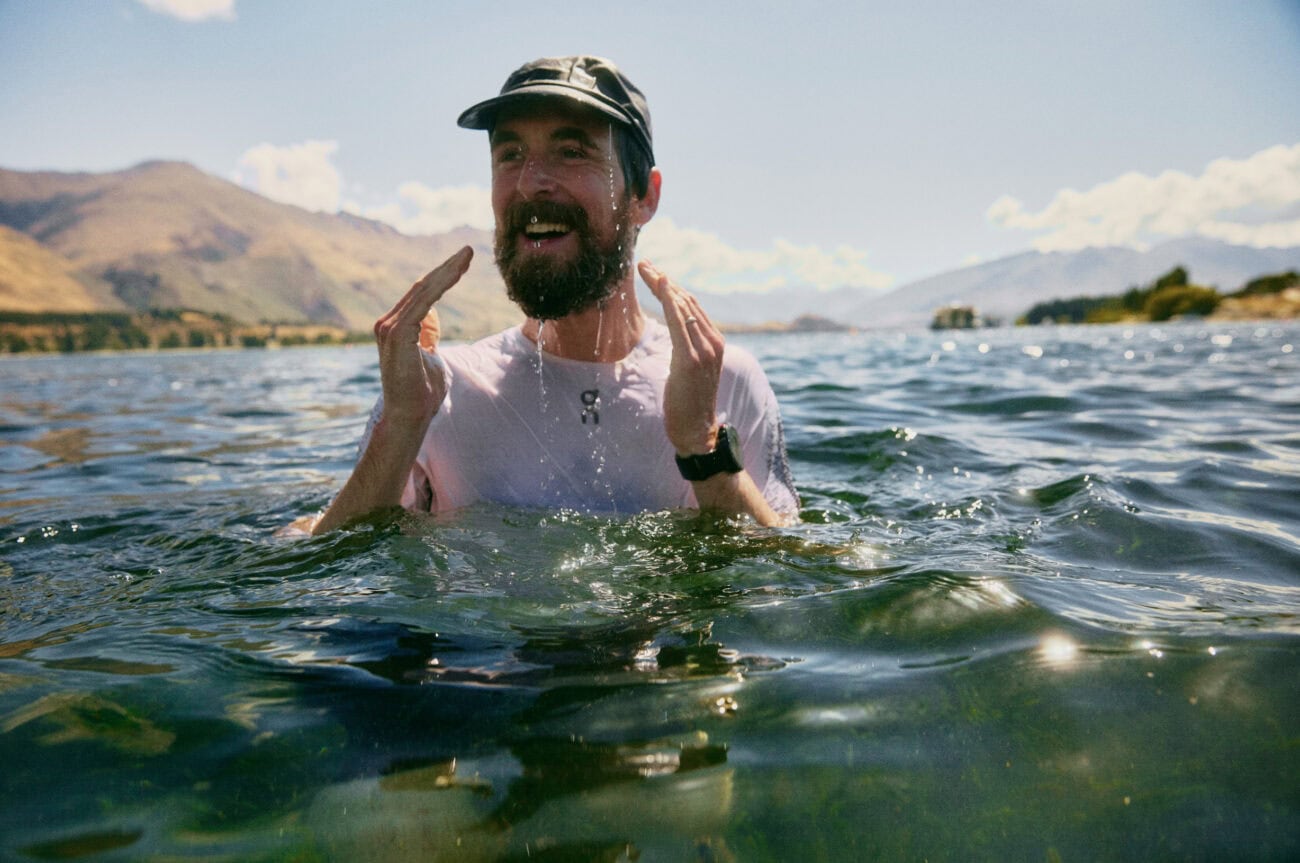
Karel Sabbe has done it again. On February 16, 2025, just before midnight, the Belgian ultrarunner and dentist reached the finish of New Zealand’s Te Araroa trail in Bluff, stopping the clock at 31 days, 19 hours, and 41 minutes.
The previous men’s fastest known time (FKT)? 49 days, 14 hours, and 27 minutes. Sabbe didn’t just improve on it—he shaved off more than 17.5 days.
What Is New Zealand’s Te Araroa Trail?
Te Araroa—Māori for “The Long Pathway”—spans 3,054 kilometers (1,898 miles) from Cape Reinga in the north to Bluff in the south.
It’s as varied as it is brutal, taking runners through beaches, cities, dense forests, alpine passes, and more than a few thigh-deep river crossings. With over 142,000 feet (43,200 meters) of elevation gain and unpredictable conditions, it’s not for the faint of heart.
A highlight of the trail is the Whanganui River section, a 71-mile stretch that isn’t even on land, which Sabbe had to paddle in a kayak.
And, of course, there are the notorious sandflies—tiny but relentless, ensuring that anyone who stops moving for too long gets an immediate reason to keep going.
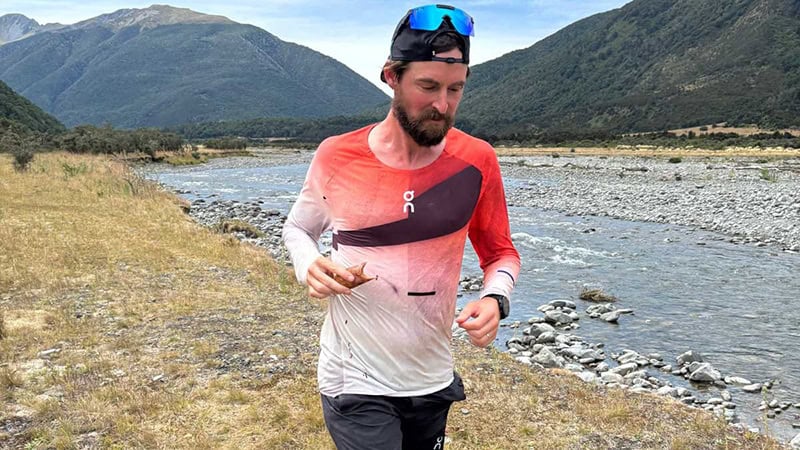
Who Is Karel Sabbe?
If you follow the world of FKTs, you know Sabbe isn’t new to this. His past records include:
- Barkley Marathons Finisher (2023) – One of only 20 finishers ever.
- Pacific Crest Trail FKT (2016 & 2023) – Most recently in 46 days, 12 hours, 50 minutes.
- Appalachian Trail FKT (2018) – 2,189 miles in 41 days, 7 hours, 39 minutes.
- Via Alpina Red Route FKT (2021) – 1,550 miles through eight countries in 30 days, 8 hours, 40 minutes.
Sabbe had a three-person crew—the same team that helped him set the Pacific Crest Trail record in 2023. Their job? Keep him fed, dry, and moving. They camped ahead, managed logistics, and hiked in gear. Local runners also joined sections of the run, offering support and keeping morale high.
FKTs are never easy, and Sabbe’s Te Araroa attempt had its share of setbacks:
- Dog attack on the North Island – A crew member suffered a broken elbow and bite wounds.
- A mistimed tide on a cliff crossing – Costing six hours of waiting for the water to recede.
- Mud, rain, and exhaustion – Making every step harder as the days went on.
With 200 kilometers to go, the crew shared on Instagram:
“Our legs are full of bruises and scratches. We have been eaten by sandflies. Logistics are insane. We need a shower and a good long sleep. And no alarm. But the end is in sight.”
When Sabbe finally touched the Stirling Point signpost in Bluff, it was more than a record—it was an emphatic statement of what’s possible in ultrarunning.
Despite averaging 59.6 miles (96 km) per day for a month, he somehow finished smiling.
RunClub
Get more running stories — join RunClub
Daily running news, a community of 300,000+ runners, free training plans for every distance, and a daily running game. Free to join — no card.
Already a member? Log in →









Start the conversation