


London has assembled a statistical case over the past fifteen months that no city in the history of distance running can match. The last two editions of its marathon have produced three world records and the biggest field ever assembled, its Diamond League meeting has taken down the oldest record in middle-distance running, and its entry ballot has become the first in the sport to clear a million names. The question of whether London is now the capital of running can, for once, be answered with data rather than civic pride.
Fifteen Months of Falling Records
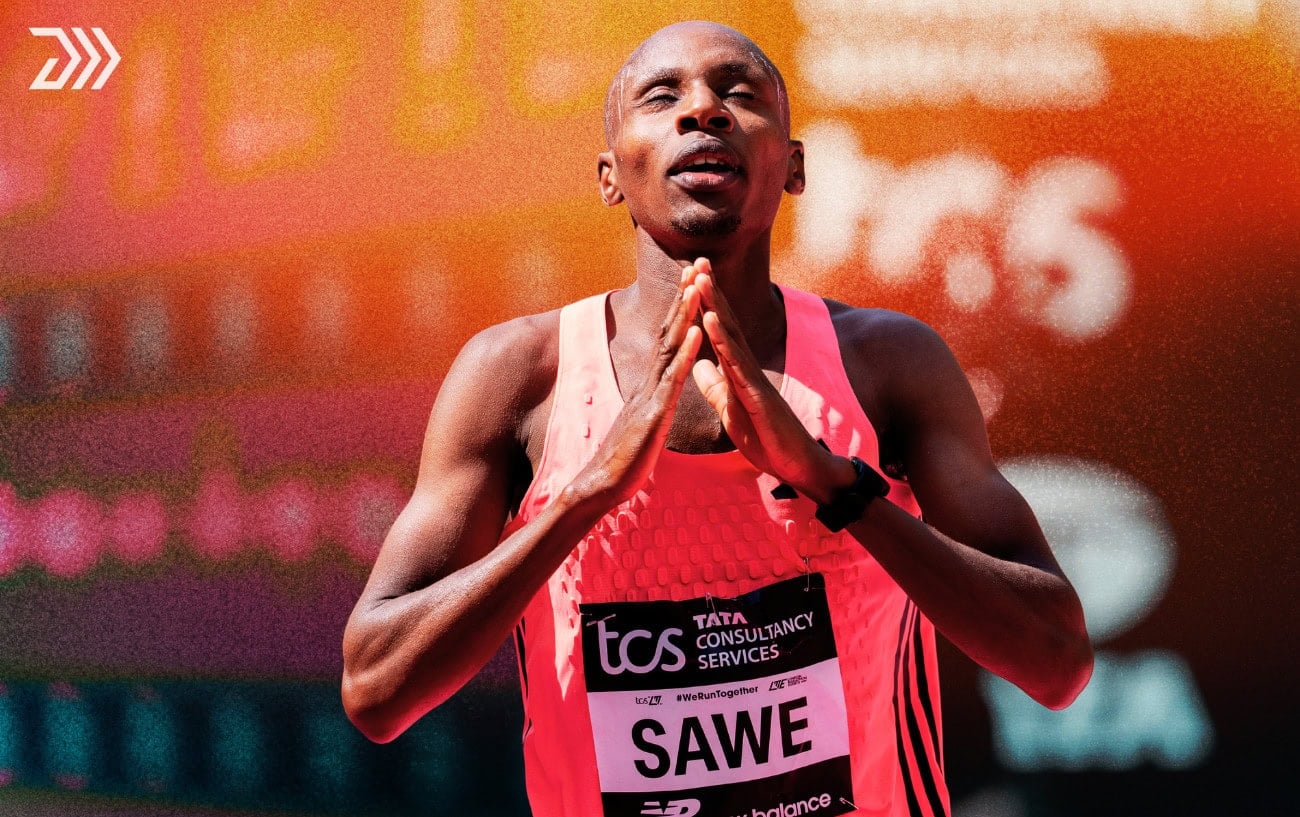
Most of the evidence arrived on a single morning. On April 26, Sabastian Sawe of Kenya ran 1:59:30 at the London Marathon, the first sub-two-hour performance in a record-eligible race, 65 seconds faster than the world record Kelvin Kiptum set in Chicago in 2023, according to World Athletics. Yomif Kejelcha of Ethiopia followed him under the barrier in 1:59:41, in his debut at the distance. In the women’s race, Tigst Assefa lowered her own women-only world record to 2:15:41, ahead of Hellen Obiri and Joyciline Jepkosgei in the first marathon to see three women break 2:16. It was the third consecutive year the women-only record fell in London, race organizers noted.
The track followed in July. Josh Kerr, 28, ran 3:42.66 for the mile at the London Diamond League on July 18, removing Hicham El Guerrouj’s 3:43.13 from the books after 27 years and becoming the first Briton to hold the record since Steve Cram in 1985. He did it in front of 60,000 spectators at London Stadium, the meeting’s third consecutive sellout and, by the organizers’ billing, the biggest one-day track meeting in the world.

Demand No Other City Can Match
Fast times can be bought, up to a point: a flat course, cool April air, and appearance fees attract the same athletes every major pursues. Demand is harder to manufacture, and London’s has no precedent. The ballot for the 2026 race drew 1,133,813 entries, the first in the sport to pass a million and a world record for the third consecutive year, London Marathon Events said. The 2027 ballot went further, to 1.33 million. New York, the only rival at this scale, announced a record of its own in March: more than 240,000 applications for its 2026 drawing, according to New York Road Runners. London’s ballot now exceeds that figure nearly five times over.
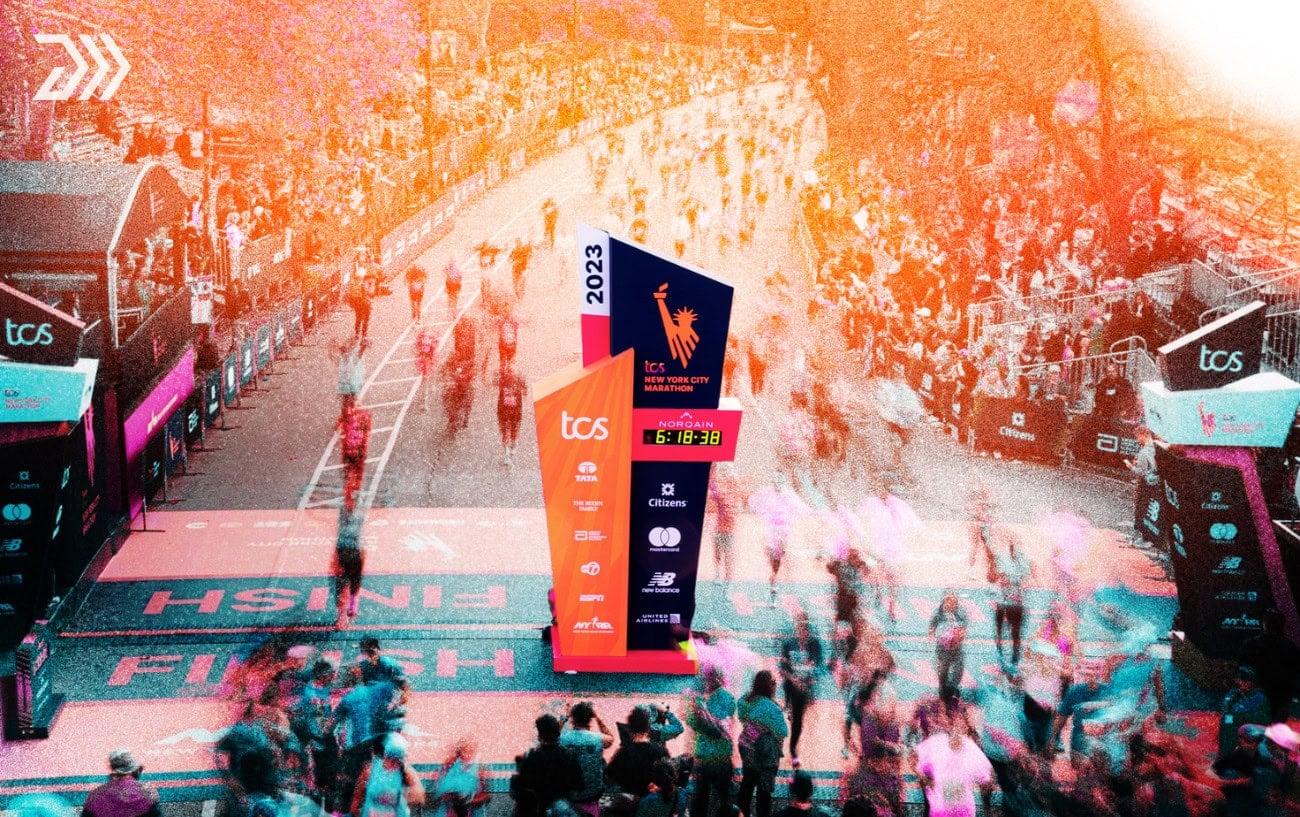
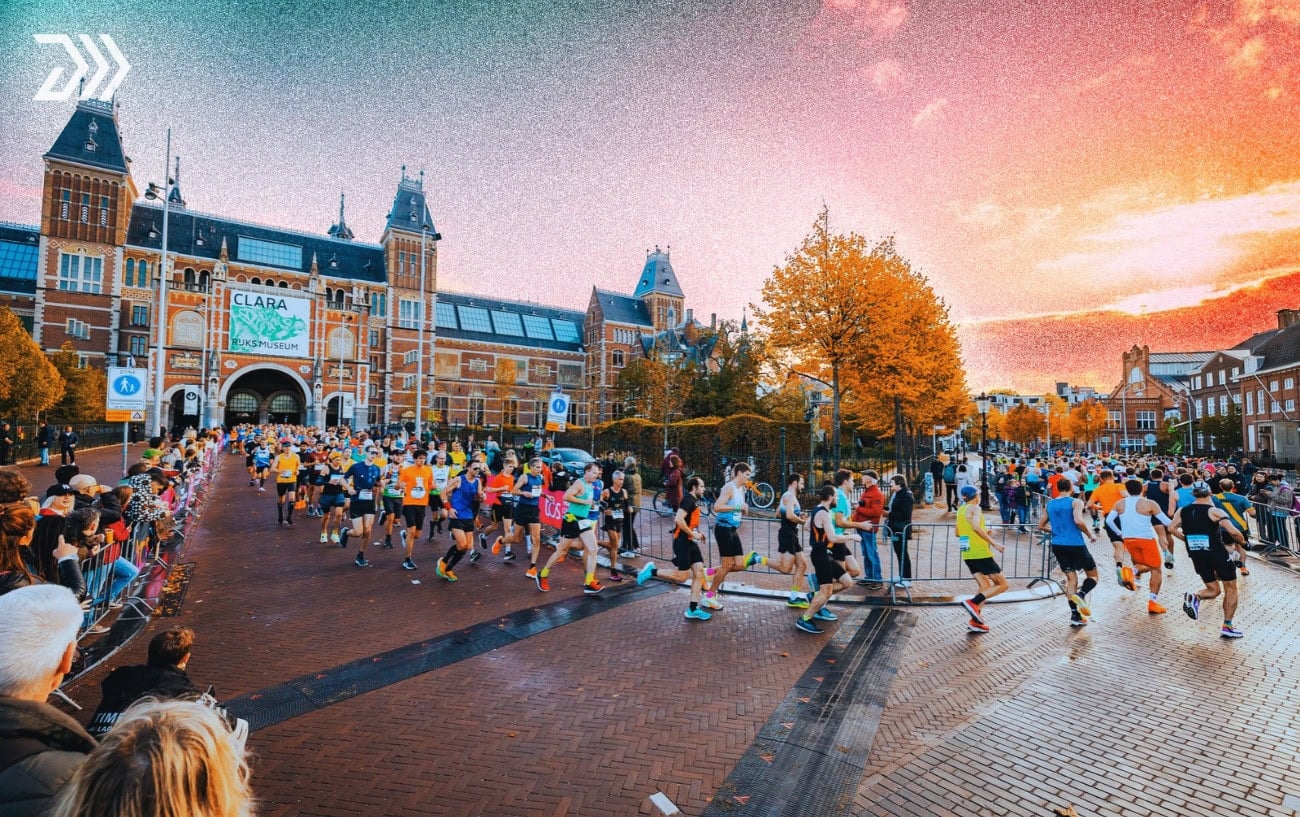
The race itself has grown to match. Guinness World Records certified April’s 59,830 finishers as the most ever in a marathon, moving the mark past the 59,226 who crossed the line in New York in November. The organizers’ answer to all this demand is a one-off restructuring of the event: 100,000 runners across two days, April 24 and 25, 2027, with the women’s and men’s elite races split between them.
The city’s grassroots claim is older than the boom. parkrun, the free weekly 5K that has since spread across the world, began with 13 runners in Bushy Park in October 2004. Sport England’s most recent Active Lives survey counts more than seven million adults in England running regularly, an increase of 514,000 in the year to November, and Strava’s most recent Year in Sport report recorded running clubs growing 3.5 times worldwide. None of these datasets isolates London, a gap worth stating plainly: the city’s case rests on its events and institutions, not on a published count of its own runners.

The Case Against London
The strongest objection is that London stages history without producing it. Sawe, Kejelcha, Assefa, Obiri, and Jepkosgei built their fitness in the training camps of Kenya and Ethiopia; London supplied the course, the weather, and the paycheck. Kerr, the one record breaker with a British passport, grew up in Edinburgh and trains with the Brooks Beasts. If a running capital is the place that makes runners fast, the honest answer remains Iten or Addis Ababa, as it has been for 40 years.
New York has a rebuttal pending. The city held the largest-marathon title as recently as November, its 2026 drawing set a record of its own, and the 50th running of its marathon arrives on Nov. 1 with the kind of anniversary attention that moves numbers. One spring of records does not permanently reorder the sport’s geography.
Sadiq Khan, London’s mayor, called the city “the sporting capital of the world” when the two-day race was announced in June. Mayors reach for such claims often; this year the data gives the line more support than usual. The claim faces its next two tests within twelve months, in New York on Nov. 1 and in London on April 24 and 25, when 100,000 runners take on the same course in a single weekend.
RunClub
Get more running stories — join RunClub
Daily running news, a community of 300,000+ runners, free training plans for every distance, and a daily running game. Free to join — no card.
Already a member? Log in →








Start the conversation