


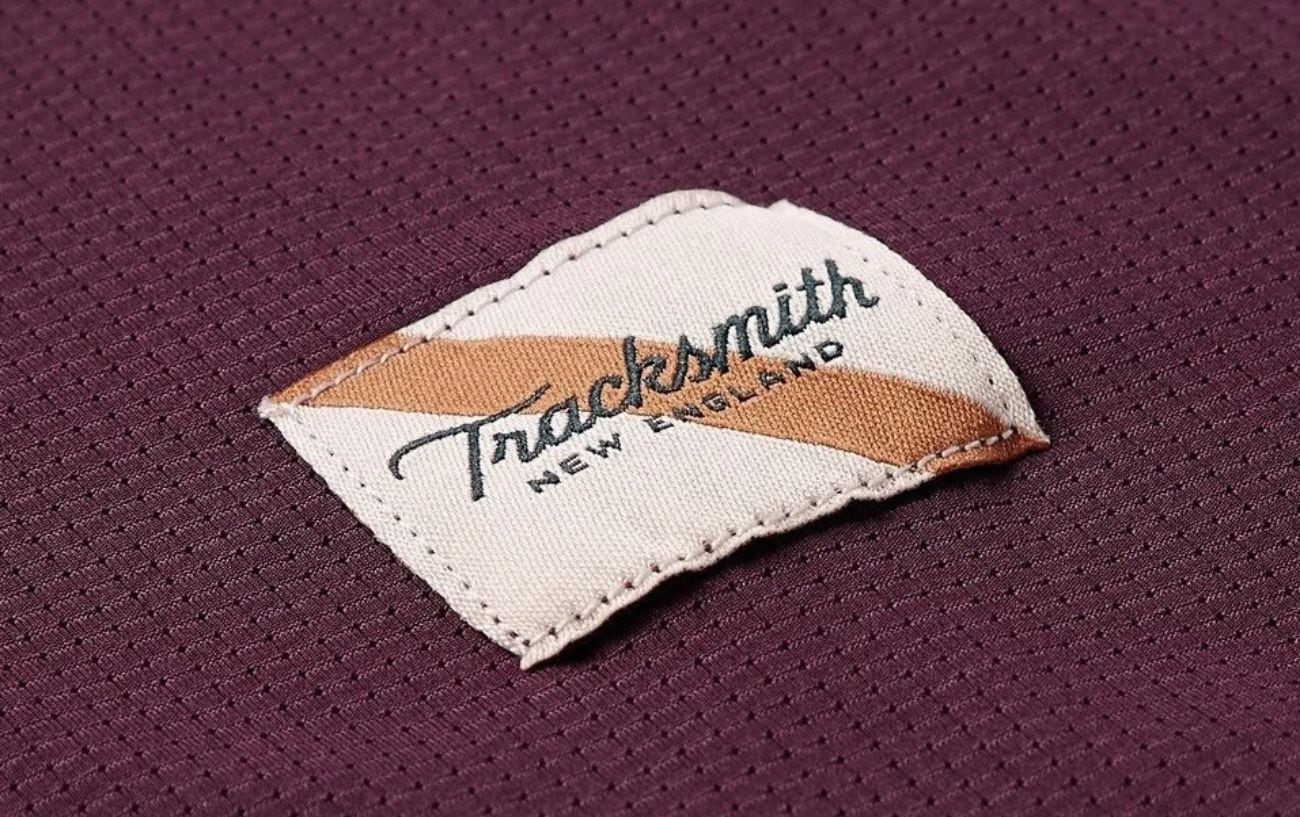
Matt Taylor, the founder of Tracksmith, has departed the running company. Taylor, who started the brand in 2014 and was its chief executive until January, is out as both chief creative officer and a member of the board of directors, Tracksmith confirmed this month.
It is not clear whether Taylor was ousted or left of his own accord. Tracksmith has not said whether he was forced out or chose to go, and Taylor has not made an on-the-record statement about his departure.
Carver disclosed the change ahead of the Chicago Marathon on Oct. 11 in a message to Hare A.C., a runners’ club and membership program that Tracksmith operates. Posts on Reddit soon followed, with some users claiming Taylor had been forced out. The company’s statement describes the change as a transition.
In a statement to Marathon Handbook, Tracksmith said:
“Matt Taylor, Tracksmith’s founder, has transitioned out of his role and departed Tracksmith. Matt’s unique vision created the Tracksmith we know today, and undoubtedly shaped the culture and business of running. At its core, Tracksmith has always been about people: our team, our partners, the people who push the sport forward, and the runners we serve. These values remain unchanged. Our vision moving forward is to continue Tracksmith’s legacy and support runners through the Amateur Spirit. With that, our focus will be expanding our footwear product category, supporting women’s running culturally and through new product offering, and expanding our partnerships on the run specialty side of the business.”
A Pittsburgh native, Taylor competed for Yale in cross country and the steeplechase. His career began at IMG, the sports agency, and continued at Kimbia Athletics, which managed professional runners out of Boston. Puma hired him in 2008, and he went on to lead the company’s global marketing for its running and training business.
Luke Scheybeler, one of the founders of the British cycling apparel label Rapha, started Tracksmith with him. The company’s original headquarters sat on the Boston Marathon route in Wellesley, Mass., near the course’s midpoint.
Tracksmith aimed its products at runners who train and race competitively without being professionals, and its clothing borrowed from the look of New England running and college track. It also published a print magazine, Meter. The company is widely credited as the first independent running brand to establish itself as an alternative to Nike, Adidas, Asics and the other large companies that dominate the sport. Newer independent brands, including Bandit, Satisfy and Rabbit, have since entered the market and compete for many of the same customers.
Carver took over as chief executive on Jan. 27 after 15 years at Converse, where he finished as president and CEO. Tracksmith’s announcement in January kept Taylor at the company in a newly created creative leadership post and left him a member of its board.
Taylor is not the only senior figure to leave this year. Tracksmith’s product chief, Matt Pauk, who had previously designed footwear at Nike, departed in August. The company has said his successor is Jon Tappan, a Converse executive for 16 years, whose hiring as chief product and merchandising officer it announced on Sept. 30, and footwear will be a major focus of his job.

Tracksmith also closed its London store, its only location outside the U.S., in August. Accounts for the British subsidiary that ran the store, approved by Taylor and filed with the UK government in January, show it had lost money every year since opening in 2022 and relied on funding from the American parent company to keep operating.
In a statement to SGB Executive, a sporting goods trade publication, Tracksmith said it “remains in a strong financial position, and no restructuring will be taking place.” The company also told the publication that its product and design team had seen no departures, disputing claims made online, and that Taylor’s exit should not be read as a sign of wider reorganization.
The company began making shoes in 2022 with the Eliot Runner. Its lineup now includes the Eliot Racer, a super shoe (the category of high-stack, foam-heavy racing shoes now standard at the front of marathon fields), and the Eliot Ryder, a max-cushion training shoe.
Tracksmith has also expanded how it sells. For most of its history, the brand sold primarily through its website and its own stores, with a small number of specialty running shops carrying its products. Its gear is now stocked by an expanding list of independent running stores around the country.
RunClub
Get more running stories — join RunClub
Daily running news, a community of 300,000+ runners, free training plans for every distance, and a daily running game. Free to join — no card.
Already a member? Log in →





Start the conversation