


Nike expects its revenue to fall by a high-single-digit percentage in the fiscal year that ends in May 2027, the company said Thursday. The forecast came with first-quarter results showing sales down 4 percent to $11.2 billion, and with a new restructuring program the company has named Pace.
Wall Street had Nike’s sales slipping by only a couple of percent this year, to about $45.3 billion from the $46.4 billion it took in last fiscal year, with adjusted earnings of around $1.66 a share. Nike’s own earnings forecast is $1.15 to $1.35 a share, and that range leaves out about 15 cents a share of Pace costs. The stock closed at $35.15 on Thursday and fell more than 3 percent in after-hours trading.
Diluted earnings for the quarter, which ran through Aug. 31, came to 48 cents a share, four cents better than analysts had forecast, helped by a gross margin that widened to 42.8 percent on cheaper warehousing and logistics. Revenue fell just short of the roughly $11.3 billion analysts expected.

North America was the only one of Nike’s four regions to grow, and only by 2 percent. Greater China dropped 22 percent and Europe, the Middle East and Africa (EMEA) slipped 5 percent. Footwear, where the running business sits, fared worse in Europe, down 11 percent, while shoe sales rose just 1 percent in North America. Nike’s direct sales through its own stores and website fell 8 percent, and Converse sank 28 percent to $263 million.
What Pace Changes
Pace takes in the cost-cutting plan Nike announced in March and goes further. The plan covers an overhaul of the supply chain, a corporate campus in India, a reshuffle of Nike’s four regions into three and another round of streamlining. Nike puts the total savings at $2.5 billion by fiscal 2031, with about $1 billion in pre-tax charges along the way, mostly for employees, about $300 million of them this fiscal year. That comes on top of the roughly $300 million in severance it booked last year. Nike has not said how many jobs will go or how the three regions will be drawn.
The March plan followed about 775 U.S. job cuts in January tied to a push into automation, Reuters reported. Thursday’s figures were also the first presented by David Denton, who left Pfizer to become Nike’s chief financial officer on Aug. 17. “We delivered first quarter results consistent with our expectations, supported by improved gross margin and disciplined cost management,” Denton said in the release.
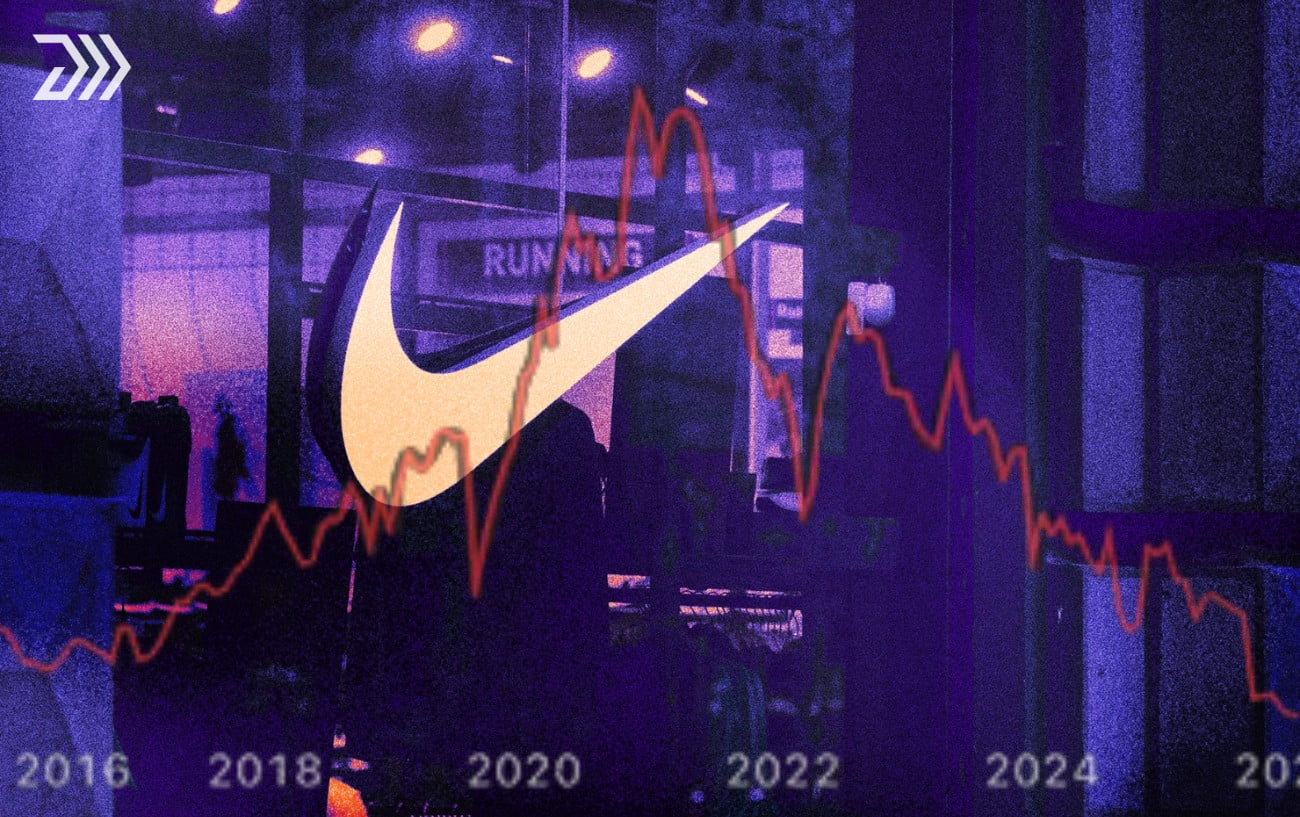
Nike’s shares were already down about 43 percent this year before Thursday’s report. Bank of America cut the stock to underperform on Sept. 25 with a $30 price target, arguing that the turnaround had slipped by a full fiscal year, and the company’s shrinking market value cost it its place in the S&P 100 on Sept. 21.
Where Running Stands
Running has been the clearest growth story at Nike since Elliott Hill became chief executive in October 2024. Under the plan he calls the Sport Offense, Nike rebuilt itself around small teams for individual sports, each one answerable for its own revenue, margin and market share. On the company’s June earnings call, Hill said running had added roughly $1 billion in sales over a stretch he summed up himself: “We’ve now delivered 5 consecutive quarters of double-digit growth in NIKE Running.” He said Nike had picked up five points of running market share in what Nike calls statement footwear across North America and Western Europe last fiscal year, and he singled out the Pegasus 42, which he said had sold through well.
Thursday’s release gave no figure for running, saying only that the Sport Offense had “continued to drive momentum across priority sports,” and Hill used his statement to name the parts of Nike that still need fixing. “We have more work to do in NIKE Sportswear, Jordan Brand and Greater China, and we’re taking deliberate actions to strengthen those businesses the right way for the long-term,” he said.
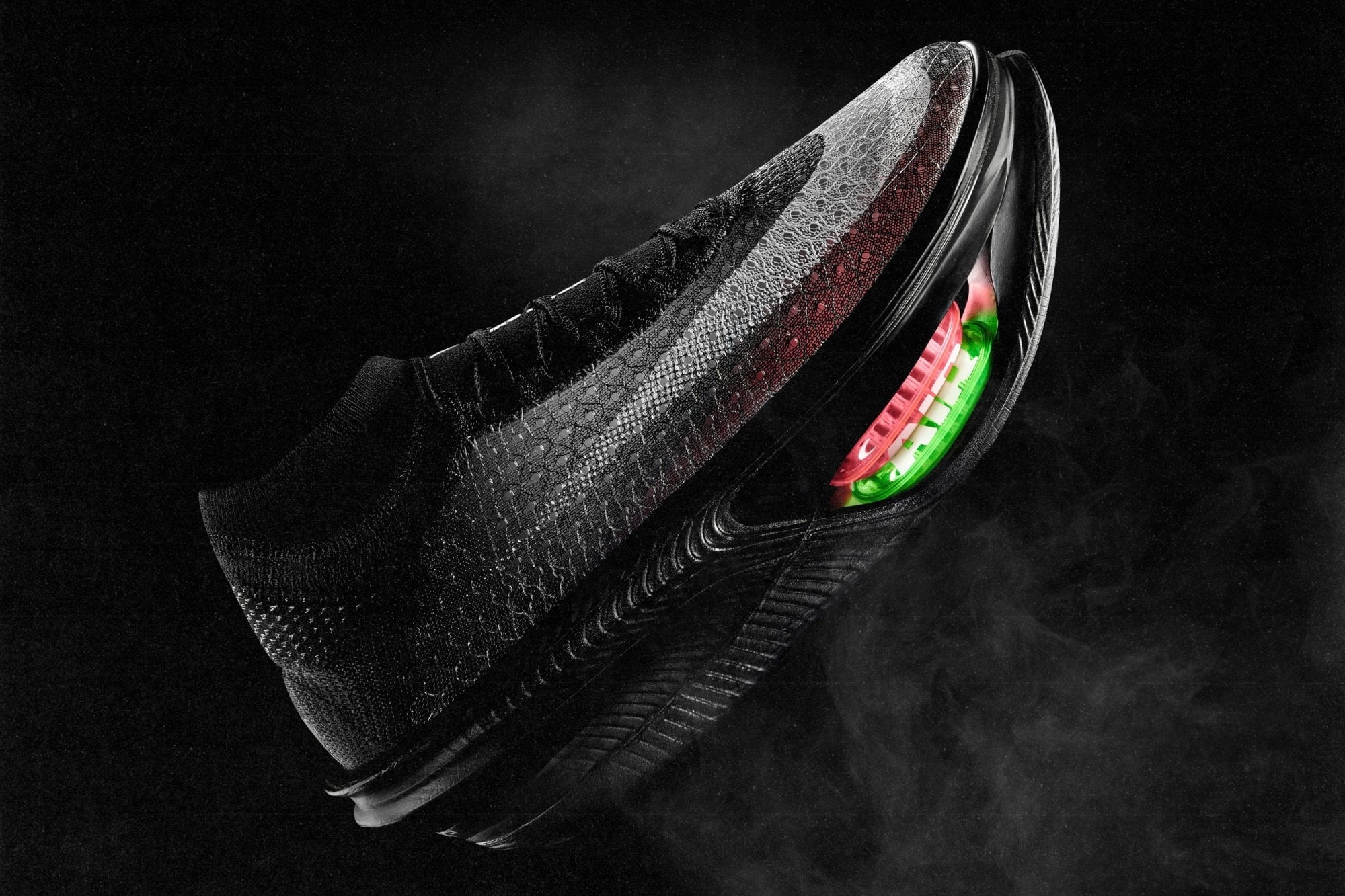
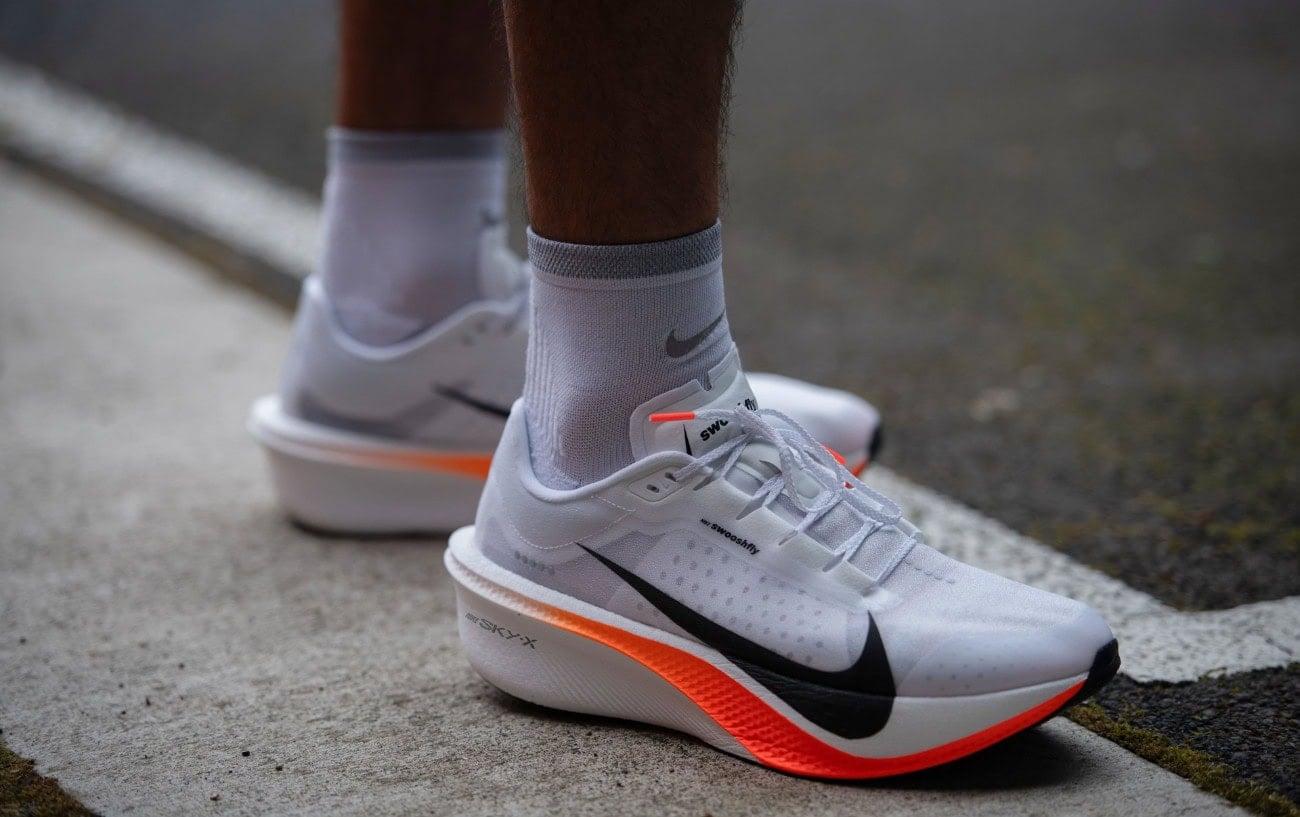
Demand creation, Nike’s term for its marketing spend, rose 5 percent to $1.3 billion, which the company put down to more investment in major sports events, and the next running launches are already on the calendar. The Alphafly 4 goes on wide sale Oct. 29 after selling out in its limited release, the Apex arrives in January, and the $145 Swooshfly follows in the spring.
RunClub
Get more running stories — join RunClub
Daily running news, a community of 300,000+ runners, free training plans for every distance, and a daily running game. Free to join — no card.
Already a member? Log in →







Start the conversation