


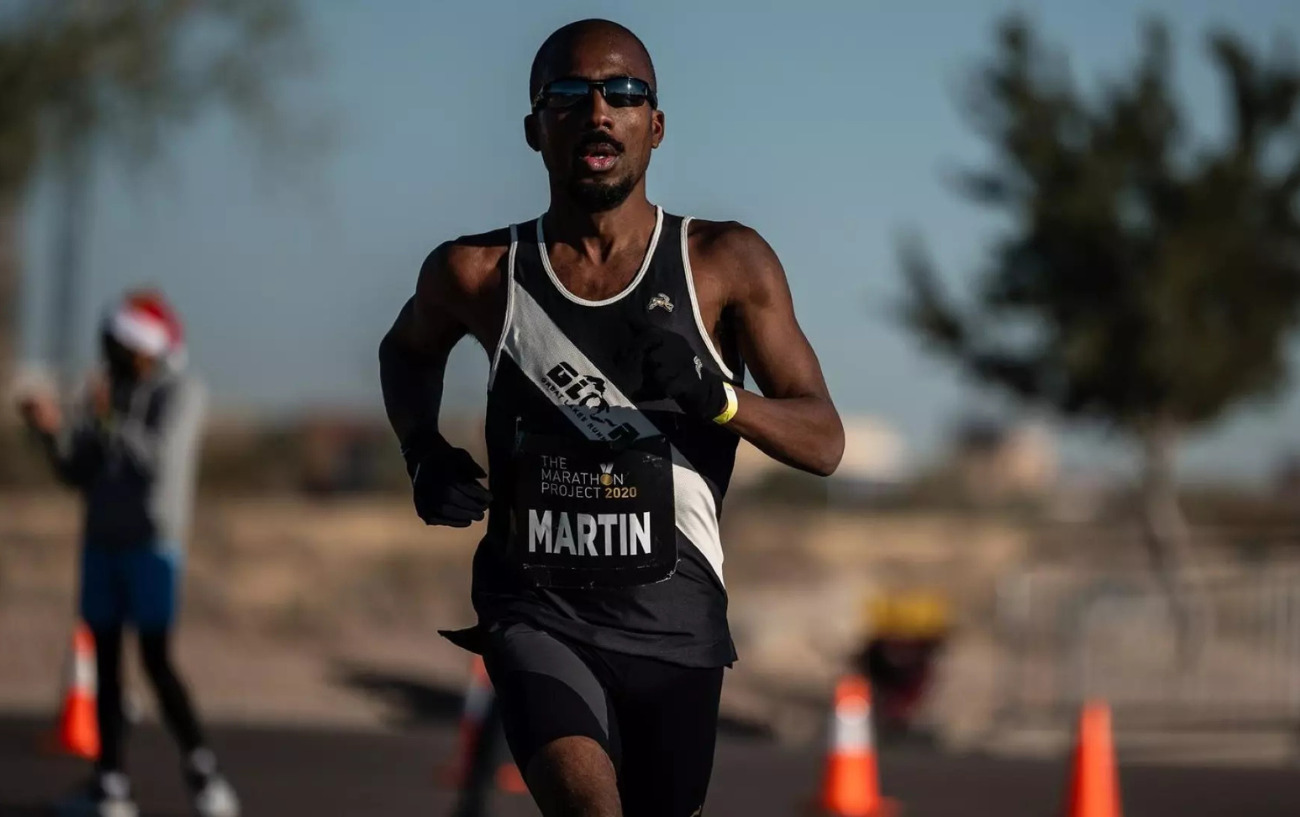
Nathan Martin didn’t know he was going to win the LA Marathon on Sunday. With less than a mile to go, he was still chasing down the leader.
“At 800 meters to go, I was thinking, ‘I’m catching him,'” Martin told the Los Angeles Times. He had been grinding away since the five-mile mark, pushing when no one else would. “I made an actual move five miles out when I saw no one else was picking up the pace. I decided I needed to push.”
That push paid off—but not entirely in the way anyone expected.
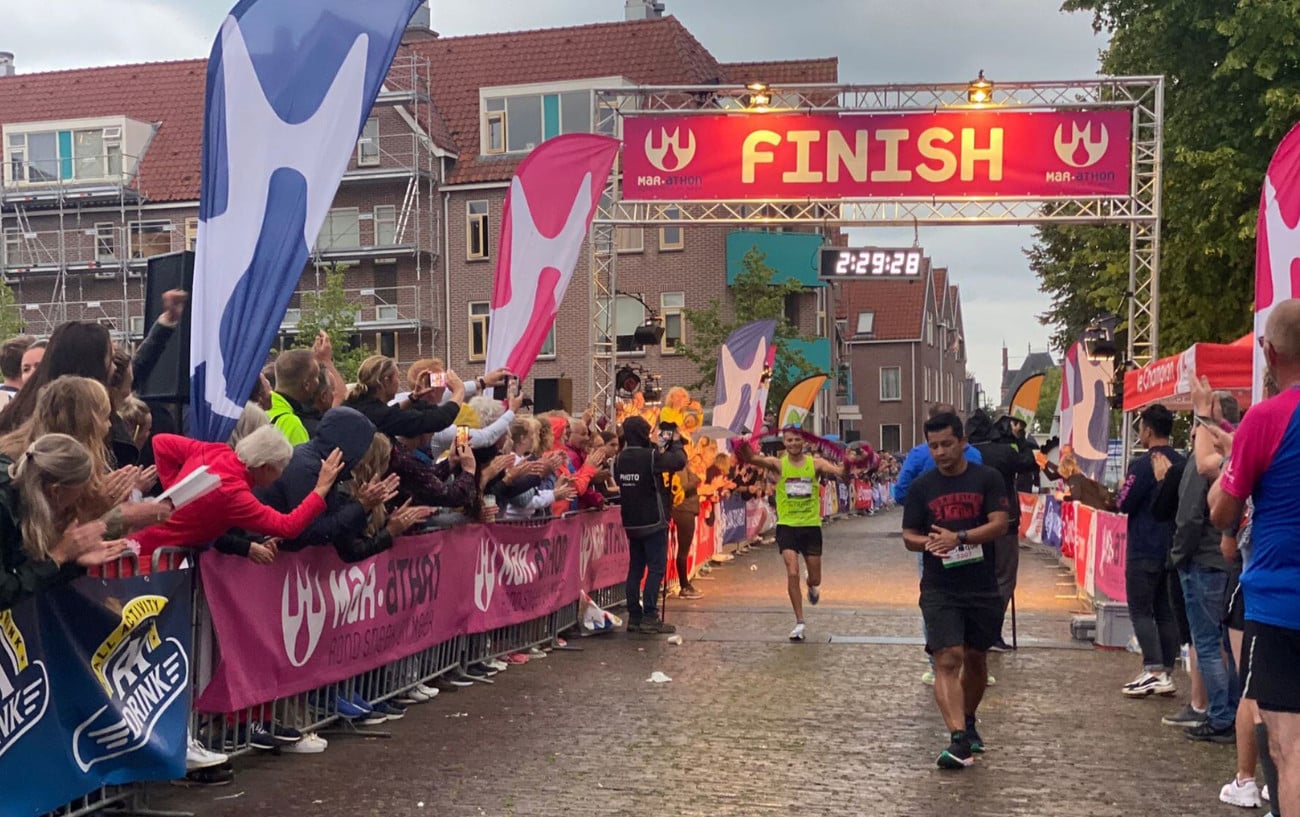
Martin, 36, crossed the finish line in 2:11:17 to win the closest men’s race in LA Marathon history. Kenyan runner Michael Kimani Kamau recorded the exact same time in second place, with Martin’s margin of victory logged at just 0.01 seconds. It was a photo finish. And it only happened because Kamau, who had been leading the race, briefly ran the wrong way in the final stretch.
What Happened at Mile 26
With roughly 300 meters remaining, Kamau was heading toward what should have been a comfortable victory. Then things unraveled fast.
A spectator carrying a Kenyan flag ran directly into his path. At almost the same moment, the lead vehicle escorting the men’s race exited the course at a fork in the barriers—a standard procedure that race organizers typically explain to elite athletes at a pre-race technical meeting. With the fan blocking his view of a course official and the lead car bearing right, Kamau followed.
He ran several strides past the barriers before bystanders got his attention. He came to a complete stop, turned around, and navigated back onto the course. The whole detour lasted only a few seconds—but in a race decided by one-hundredth of a second, it was everything.
Video of the moment spread across social media within hours of the finish, drawing strong reactions from the running community. The clip shows the chaotic scene clearly: spectators on the course, minimal barricading at the fork, and Kamau visibly confused before realizing his error.
What a wild ending to the LA marathon. My mom was able to catch what led to the cinematic ending. The leader went the wrong way. Woman impedes his path, runs to his left and forces him into the middle of the fork + orange shirt waving him right + motorcade goes right at the fork. pic.twitter.com/t5HSJwrDPv
— Carlitos (@cptn_carlos) March 9, 2026
The Race Organization’s Response
LA Marathon spokesperson Meg Treat confirmed that no protests were filed after the race and that results will stand. She noted the lead vehicles followed their planned exit route and that all athletes are briefed on course procedures before the race.
But she acknowledged the incident with the spectator. “An enthusiastic spectator’s behavior just feet before the finish line chute fencing commenced, seen in the video, is cause for concern,” Treat said in a written statement. “We’re gratified that our race attracts large spectator crowds, and we will review how future issues of this kind can be avoided as part of our post-race discussions.”
The financial stakes were significant. Martin earned $25,000 for the win. Kamau took home $10,000 for second. The difference between those two outcomes is not small—and whether the LA Marathon will compensate Kamau for a mishap largely outside his control remains an open question.
The incident drew immediate comparisons to a nearly identical situation that unfolded one week earlier at the USATF Half Marathon Championships in Atlanta, where the top three women—including race leader Jess McClain—were guided off course by a lead vehicle after a police officer on duty was struck by a car and an unfamiliar replacement officer steered the pace bike the wrong way. McClain, who had been leading by over a minute, finished ninth. USATF denied all protests, stating there was “no recourse within the USATF rulebook to alter the results.”
Two high-profile mishaps in two weekends. Someone in elite road racing needs to have a long, serious conversation about lead vehicle protocols and course management.
A Historic Win for Martin
Whatever the circumstances, Martin’s victory carries real weight. The Jackson, Michigan resident is the first African-American winner of the LA Marathon—and according to Tony Reed of the National Black Marathoners Association, the first U.S.-born Black runner to win a major city marathon since Ted Corbitt in the 1950s and 1960s.
Martin is also the fastest U.S.-born Black American in marathon history, having run 2:10:45 at the 2023 Grandma’s Marathon in Duluth, Minnesota. He works as a high school cross-country coach and substitute teacher. He becomes the second American man to win the LA Marathon since 1994, following Matthew Richtman, who won in 2025 in a course-record 2:07:56.
His race was a masterclass in patient, tactical running—sitting in the pack, biding his time, then making a decisive move with five miles remaining. It’s exactly the kind of disciplined, negative-split approach that defines the best marathon performances. He saw the opportunity, he took it, and he didn’t let up.
“In any race, I just want to give 100%,” Martin said. “I saw an opportunity to race at the end and give one last push. All I wanted to do is push myself.”
It’s the kind of mental composure under pressure that separates good runners from great ones—and Martin, a 36-year-old American marathon runner who spends his weekdays coaching high school kids and subbing classes, just made one of the biggest headlines in domestic marathon racing this year.
Third place went to Ethiopia’s Enyew Nigat in 2:14:13.
The Women’s Race Deserves More Than a Footnote
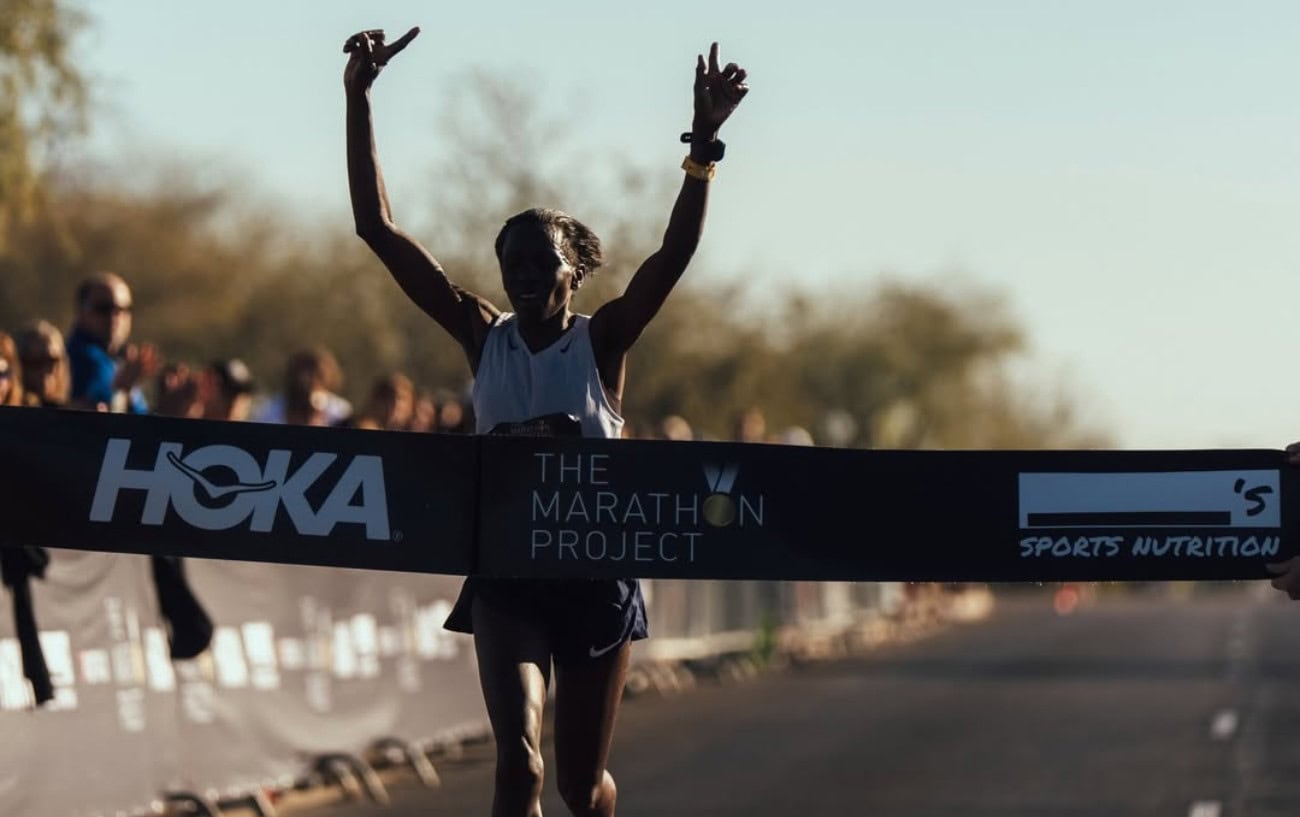
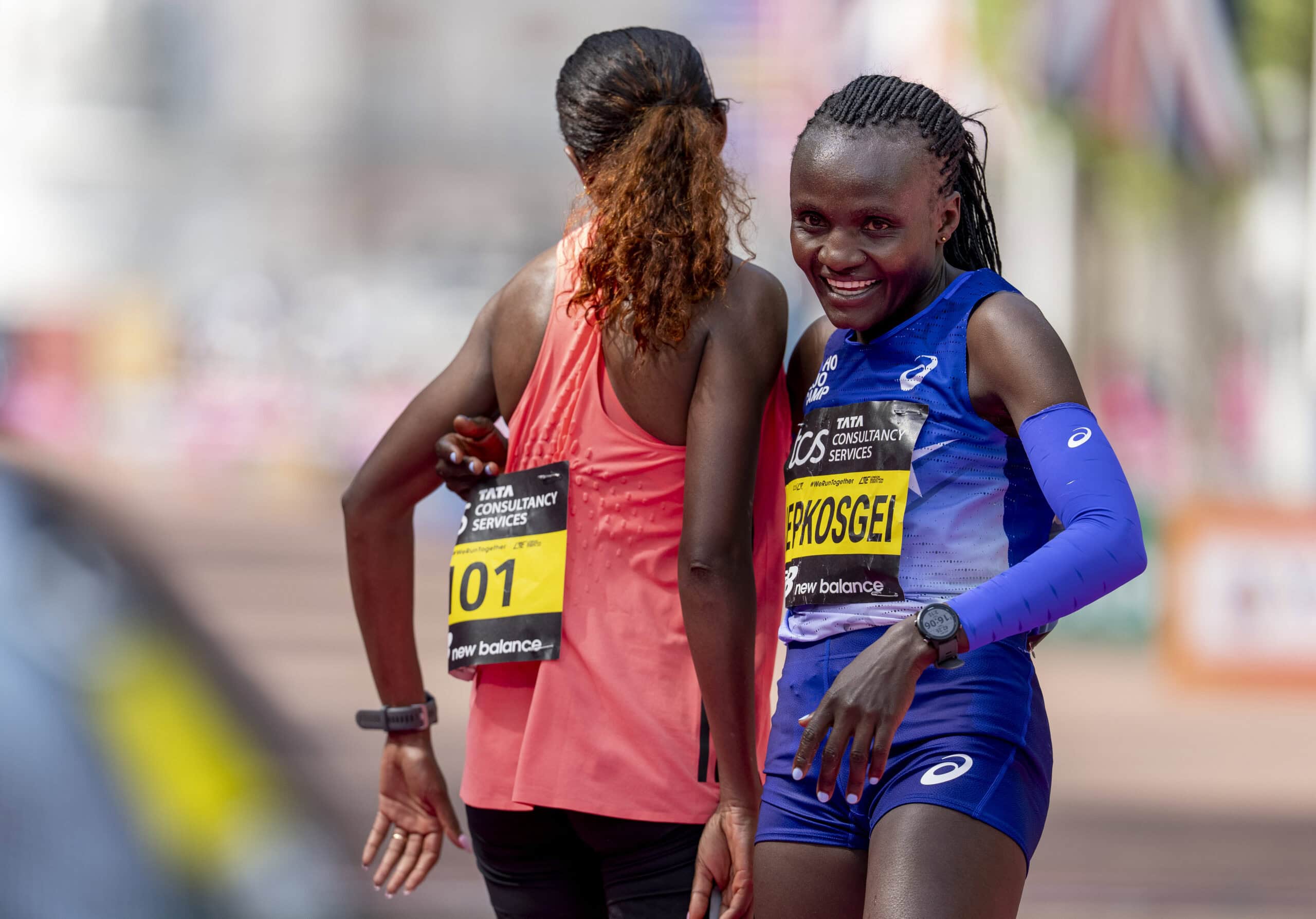
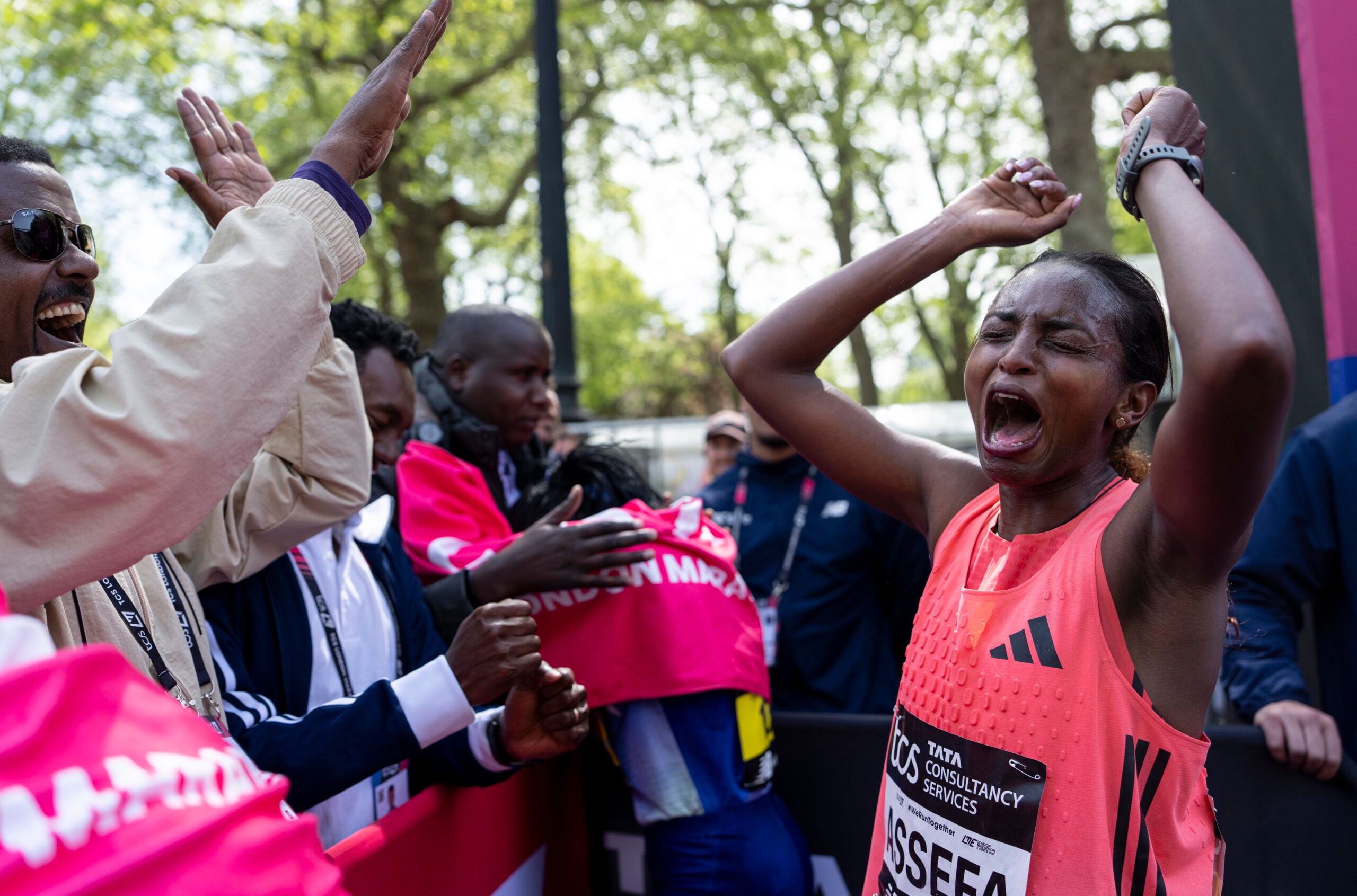
Kenya’s Priscah Cherono, 45 years old and a mother of three, won the women’s race in 2:25:20. If you’re not already impressed, she also earned a $10,000 bonus for being the first athlete across the finish line, male or female, under the race’s “Marathon Chase” format. Women were given a 15:45 head start, the race was held on International Women’s Day, and Cherono took full advantage of all of it.
American Kellyn Taylor had a remarkable day of her own, finishing second in 2:27:36—just four weeks after winning the Austin Marathon in 2:33:29. That’s back-to-back marathon wins across two months, and it puts her firmly in the conversation for one of the best American women’s marathon performances of the year. Kenya’s Antonina Kwambai was third in 2:28:50.




2 Comments
Worth adding, Michael was through 40K in 2:03:40, 56 seconds clear of Martin, with a 2:08:19 personal best and the LA flat course picked as a PB target. The fall at the line in Century City and the lead car turning at an unmarked fork put him 0.01 seconds back, which is the closest finish in LA Marathon history. A more complete timeline of the race is at https://kenyanrunning.com/coaches/michael-kimani-kamau for anyone who wants the splits and career context the wire reports didn't have.
Rob's point about spectator management stands, but a lead vehicle turning at an unmarked fork is on the organizers, not the crowd.
I see this at marathon finish lines -- spectators wandering around ON THE RACE COURSE at the finish. They have to be yelled at to clear off for the finishers. If a fan runs onto the field at a NFL or MLB game, he gets tackled and arrested. It's time for marathon organizers to take their sport seriously and aggressively police the race course and finish line.