


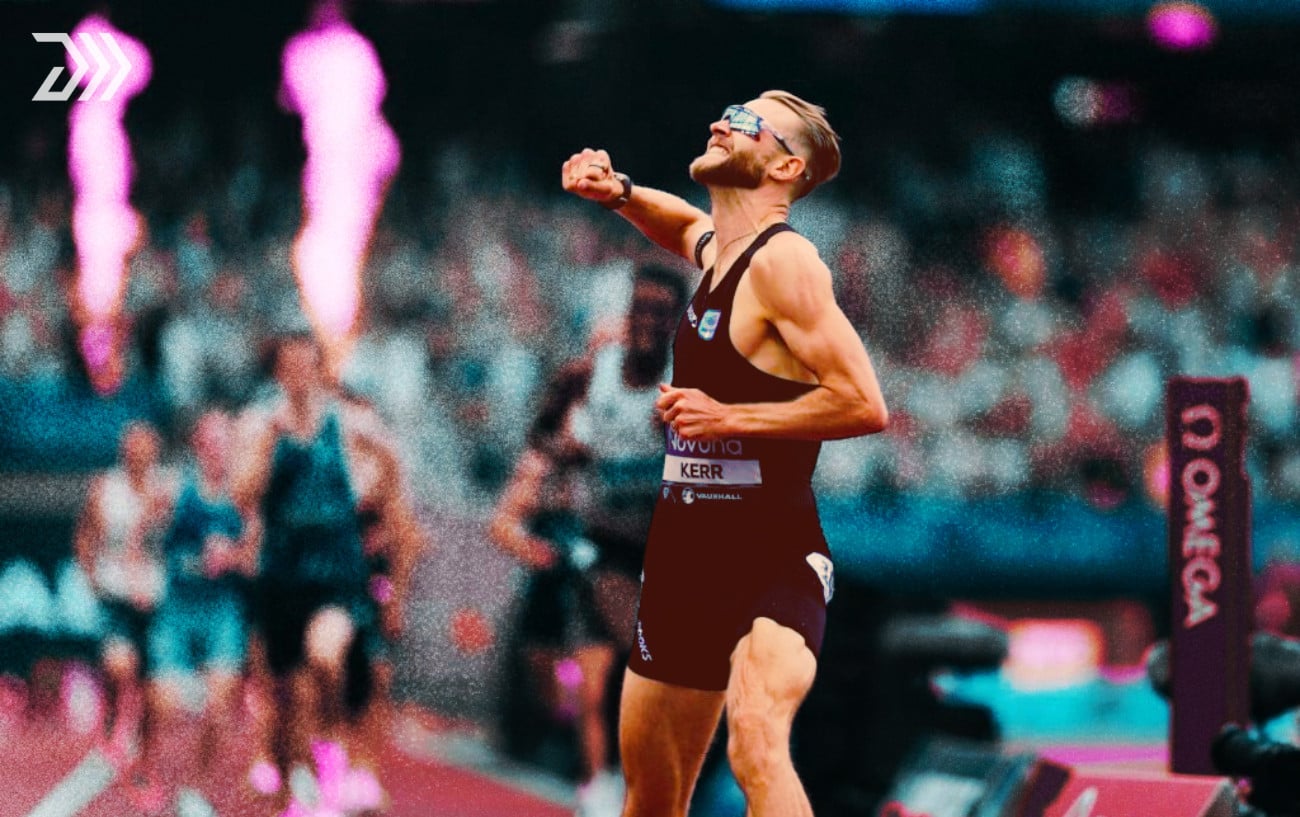
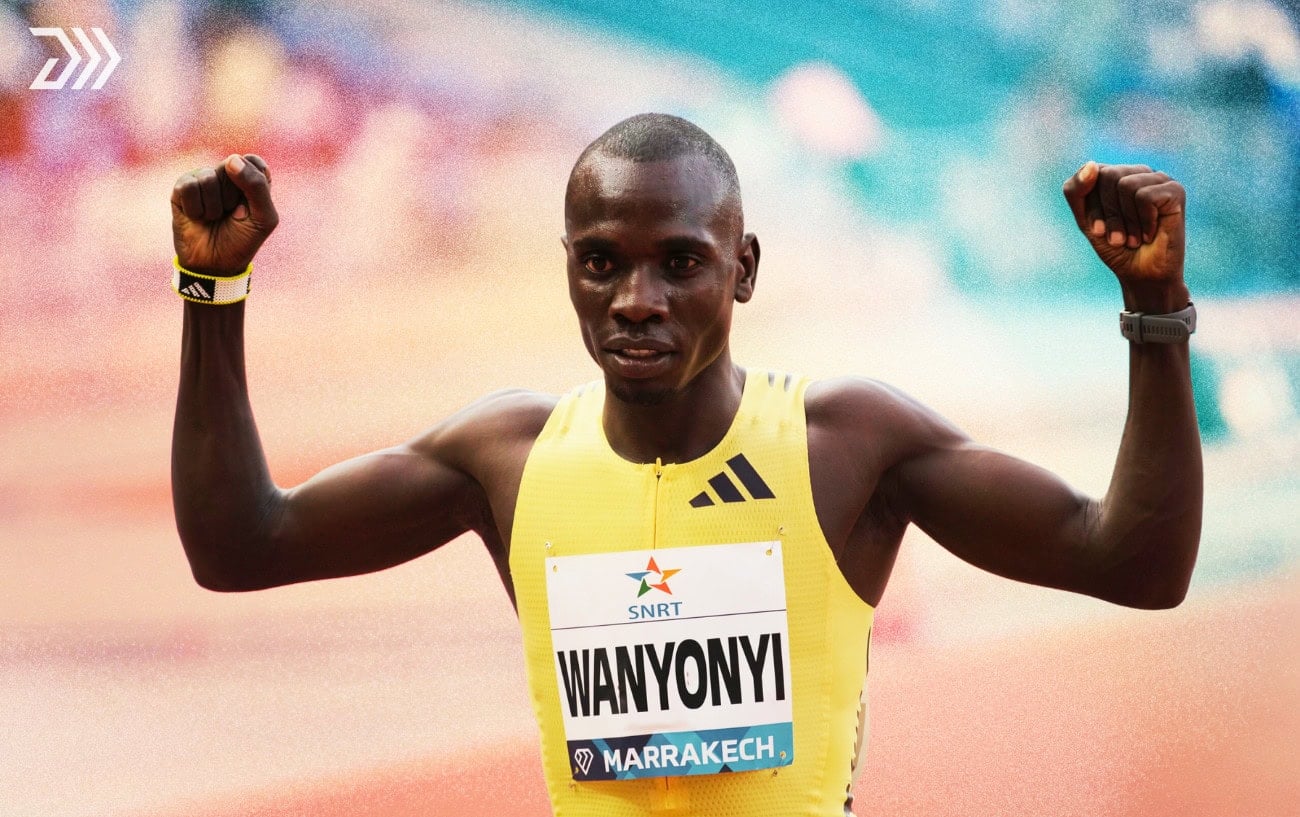
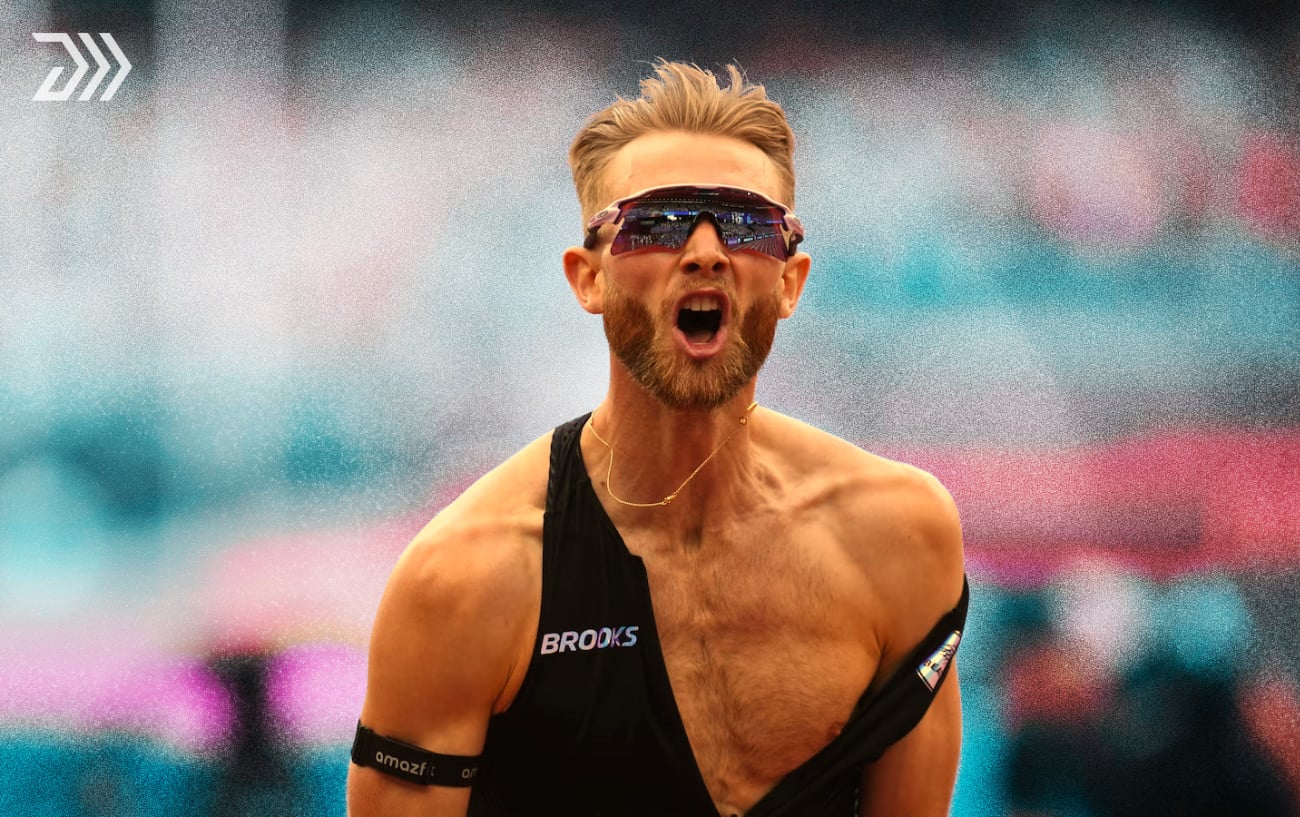
Two of the sport’s oldest world records fell this month. Emmanuel Wanyonyi took down Noah Ngeny’s 26-year-old 1,000m mark in Monaco, and eight days later Josh Kerr ended the 27-year reign of Hicham El Guerrouj’s mile at the London Diamond League.
The oldest record of them all turns 43 on Sunday, and for the first time in a generation it has credible company. Jarmila Kratochvílová ran 1:53.28 for 800m in Munich on July 26, 1983, and no woman has come within half a second of it since.
The Record That Outlasted Everything
Only two women have ever broken 1:53.5, and both did it before 1984: Kratochvílová, and the Soviet Union’s Nadezhda Olizarenko, whose 1:53.43 from 1980 makes the top two times in history 43 and 46 years old. Since Munich, only three women have come within a second of the mark, according to World Athletics’ all-time list: Pamela Jelimo, who ran 1:54.01 in 2008; Caster Semenya, at 1:54.25 in 2018; and Audrey Werro, who has now done it twice in one month.
Werro, the 22-year-old Swiss, ran 1:53.98 in Stockholm on June 7 and 1:53.80 in Paris on June 28, becoming the first woman with two career times under 1:54, according to World Athletics. Keely Hodgkinson, who broke the world indoor record with 1:54.87 in Liévin in February and has run 1:54.33 outdoors this summer, has been explicit about the target. “I think 1:53 is possible. I really think it is,” she said this winter. “I’ve been knocking on that 1:54 for a while. I think I’m due a 1:53.”
Who Is Actually Close
The oldest individual outdoor running world records still standing, and the nearest anyone has come:
- Women’s 800m: 1:53.28, Jarmila Kratochvílová (Czechoslovakia), Munich, July 26, 1983. Closest active threat: Audrey Werro, 1:53.80 in 2026, 0.52 back.
- Women’s 400m: 47.60, Marita Koch (East Germany), Canberra, Oct. 6, 1985. Closest: Sydney McLaughlin-Levrone, 47.78 in 2025, 0.18 back.
- Women’s 100m: 10.49, Florence Griffith-Joyner (United States), Indianapolis, July 1988. Closest: Elaine Thompson-Herah, 10.54 in 2021, 0.05 back.
- Women’s 200m: 21.34, Florence Griffith-Joyner, Seoul, September 1988. Closest: Shericka Jackson, 21.41 in 2023, 0.07 back.
- Men’s 1,500m: 3:26.00, Hicham El Guerrouj (Morocco), Rome, July 14, 1998. Only three other men have broken 3:27 since: Bernard Lagat, Asbel Kiprop, and Jakob Ingebrigtsen.
The stories behind those gaps differ, and they matter.
Marita Koch’s 400m record of 47.60, set in Canberra on Oct. 6, 1985, turns 41 in October, and it came under real pressure for the first time last September. For nearly four decades the only women under 48 seconds were Koch and Kratochvílová (47.99 in 1983). Then, at the Tokyo World Championships, Sydney McLaughlin-Levrone won the world title in 47.78, the second-fastest time in history, with Marileidy Paulino third all-time at 47.98. It was the first 400m race ever with two women under 48 seconds, per World Athletics, and it removed a different Kratochvílová entry from the books along the way: her championship record from Helsinki, also set in 1983. The gap to Koch is now 0.18 seconds.
Florence Griffith-Joyner’s 21.34 in the Seoul Olympic 200m final has stood since 1988, but Shericka Jackson’s 21.41 in 2023 sits 0.07 away, and Julien Alfred’s 21.51 in Monaco this month made her the third-fastest woman in history. Griffith-Joyner’s 100m record has proved more remote than her 200m mark: Thompson-Herah’s 10.54, run in Eugene in 2021, remains the closest anyone has come in 38 years, per World Athletics.
The men’s side has one entry left in this club, and it is a fresh promotion: El Guerrouj’s 1,500m record became the oldest men’s running record the moment Kerr erased the mile mark on Saturday. The 1,500m mark has now survived 28 years and three generations of milers.
Why the 1980s Marks Survive
The current record wave is concentrated where technology compounds. Super shoes and pacing lights reward long, evenly paced efforts, and this year’s fallen records fit the pattern: the first sub-two-hour marathon in April, then the 1,000m and the mile this month, all in paced races. A 47-second lap or an 11-second sprint gains far less from any of it.
The other force is the era itself. The sport has stored blood and urine samples only since 2005, and in 2017 European Athletics proposed wiping every record set before then, a plan that collapsed after clean record holders revolted; Paula Radcliffe called it “cowardly.” Kratochvílová and Koch never failed a drug test. Their marks remain official, and the sport has settled for outrunning rather than erasing them. None of this makes an old record safe. Daniel Komen’s 3,000m mark was 28 years old when Ingebrigtsen took more than three seconds off it in 2024, and the mile record was 27 years old when it fell on Saturday.
Hodgkinson has named the European Championships her target for the summer, and they open Aug. 10 in Birmingham, 15 days after the anniversary. Werro, for her part, sounded almost apologetic in Paris. “I wasn’t expecting to be running so fast this season,” she said.
RunClub
Get more running stories — join RunClub
Daily running news, a community of 300,000+ runners, free training plans for every distance, and a daily running game. Free to join — no card.
Already a member? Log in →




Start the conversation