


On Wednesday, On Holding — the Swiss company behind some of the most popular running shoes on the market — announced that CEO Martin Hoffmann would be stepping down on May 1, sending shares tumbling more than 11 percent by the close of trading.
Hoffmann, who spent 13 years at the company and served as co-CEO before taking sole charge less than a year ago, is leaving to take what the company called “a planned hiatus” to pursue philanthropic interests. Co-founders David Allemann and Caspar Coppetti will step into the top job together, serving as co-CEOs while also remaining executive co-chairmen of the board. Scott Maguire, previously chief innovation officer, has been promoted to president and chief operating officer.
The company was quick to reassure investors that the changes won’t affect its financial targets for 2026, which include net sales growth of at least 23 percent and a gross profit margin of at least 63 percent.
Wall Street wasn’t so easily calmed.
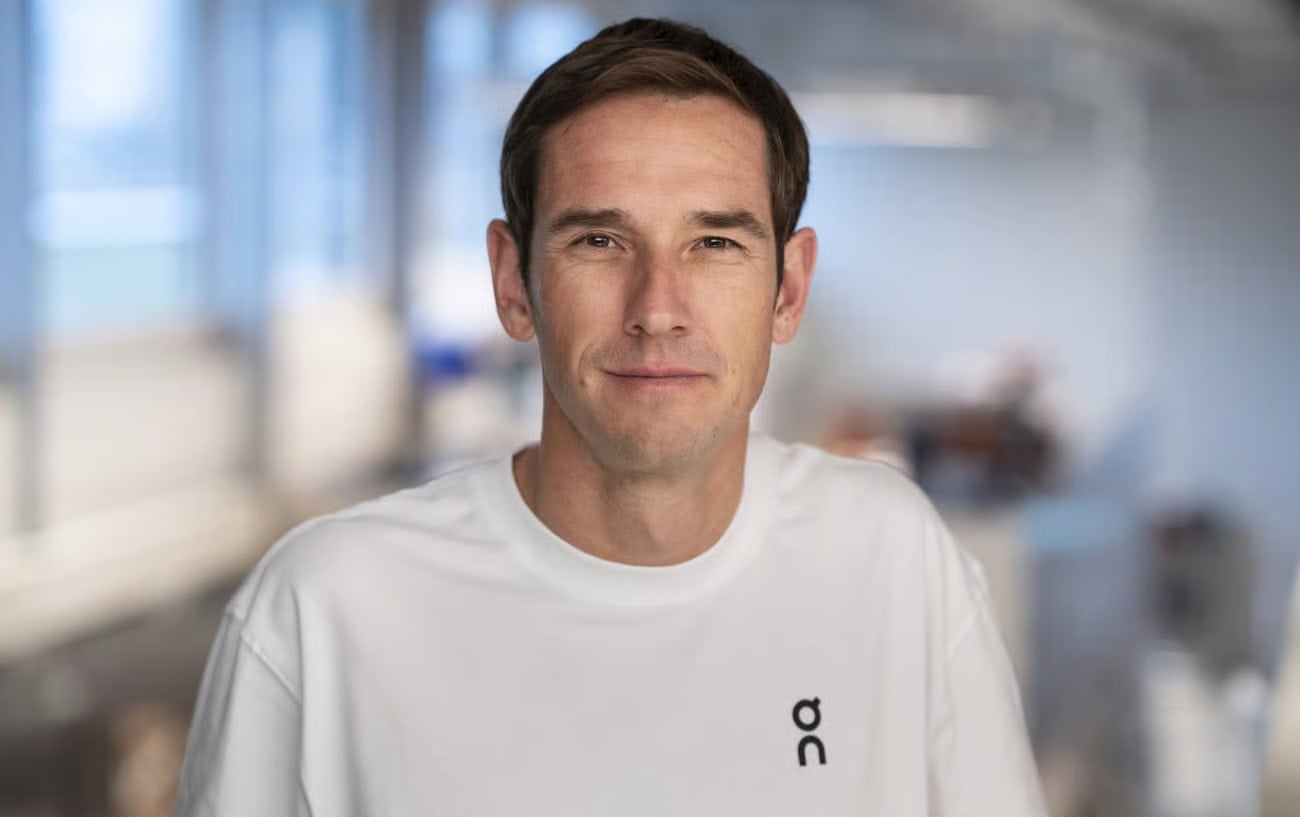
A Second Departure in Twelve Months
What’s rattling analysts isn’t just Hoffmann’s exit — it’s the timing. Just last April, co-CEO Marc Maurer stepped down after 12 years at On. He stayed on briefly as an adviser before leaving the company entirely this month. That’s two CEOs gone inside a year.
“The departure of two CEOs in a year is notable for a company that considers itself in the first inning of growth,” wrote Randal Konik, equity analyst at Jefferies, in a note to clients on Wednesday. He described the move as “a reaction to business complexity rising and competitive pressure building.”
Needham analyst Tom Nikic put it more bluntly. He called it “a surprising amount of shuffling of the C-suite,” and noted that Hoffmann had been the public face of On for investors — even during the time he shared the CEO role. “Investors may be disappointed that the proverbial boat is being rocked when the company is performing so well,” Nikic wrote.
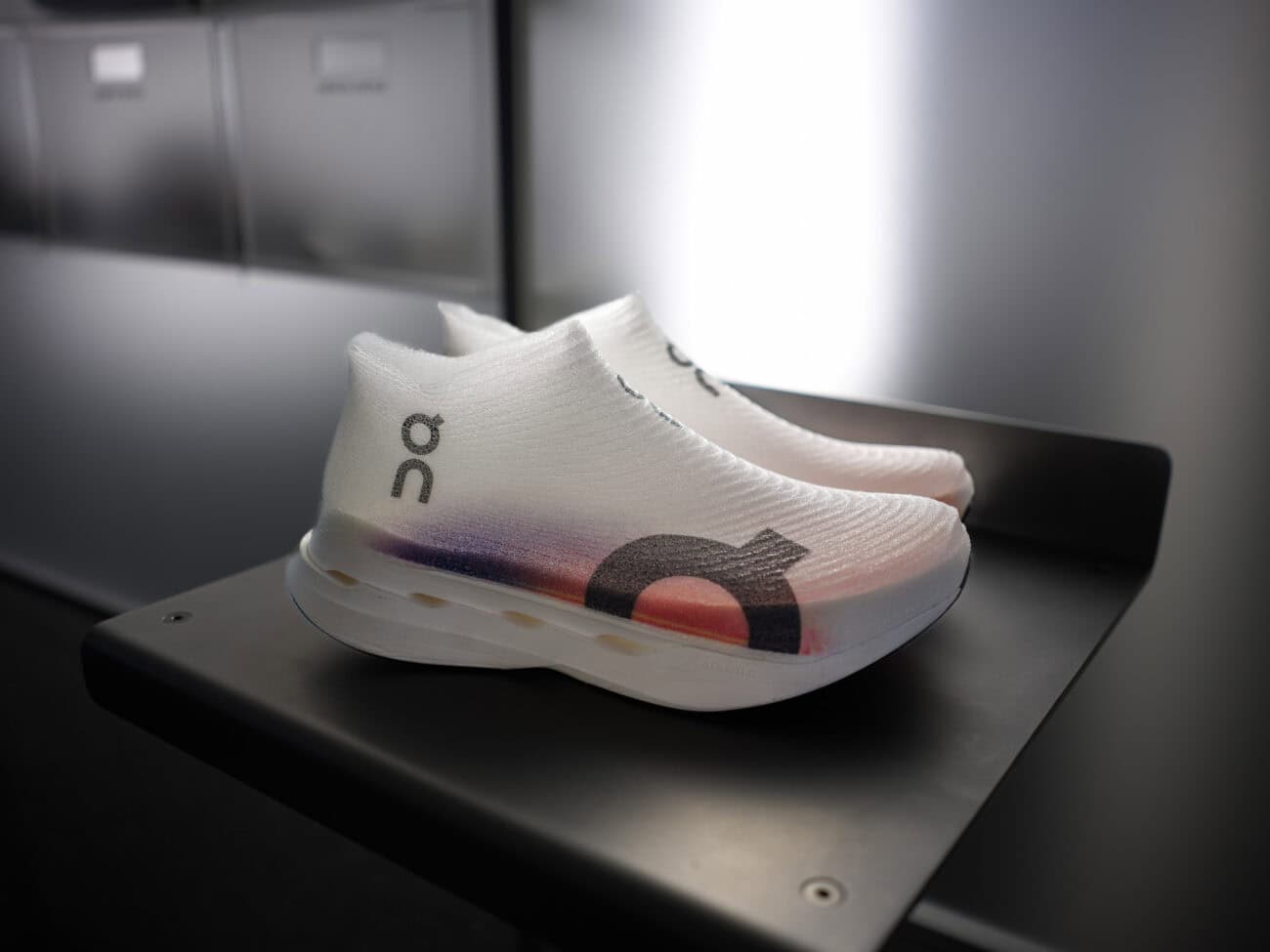
The Numbers Tell a More Complicated Story
On the surface, On’s business looks strong. The brand posted revenues exceeding 3 billion Swiss francs — around $3.8 billion — in 2025, a 30 percent jump year on year, with gross margins climbing to 62.8 percent from 60.6 percent the prior year. For a running brand that only went public in 2021, those are impressive numbers.
But Konik argues the best may already be behind them. He pointed specifically to a slowdown in On’s American business — On’s US sales grew just 13 percent in 2025, a deceleration of roughly 1,300 basis points from the year before. He also flagged rising spending on paid search advertising as a possible sign that the brand is struggling to attract new customers organically.
“If USA goes negative in ’27, it doesn’t matter what growth occurs in China,” Konik wrote.
William Trading analyst Sam Poser trimmed his price target for On’s stock from $44 to $41 per share following the announcement. His concern centers on On’s wholesale business — specifically, whether the brand has the infrastructure to work effectively with the big retail chains that sell its shoes.
“Many of On’s U.S. wholesale accounts are looking for alternatives as On’s segmentation and allocation strategies are based on what On hopes for, but not how the consumers are shopping,” Poser wrote. He added that he’s already beginning to see sell-through rates slow at athletic specialty retailers like Foot Locker and JD Sports.
Both Poser and Konik pointed to another major headwind: Nike. The world’s largest sportswear company has been rebuilding momentum in retail, and its marketing and R&D budgets dwarf On’s. When comparing On Running vs Nike, it’s hard to ignore the sheer scale difference. “We see parallels with brands such as K-Swiss or Puma — brands that, historically, have had a niche, then a star moment, then fade,” Konik said.
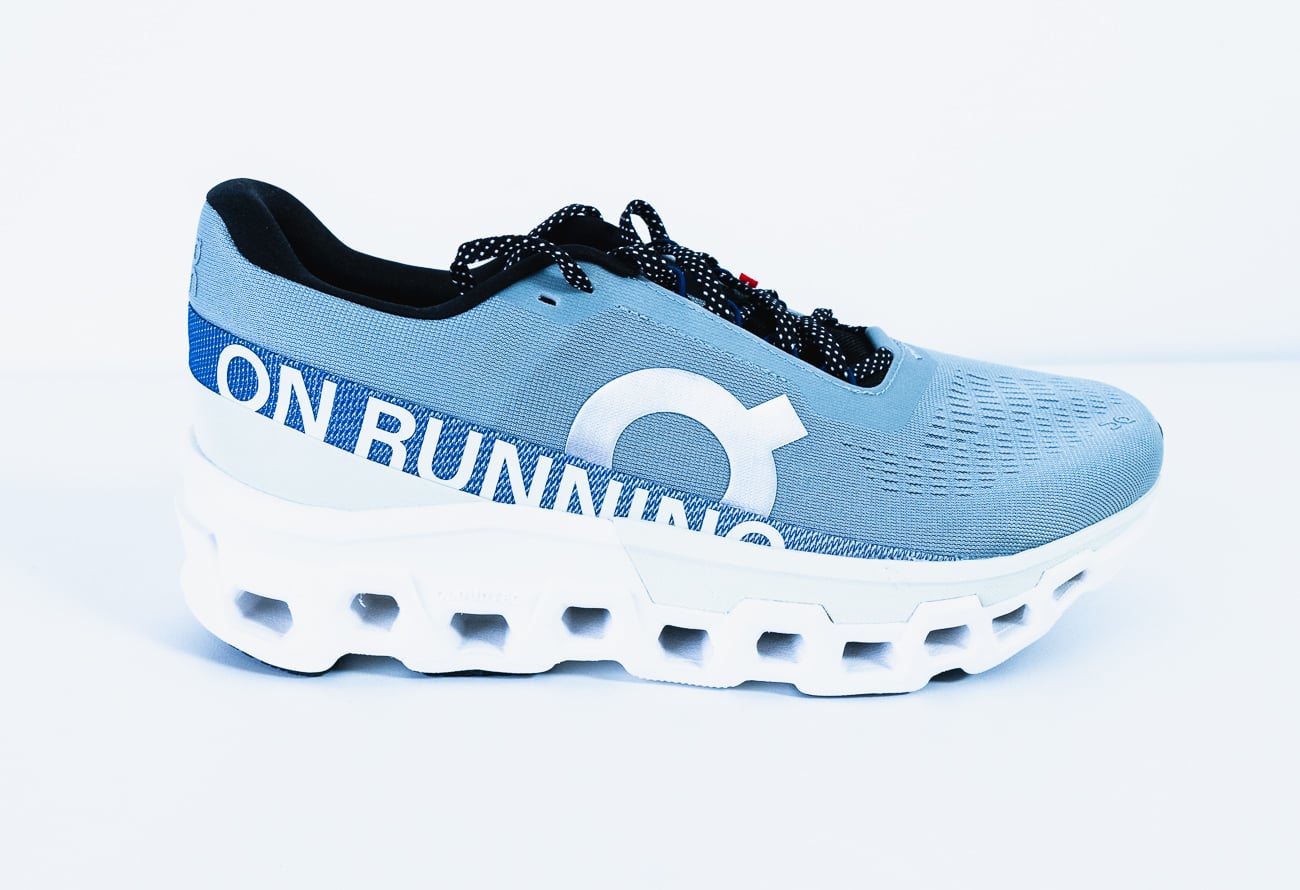
Not Everyone Is Pessimistic
Jonathan Komp, senior research analyst at Baird Equity Research, offered a more upbeat read. He called Maguire’s expanded role a “key positive,” describing him as a “product-led operator” who has brought “an important fresh perspective” to On’s executive team.
Komp also argued that the return of Allemann and Coppetti to day-to-day leadership is a natural fit. Allemann has historically led On’s marketing, while Coppetti has overseen global sales. “We view both as exceptionally positioned to lead On’s next chapter as co-CEOs,” Komp wrote.
Allemann struck an optimistic tone in a statement released Wednesday. “By unifying founder-led strategic intent with our operational core, we aim to move faster, stay relentlessly focused on product heat and continue pushing the boundaries of what a sportswear brand can be.”
RunClub
Get more running stories — join RunClub
Daily running news, a community of 300,000+ runners, free training plans for every distance, and a daily running game. Free to join — no card.
Already a member? Log in →










Start the conversation