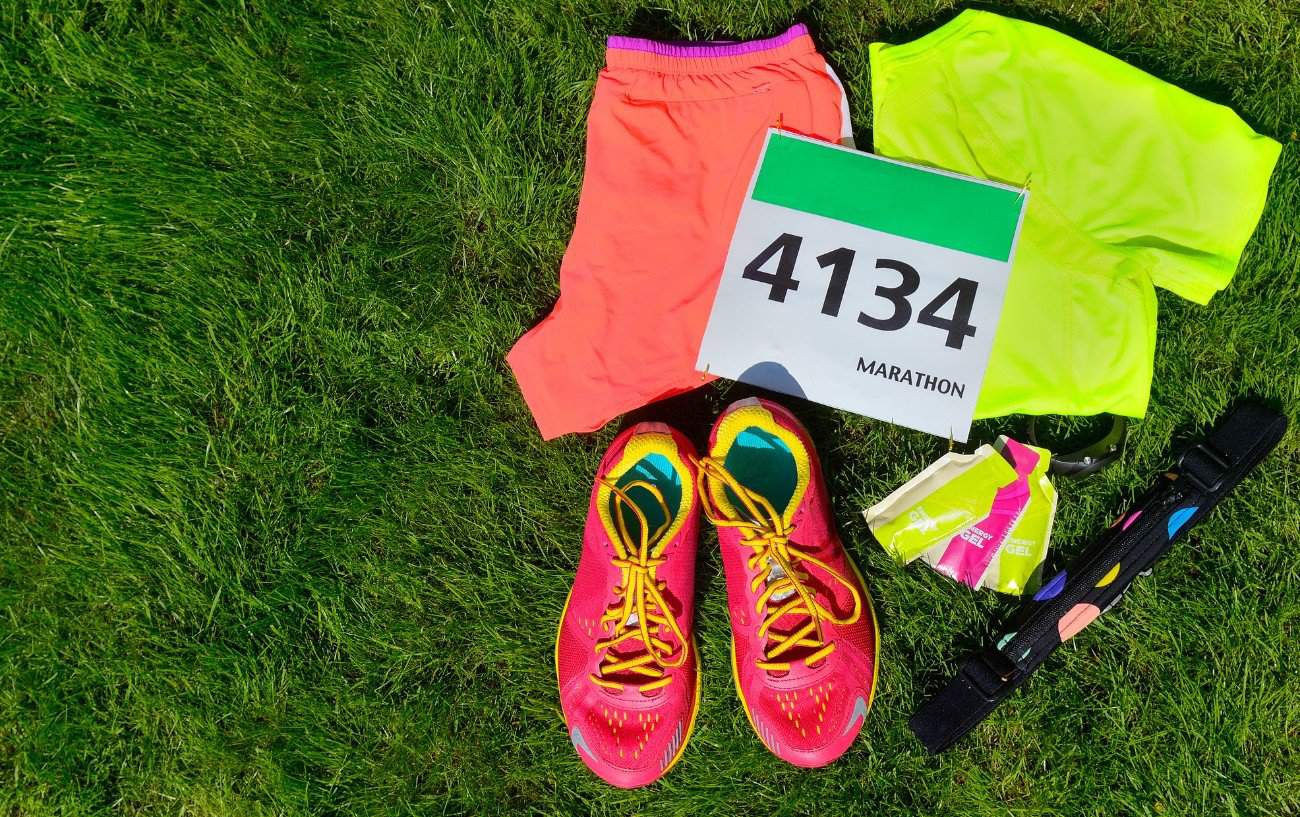
Whether it’s your very first marathon or you’ve earned enough finisher medals to fill an entire wall, your body needs time to recover after 26.2 miles.
As a running coach, I like to call marathon recovery the “27th mile” — a crucial extension of the race itself. You’re not truly finished until your body has had the chance to heal, rebuild, and recharge.
I’ll break down why post-race recovery is such an essential part of marathon training, how long it really takes to bounce back, and what you can do to recover faster so you’re ready for your next running adventure.

Why Is Post-Marathon Recovery So Important?
One of the allurements of the marathon is that the 26.2-mile distance is attainable but challenging. Finishing a marathon is an impressive feat because it requires physical and mental grit, as well as consistent, dedicated training.
However, a marathon is taxing on the body, and jumping back into training too soon can increase the risk of overuse injuries, overtraining, and burnout.
No runner wants to be out of the game, so respect the recovery process.
How Long Should You Rest After a Marathon?
Many runners are unsure about the waiting period before running again after a marathon. Unfortunately, there isn’t a simple answer to this question. How long you should wait to run after a marathon depends on each runner and even each race for that runner.
When comparing the post-marathon recovery of two marathon runners who ran the same race, several factors can affect recovery time, including intensity, level, age, fitness, general health and nutritional status, hydration strategies, and recovery strategy.
The same runner may also have a different post-marathon recovery timeline for two different races.
For instance, I’ve noticed that my body is ready to run just three or four days after one marathon, but it takes closer to a week or ten days to recover from another.
Differences and individual needs aside, most running coaches recommend taking at least 3-7 days off from running after a marathon to allow your body to recover before adding more stress through training.
Most runners should take at least the first week off from running after a marathon.
More conservative coaches say this time off should be extended to two weeks or more. The key is to listen to your body. Do not run if you are still sore and your body feels like resting. It should, you’ve just put a whole lot of hard work in.
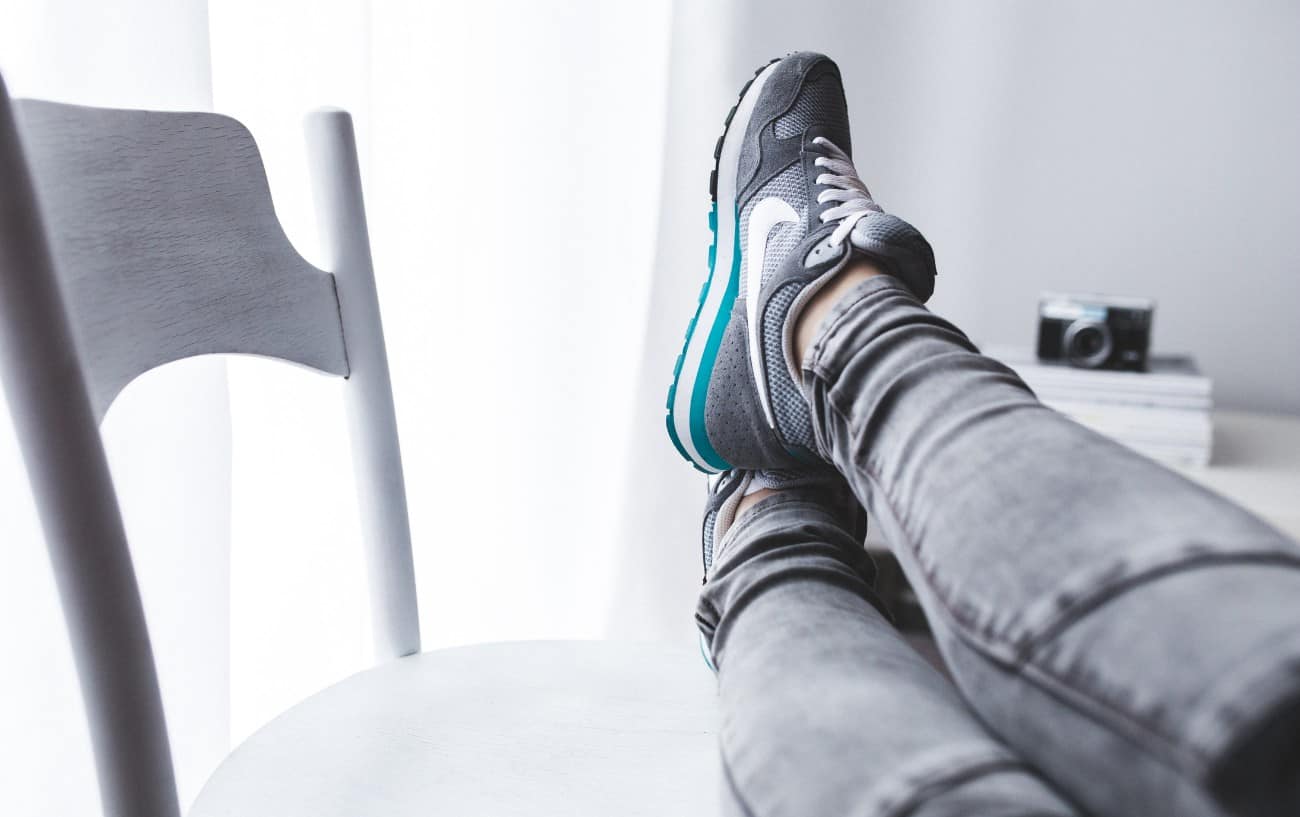
How Long Does it Take to Recover from a Marathon?
Even though each runner’s recovery will vary, studies show the body may take up to 4 weeks to fully recover from a marathon.1Tsai, K., Hsu, T.-G., Hsu, K.-M., Cheng, H., Liu, T.-Y., Hsu, C.-F., & Kong, C.-W. (2001). Oxidative DNA damage in human peripheral leukocytes induced by massive aerobic exercise. Free Radical Biology and Medicine, 31(11), 1465–1472. https://doi.org/10.1016/s0891-5849(01)00729-8
Another study2Hikida, R. S., Staron, R. S., Hagerman, F. C., Sherman, W. M., & Costill, D. L. (1983). Muscle fiber necrosis associated with human marathon runners. Journal of the Neurological Sciences, 59(2), 185–203. https://doi.org/10.1016/0022-510X(83)90037-0 found that post-marathon muscle damage can linger for up to 14 days after the race, resulting in a loss of muscular power.
The immune system is also compromised after a marathon, so it’s important to limit your exposure to illnesses and germs in the days following race day.
13 Expert Post-Marathon Recovery Tips
#1: Start Recovery Right Away
What you do and don’t do immediately after you cross the finish line impacts the entire arc of your post-marathon recovery. Adopt a mindset that the post-marathon recovery period is an inextricable component and just as important as the race itself.
You took your training seriously and put your heart and soul into the race, so you should attack the recovery with the same resolve and dedication.
Cool down, refuel with carbs and protein, and rehydrate with water or an electrolyte drink as soon as possible. These simple steps kickstart the healing process and set you up for faster recovery.
#2: Keep Moving At the Finish
Resist the urge to plop down in an exhausted and exhilarated heap at the finish line.
Walking for at least 10-15 minutes right after a marathon can help flush metabolic byproducts (previously thought to be the famous lactic acid) out of your legs and bring new oxygen and nutrients to your tired muscles, facilitating healing and reducing delayed-onset muscle soreness (DOMS).
#3: Stretch
After your cool-down jog or walk, incorporate 5–10 minutes of gentle mobility and light stretching into your post-race routine. Focus on the major muscle groups you just taxed, like your calves, hamstrings, quads, hip flexors, and glutes.
Keep the intensity low. The goal is to restore range of motion and reduce stiffness, not to force flexibility gains. Hold each stretch for about 20–30 seconds, breathe slowly, and ease into the position until you feel mild tension, never pain.
If a muscle feels especially tight, use controlled movement (like leg swings or walking lunges) before settling into a static stretch.
Remember, your muscles are already fatigued and slightly damaged after racing. Aggressive stretching can do more harm than good. Think of this phase as recovery support: gentle, controlled, and restorative.
#4: Refuel As Soon As Possible
One of my key expert tips for fast post-marathon recovery is to refuel as soon as possible after the race. It’s crucial to get in carbohydrates and proteins (ideally at a 3:1 or 4:1 ratio in terms of grams of carbs to protein).
Refueling can help replenish depleted glycogen stores, support muscle recovery, and start repairing muscle damage from the race.
If you can’t stomach solid foods, start with sports drinks, a protein shake, chocolate milk, or even a milkshake.
Continue fueling properly into the next day.

#5: Rehydrate
Running a marathon can cause you to lose more fluid than you might think, so ensure you drink enough electrolyte-rich fluids after the race.
Your urine should return to pale yellow by 24 hours, preferably sooner.
#6: Put On Dry Clothes
It might seem like a matter of comfort rather than aiding post-marathon recovery, but changing out of damp, sweaty running clothes and into warm, dry ones can prevent unnecessary shivering, which can drain your body’s energy needed for recovery.
Shivering also engages your muscles, which are often spent after a marathon. We want to put them into relaxation and recovery mode, rather than asking them to do more work.
#7: Do NOT Take Anti-Inflammatories
One of the top expert tips for fast post-marathon recovery is to resist the urge to take ibuprofen or other anti-inflammatory painkillers. These medications can further tax your liver, kidneys, and GI tract, which are already stressed from the marathon.
Additionally, anti-inflammatories can inhibit exercise recovery by attenuating the necessary inflammatory process muscles need to heal.

#8: Go Easy On Post-Marathon Beer
A cold beer after a marathon or celebratory cocktails at dinner may seem appealing at the moment (and deserved!), but alcohol can inhibit post-marathon recovery.
While one drink won’t derail your marathon recovery, experts agree that if you want to recover quickly, going easy on alcohol is a good idea.
Alcohol not only contributes to dehydration but can also interfere with the effectiveness of your post-marathon fueling by delaying the absorption of the carbohydrates and protein you’re investing in that post-marathon meal.
#9: Consider a Nap
If you woke up early for the race or slept poorly, consider taking a 90-minute nap a few hours after crossing the line to help encourage recovery.
Getting adequate sleep on the nights following the race is equally important.
#10: Use Recovery Boots
Boots provide pneumatic pressure to your lower limbs to encourage circulation and lymphatic drainage. Athletes report that boots can reduce delayed-onset muscle soreness (DOMS), muscle fatigue, swelling, and stiffness.
Using pneumatic compression boots in the post-marathon recovery period can hasten recovery and help you get back to running sooner.
#11: Engage In Active Recovery
While you should definitely take days off from running after the marathon and significantly reduce the intensity of your training, you don’t have to be inactive.
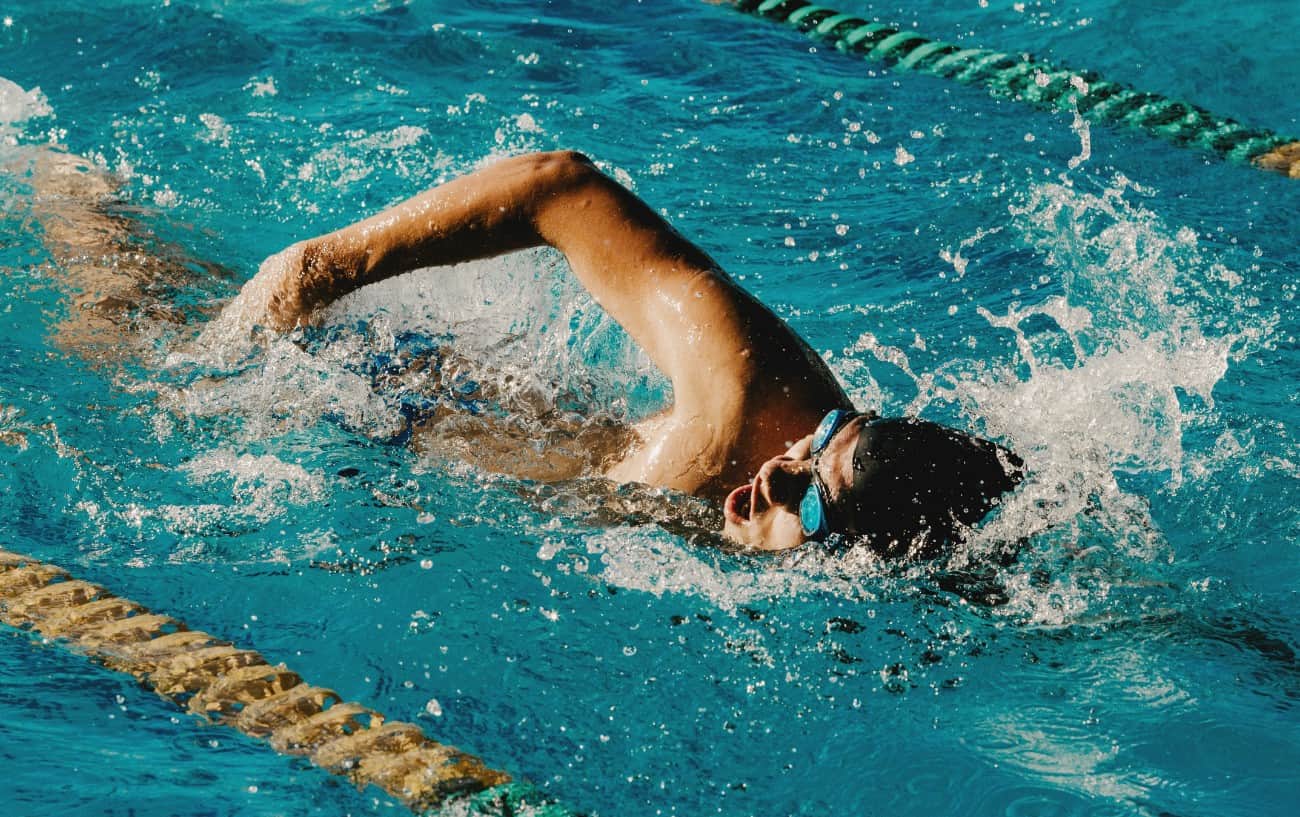
Light exercise, such as walking, swimming, elliptical training, and riding an exercise bike, the day after the marathon can help speed recovery.
Light, low-impact cross-training exercise increases circulation, warms up your muscles, and can reduce stiffness and discomfort.
#12: Get a Massage
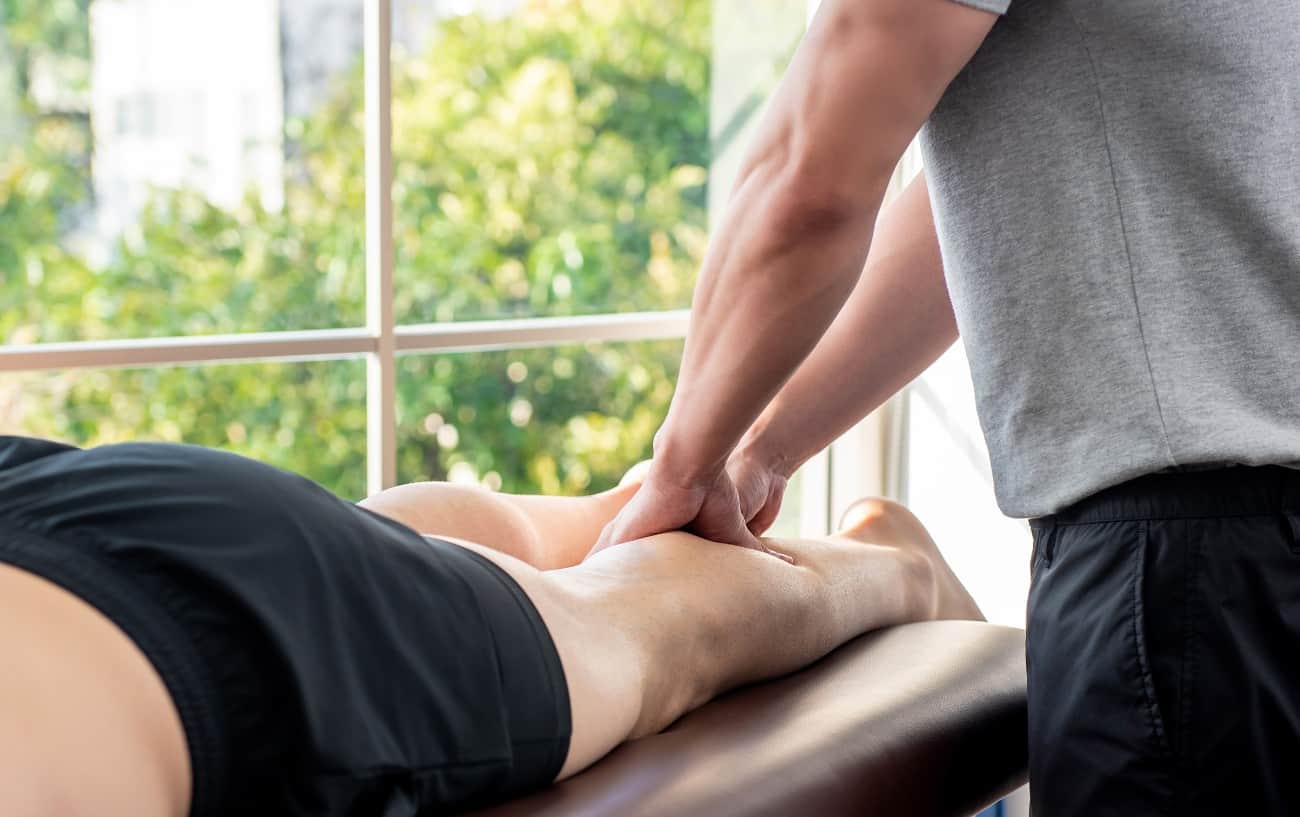
A good sports massage isn’t just a luxurious indulgence but also a tip for fast post-marathon recovery. Massage increases circulation, mobility, and range of motion in tight and sore muscles.
If you can’t afford a session with a professional masseuse or physical therapist, consider alternatives like asking a partner for a rub down, using a massage gun, or trying self-myofascial release techniques such as foam rolling.
#13: Try Contrast Baths
Alternating between ice baths and warm baths in the tub can help speed up post-marathon recovery. Ice baths may reduce DOMS, while warm soaks provide compression and increase blood flow.
There you have it! You’ve run your marathon; now rest up and recover to get at it again.
If you’ve mastered the marathon distance and want to consider ultras, check out our tips on choosing your first ultramarathon: