


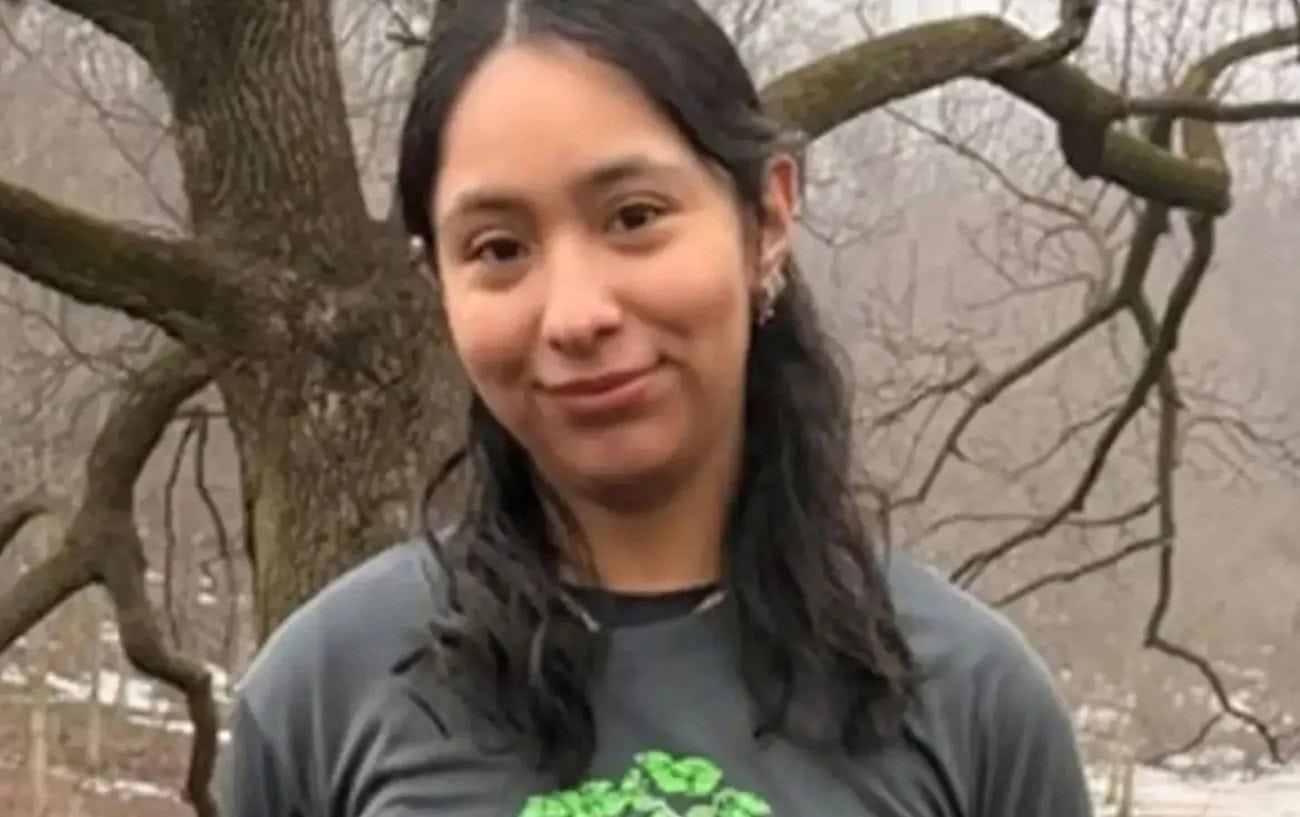
Rachel Apa collapsed in Central Park near Mile 24 of the New York City Marathon on Sunday, Nov. 1, and died that night at Mount Sinai, as Marathon Handbook reported earlier this week. She was 24 and running her first marathon, and her family says doctors told them the cause was rhabdomyolysis, a breakdown of muscle tissue that can overwhelm the kidneys. Her father, Steve Apa, has now taken NBC News through the text messages the two of them traded over the course of the race, from a cheerful check-in at Mile 9 to the replies that stopped a few miles from the finish.
He followed the race from home in Lewisberry, Pa., on the tracking app, while her mother, Michelle, and two of Rachel’s friends moved around the city to see her in person. Her first message arrived at about 11:30 a.m., around Mile 9. “Hey, go,” she wrote, a phrase the pair had shared for years and one he traced back to his own football days at Lehigh University. Then she wrote, “I feel amazing.” She credited the carbohydrates she had loaded up on before the race, he said, and added, “I’ve never felt this good.”
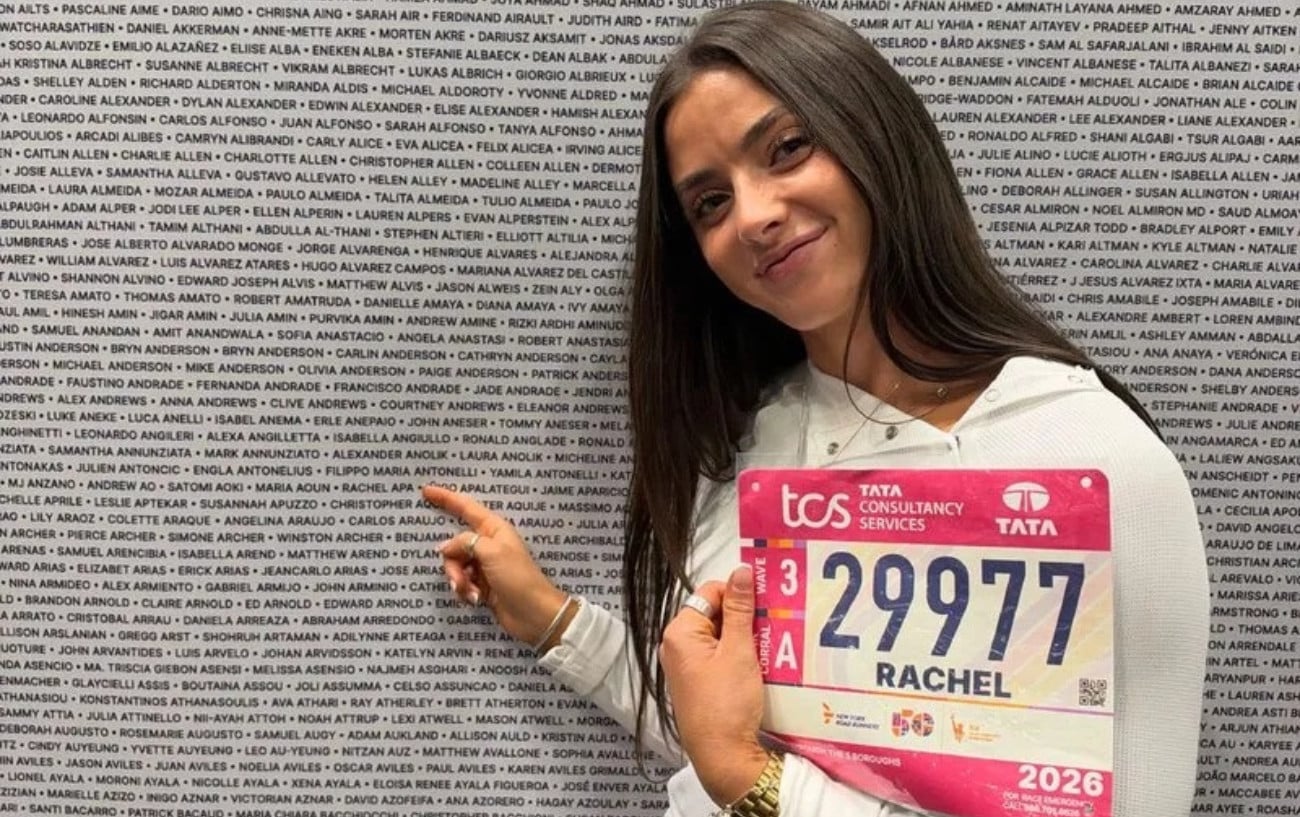
He wrote back urging her to hold something in reserve: “Great, don’t overdo it. First marathon. This is a learning run. Don’t overdo it.” He also told her she would find her mother on the left side of the course two blocks ahead.
Michelle saw her run past at Mile 14. A few miles on, Rachel sent her father a single word, “Ugh.” He wrote back, “You beat the 18,” and she replied, “Ow, ow.” He told her to go easy. At Mile 20 she sent “Ow, ow” once more, and in his account to NBC that was the last reply he received. He kept writing to her at Miles 21, 22 and 23, where his message read, “All finish, not speed.” He sent one more at Mile 24, around 1:30 p.m., and then saw that her position on the app had stopped moving.
Michelle and the two friends, waiting at Mile 25, noticed the same thing. He told his wife to go and find their daughter, and texted Rachel that her mother was on her way to her. By the time Michelle got to the Mile 24 area, Rachel had already been taken away, so an EMS worker who was still there drove her to Mount Sinai in a second ambulance, he said. He got in his car and started driving to New York. According to New York Road Runners, a bystander began CPR before the race’s medical staff reached her, and the medical team then used a defibrillator.
Doctors described the diagnosis to the family as “extremely rare,” Steve Apa said. He remembered his daughter as someone who never slowed down: “She was always on the go, always go, and it doesn’t matter if it’s school or sports or whatever it is. She was go.”
A Foundation in Her Name
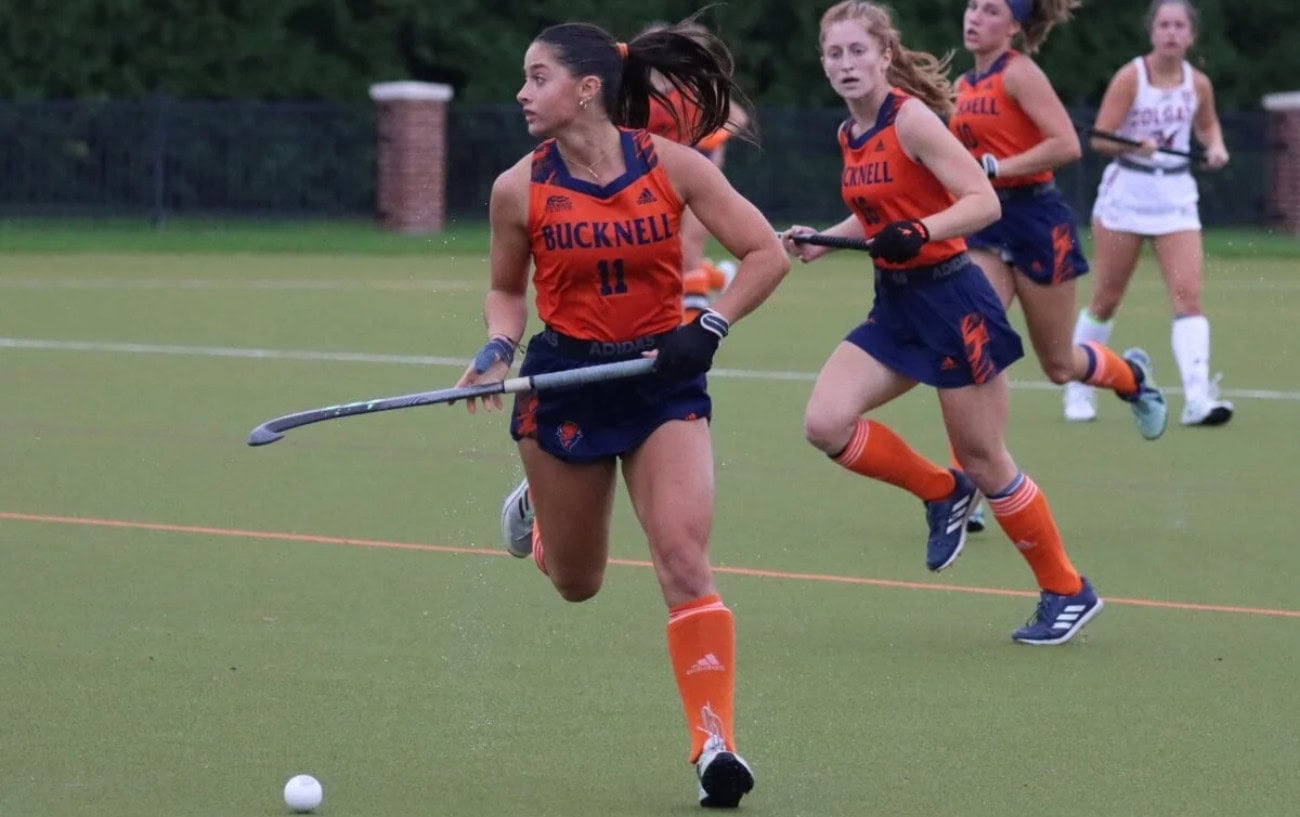
Her obituary, published by Parthemore Funeral Home in Pennsylvania, fills in more of her life. She graduated from Red Land High School in 2020, then magna cum laude from Bucknell while playing Division I field hockey, and had recently moved to Charleston, S.C., where she was studying for an MBA at Charleston Southern University while working as a product manager for TE Connectivity. It also mentions her dogs, which it calls “her forever children.” “Rachel Sandra Apa set goals and met them without fail,” it reads. She is survived by her parents, her brothers Dominic and Anthony, and her grandparents Judith Krebs and Ruth Apa.
In place of flowers, the family is asking for donations to The Rachel Apa Foundation, which it is setting up to teach people about rhabdomyolysis. “Educating athletes about rhabdomyolysis so no other family suffers a loss like this,” reads the line at the top of the foundation’s website. The obituary says the foundation will also push for faster on-course medical care at endurance races. It is still being formed as a nonprofit, and donations for now go through a GoFundMe page and are not tax deductible.
The family will hold a private burial and plans a celebration of life at a later date, which it says everyone is welcome to attend.
RunClub
Get more running stories — join RunClub
Daily running news, a community of 300,000+ runners, free training plans for every distance, and a daily running game. Free to join — no card.
Already a member? Log in →




Start the conversation