


When Heather Cerney lined up at a 2023 Turkey Trot in San Francisco, she was mostly excited, but also a little bit curious. The curiosity came because just a week before the race, she had splurged on a pair of Nike Alphafly 2s (nearly $300 after tax) and wanted to see what all the fuss was about.
She’d run at a high level at UC Berkeley, and even though her competitive days were behind her, she still moved like someone who used to race for points on the Pac-12 scoreboard. Cerney won her age group that morning.
What she remembers far more clearly is what happened later: a sharp, spreading pain under her left foot, right at the base of her big toe. And the ache didn’t fade. By the time she got scans, doctors told her she had fractured her sesamoid, a very tiny bone in the foot (but one that can upend an athlete’s life when it breaks).
She needed surgery, and the recovery was slow and punishing.
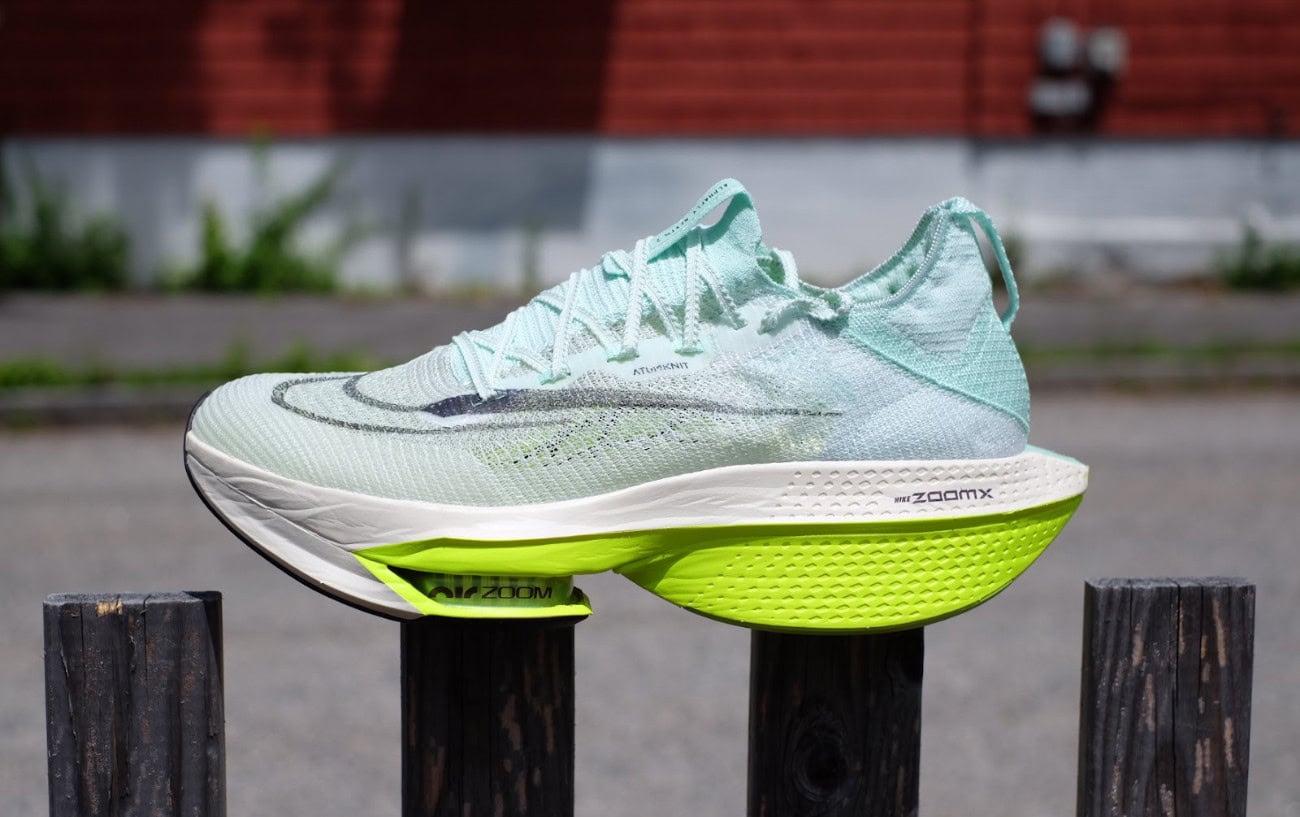
Now, this week, Cerney filed a federal lawsuit accusing Nike of releasing a dangerous product and failing to warn runners about it.
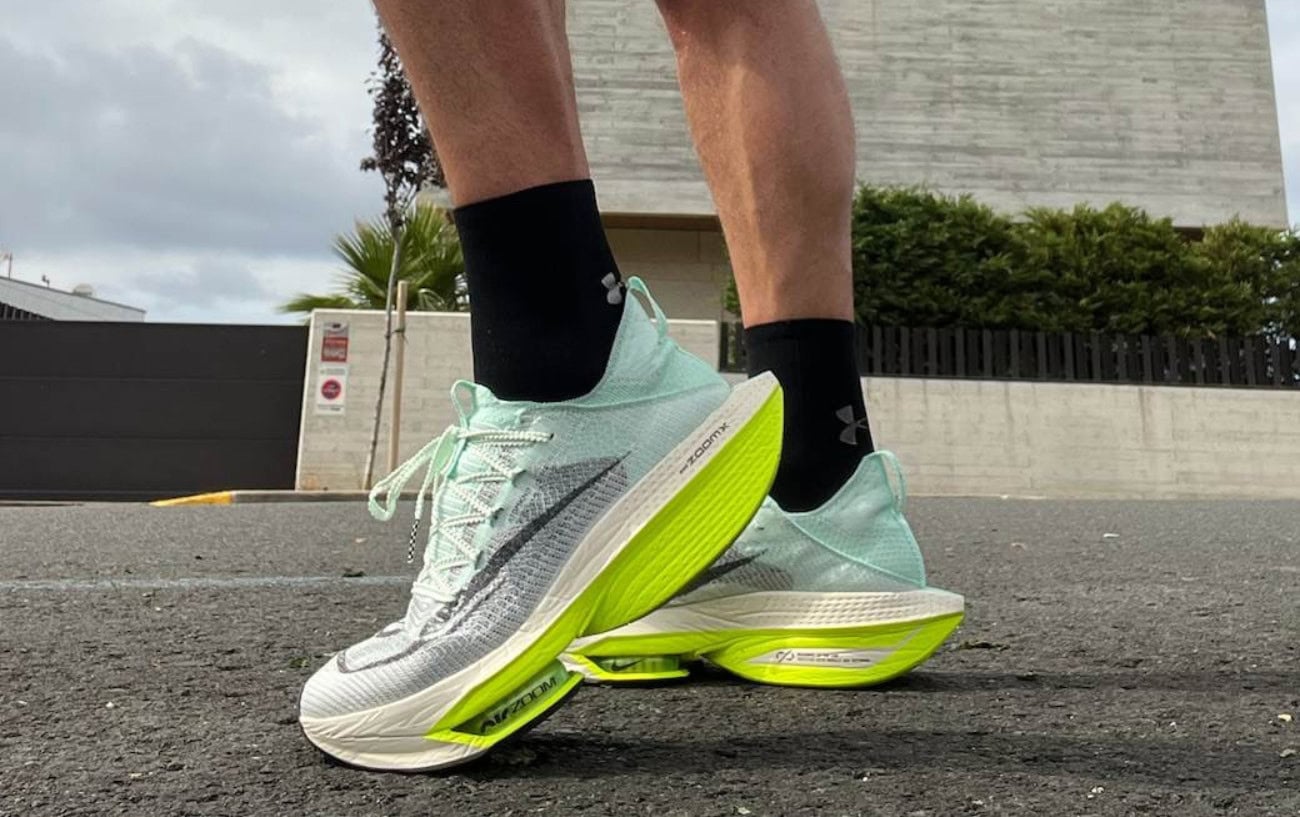
The lawsuit, submitted in the Northern District of California, argues that the Alphafly 2’s curved carbon-fiber plate placed an abnormal load on her forefoot and directly contributed to the fracture.
Her attorneys, Richard McGreevy and Brian Leach, describe the injury as serious enough to leave her with a “permanent partial disability.” According to the filing, she can’t run the way she used to, and even work has become more difficult.
Nike didn’t has not commented on the lawsuit.

A debate that never quite dies
Cerney’s case enters a conversation that’s been simmering ever since carbon-plated shoes reshaped modern distance running.
Now, there’s really no mystery from a performance side: runners in these shoes are measurably faster.
Since 2016, nearly every distance world record has fallen. Studies routinely show improvements in running economy, often credited to the plate’s stiffness and the midsole’s ability to hoard and return energy.
But the injury questions have always been harder to pin down.
Anyone who has spent time around a collegiate training room has heard the anecdotal pattern: blown calves, unhappy Achilles tendons, strange aches through the midfoot. Usually, it sounds like whispers and chatter, the kind of complaints that float around whenever a new piece of equipment sweeps through a sport.
But actual scientific literature on the topic is still thin.
Cerney’s complaint cites a 2023 Sports Medicine article led by Harvard physician Adam Tenforde. It’s one of the first papers to even attempt to document the connection.
The authors didn’t claim that carbon plates “cause” fractures, but they did outline why they’re paying attention, and they included five cases of navicular bone stress injuries in competitive runners who were wearing carbon-plated shoes at the time.
Those athletes developed pain mid-race or shortly after. Some needed surgery. One was a teenager who had even been told his X-rays were clean, only to discover weeks later that the injury was far more serious.
The point of the paper wasn’t to sound any alarms off. It was simply to show that when you change the way a foot bends (and carbon plates absolutely do), you change where the forces go. And when runners adopt new technology abruptly, without a progression, the bone sometimes lags behind.
What the courtroom will focus on
Nike is expected to argue exactly what shoe companies have argued for years: the technology is legal, widely used, and supported by internal and external research. Countless runners have raced in the Alphafly line without injury.
And, as the company will almost certainly note, a bone fracture can have far more than one cause. Training load, foot structure, mileage patterns, and even unrelated stress reactions can set the stage for a break.
Cerney’s attorneys see it differently, though.
They say she wore the shoe exactly as intended and suffered the consequences of a design that places unusual strain on small bones in the forefoot. They also point out that she had no reason to believe the shoe carried any elevated risk.
To her, it was simply a high-end racing model.
The case is now in front of U.S. Magistrate Judge Laurel Beeler.
Nike’s formal response is expected soon and will likely include a request to dismiss the claims outright. Whether the lawsuit survives that initial hurdle will determine if this becomes a narrow product-liability fight or the first courtroom test of a debate many runners have been having in private.
Cerney isn’t claiming to speak for the entire sport. She’s just trying to explain how a single race in a brand-new pair of shoes left her in an operating room, and why she believes the company behind them should answer for it.
RunClub
Get more running stories — join RunClub
Daily running news, a community of 300,000+ runners, free training plans for every distance, and a daily running game. Free to join — no card.
Already a member? Log in →





Start the conversation