


Why it matters
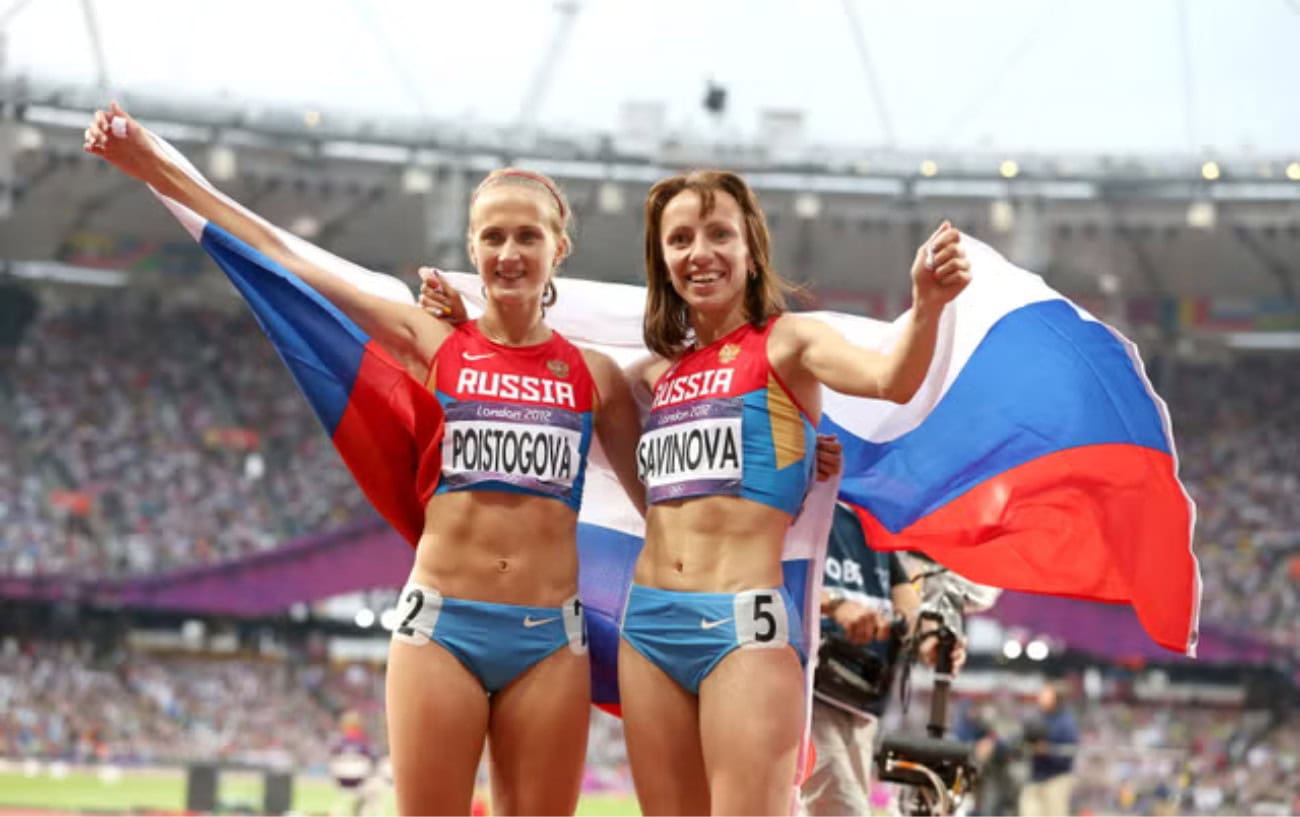
This is Russia’s clearest signal yet that it wants to rejoin global sport through the Olympics. But the nation’s suspension, due to its actions in occupied Ukrainian territories, means any near-term bid is a long shot.
What’s happening
In an interview with TASS, Sports Minister and Russian Olympic Committee (ROC) President Mikhail Degtyarev said Russia is preparing bids for future Games.
“We will be certainly submitting our bids in the future and will be ready to organise them at the highest possible level as we did on the two previous occasions,” Degtyarev said.
He cited Moscow 1980 and Sochi 2014 as proof of Russia’s experience and infrastructure. He also referenced the 2018 FIFA World Cup, which took place in 11 Russian cities, including Moscow, Kazan and Sochi.
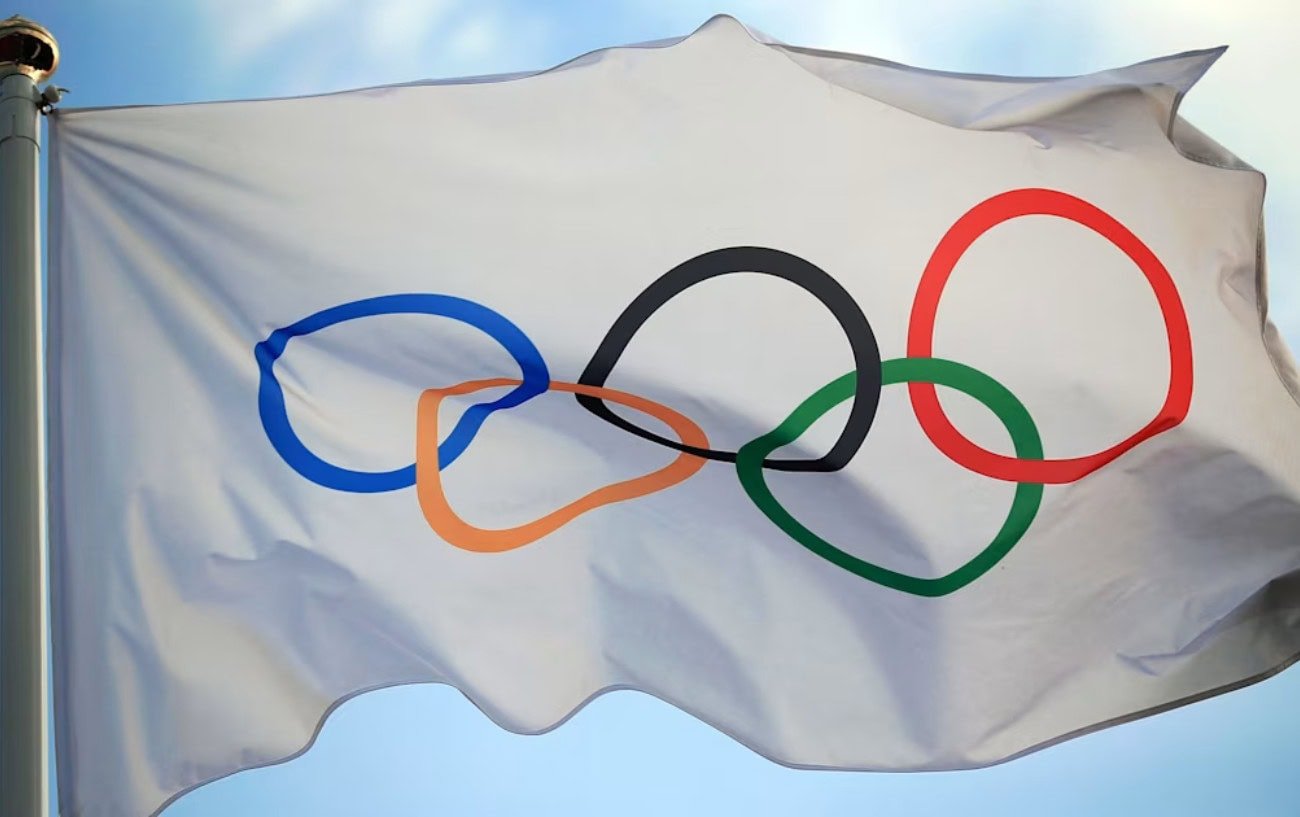
But the ROC remains suspended. The International Olympic Committee (IOC) took action in October 2023, after the ROC incorporated sports organizations from four Russian-occupied Ukrainian territories: Donetsk, Luhansk, Zaporozhye and Kherson.
The IOC called it a “breach of the Olympic Charter,” stripping Russia of its formal standing in the Olympic Movement.
The Olympic freeze
Russia has been largely sidelined from global sport since its 2022 invasion of Ukraine. Most federations barred Russian and Belarusian athletes following IOC guidance.
In 2023, the IOC allowed some athletes from those countries to return under strict neutrality conditions, including no flags, no anthems, and no military affiliations.
Degtyarev dismissed substitute events like the Friendship Games or the Goodwill Games as irrelevant.
“Will any alternative tournaments help our athletes? No, they will not help,” he said.
“The alternative [tournament] is not our path to take. Our path stretches along only the full return to the Olympic family.”
The bigger picture
Despite political tensions, Russia is positioning itself as a willing host for a future Olympic Games. Degtyarev argued that sport should remain above geopolitics.
“There must be no boycotts. The Olympic Movement must unite,” he said, referencing the 1980 Olympic boycott and the Soviet Union’s response in 1984.
He also recalled a visit to the IOC Museum in Lausanne, where memorabilia from Moscow 1980 and Sochi 2014 is still on display.
“These are historical events, and the memory of them remains in the hearts of millions,” he said.
Still, with the ROC’s suspension firmly in place ahead of Milan-Cortina 2026, and no hosts selected beyond 2032, any Russian Olympic bid would face major global resistance.
But the message is clear, Russia wants back in, and it wants to host.
RunClub
Get more running stories — join RunClub
Daily running news, a community of 300,000+ runners, free training plans for every distance, and a daily running game. Free to join — no card.
Already a member? Log in →




Start the conversation