


US running brand Saucony has ended its sponsorship of the Jerusalem Marathon following growing boycott pressure from international running communities who accused the company of helping “sportswash” Israel’s ongoing assault on Gaza.
The decision comes after a wave of criticism from UK-based clubs and activist groups who highlighted the marathon’s route through East Jerusalem, considered part of Palestinian territories by the United Nations, and condemned Saucony’s marketing campaigns that featured Israeli soldiers as brand ambassadors.
In a statement to Middle East Eye, Saucony confirmed it had removed its logo from the marathon’s website and stepped back from its sponsorship.
“At Saucony, we believe running is a powerful force for connection, one that brings people together across backgrounds and beliefs,” a company spokesperson said. “We’ve listened closely to concerns from our community about our sponsorship of the Jerusalem Marathon, and after thoughtful consideration, we have made our decision to step back.”
The company had sponsored the race for three years, releasing official “Jerusalem Marathon” running shoes and partnering with soldiers who had served in Gaza.
While the brand has not issued a public apology, the spokesperson emphasized that Saucony had heard the concerns of runners “from around the world” and was reconsidering future partnerships.
A Race Through Occupied Land
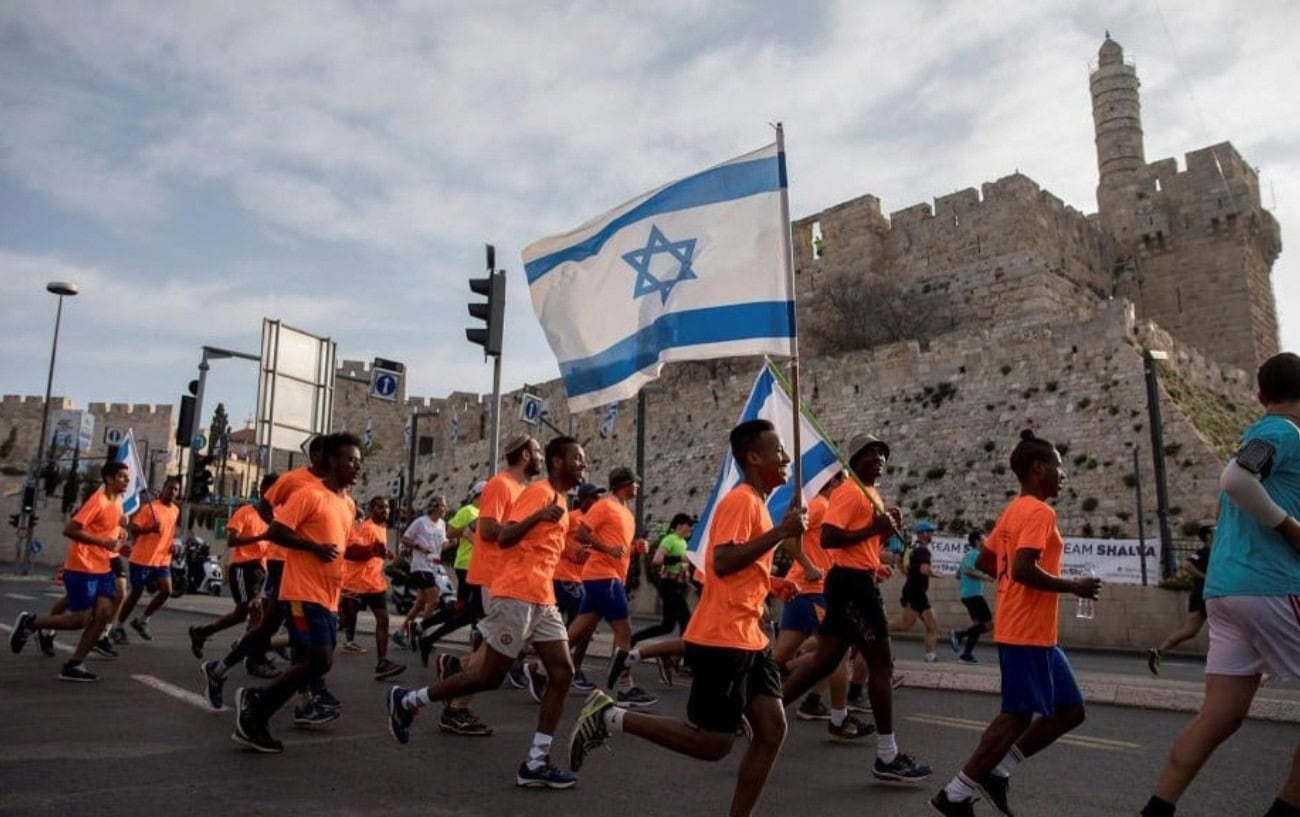
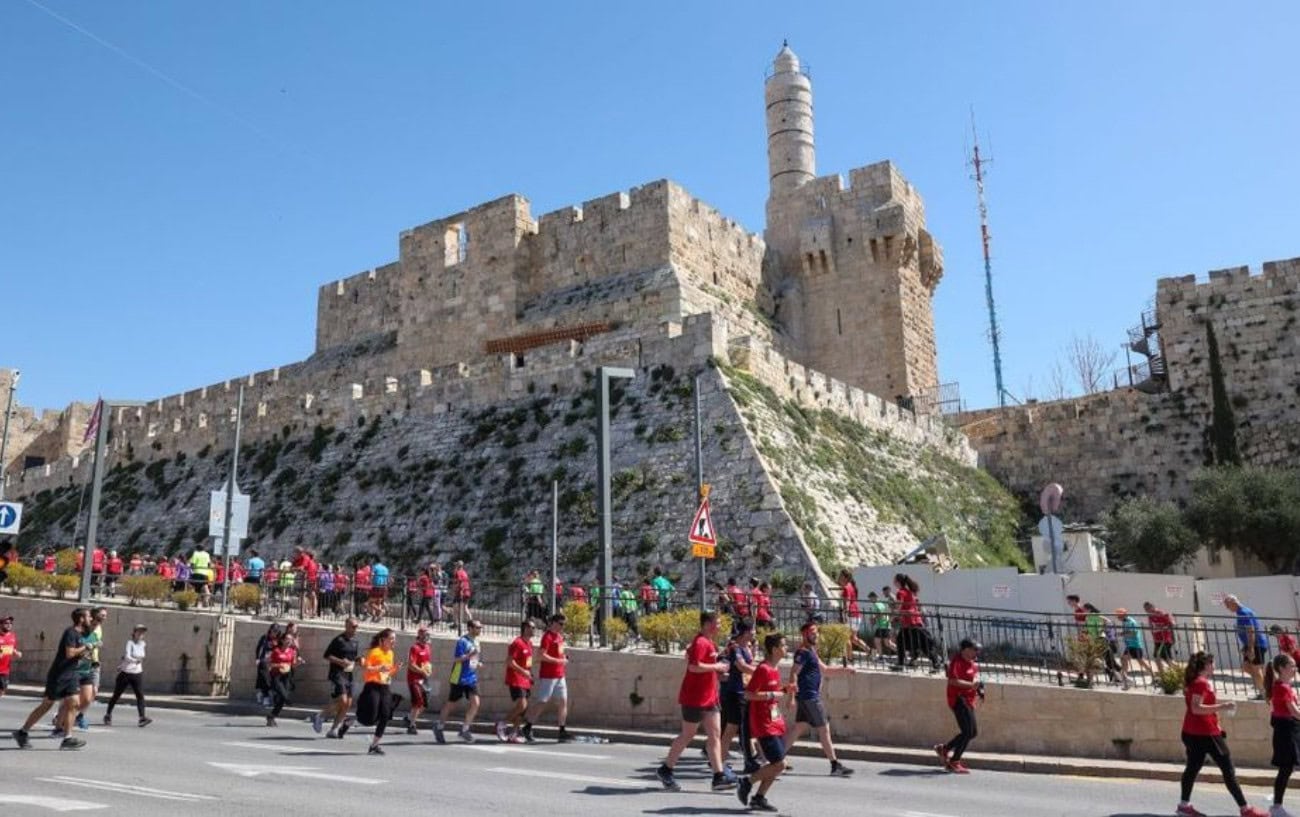
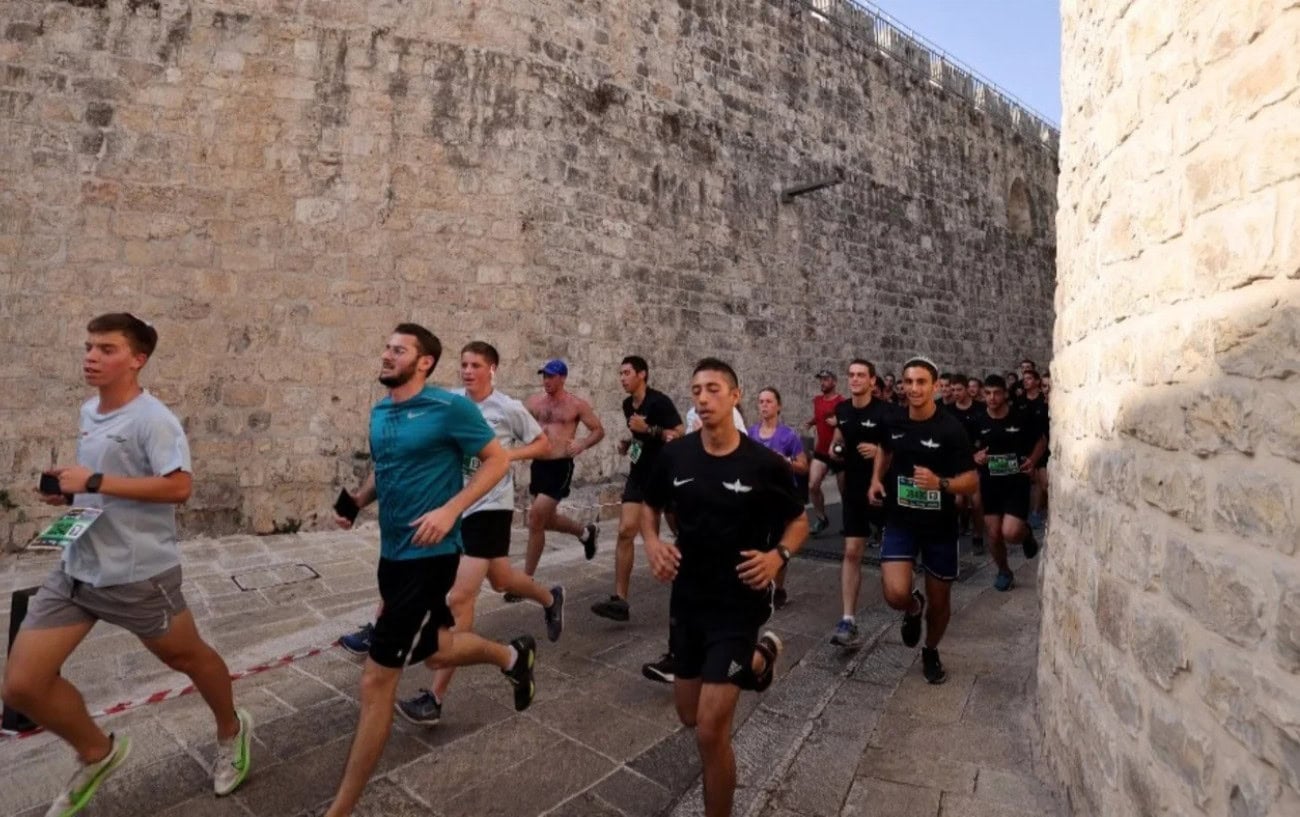
The Jerusalem Marathon, also known as the Jerusalem Winner Marathon, is an annual race that begins in West Jerusalem and passes through East Jerusalem, including sections of the Old City. Since its inception, human rights organizations have criticized the route for crossing into what the U.N. defines as Palestinian territory occupied by Israel since 1967.
The United Nations considers Israel’s annexation of East Jerusalem illegal, and rights groups say that by running through those neighborhoods, the race effectively helps normalize Israeli control.
Participants are also encouraged to raise money for causes supporting Israeli soldiers, including the “Thank Israeli Soldiers” charity, further fueling accusations that the event promotes state narratives rather than athletic unity.
Nazrin Khanom, founder of the UK-based women’s running collective She Runs, said Saucony’s withdrawal showed the impact of collective action. “Running should embody freedom, unity, and humanity, not be used to mask injustice,” she told MEE. “This decision proves that collective resistance works.”
Sportswashing and Brand Accountability
Saucony’s sponsorship drew attention from an app called BoyCat, which tracks brands linked to political controversies. After the app flagged Saucony’s involvement, several British running clubs announced boycotts of the brand’s races and products.
Some run leaders told MEE the company claimed it was unaware its Israeli distributor had attached its name to the event.
Criticism of the brand’s partnership with the Jerusalem Marathon coincided with multiple countries, including the UK, Australia, France and Canada, indicating that they would take steps towards recognizing of the State of Palestine. The United States has stood firm that it will not recognize an independent Palestinian state.
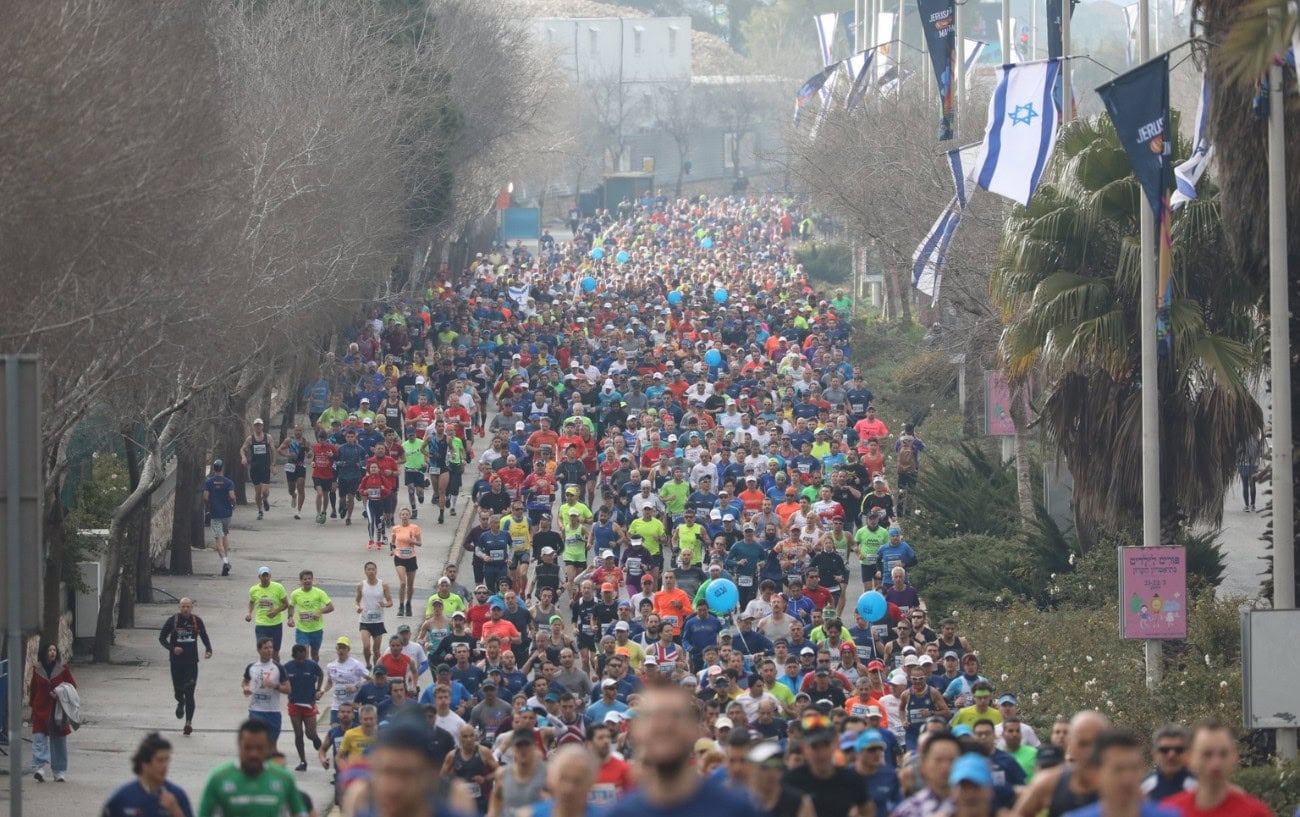
The backlash highlights a growing debate within the global running community, and sport more broadly, over the political implications of sponsorships and event locations. Activists have long argued that marathons in occupied or disputed territories help “normalize” control and erase the experiences of local populations.
In this case, campaigners said the race’s scenic framing, through the Mount of Olives, the Old City, and East Jerusalem, ignores the displacement of Palestinians and Israel’s continued settlement expansion.
As one statement from the Palestine Youth Movement in Britain put it, “The Jerusalem Marathon is a weaponized spectacle, a tool to strengthen Israel’s grip on occupied Palestinian territory and to normalize Jerusalem as its capital.”
Growing Pressure on Sports Bodies
Saucony’s decision arrives amid a broader reckoning across international sport.
Calls to isolate Israel have intensified following reports of civilian casualties in Gaza. UEFA, Europe’s football governing body, is expected to vote this week on whether to suspend Israel from competition, a move that would mirror global sporting boycotts once applied to apartheid South Africa.
Other protests have emerged across events. At this year’s Vuelta a España, pro-Palestine demonstrators blocked the finish line in protest of the Israel Premier Tech cycling team.
In August, a banner reading “Stop Killing Children” appeared before the UEFA Super Cup final between Paris Saint-Germain and Tottenham Hotspur, widely interpreted as a rebuke of Israeli military strikes.
For brands like Saucony, the controversy underscores the challenge of operating in politically charged contexts. The company has not commented on whether it will continue distributing products in Israel.
RunClub
Get more running stories — join RunClub
Daily running news, a community of 300,000+ runners, free training plans for every distance, and a daily running game. Free to join — no card.
Already a member? Log in →





Start the conversation