


Super shoes have changed the game in running in the last eight years: promises of making runners four percent faster have seen them become pretty ubiquitous in racing and training, and they’ve been a major factor in the seemingly non-stop toppling of running world records.
Many have written (myself included) about the one-time leap in running performances that can be attributed to the adoption of super shoes. They’ve become the rule, rather the exception — don’t expect to see anyone in the faster half of a race toeing the line in a dusty pair of non-carbon plated kicks.
They promise speed, and they deliver. Simple.
But there’s another benefit to super shoes that has, so far, been largely overlooked by both runners and shoe brands.
And I’d posit that, in the long term, the societal impact of super shoes will be much less about how they helped us run faster, and instead how they helped us live longer.

Forget PRs: Super Shoes Are A Longevity Tool
It’s well established that higher levels of cardiorespiratory fitness are linked to longer, healthier lives. But the science continues to underscore just how strong—and dose-responsive—that relationship really is.
A 2018 study in JAMA Network Open found that individuals with “elite” VO₂ max scores lived significantly longer than even those categorized as “high” fitness. There was no ceiling to the benefit: the fitter people were, the lower their risk of dying from any cause—including heart disease and cancer.
A more recent 2022 meta-analysis published in the British Journal of Sports Medicine reported that even small improvements in aerobic fitness deliver meaningful longevity gains. For every 1-MET increase—a measure akin to the energy it takes to run 1 minute faster per mile—the risk of all-cause mortality dropped by 13%. In short, just becoming a bit more efficient on your runs could help you live longer.
Translation: the more consistent cardio we can sustain, the better our chances of extending both lifespan and healthspan.
That becomes more critical as we age—precisely when staying active becomes harder. Sarcopenia (age-related muscle loss) makes movement more effortful. VO₂ max and mitochondrial function naturally decline, reducing energy output. And wear-and-tear injuries become more frequent, threatening consistency in training.
That’s where super shoes come in.
We already know that super shoes are less taxing on your leg muscles, allowing us to run more without feeling so ‘beaten up’ afterwards.
We already know that, with some caveats, they can reduce injury risk.
Super shoes help us run further, help us reduce fatigue, and help us avoid injury.
All of this is a perfect recipe for being able to run more as we get older. Which can, in turn, help us all live longer.
Oh, and there’s a kicker: we’ve even learned that runners find running in supershoes to be more fun.
Which, incidentally, is a lot like what happened in cycling when e-bikes appeared on the scene 15 years ago.
Running Finally Has It’s E-Bike Moment (We Just Haven’t Noticed It Yet)
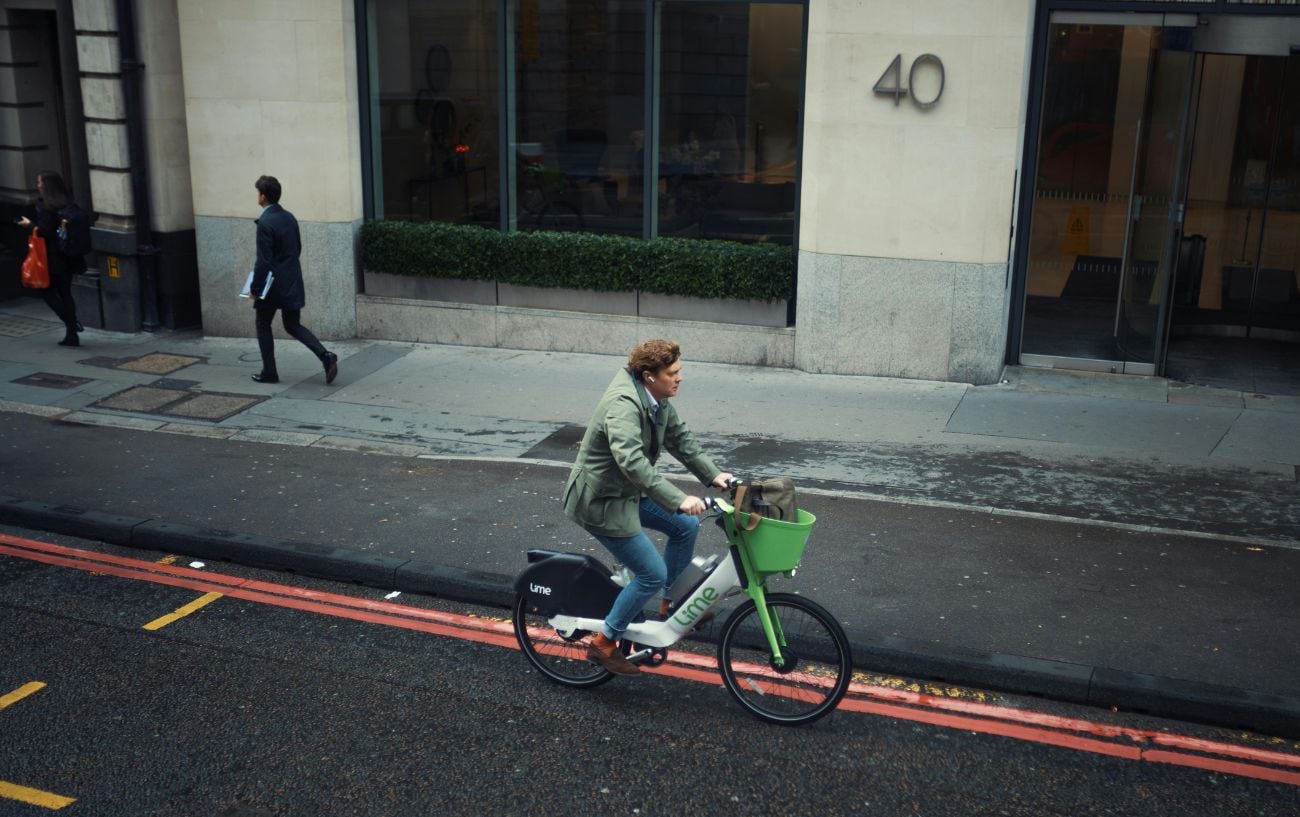
The market for e-bikes saw an explosion in the 2010s, thanks mainly to a leap in battery technology, allowing affordable lithium-ion batteries to power our bikes.
Pundits at the time worried that the new technology would make recreational cyclists lose some of their fitness. After all, if you’re just putting a motor onto an existing cyclist’s bike, surely they’re going to end up doing less exercise?
In fact, the opposite happened.
Having an e-bike actually increased the amount of cycling, and overall exercise, for both existing cyclists and newcomers to cycling.
A 2020 study into the adoption of e-bikes showed that cyclists who added an e-bike to their bike line-up increased their average daily cycling from 2.1 km (1.3 miles) to 9.2 km (5.7 miles), or an increase of around 340%.
Giving cyclists — particularly older cyclists — a mechanical boost made them more likely to actually go cycling, and made them cycle longer.
A technological intervention that removes some of the hardest parts of the workout and makes it more fun? Sounds appealing, especially for older cyclists.
Now, I’ll admit the e-bike analogy only gets us so far (super shoes still require you do to most of the work, after all), but the premise of a technology that removes many of the barriers for older people to do more cardio is compelling.

So Why Don’t We Have Super Shoes For Slow Boomers Yet?
If we accept shoe companies know about these benefits already, the question is … why aren’t there carbon-plated runners aimed at the over-60 plodder?
It feels like a slam-dunk. Drop the speed claims altogether — they’re a negative selling point (“I don’t want to go faster, I’ll probably get hurt” I can hear my dad saying).
Focus on the ability to run further and not feel so beat up afterwards.
It’s not about re-positioning the Alphafly, it’s about creating something new – the most plush, stable, and forgiving shoe you can imagine, and marketing it to slower runners – and then telling them to go slow.
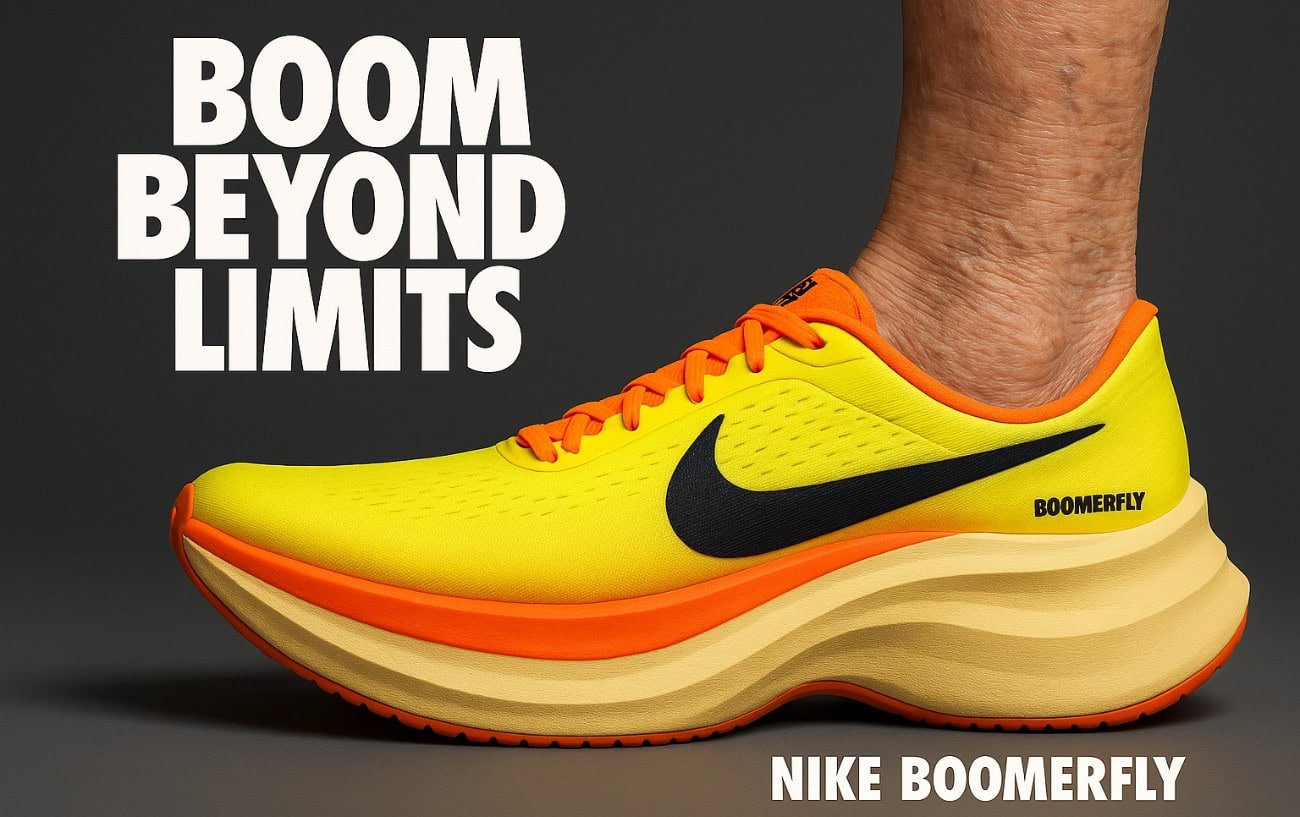
One hurdle is that shoe companies know that they’ve got to position their products next to fast and young people. Because who doesn’t want to be fast and young?
Here’s the core issue: it’s hard to market a simple fix for longevity.
What gets eyeballs when it comes to longevity?
Right now it’s the guy who takes 200 pills a day and claims his aim is to not die (and whose whole schtick is currently getting completely dismantled over on X).

The simple stuff that’s been proven to work for increasing longevity just isn’t sexy, and is hard to make any money off — but brands need to start to figure out how to cover it, in my opinion.
It’s consistency. It’s doing lots of miles (not too fast). It’s avoiding injury (see my post on ergodicity).
It’s all things that a carbon plate and supercritical foam can actually help us with, if done properly.
But I think it’s time for brands to figure this one out – otherwise they’re doing us all a disservice. In fact, with the aging population and increased discourse around longevity, it feels inevitable that a major brand will start to make in-roads in that space.
Is it time for HOKA to sponsor the National Senior Games (a.k.a the Senior Olympics – whose current sponsors include Coca-Cola, medical alert devices, and… Wet Wipes)?
Will we see brands clamouring to be on the feet of fast septuagenarians like Jeannie Rice?
My suggestion — mark your calendars — is that in 2084 we should see a Nike event where Kipchoge breaks the marathon record for a 100-year-old?
The art of a long and active life is something we all need to be thinking about, and it’s time for shoe brands to engage.

RunClub — Free
Join 300,000+ runners in RunClub
Free training plans for every distance, a daily running game, exclusive coaching content, and a real community of runners. Create your free account in 20 seconds — no card.
Already a member? Log in →





Join the conversation
Entertaining and well-played!