


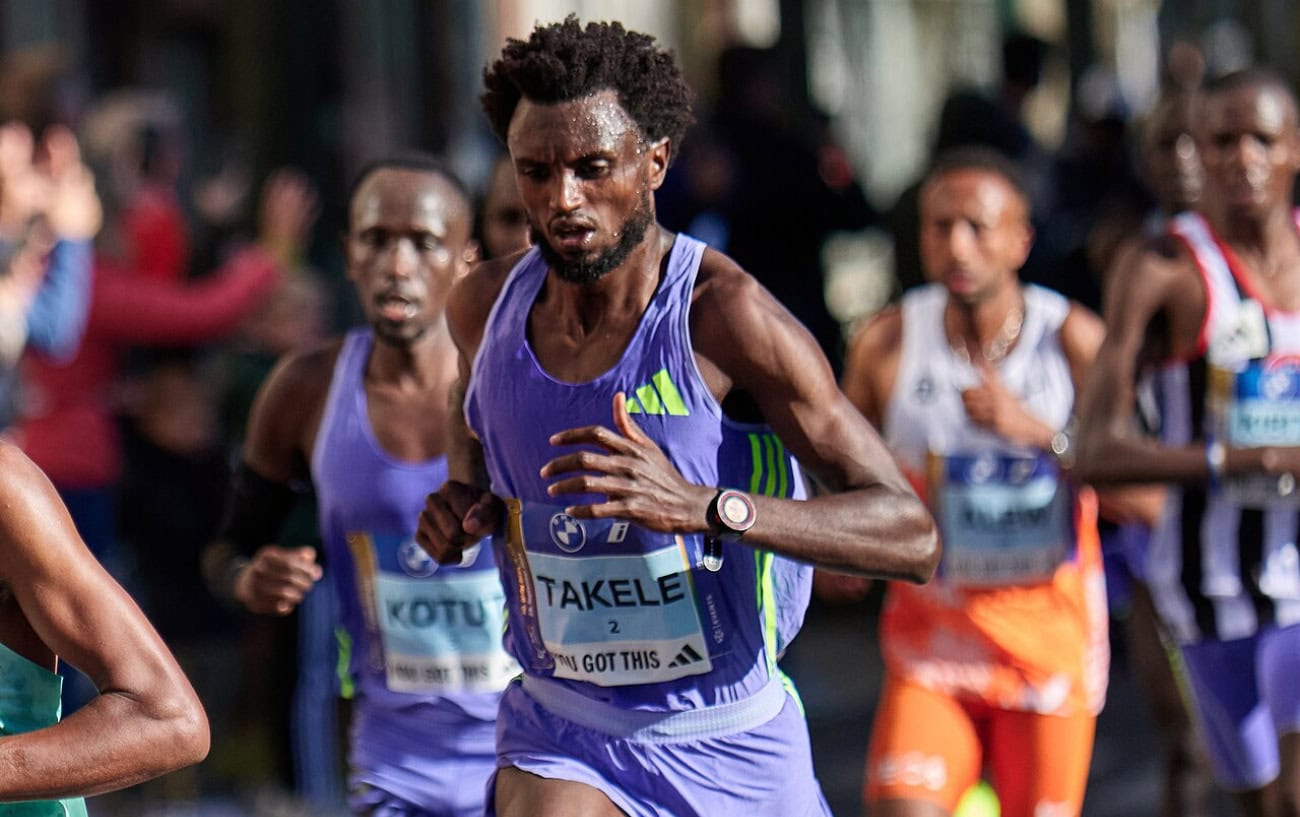
Tadese Takele is the 2026 Tokyo Marathon champion. Again.
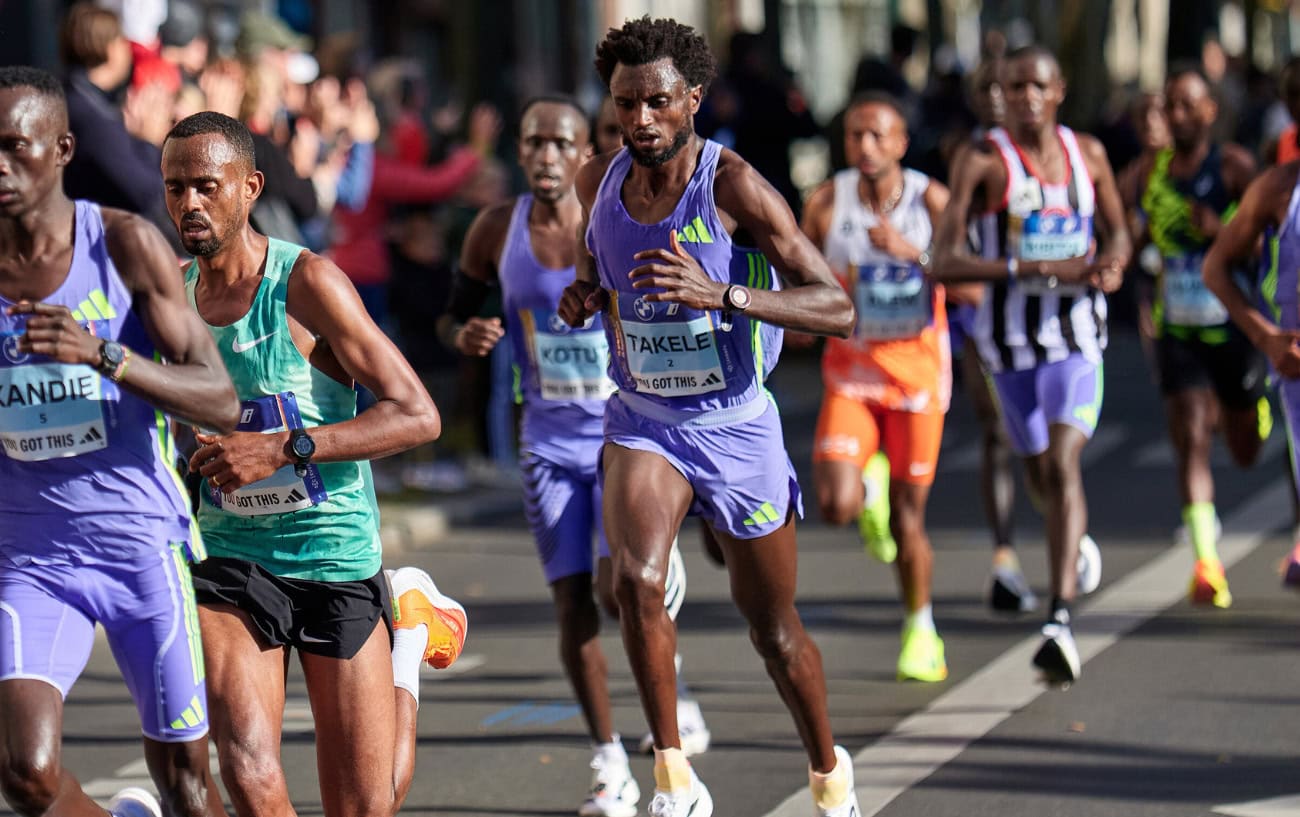
The 24-year-old Ethiopian crossed the finish line at Tokyo Station in 2:03:37, defending the title he claimed here twelve months ago — but this time he had to fight for every fraction of a second. Geoffrey Toroitich of Kenya matched him stride for stride to the line, clocking the exact same official time of 2:03:37 in what will go down as one of the closest finishes in the history of the World Marathon Majors.
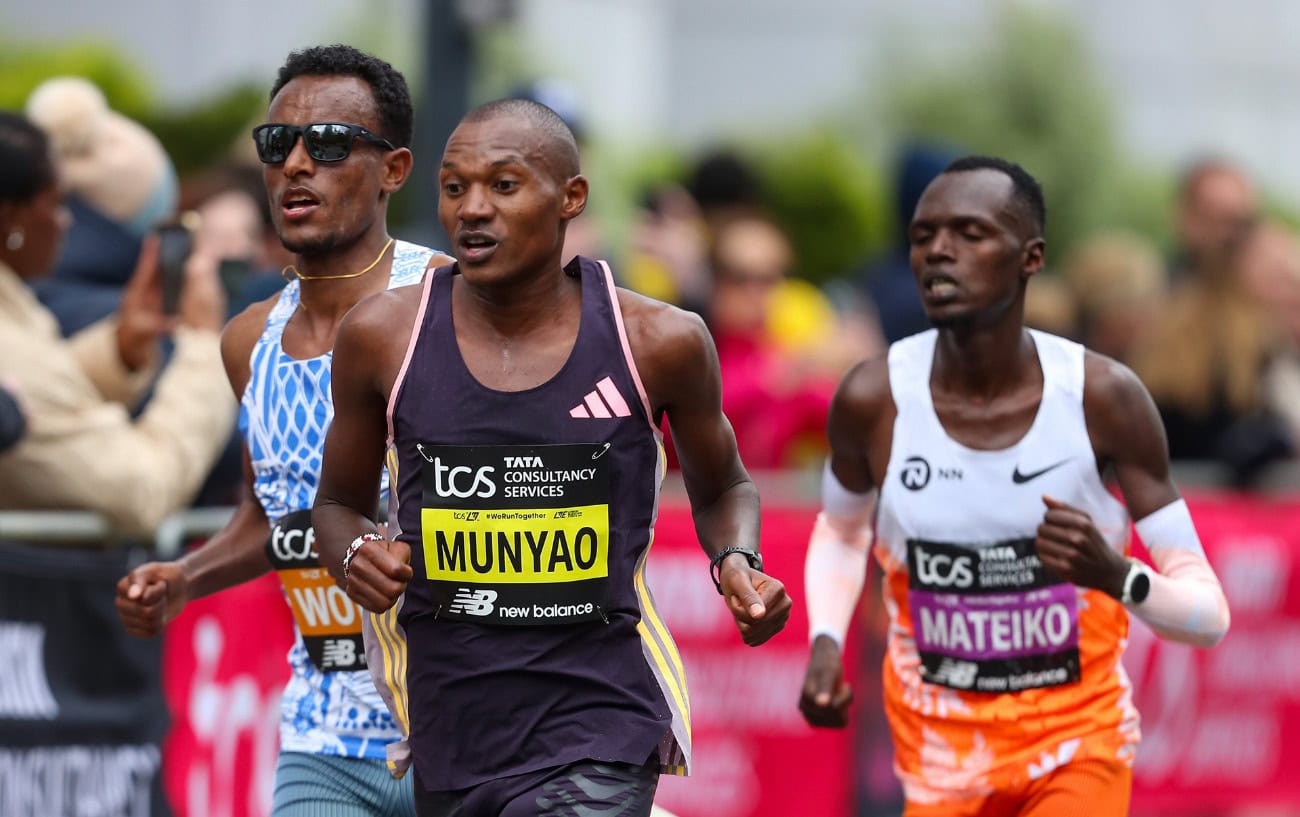
Alexander Mutiso Munyao, the 2024 London Marathon champion making his long-awaited Tokyo debut, finished third in 2:03:38 — a single second behind the two men in front of him.
The top three were separated by one second. The top four by seven. On a course where records had been discussed all week, the race delivered something rarer and more compelling than fast times: a genuine sprint finish between elite marathon runners who had somehow survived 42 kilometres together.
Takele: Back-to-Back
Twelve months ago, Tadese Takele won this race as a 23-year-old that most of the athletics world had barely heard of. He ran 2:03:23 that day, and the performance announced him as one of the most exciting young marathon runners on the planet.
Sunday’s win was harder-earned and, in its own way, more impressive. Defending a major marathon title is one of the most difficult things an athlete can do. The course is no longer unknown. The competition knows who you are. The pressure is different.
Takele handled all of it, becoming the third man in Tokyo Marathon history to win back-to-back titles. He is 24 years old and, on the evidence of what he has produced in this city over the last two years, still nowhere near his ceiling.
Toroitich’s Near-Miss and Mutiso’s Debut
Geoffrey Toroitich came to Tokyo with a personal best of 2:03:30 and had been quietly excellent across the 2025 season. He ran the race of his life on Sunday and has almost nothing to show for it in the results column — a runners-up finish, matching the winner’s time to the official second.
Marathon sport is brutal in that specific way. Toroitich ran faster than he ever has and finished second.
Alexander Mutiso Munyao’s debut on this course will have stung too. The 2024 London champion — who runs for Japanese corporate team ND Software and knows these streets as well as any foreign athlete — finished in 2:03:38, one second off the podium positions shared above him. His Tokyo debut produced the third-fastest time ever run by a man on this course. Under almost any other circumstances, it would have been a race-winning performance.
Daniel Mateiko was fourth in 2:03:44, an excellent result that in the context of the front three barely registered in the immediate post-race conversation.

The Rest of the Field
Muktar Edris, the former world 5,000-metre champion, ran a composed and intelligent race to finish fifth in 2:04:07 — a result that underlines the growing quality of track-to-road transitions among Ethiopian distance runners.
Iliass Aouani of Italy was sixth in 2:04:26, a standout European performance and further evidence that the Italian marathon programme is producing world-class talent.
Selemon Barega, the Olympic 10,000m champion who has been building his marathon career steadily, finished seventh in 2:05:00. He couldn’t stay with the front group when it mattered, but a 2:05 in Tokyo in his second marathon season is not a result to be disappointed by. The learning curve is steep, and Barega is clearly on it.
The Japanese Story
The domestic battle that Japanese fans had been most invested in produced mixed emotions.
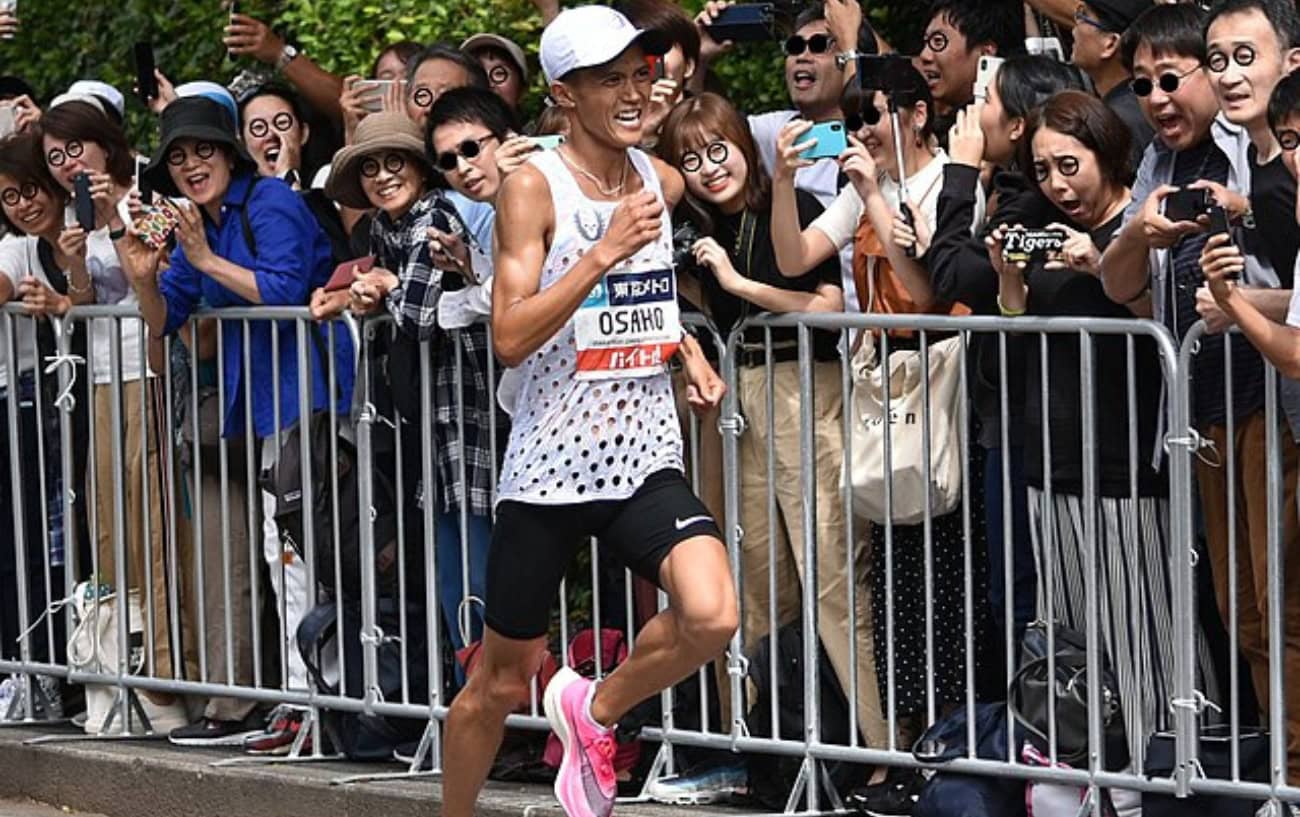
Suguru Osako, who arrived in Tokyo off a 2:04:55 national record set in Valencia last December, finished 12th in 2:05:59. The result falls short of the 2:03:59 MGC First Pass standard required for automatic Olympic qualification for Los Angeles 2028 — and it is slower than his Valencia time. Whether that reflects race-day conditions, a conservative tactical approach in a highly competitive field, or simply a difficult day, Osako remains one of Japan’s strongest marathon hopes heading into the remaining qualification window.
Kengo Suzuki, the former national record holder, finished 13th in 2:06:09 — a solid run but equally short of the Olympic mark.
Neither athlete secured MGC First Pass qualification on Sunday, meaning Japan’s road to LA 2028 marathon spots will run through the formal trials process. Japan’s deep distance running culture ensures there will be no shortage of contenders when that process unfolds.
Full Men’s Results — Top 10
| Place | Athlete | Country | Time |
|---|---|---|---|
| 1st | Tadese Takele | Ethiopia 🇪🇹 | 2:03:37 |
| 2nd | Geoffrey Toroitich | Kenya 🇰🇪 | 2:03:37 |
| 3rd | Alexander Mutiso Munyao | Kenya 🇰🇪 | 2:03:38 |
| 4th | Daniel Mateiko | Kenya 🇰🇪 | 2:03:44 |
| 5th | Muktar Edris | Ethiopia 🇪🇹 | 2:04:07 |
| 6th | Iliass Aouani | Italy 🇮🇹 | 2:04:26 |
| 7th | Selemon Barega | Ethiopia 🇪🇹 | 2:05:00 |
| 8th | Seifu Tura | Ethiopia 🇪🇹 | 2:05:02 |
| 9th | Vincent Kipkemoi Ngetich | Kenya 🇰🇪 | 2:05:21 |
| 10th | Shifera Tamru | Ethiopia 🇪🇹 | 2:05:56 |
RunClub
Get more running stories — join RunClub
Daily running news, a community of 300,000+ runners, free training plans for every distance, and a daily running game. Free to join — no card.
Already a member? Log in →





Start the conversation