


It’s early January, which means the running year feels like it’s both over and not over at all.
Most people are still in holiday mode.
The calendar has flipped, sure, but everyone’s eating leftovers, talking about “fresh starts,” and easing back into normal life. Runners don’t really get that luxury. Some of us are deep into marathon buildups. Some of us are about to race. Some of us are still very much living in the previous year, grinding through threshold workouts while everyone else is mentally done with 2025.
That strange in-between moment is where this list came from.
On the Marathon Handbook podcast, we sat down at the start of 2026 and asked a simple but slippery question: who actually matters in running right now?
Not just who ran fast last year, but who’s shaping what the sport looks like next. Who influences how we train through the holidays, what shoes we wear, which races feel important, and which conversations refuse to go away.
Influence, as we kept coming back to, isn’t one thing. Sometimes it’s a world record. Sometimes it’s a shoe designer. Sometimes it’s a podcaster, a race director, or someone who just gets a lot of people moving. Sometimes it’s a person everyone argues about.
We argued about this list. We cut it down from something closer to 50 names. We added one at the last minute. We still don’t agree on all of it.
That’s kind of the point.
What follows is our countdown of the 26 most influential people in running heading into 2026, starting at 26 and working all the way down to the person we think will define the year.
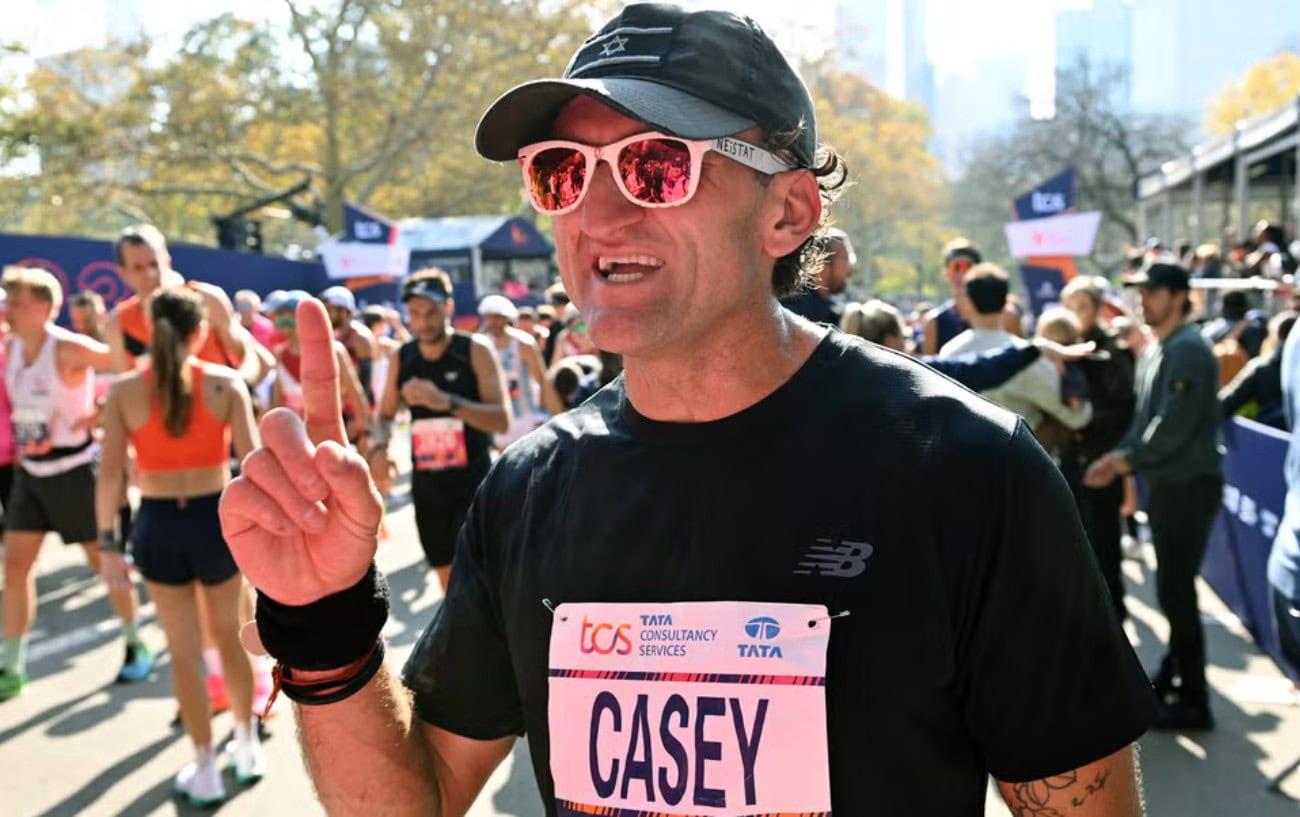
26. Casey Neistat
We started the list with Casey Neistat, and that was very intentional. He’s not famous because of running, and he’s not trying to be part of the running content economy. Running is just something he does, and it’s something he’s clearly gotten more serious about over the last few years.
Neistat runs the New York City Marathon almost every year. He’s documented it a few times, including some genuinely good New York–focused videos recently, and what caught our attention is that he’s not just jogging it for the experience.
He’s gone under three hours. In fact, he’s run 2:57, which is legitimately fast by any standard, especially for someone whose primary job is not training.
One detail that stood out to us is that when he ran New York in 2025, he didn’t do it in super shoes. He ran in regular trainers, which almost feels like an act of rebellion at this point. That choice, intentional or not, reinforces the sense that his relationship with running is grounded and personal.
What makes Neistat influential isn’t his Strava posts or his splits. It’s that running appears naturally in his life as a creative outlet, a mental reset, and a non-negotiable habit.
He has a massive audience that doesn’t tune in for running content, but they still see running woven into his day-to-day existence. That kind of exposure quietly pulls people into the sport without ever feeling like marketing.

25. Jacob Kiplimo
This was not originally on the list, and then it absolutely had to be.
There are maybe three athletes in the world right now who have a realistic shot at breaking two hours in the marathon in a legitimate, sanctioned race. Jacob Kiplimo is one of them.
If Kiplimo breaks two in 2026, he becomes a historical figure forever. There’s no nuance around that. It would be one of the defining moments in the history of the sport. Even if it doesn’t happen, the fact that it could happen bends the entire running world around him. Shoe companies think differently. Race organizers think differently. Fans pay attention differently.
There’s also the reality that if someone does break two hours, they’re almost certainly going to be wearing something revolutionary on their feet. Which leads directly into the next name on this list.
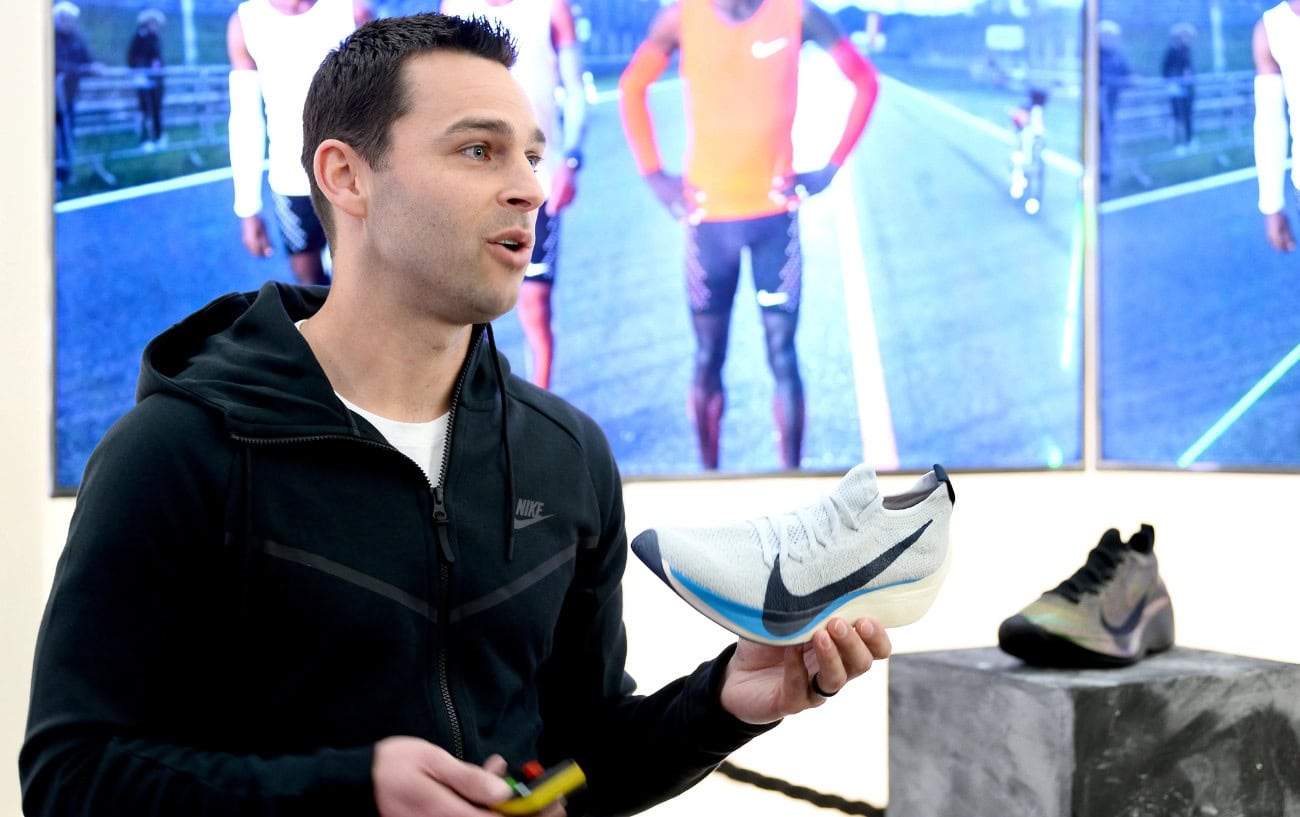
24. Brett Schoolmeester
Brett Schoolmeester is not a household name, but he might be responsible for one of the most important developments in running in 2026.
He’s a lead shoe designer at Nike, and we’ve spoken with him before. We know how seriously he thinks about this stuff, and we know Nike has been quietly gearing up for a response in the super shoe space.
Right now, Nike is in an unusual position. For a long time, they were clearly ahead. Then other brands caught up. Some would argue they’ve even passed Nike in certain categories. That’s not a place Nike is comfortable staying.
We’ve seen hints of what’s coming. There are patents floating around. There are rumors of adaptive midsoles, smart materials, and prototypes already appearing on the feet of top athletes.
Whether it’s called the Alphafly 4 or something entirely different, Nike’s next super shoe is coming, and when it does, it will have Schoolmeester’s fingerprints all over it.
If Nike reclaims dominance in this space, he’ll be one of the central figures behind it.
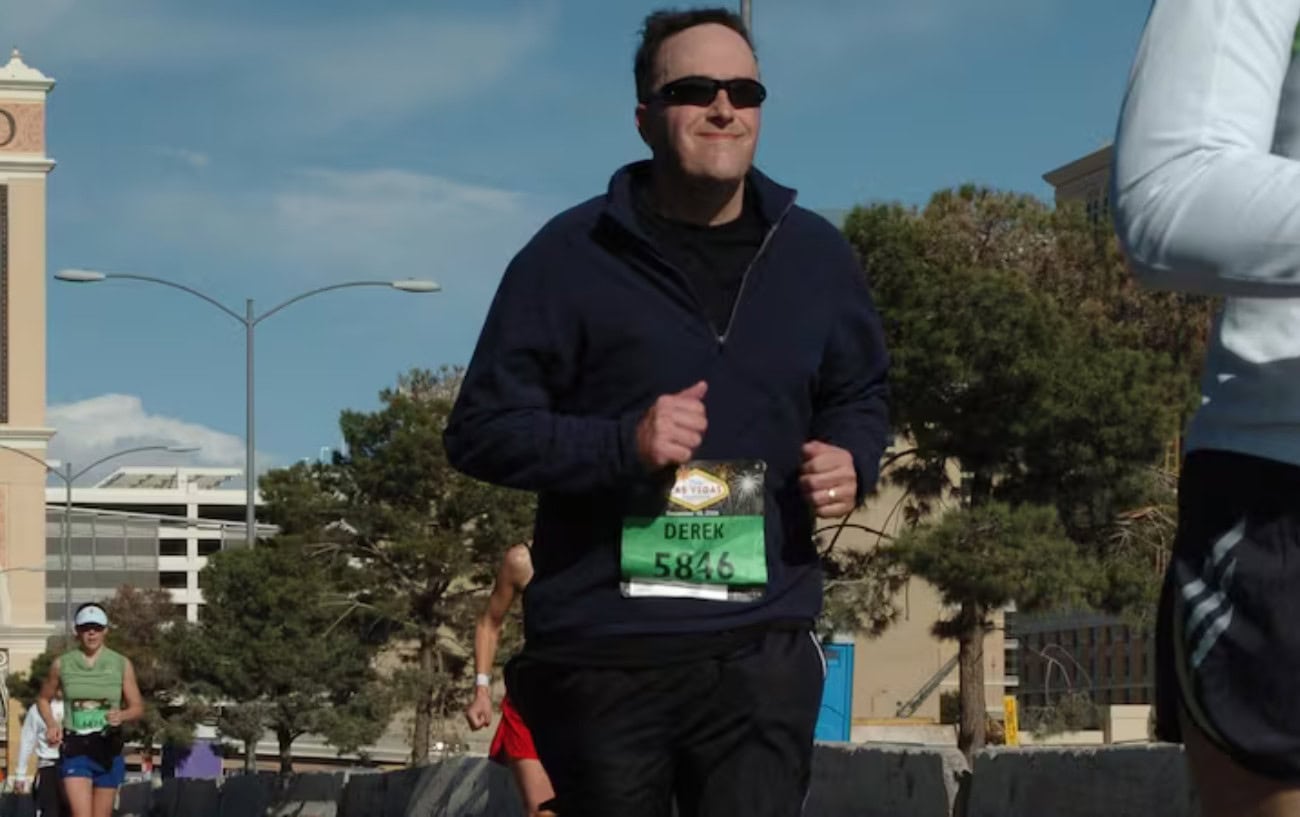
23. Derek Murphy
Derek Murphy, the person behind Marathon Investigation, is one of the most controversial names in running, and we debated him a lot. But influence doesn’t mean universally liked, and it definitely doesn’t mean comfortable.
Murphy has become the internet sleuth of marathon running, exposing course cutters and cheaters across the spectrum, from recreational runners to people near the front of races. If you end up on his site or his social feeds, you’re having a very bad day.
What matters is that his work has changed behavior. People are more cautious. People think twice. The idea that someone might actually scrutinize results has introduced a level of accountability that didn’t really exist before.
For some of us, this hits close to home. Cheating doesn’t just affect podiums, it affects trust. Integrity matters whether you’re elite or recreational. Love him or hate him, Murphy is trying to enforce that, and in a sport that’s had a rough year for credibility, that makes him influential.
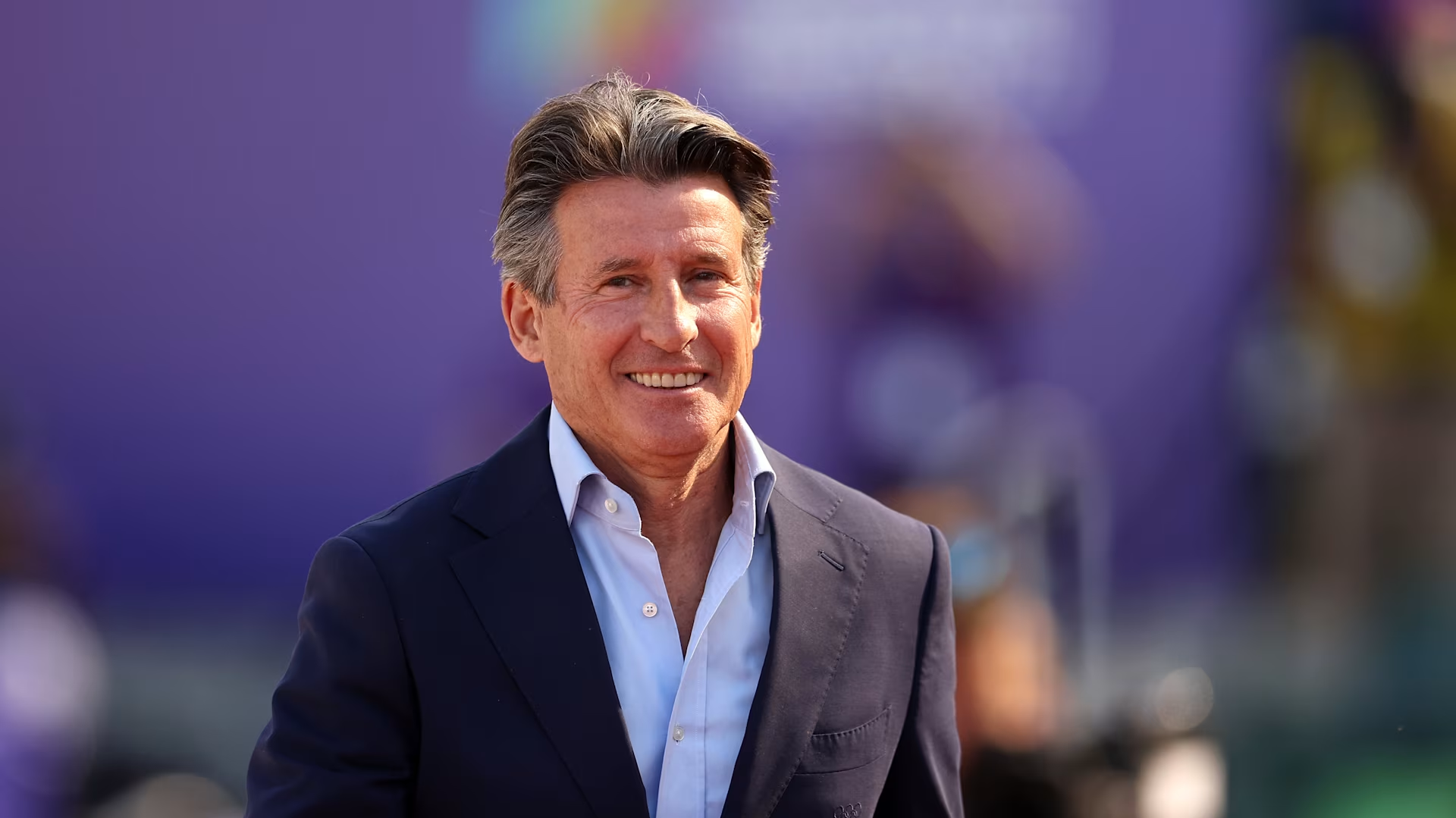
22. Sebastian Coe
Sebastian Coe remains the most powerful person in the institutional side of running. As head of World Athletics, he’s the sport’s top bureaucrat, and heading into 2026, his influence is arguably growing.
The Grand Slam Track League, which once looked like a serious challenger to World Athletics’ dominance, has effectively collapsed. That clears the path for World Athletics to reassert itself as the unquestioned governing force in track and field.
One of Coe’s big initiatives is the Ultimate Championships, a new concept with a significant prize purse designed to make professional track more compelling. Whether it succeeds or not remains to be seen, but the money, the structure, and the rules all flow through Coe’s leadership.
World Athletics has the platform. The question, as always, is whether it can get out of its own way. Either way, Coe is still pulling the levers.

21. Diplo
Diplo was one of the more contentious picks on this list. He doesn’t run much. His biggest weeks aren’t particularly big. And no one is mistaking him for an elite athlete.
But influence isn’t about mileage alone. Diplo hosts large run clubs and 5K events across the U.S., often tied to concerts or social gatherings. People show up. People move. People who never would have considered themselves runners suddenly find themselves in a running environment.
That matters. Getting people into the sport, even casually, is influence. He’s not optimizing performance. He’s expanding the funnel.
We came around on Diplo because when you zoom out, the number of people he’s introduced to running probably outweighs the number of people he personally inspires through training discipline.

20. Matt Taylor
Matt Taylor is the founder of Tracksmith, and Tracksmith is the brand that essentially kicked off the modern indie running movement. For a long time, they stood alone in that space. That’s no longer the case.
The indie running landscape is crowded now. New brands are popping up constantly. Some are more performance-focused. Some are more fashion-forward. Tracksmith now has shoes, trail ambitions, and a much broader footprint than when it started.
That puts 2026 in a really interesting place for both Taylor and the brand. This feels like a make-or-break year. Do they double down on performance? Do they lean harder into lifestyle? Do they try to straddle both?
Whatever direction Tracksmith takes next will say a lot about where the indie side of running is headed as a whole.
19. Nick and Tim West
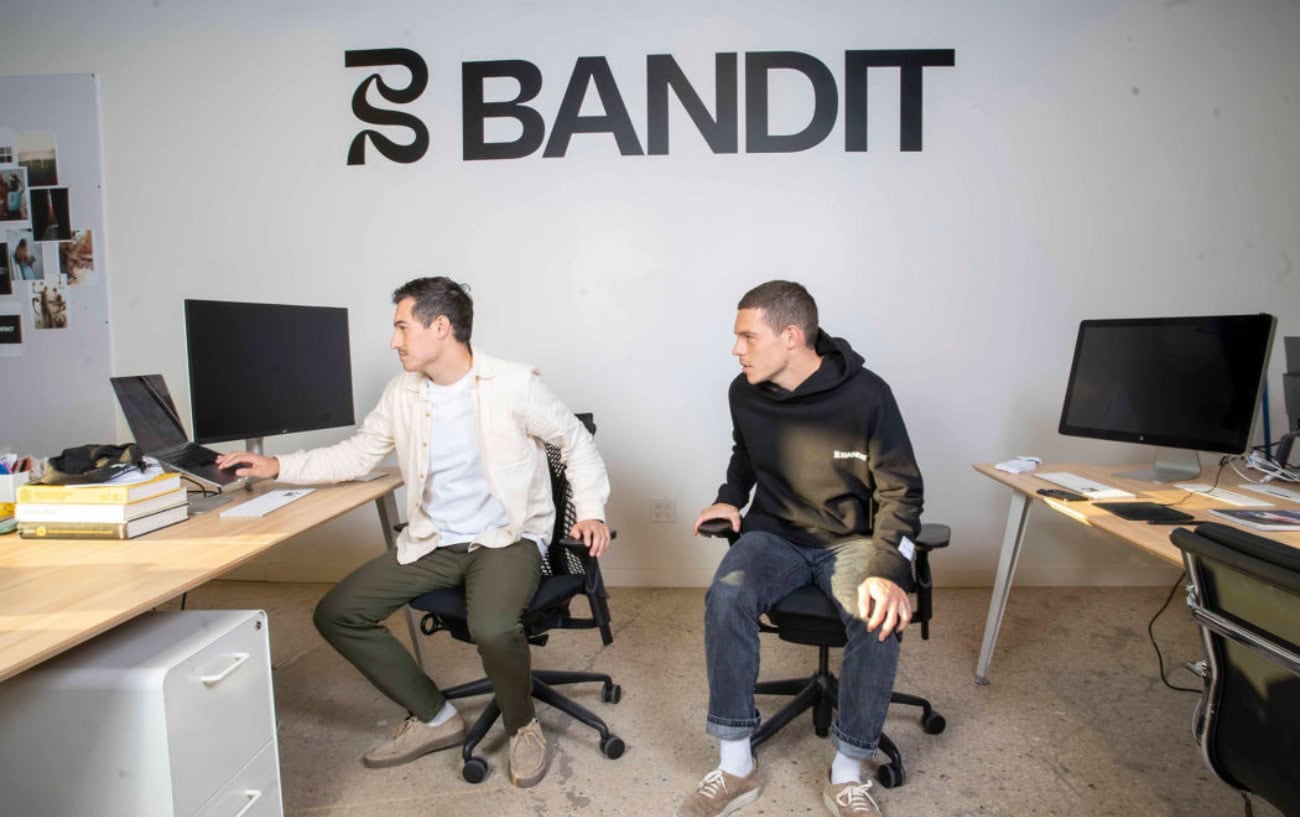
Coming in at 19 are Nick and Tim West, the brothers behind Bandit, which is probably the most talked-about indie running brand in the road space right now. A few years ago, hardly anyone knew who they were. Now, if you go to a major marathon, Bandit is unavoidable.
They’ve built this very specific New York–centric presence, pop-ups in borrowed retail spaces, limited drops, lines down the block. It feels intentional, curated, and very much of the moment. They started as a sock company during the pandemic, which makes the speed of their rise even more impressive.
What makes Bandit interesting isn’t just the gear, it’s who they’re connecting with.
They’ve clearly tapped into a younger, Gen Z audience in a way that few running brands have managed to do. There’s also the ASICS connection, which has fueled plenty of speculation about where the brand could go next, including the possibility of acquisition down the line.
We placed Bandit just above Tracksmith because the momentum feels different right now. The trend line for Bandit is pointing up. Whether it stays there is an open question, but in 2026, they’re very much part of the conversation.
18. Des Linden and Kara Goucher
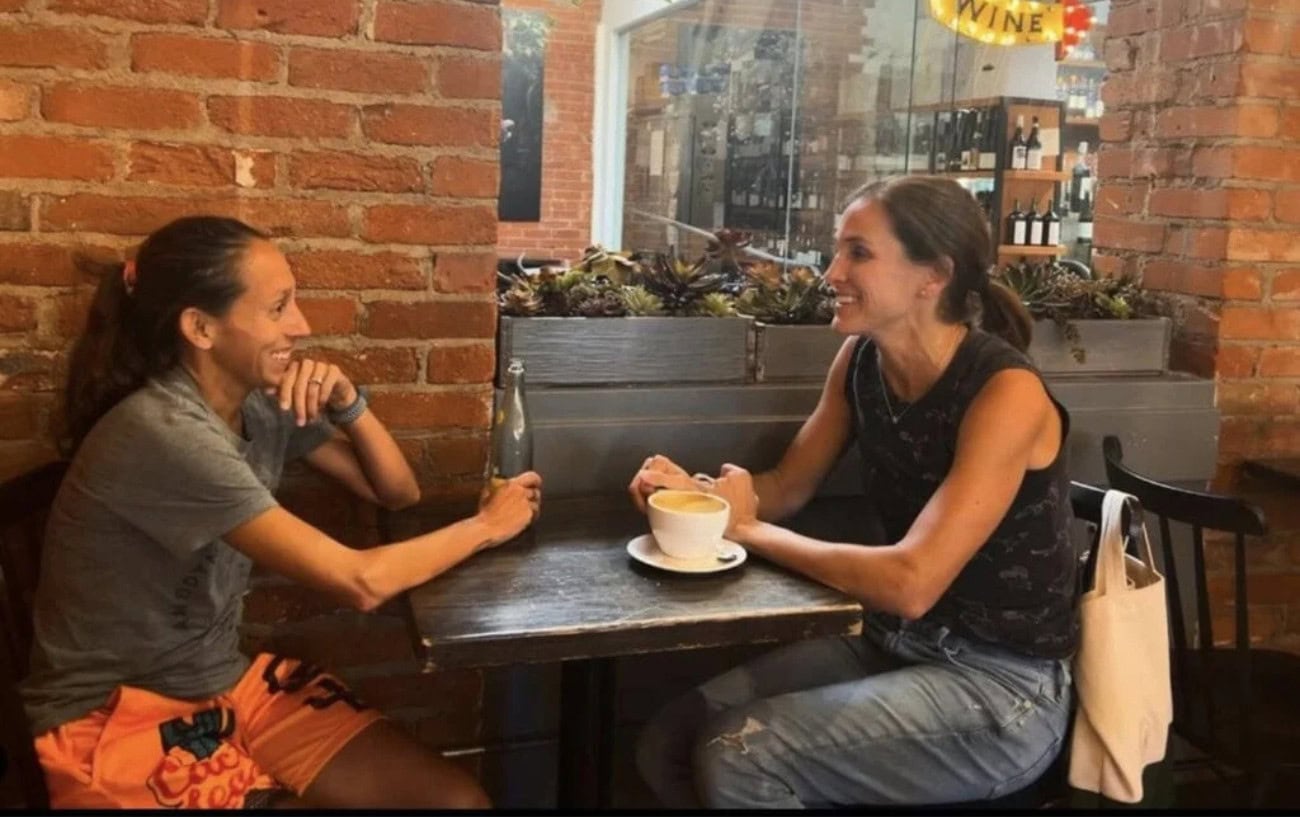
There have been plenty of elite runners who tried to pivot into media. Most of them flame out. Des Linden and Kara Goucher haven’t, and that’s not an accident.
Between the two of them, they’ve lived nearly every version of elite running. Goucher came up through the NCAA system, made Olympic teams, and spent years inside Nike’s most intense performance environment. Des won Boston, transitioned into trail running, and continues to race at a high level.
Together, they can speak credibly about almost any corner of the sport.
Their podcast, Nobody Asked Us, works because they don’t pretend to be detached observers. They’re insiders who’ve seen how the sausage is made, and they’re willing to talk about it. People trust them, and in a sport that often struggles with transparency, that trust carries real weight.
17. Hugh Brasher
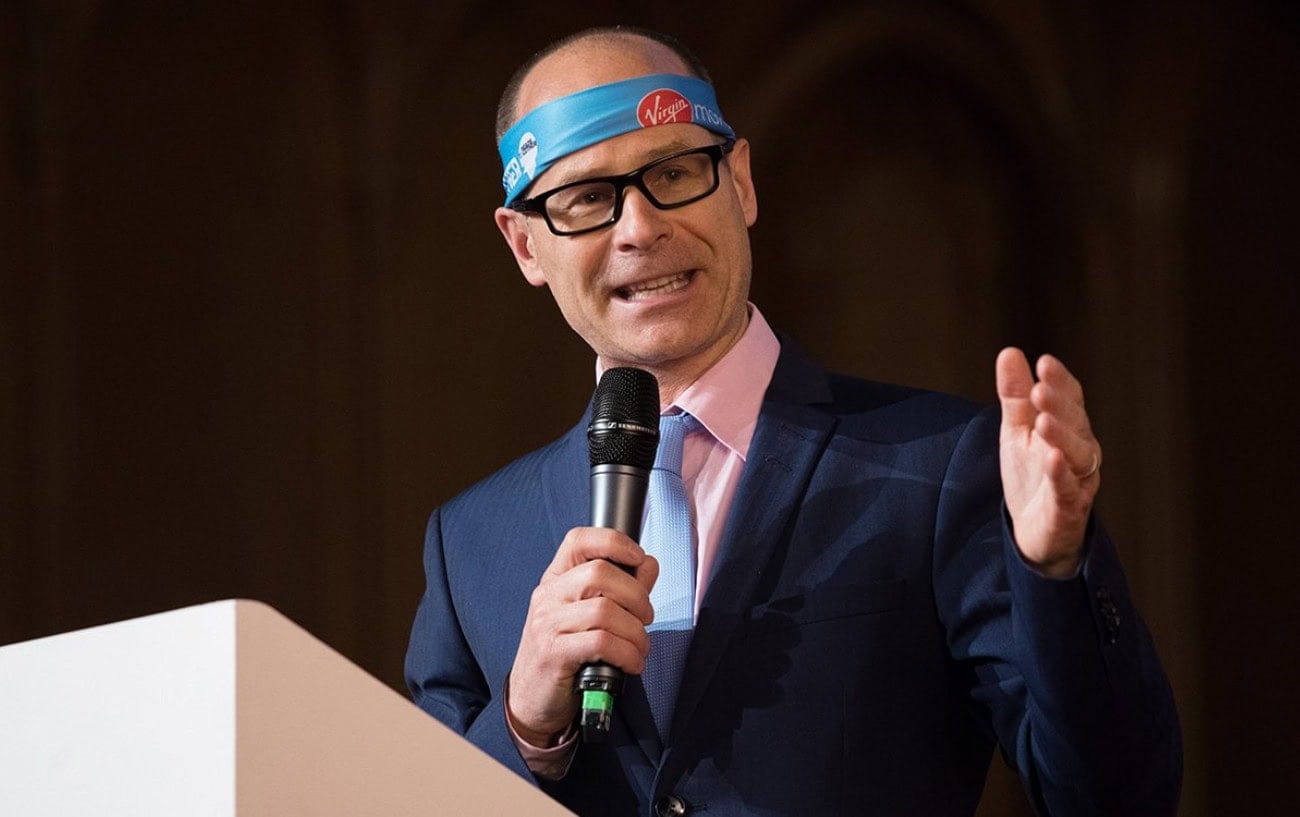
Hugh Brasher is the race director of the London Marathon, and London is arguably the most influential marathon on the calendar. Yes, it’s a World Marathon Major, but it’s also the race that consistently sets the tone.
London spends aggressively on elite fields. They chase world records. They push the women’s-only record narrative year after year. They draw enormous lottery interest, with close to a million people applying to get in. Whatever London does, the other majors respond to.
There’s also the constant rivalry with New York over who hosts the biggest and most important marathon in the world. That competition drives innovation, spectacle, and ambition, and Brasher is at the center of it.
If London decides to chase a sub-two-hour attempt or reframe how elite racing looks in the spring, the ripple effects are immediate.
16. Rob Simmelkjaer
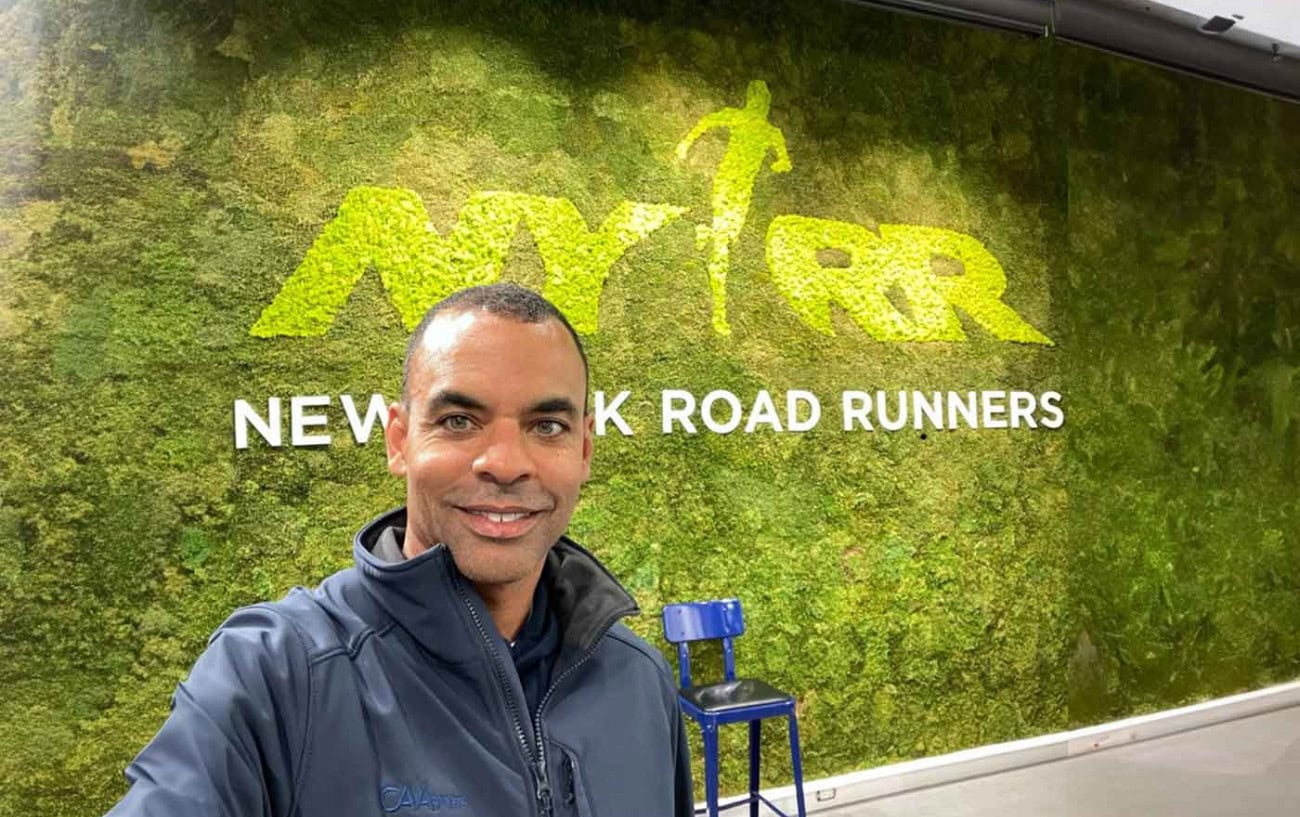
Rob Simmelkjaer isn’t a household name, but he runs one of the most powerful organizations in the sport. As CEO of New York Road Runners, he oversees the New York City Marathon, the NYC Half, and a slate of races that define running culture in one of the world’s biggest cities.
New York remains the largest marathon on the planet by finishers, and it’s still pushing toward new participation records. The race isn’t just a competition, it’s a global event, a media spectacle, and a cultural moment.
Placing Simmelkjaer right next to Hugh Brasher wasn’t accidental. London and New York are in constant conversation, whether they admit it or not. What one does, the other responds to. That kind of influence doesn’t require fame, just control of the stage.

15. LetsRun
LetsRun is complicated, and it always has been. The message boards are chaotic. The tone can be brutal. And if you’re an elite athlete, reading what people say about you there is probably a terrible idea.
But Weldon Johnson, Robert Johnson, and Jonathan Gault have become some of the most important truth-tellers in the sport. When doping scandals broke in 2025, including cases that many people were hesitant to talk about, LetsRun talked about them anyway.
They don’t prioritize being liked. They prioritize being early and being direct. In a year where uncomfortable conversations needed to happen, that role mattered. A lot.
You don’t have to love LetsRun to acknowledge its influence. It shapes narratives, forces discussions, and refuses to let certain stories disappear quietly.
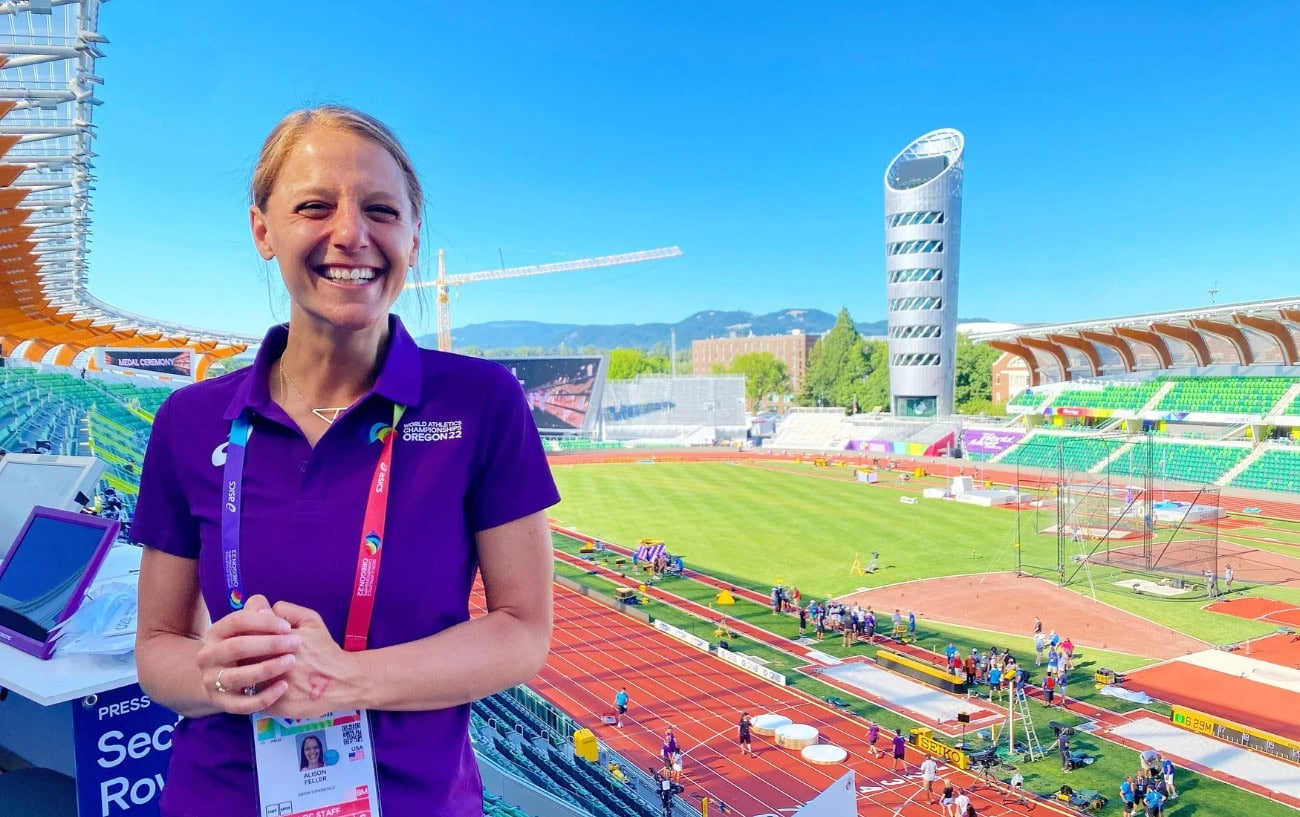
14. Ali Feller
Ali Feller has built one of the biggest running podcasts in the world, and she’s done it the slow way. Episode by episode. Year by year.
Ali on the Run works because it isn’t focused on one type of runner. She talks to elite athletes, middle-of-the-pack runners, race directors, parents, people coming back from injury, and people discovering running for the first time. Everyone feels welcome.
She’s also been open about her own health challenges, which has deepened the connection with her audience. In a sport that can sometimes feel obsessed with performance, her willingness to be candid has created something more human.
At this point, almost everyone in running has either been on her podcast or will be. That kind of reach and trust is influence.
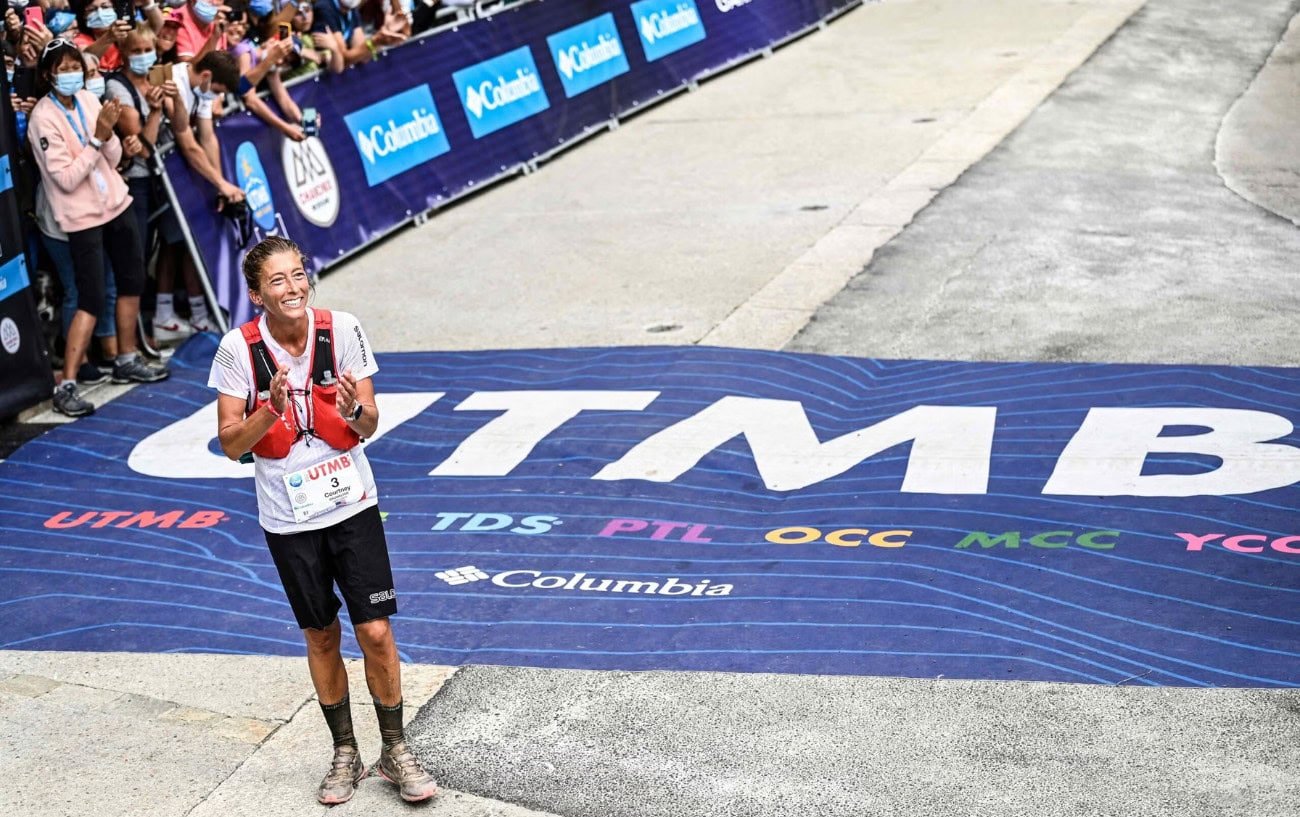
13. Courtney Dauwalter
Courtney Dauwalter has spent years dominating ultrarunning, and then in 2025, she decided to see what would happen if she took the roads seriously. The result was a 2:38 marathon at CIM, run in her usual Courtney style, baggy shorts, oversized shirt, and zero concern for expectations.
That performance forced a recalibration. Trail runners are fast. They always have been, but seeing someone come off 100-mile races and run a competitive marathon at that level made it impossible to ignore.
Courtney has already hinted that she wants to race the marathon again, and the idea that she could chase an Olympic Trials qualifying time is no longer absurd. At the same time, she’s still committed to races like Hardrock, where she’s set to face off with Katie Schide again.
Whatever Courtney does in 2026, she does it on her own terms, and the sport bends to watch.
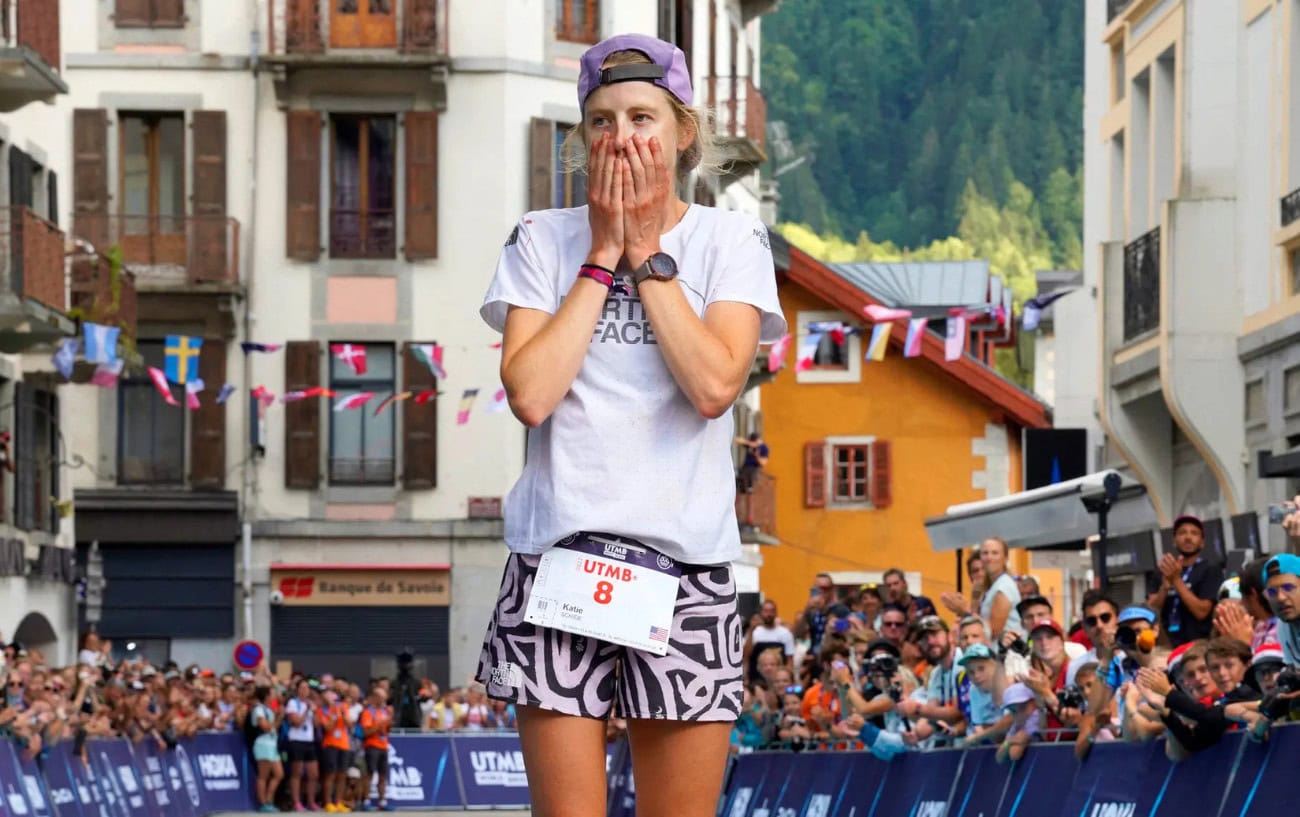
12. Katie Schide
Katie Schide has quietly become one of the most dominant forces in women’s trail running, and heading into 2026, she’s right in the middle of what could be a defining stretch of her career.
Over the past couple of years, she’s stacked up wins at the biggest races in the world, including UTMB, and she’s taken course records that once belonged to Courtney Dauwalter herself.
What makes Schide’s position especially compelling is the looming head-to-head.
She and Dauwalter haven’t raced each other since Western States in 2023, where Courtney won and Katie finished second. Since then, both have continued to level up, but largely on separate paths.
Schide set the Hardrock course record by becoming the first woman to break 26 hours. Dauwalter won Hardrock the following year. Now they’re finally lined up to meet again.
Age and trajectory matter here too.
Schide is in her early 30s, very much in her prime, and still ascending. If she puts together another big win in a direct matchup at a race like Hardrock, she doesn’t just win a race, she reshapes the hierarchy of women’s ultrarunning.
That’s why she sits just outside the top ten.
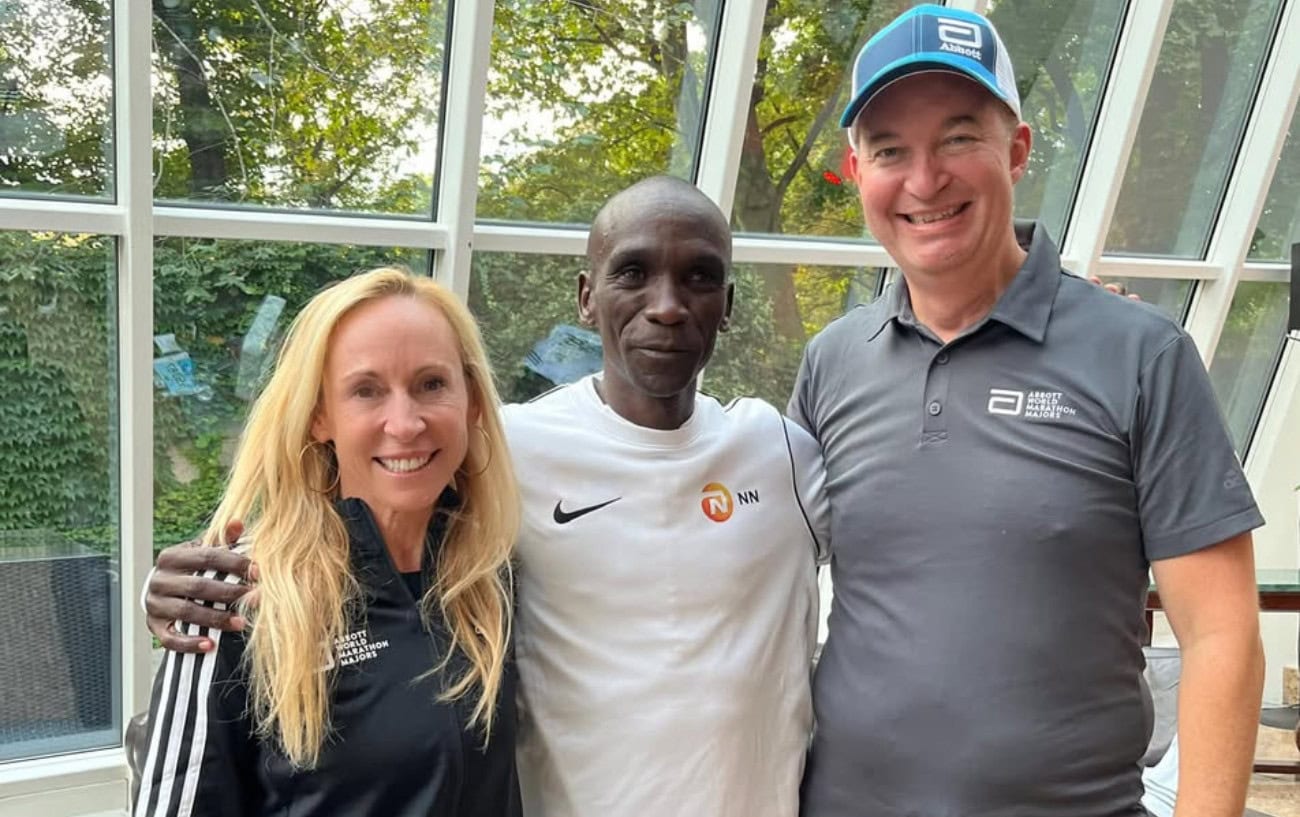
11. Donna Stone
Donna Stone isn’t someone most runners recognize by name, but she has enormous influence behind the scenes. As an executive at Abbott World Marathon Majors, she’s deeply involved in decisions that shape the most powerful race series in the sport.
World Marathon Majors is at a critical point.
Sydney has just been added. Cape Town is widely expected to follow. Shanghai and other global races loom as possibilities. Expansion brings opportunity, but it also brings risk. Add too many races and the brand loses meaning. Move too fast, and the flagship events suffer.
Stone’s job isn’t just growth, it’s protection. She has to ensure Berlin stays fast, Boston stays special, Chicago stays reliable, and London doesn’t lose its magic, all while pushing the series forward.
Where WMM goes in 2026 and beyond will say a lot about what the marathon world values, and she’s one of the people steering that direction.

10. Lazarus Lake
Lazarus Lake feels like a permanent fixture on lists like this because no one else does what he does. The Barkley Marathons exists in a category of its own, not because of prize money or media coverage, but because of how carefully it’s been constructed.
The race isn’t livestreamed. There’s no official tracking. Coverage arrives through scraps of information and word of mouth. Most years, no one finishes. That scarcity is the point. But it only works if the difficulty is calibrated perfectly.
When Jasmin Paris became the first woman to finish Barkley, Laz responded by making the race harder. When too many people finished, he made it harder again. When no one finished, the myth grew. His job is to keep Barkley balanced on that knife edge, and somehow, year after year, he pulls it off.
That level of control over narrative and attention is rare in any sport.
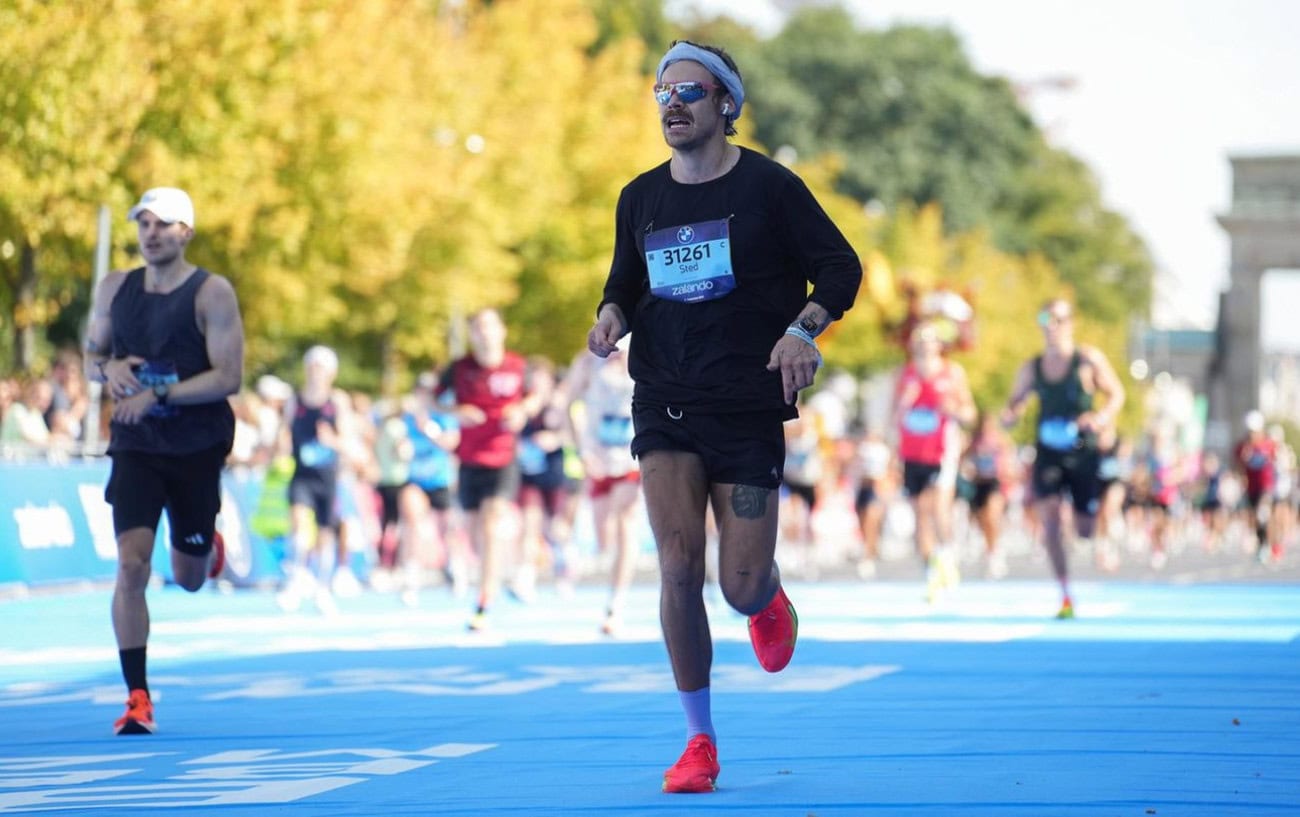
9. Harry Styles
Harry Styles didn’t just show up and jog a marathon. He trained. He took it seriously. And he ran 2:59, which immediately put him in a different category than most celebrity runners.
What makes Styles influential isn’t just the time, it’s the intent. He clearly wants to get better. He’s young. He’s close to a Boston qualifying time, and the idea that he could chase that next is genuinely interesting.
There’s also something cultural happening here. Styles makes running fast look cool, not ironic. He treats it as a legitimate pursuit, not a novelty. When someone with that kind of platform embraces the grind, it resonates far beyond the running bubble.
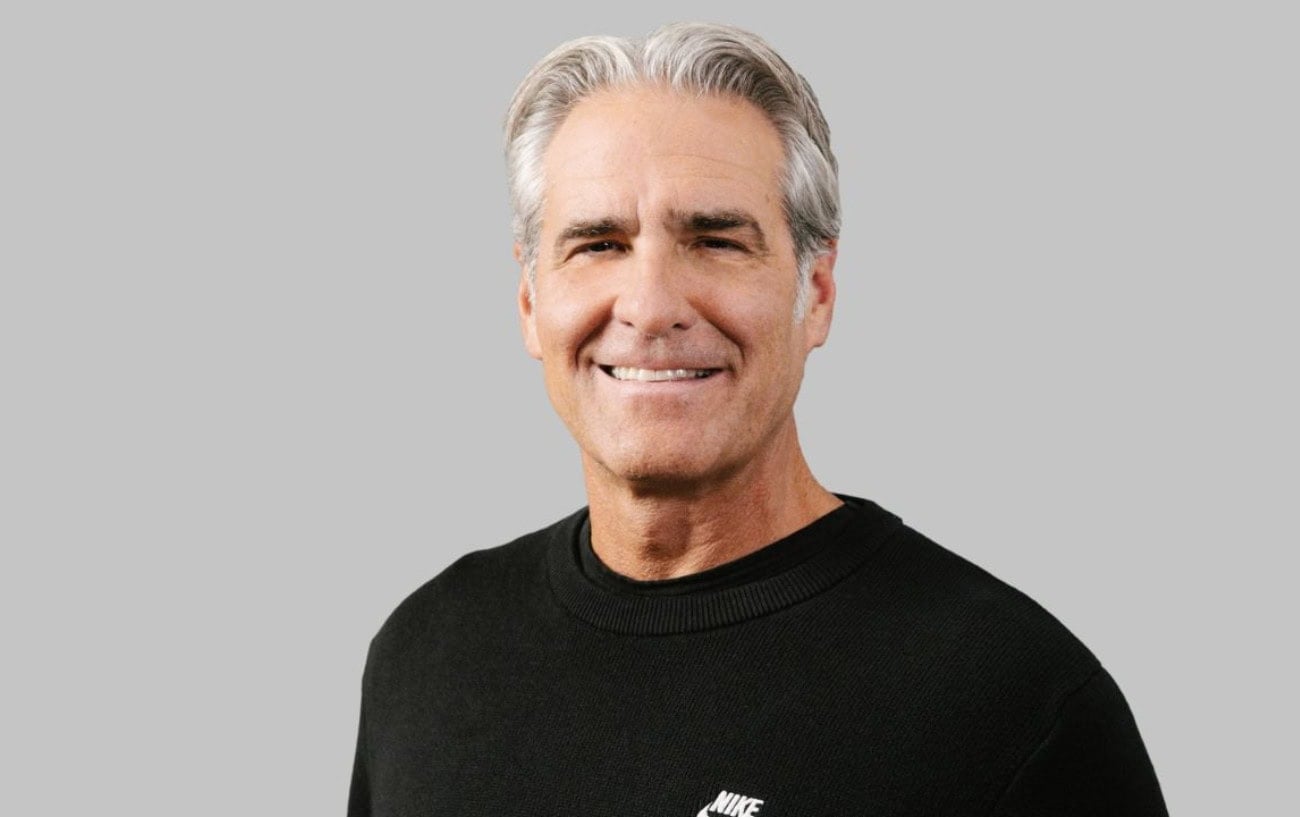
8. Elliott Hill
Elliott Hill steps into 2026 with a full plate. As CEO of Nike, he’s responsible for far more than running, but running still sits at the core of the brand’s identity. And right now, Nike is in a transitional phase.
Kipchoge is no longer dominating the marathon world the way he once did. Other brands have surged ahead in the super shoe arms race. Nike has reworked much of its shoe lineup, but there are still holes to fill, especially at the very top.
Hill is a Nike lifer, which matters. He knows the company from the inside out. The decisions he makes around innovation, athlete storytelling, and risk-taking will shape how Nike reasserts itself in running, or whether it continues to play catch-up. Either way, his influence will ripple throughout the sport.

7. Sebastian Sawe
Sebastian Sawe ran one of the most impressive marathons in recent memory when he clocked 2:02 in Berlin under brutal conditions. It wasn’t just fast, it was authoritative. That performance firmly placed him in the conversation as the athlete most likely to break two hours in a legitimate race.
What elevates Sawe further is how he’s been positioned in the clean sport conversation. In a moment when trust in marathon performances has been shaken, Sawe has been highly tested and openly framed as an athlete with nothing to hide. That matters more than ever.
If someone breaks two hours soon, the sport desperately needs it to feel unquestionable. Sawe represents that possibility, both in performance and credibility.

6. Tigst Assefa
After everything that happened in women’s marathon running last year, Tigst Assefa feels like the athlete the sport needs right now. With world records clouded by doping cases and credibility taking real hits, Assefa represents something simple and badly needed: performances that feel clean, repeatable, and believable.
From our perspective, her 2:11 still stands as the benchmark that actually matters. It’s the time that runners, fans, and media can look at without hesitation. She doesn’t come with theatrics or complicated narratives. She shows up, runs fast, and keeps doing it.
Going into 2026, the hope, and the expectation, is that Assefa puts together another big year. Not just to win races, but to help clean up the mess left behind. In a strange way, she’s become a stabilizing force in the women’s marathon, and that’s a lot of influence for someone who lets her running do almost all the talking.
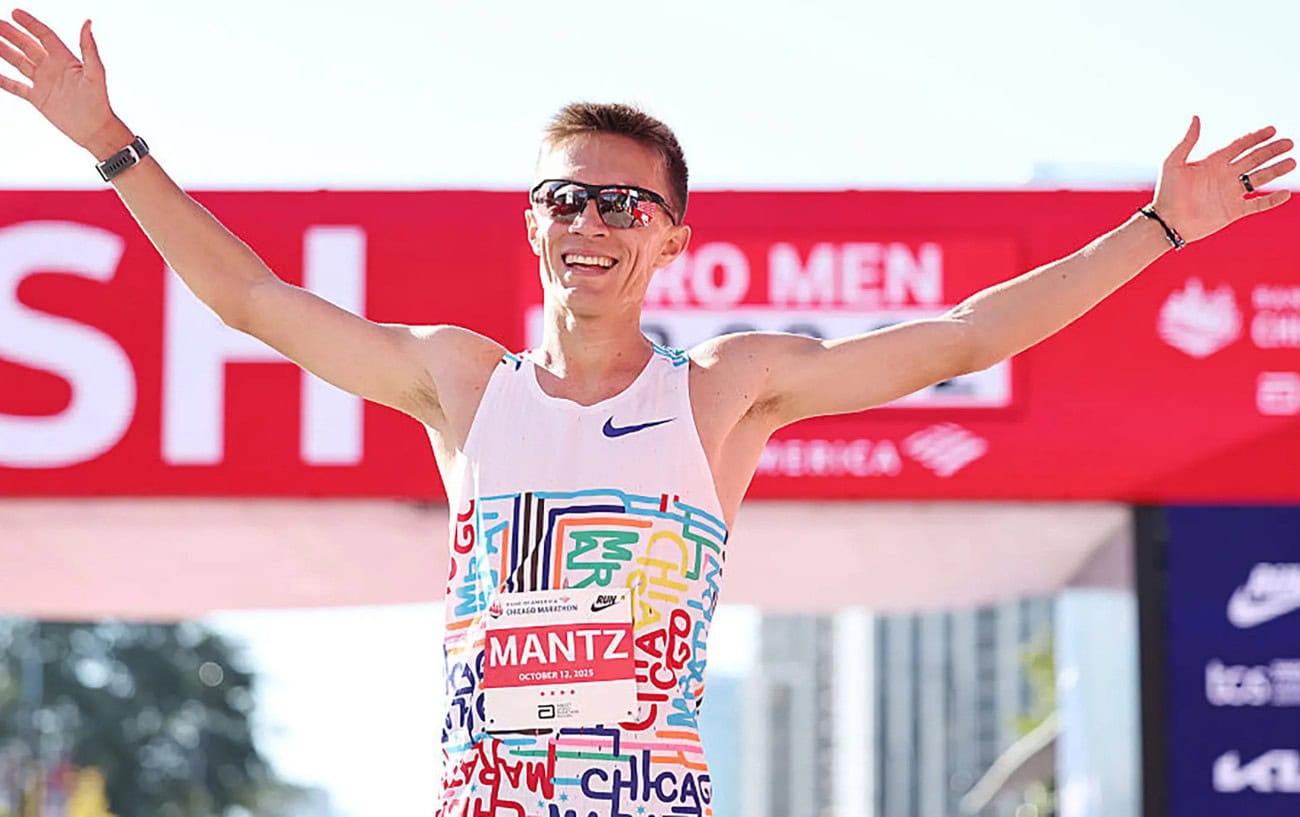
5. Conner Mantz
Conner Mantz might be the most important American distance runner in a generation, not because he’s already won a major, but because of what he’s changed psychologically. For years, American men showed up to major marathons hoping to survive near the front. Mantz shows up expecting to contend.
In the span of about a year, he went from a solid domestic runner to breaking the American half marathon record, threatening podiums at Boston and Chicago, and becoming someone the global field actually watches. That shift matters. It changes how other Americans train, race, and think about what’s possible.
He also carries himself well. He’s open, thoughtful, and seems genuinely unfazed by the pressure. In 2026, the question isn’t whether Mantz belongs at the front. It’s when he finally steps onto a major podium. When that happens, it will feel like a culmination of something much bigger than one race.
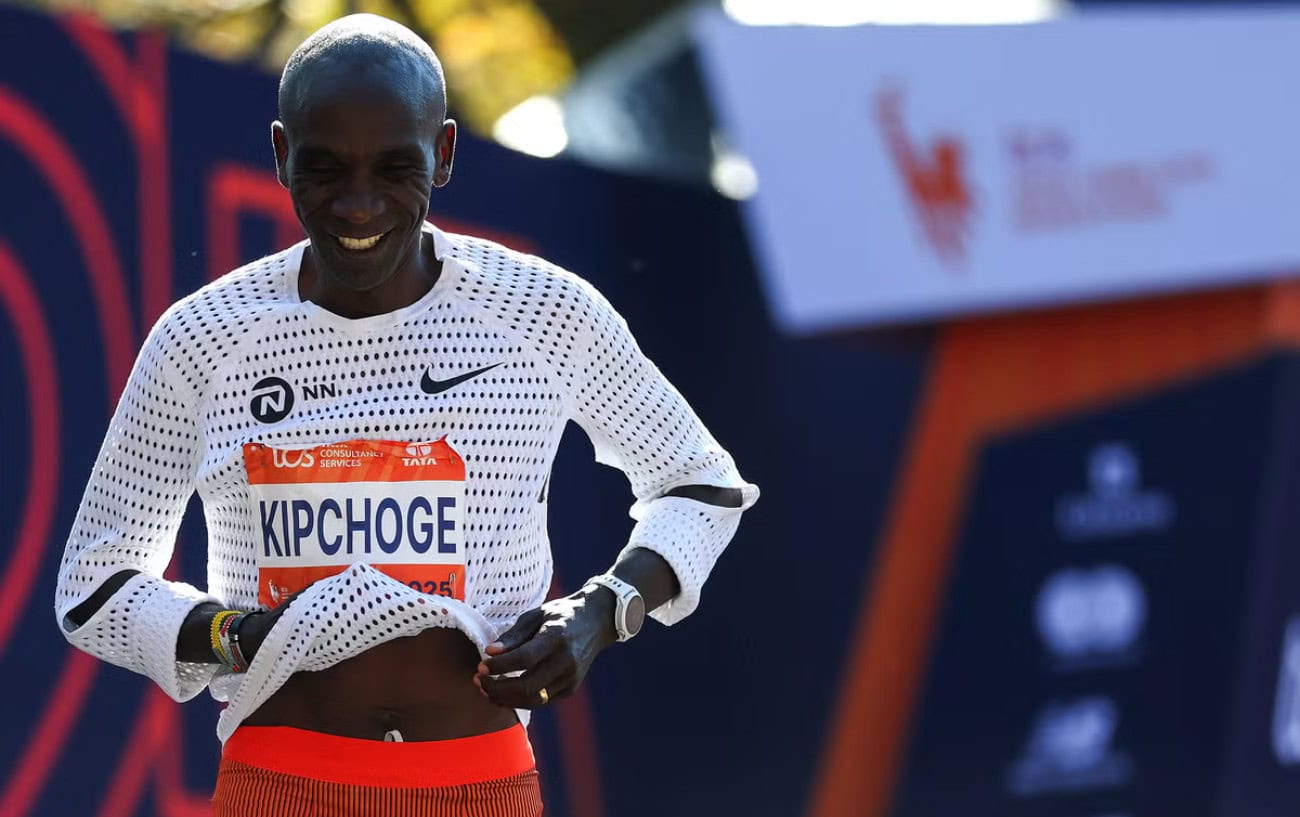
4. Eliud Kipchoge
It feels strange to rank Eliud Kipchoge anywhere outside the top spot, but that’s where we are now. His era of dominating marathon podiums appears to be winding down, but his influence hasn’t faded at all.
Kipchoge has moved into a different phase of his career, one defined more by legacy than results. He’s talked about running marathons around the world, exploring new challenges, even dipping into trail running. Whatever he chooses to do, it becomes an event, simply because it’s him.
More importantly, the sport is now defined by the question of what comes after Kipchoge. Every brand, every athlete, every storyline is measured against the void he’s leaving behind. That alone keeps him near the top of this list.
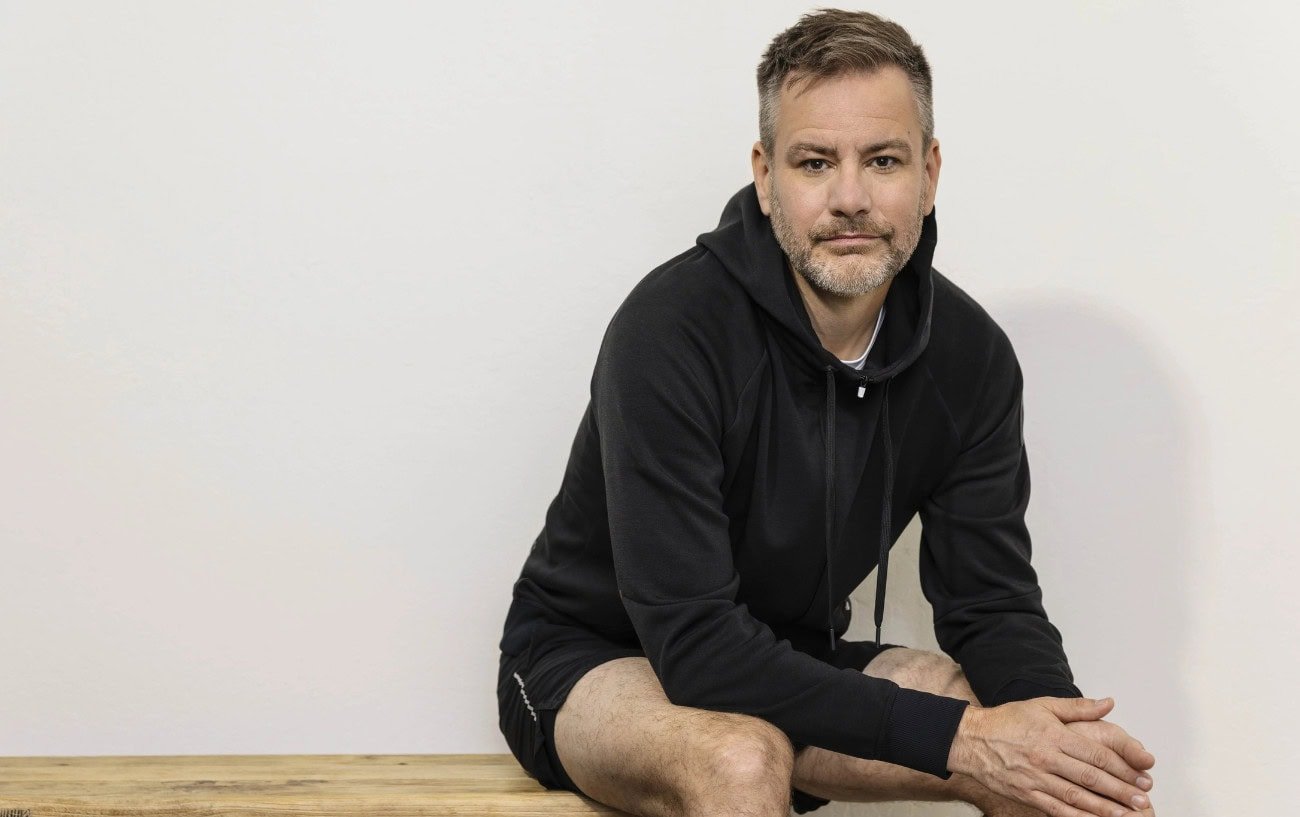
3. Michael Martin
If you’re a runner in 2026, there’s a very good chance Strava is part of your life. It’s no longer just a digital training log. It’s where people discover races, follow athletes, share workouts, and increasingly, build community.
Michael Martin, Strava’s CEO, has quietly overseen a shift in how the platform functions. It’s become more social, more integrated, and more central to the running ecosystem. There are hints of where it could go next, from deeper coaching tools to e-commerce integration to tighter connections with race organizations.
Strava has something close to a monopoly on running data and attention. What Martin chooses to do with that power will shape how runners interact with the sport on a daily basis. That’s enormous influence, even if it mostly operates behind the scenes.
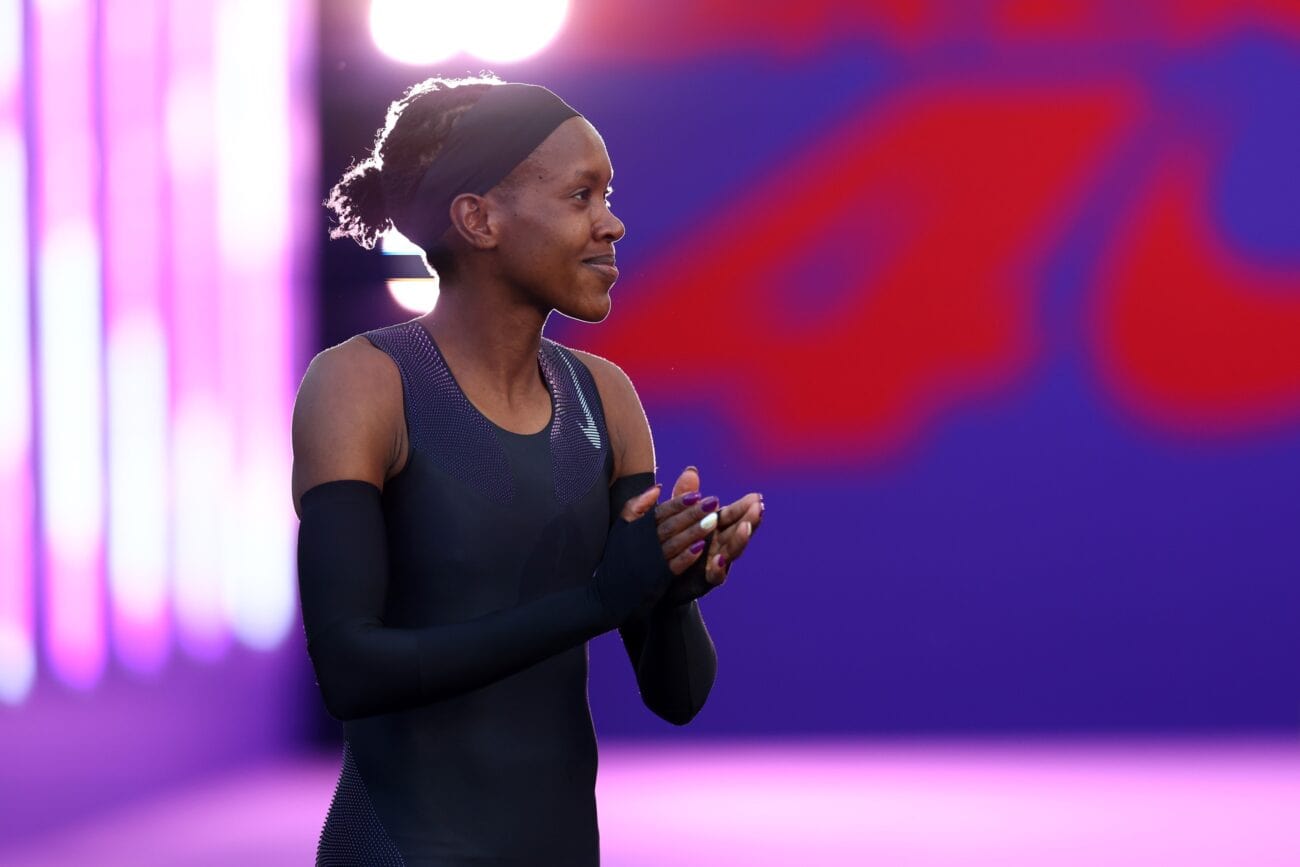
2. Faith Kipyegon
Faith Kipyegon was already one of the greatest middle-distance runners of all time. Then Breaking Four happened, and her role in the sport changed entirely.
That attempt pushed her beyond track dominance and into cultural symbolism. She became the face of possibility in women’s running, supported by a massive Nike machine and operating on a global stage. Whether or not she ever goes under four minutes, the attempt itself reshaped expectations.
Heading into 2026, women’s track increasingly revolves around her. With other stars stepping away or transitioning, Kipyegon stands as the anchor. She’s media-trained, comfortable in the spotlight, and capable of carrying the sport in a way few track athletes ever are.

1. Sifan Hassan
No one in running bends time, logic, and expectation quite like Sifan Hassan. She races across disciplines, recovers faster than seems possible, and shows up repeatedly in moments where most athletes would still be resting.
What makes Hassan uniquely influential isn’t just versatility. It’s inevitability. Any race she enters immediately becomes the race. She can run a major marathon, turn around weeks later, and still contend. She can move between track and road without explanation or apology.
Nike understands this. You could see it last year, when Hassan and Kipchoge were positioned together at major events, almost like a passing of the torch. Hassan doesn’t feel like Kipchoge’s replacement, though. She feels like something different. Less monk-like. More chaotic. Just as compelling.
In 2026, Hassan isn’t just the most influential person in running because of what she might do. She’s the most influential because she makes the entire sport feel unpredictable again. And that’s powerful.
RunClub
Get more running stories — join RunClub
Daily running news, a community of 300,000+ runners, free training plans for every distance, and a daily running game. Free to join — no card.
Already a member? Log in →


Start the conversation