


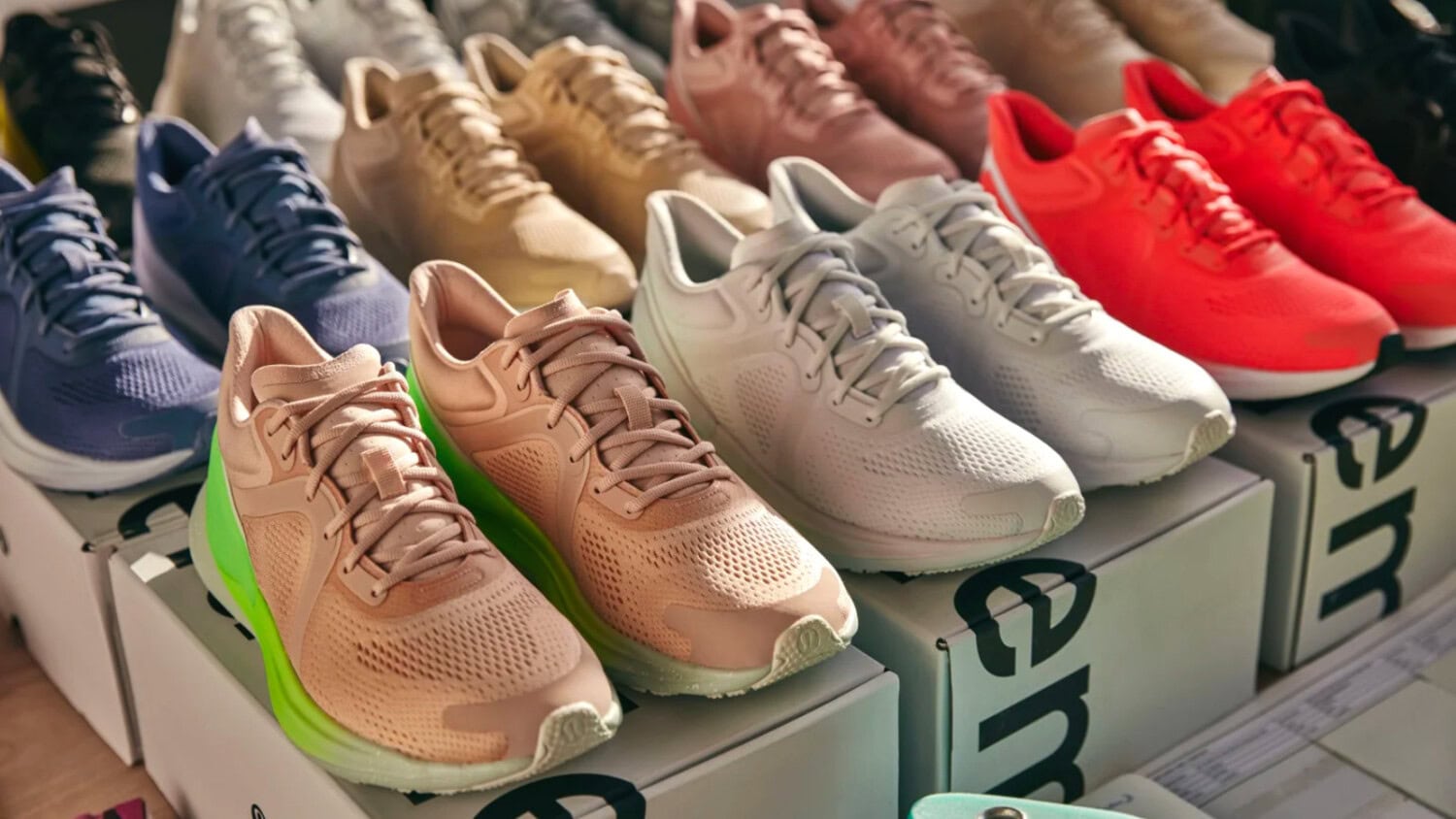
U.S. President Donald Trump’s newly announced tariffs on foreign imports are set to dramatically raise prices in the athletic footwear and apparel industry — with runners likely to take a direct hit at the register.
Why it matters
Nearly every major running shoe and apparel brand relies on low-cost manufacturing in Southeast Asia. With Trump’s latest tariff wave targeting countries like Vietnam (46%), Cambodia (49%), and Laos (48%), the global running supply chain — already reshaped once during Trump’s first term — is being squeezed again. And the cost will almost certainly be passed to consumers.
What’s happening
Trump unveiled a sweeping list of new import tariffs on April 2, which his administration has dubbed “Liberation Day.” The list includes more than 50 countries, with tariff rates ranging from 11% to 50%, hitting some of the most critical countries in the running gear supply chain:
- Vietnam: 46% tariff — a severe blow to Nike, which shifted much of its manufacturing here in response to earlier China-focused tariffs.
- Cambodia: 49% — another key player in apparel production.
- Bangladesh: 37% — known for high-volume technical apparel exports.
- China: 34% — still a player, but less dominant than before 2018.
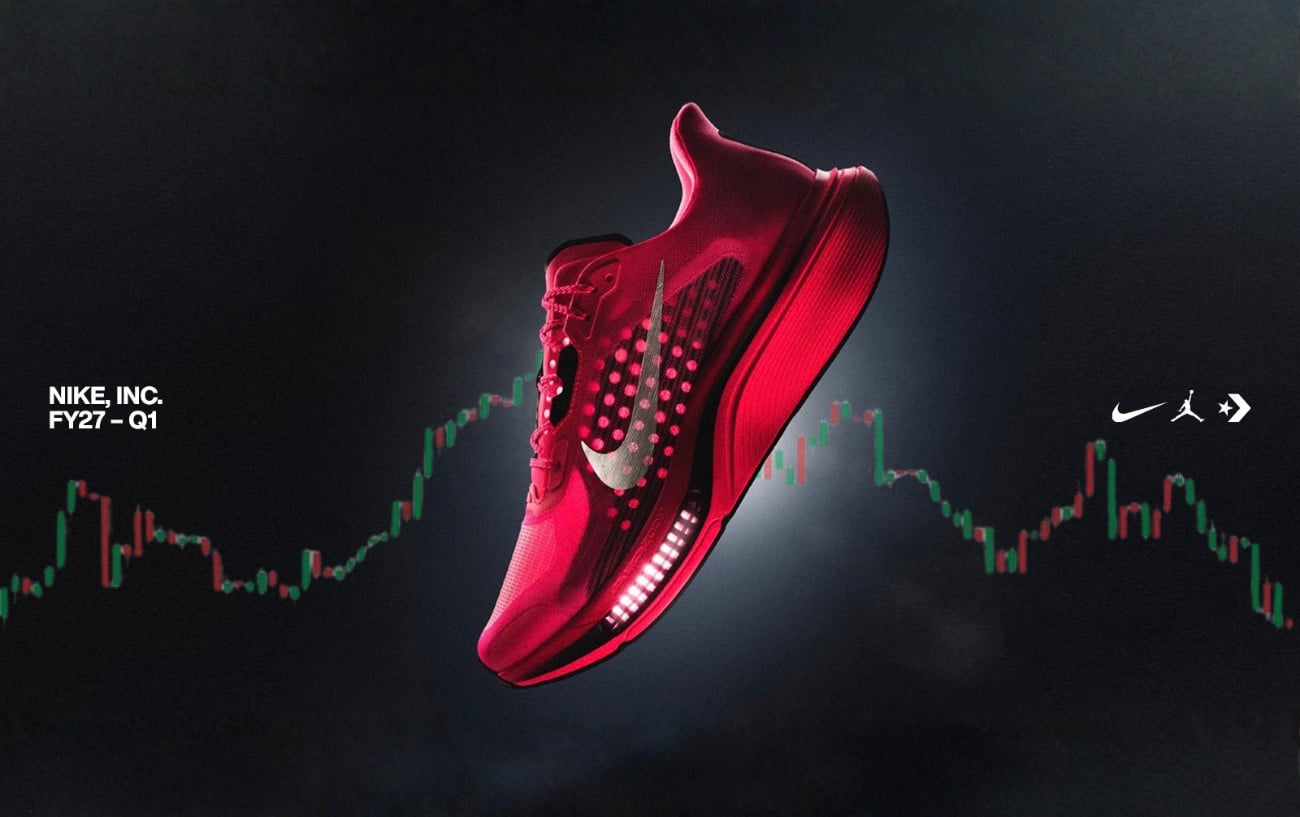
Yahoo Finance reported that Nike shares dropped more than five percent after the announcement, with other publicly traded running brands like Adidas and Lululemon also seeing declines, reflecting fears over thinning margins and higher consumer prices.
The bigger picture
The Trump administration says the tariffs are aimed at protecting American industry and curbing China’s global manufacturing dominance. But the reality is more complex. Many of the Southeast Asian factories that opened over the past five years — especially in Vietnam and Cambodia — are Chinese-owned or operated by Chinese firms.
That means that even as brands like Nike and Adidas pivoted away from direct manufacturing in China after the 2018 tariff rounds, their new partners remained under indirect Chinese control. These second-wave tariffs appear to be targeting not just supply chain geography, but also ownership.
Countries like Indonesia (32%), Sri Lanka (44%), and Myanmar (45%) are also on the list — leaving few viable low-cost, low-tariff alternatives in Asia.
Domestic manufacturing in the United States remains unlikely. The infrastructure, labor force, and economics simply don’t support mass production of affordable performance running gear. Instead, brands will likely hunt for new “tariff havens” — possibly in Central or South America — but those transitions take time.
What it means for runners
Expect retail prices to rise, particularly on high-end performance shoes and technical apparel. Even modest increases in production costs (due to tariffs and supply chain shifts) could translate to $10–$25 price hikes on premium models.
Brands may also limit inventory or reduce the variety of available models in response to cost pressures — potentially affecting availability for runners who rely on specific shoes for workouts and racing.
And smaller specialty brands may feel the crunch most acutely, facing both production uncertainty and thinner margins, which could ripple through to consumers via fewer discounts or limited edition drops.
RunClub
Get more running stories — join RunClub
Daily running news, a community of 300,000+ runners, free training plans for every distance, and a daily running game. Free to join — no card.
Already a member? Log in →


Join the conversation
Come and visit any country without a protectionist tariff structure for your next race and pickup your apparel there ?
We USA, need to learn how to make running shoes. Why don't we do it. We are so dependent on seven other countries to keep us running. Doing it the USA we can control our our running. I'm sure there are companies that will do this.
Only 2 running shoe manufacturers have shoes that are not made in China.
I'm curious, which two companies are they?
Ridiculous. Running shoes' cost are already through the roof, especially for how long they last. Tariffs and GOUGING.