


Why it matters
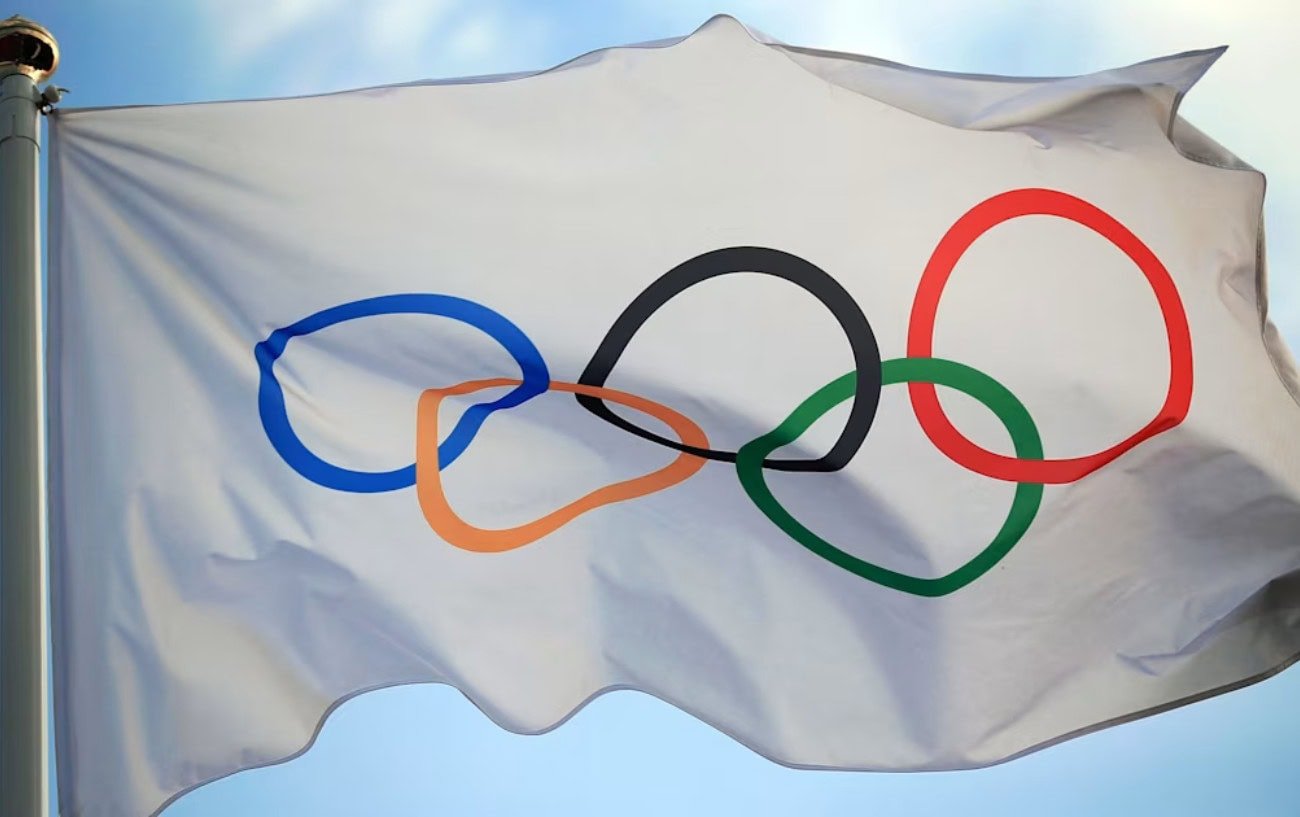
The United States Olympic & Paralympic Committee (USOPC) has ended its prior sport-by-sport approach and imposed a blanket ban on transgender women competing in women’s categories, a dramatic policy reversal that aligns with a recent federal mandate and could reshape eligibility across all Olympic sports in the U.S.
What’s happening
- On Monday, the USOPC quietly updated a small section under “Athlete Safety” on its website, signaling compliance with Executive Order 14201, signed by President Donald Trump in February.
- The policy does not name transgender athletes explicitly, but sources confirm it mirrors Trump’s executive directive titled “Keeping Men Out of Women’s Sports.”
- The change overrides individual sports’ autonomy, centralizing eligibility decisions under the USOPC.
Between the lines
The USOPC’s previous stance allowed national governing bodies (NGBs) to set their own rules based on scientific assessments, including hormone thresholds and transition timing. Now, that discretion has been removed.
“As a federally chartered organization, we have an obligation to comply with federal expectations,” CEO Sarah Hirshland and board chair Gene Sykes wrote in an email to Team USA stakeholders.
By the numbers
- 1st NGB to act: USA Fencing updated its policy Friday, barring transgender women, nonbinary, and intersex athletes from the women’s category starting Aug. 1.
- 28+ states: have passed similar legislation banning transgender athletes from women’s sports.
- 0 enforcement details: The USOPC has not outlined how this ban will be implemented across various sports.
Zoom out
The shift follows a national backlash earlier this year when a female fencer refused to compete against a transgender opponent, an incident that prompted political outcry and a congressional hearing.
USA Fencing CEO Phil Andrews said the federation had little choice:
“I’m not going to try to oppose the USOPC because I understand that they’ve been put in an impossible situation by the administration.”
The bigger picture
- This move brings the U.S. in line with international trends. Organizations like World Athletics and World Aquatics have already restricted transgender women from elite female categories.
- The International Olympic Committee’s 2021 framework encouraged inclusion but left enforcement to individual federations.
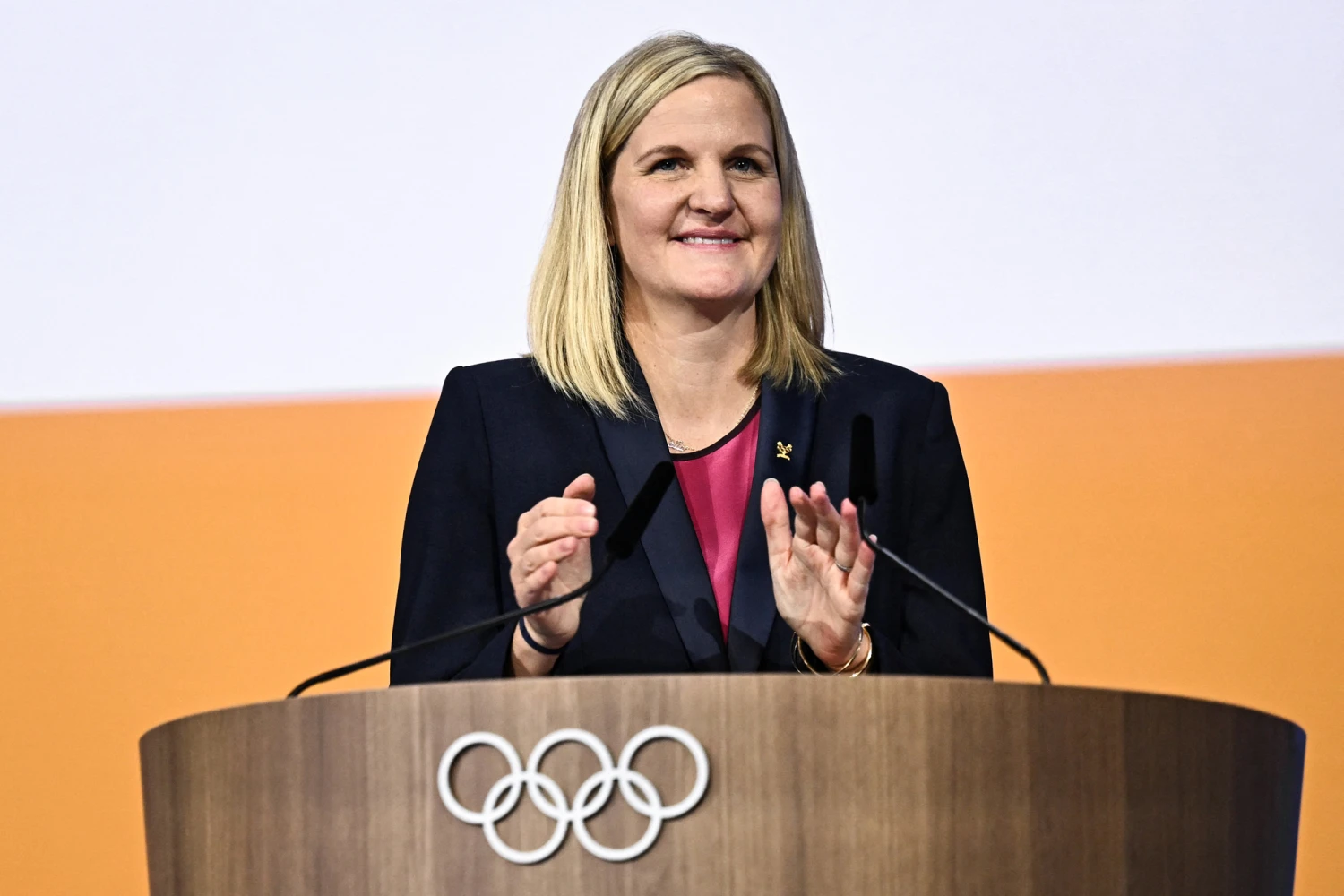
- New IOC president Kirsty Coventry has signaled a shift, promising to prioritize “the integrity of women’s sports.”
What’s next
- Some NGBs may explore creating open categories or mixed-gender divisions, though no formal proposals have emerged.
- The policy’s legality could be challenged in states like California and Minnesota, which oppose federal enforcement.
- Advocacy groups, including the ACLU and Human Rights Campaign, argue the ban is politically motivated and not supported by scientific evidence.
What they’re saying
- Supporters: Any retained advantage after male puberty, no matter how small, undermines fairness in elite sport.
- Opponents: Gender-affirming hormone therapy reduces testosterone and performance metrics, making categorical bans unjustified.
The bottom line
The USOPC’s decision isn’t just about Olympic eligibility, it sets the tone for how gender and fairness are defined in U.S. sport for years to come, from youth leagues to the 2028 Los Angeles Olympics.
RunClub
Get more running stories — join RunClub
Daily running news, a community of 300,000+ runners, free training plans for every distance, and a daily running game. Free to join — no card.
Already a member? Log in →






Start the conversation