


A Kenyan marathoner flew across continents to race in Malaysia earlier this month, only to be disqualified for something most runners wouldn’t think twice about: the shoes on his feet.
Paul Matheka, a 2:11 marathoner, lined up for the Kuala Lumpur Standard Chartered Marathon on October 5, a World Athletics Elite Label event, wearing a pair of Voltra JET carbon-plated racing shoes he had bought at the event expo the day before. It was a last-minute purchase, reportedly because he had arrived at the race without a suitable pair of shoes.
Despite the gamble, Matheka ran strongly, finishing seventh overall in just under 2:20, a performance worth US$1,000 in prize money. But after the race, officials inspecting his footwear noticed something odd: the model wasn’t listed on World Athletics’ approved shoe list. Under the sport’s rules, that’s a disqualifying offense.
He was stripped of his result.
How an Honest Mistake Became a Viral Moment
Voltra, the Malaysian brand behind the shoe, responded swiftly. In a statement on social media, the company took full responsibility, explaining that both they and Matheka were unaware the JET model required prior approval from World Athletics before being used in a sanctioned Elite Label race.
“It was an honest mistake by both sides,” Voltra wrote. “We couldn’t sit still knowing that a passionate runner’s effort was left unrewarded because of a technicality.”
To make amends, the brand paid Matheka the US$1,000 prize he lost, adding, “Sometimes, rules stop a winner. But we want to keep him running.”
The gesture was well received online, and the story quickly spread through the running world. But it also raised a few eyebrows. For a little-known brand like Voltra, founded in Malaysia and still building recognition outside Southeast Asia, the timing couldn’t have been better.
The disqualification, though unintentional, by all appearances, earned the company a wave of international attention that no marketing budget could buy.
It’s easy to see why some wondered aloud whether the whole thing was, if not orchestrated, at least conveniently advantageous. It’s unusual for a 2:11 marathoner to arrive at a major race without shoes, only to buy an untested model from a local brand’s expo booth the night before.
Even for mid-pack runners, “nothing new on race day” is a rule almost never broken. For an elite athlete, it’s practically sacred.

What the Rules Actually Say
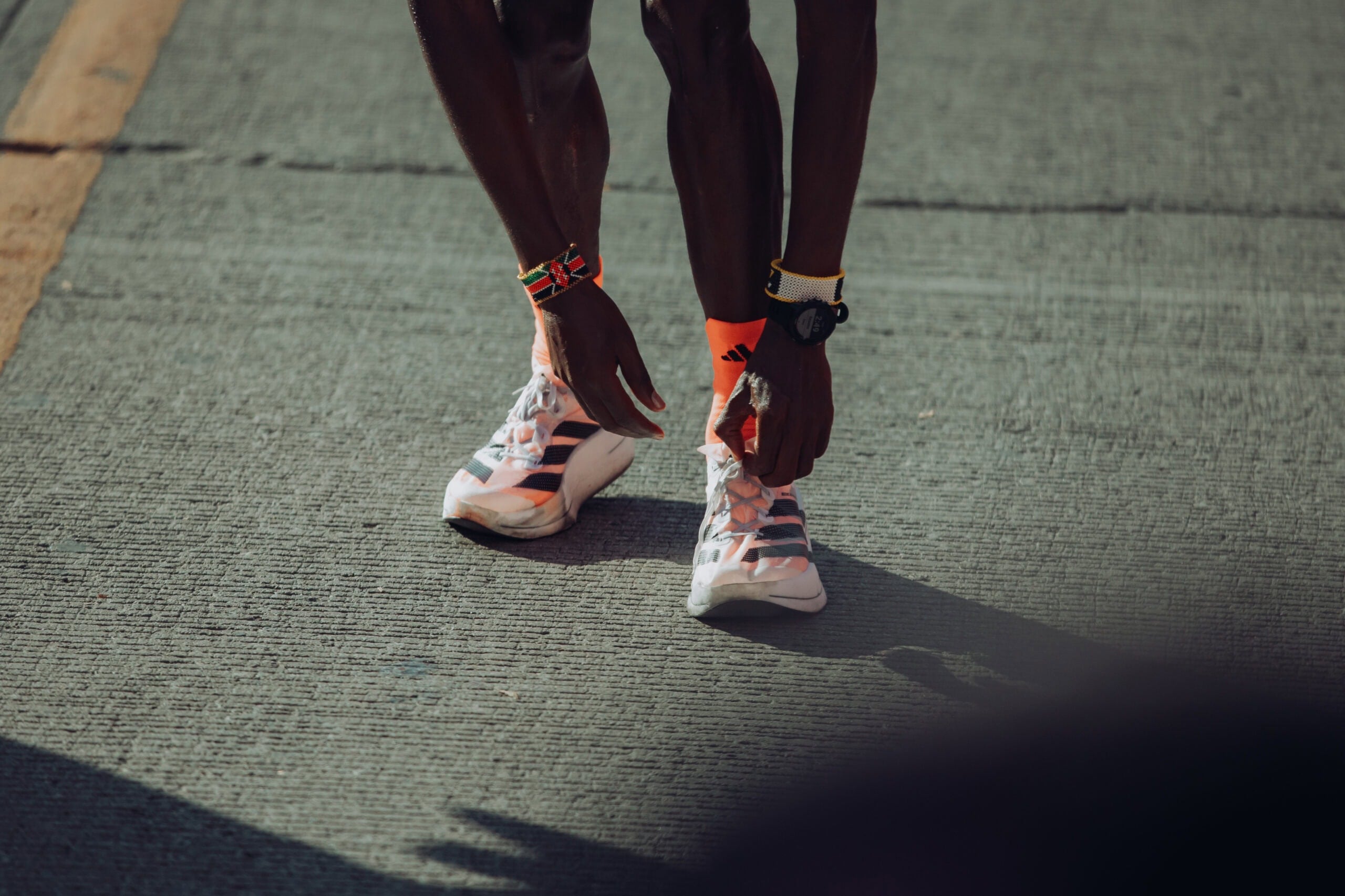
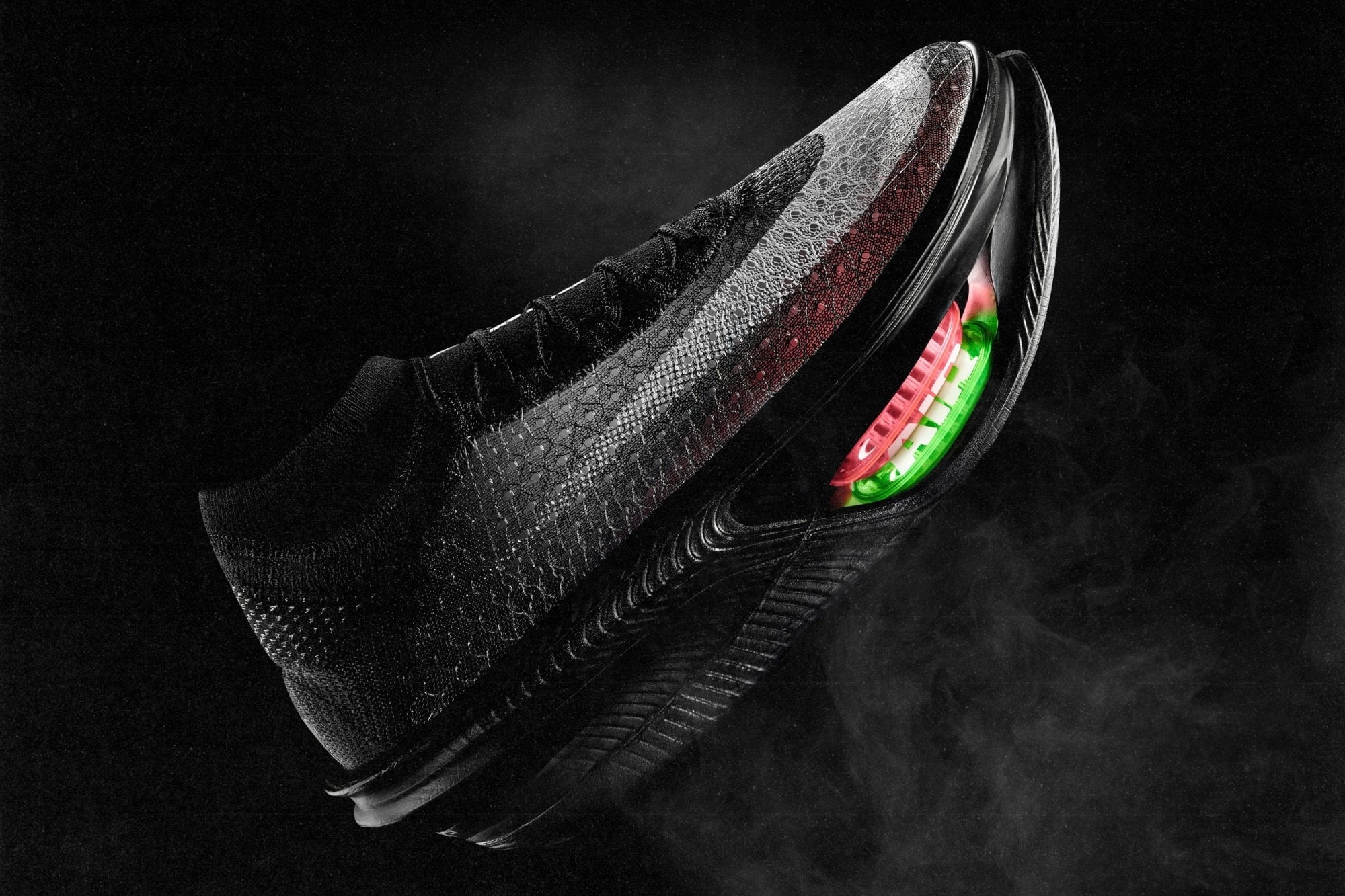
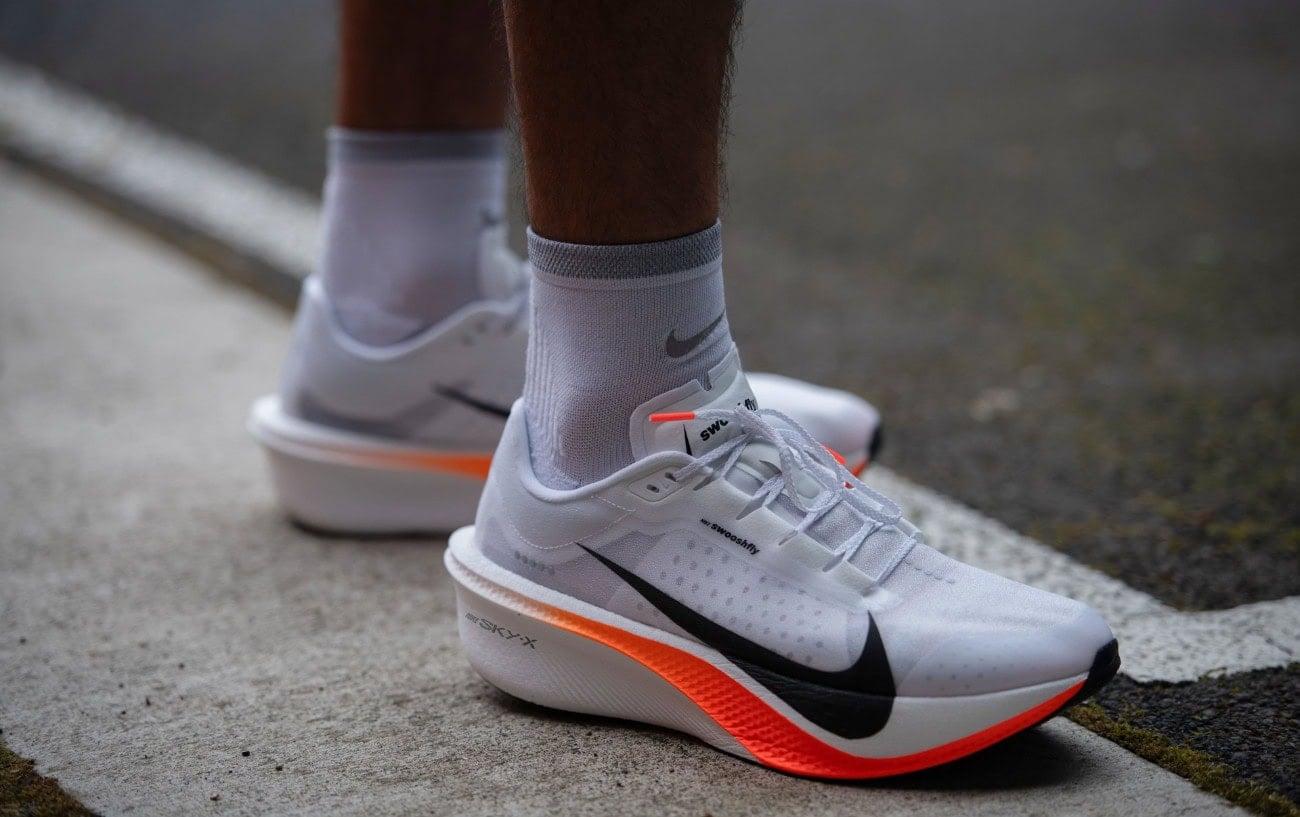
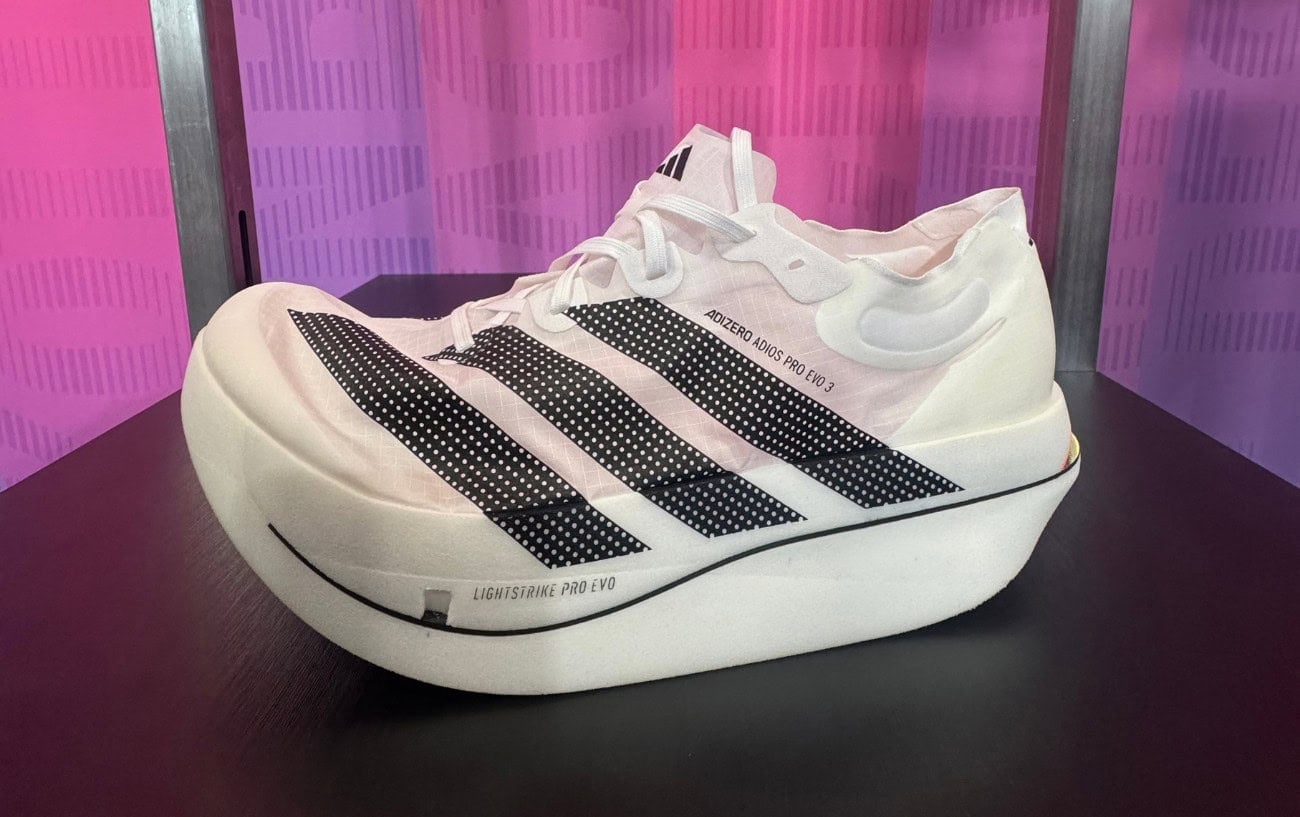
Under World Athletics Technical Rule 5, all shoes worn in Elite Label events must be approved and listed publicly before competition. The rule was introduced in 2020, when the rise of “super shoes” — high-stack, carbon-plated racing models like the Nike Vaporfly and Adidas Adizero Adios Pro — began dramatically changing performance outcomes in elite road running.
The regulations set limits on stack height (40 mm for road shoes), plate configuration (one rigid plate only), and commercial availability. Manufacturers must submit their shoes to World Athletics for testing and registration before they can be used in competition.
At the time of Matheka’s disqualification, the Voltra JET was not on that list.
The rule is clear, but cases like this highlight how easily athletes outside major sponsor networks can be caught out. Without a sponsor liaison or team manager to handle logistics, runners like Matheka often rely on race organizers or local vendors for gear — an environment where even a simple oversight can become a disqualifying mistake.
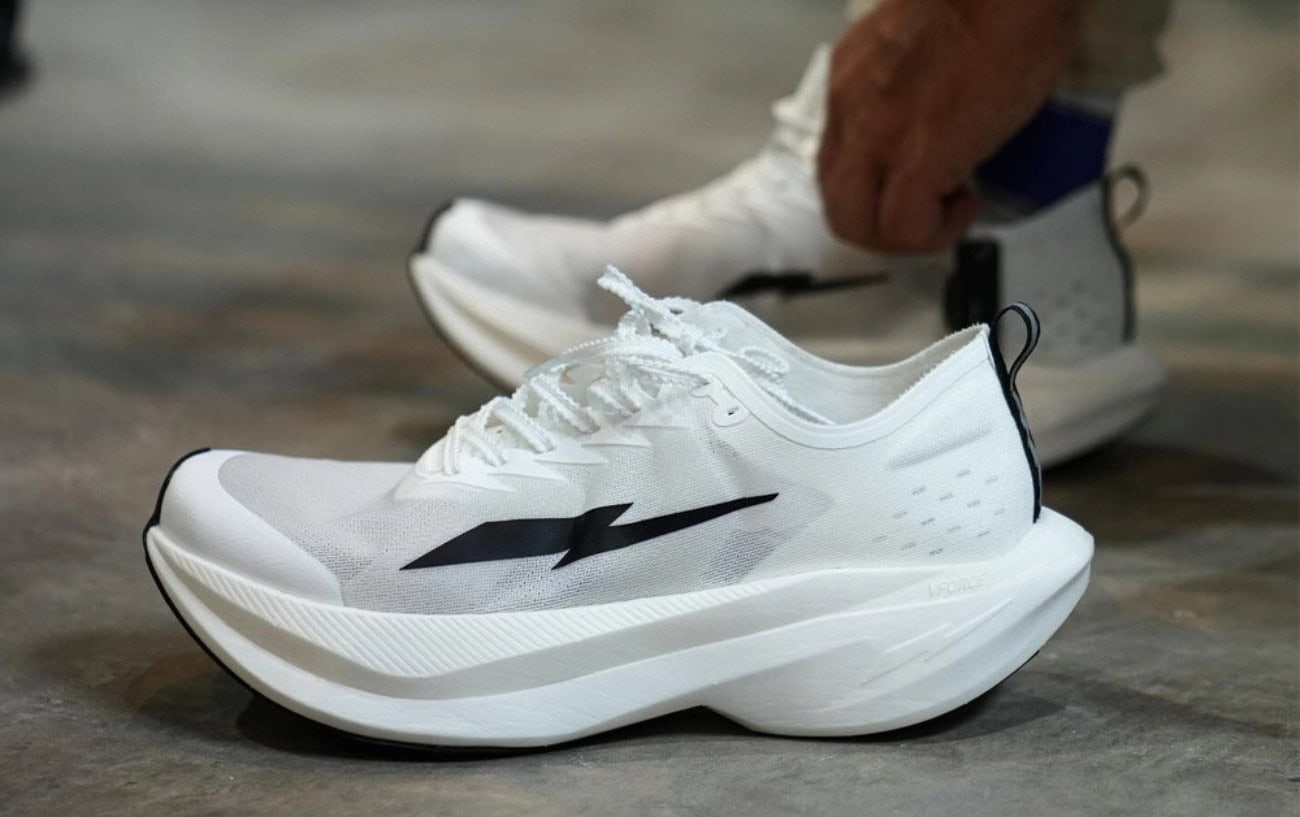
Inside the Voltra JET
The Voltra JET is a sleek, lightweight racing shoe designed to compete with the world’s leading marathon models. It weighs 209 grams and features a full-length carbon plate embedded in Pebax foam, the same responsive compound used in Nike’s ZoomX and other elite-tier foams.
Voltra markets the JET as a performance-driven shoe for serious runners, with a focus on efficiency and rebound rather than maximal cushioning. Early testers have compared it favorably with mainstream supershoes like the Nike Alphafly 2 and Adidas Adios Pro 3, though its limited distribution — mainly online and at regional expos — has kept it under the radar internationally.
As of mid-October, the JET still does not appear on World Athletics’ official list of approved shoes.
A Window Into the Reality of Unattached Elite Athletes
Beyond the oddity of the incident lies a deeper truth about elite marathoning: not every fast runner has access to a sponsorship deal or a support team. For athletes like Matheka, the path to start lines around the world is often self-funded, with flights, hotels, and entry fees paid out of pocket.
That context makes his decision to buy shoes at an expo seem less baffling, if still unusual. Without brand backing, logistical slip-ups happen. A missed shipment, a damaged pair in transit, or simple oversight could leave even a top-level runner scrambling for replacements the night before a race.
Voltra’s decision to compensate Matheka might have been good PR, but it also reflects a degree of empathy that’s rare in a sport increasingly defined by corporate precision. The incident, while not ideal for both sides, may ultimately work in Voltra’s favor, signaling a small, passionate company willing to own its mistakes and support the athletes who use its products.
So, was this all a coincidence or the smartest accidental PR move of the year? We’ll probably never know. What’s clear is that this story struck a chord because it sits at the intersection of two modern running realities: the rise of supershoe regulation and the precarious lives of athletes who compete just below the sport’s top sponsorship tiers.
For Matheka, it’s a hard-earned lesson in race-day rules. For Voltra, it’s the kind of exposure that startups dream of. And for the rest of us, it’s a reminder that in 2025, even a pair of shoes can change the course of a marathon.
RunClub
Get more running stories — join RunClub
Daily running news, a community of 300,000+ runners, free training plans for every distance, and a daily running game. Free to join — no card.
Already a member? Log in →







Start the conversation